


Autism Classroom Set Up Support
Preparing for an autism classroom set for students with significant needs presents unique challenges.
We want to create a space where our students feel safe, supported, and ready to learn.
But where do we even begin?
Let’s check out my tried-and-true tips for autism classroom set up.
These strategies create a learning environment where your students can thrive.
I’ll also sprinkle in some awesome resources from my shop to make your life easier.

Establish a Predictable Schedule
A predictable schedule is a must in an autism classroom.
It helps students know what to expect and reduces anxiety.
Also, if you are managing other adults including paraprofessionals and assistants, a staff schedule is a must.
First, make a spreadsheet representing each students day.
Then, create a separate spreadsheet for adults that notes activities, student support, and breaks.
Next, create a visual schedule with pictures or icons representing each activity.
Display all schedules prominently in the classroom.
Review the schedule frequently throughout the day.
I run my classroom in 15 minute increments so, typically, students are checking their schedules every quarter of an hour.
For a ready-made solution, take a look at the Special Education Schedule Template Editable Teacher Daily Class.
It’s editable and customizable to fit your specific needs.

Prioritize Visual Supports
Visual supports are essential for students with autism.
They help with understanding routines, making transitions, and managing behaviors.
Think visual schedules, choice boards, and labels.
These tools reduce anxiety, increase understanding, and elevate independence.
- Procedures and Rules: Use simple text and structured pictures to highlight rules throughout your room and the school building. Must-have procedure posters include the restroom, voice level, classroom, cafeteria, hallway, and recess.
- Visual Cues for Instructions: Use pictures or symbols to represent common instructions, such as “sit down” or “line up.” This helps students comprehend expectations without relying solely on verbal communication.
- Social Stories: Develop social stories to explain routines, behaviors, or upcoming events. This prepares students for new experiences and reduces anxiety.
Create specific areas for different activities, such as group instruction, individual work, and sensory breaks.
Clearly labeled spaces help students understand expectations and navigate the classroom independently.
Implement visual schedules to outline daily activities.
This provides students with a clear understanding of what to expect throughout the day.
You can create your own visual supports with pictures, icons, and simple text.
Laminate them for durability. Or, save time with these pre-made Visual Supports for Autism Classroom.
They cover a wide range of needs and are ready to go!
Designate Work Stations
Many students with autism benefit from having their own designated work station.
This provides a sense of ownership and minimizes distractions.
Use individual desks, study carrels, or even separate areas of the room.
Make sure each station has the necessary materials and tools.
Add visual cues or labels to help students identify their space.
Individual workstations are essential for promoting independence.
Here’s how to set them up:
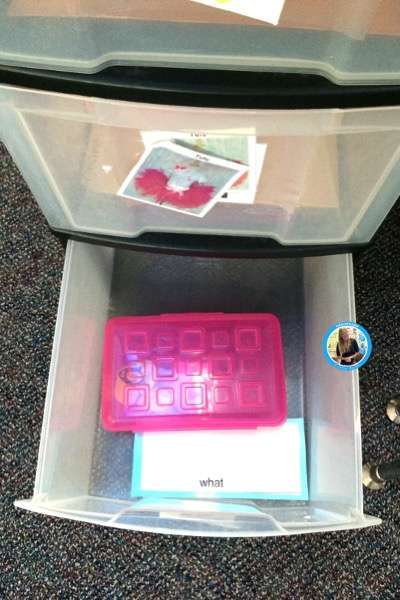
- Personalized Desks: Assign each student a desk labeled with their name. This personal space fosters a sense of ownership and routine.
- Work Systems: Utilize drawer systems or bins containing tasks tailored to each student’s learning level. For example, file folders with activities or worksheets that students can complete independently.
- Incentives: Place a preferred item or activity in the bottom drawer as a reward for completing tasks. This encourages motivation and reinforces positive behavior.
If you need help setting up organized work stations, check out this Autism Classroom Workstation set.
They provide clear expectations and help students stay focused.
Incorporate Sensory Tools
Sensory input can be overwhelming for students with autism.
Incorporate sensory tools and strategies into your classroom set up.
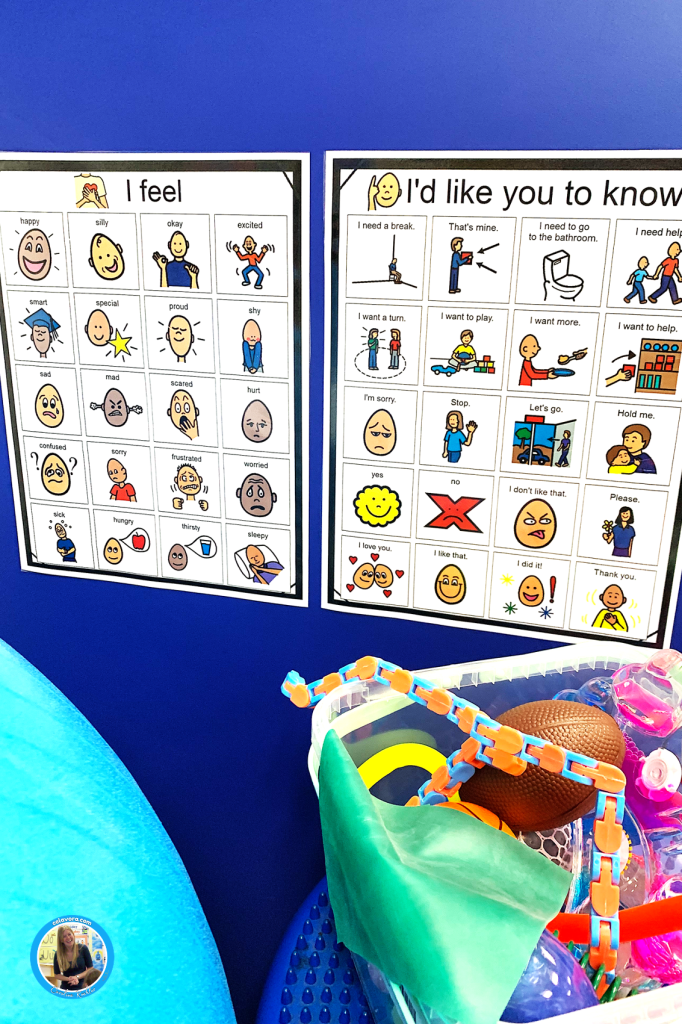
Designate a quiet corner with soft seating and calming activities.
Provide fidget toys, weighted blankets, or noise-canceling headphones.
Some students need a specific item always available so accommodate as necessary.
These Autism Classroom set sensory tools offer a variety of options to meet different sensory needs.
But what do you really need for sensory items?
- A swing
- A wet/dry table
- Weighted blanket
- Tangles
- Body sock
- Ginormous yoga balls
- Mini trampoline
- Large tunnel
These items are perfect tools for gross motor sensory supports in an autism classroom set up.

Organize and Plan – Autism Classroom Set Up
A cluttered classroom can be overstimulating for students with autism.
Keep your space organized and free of unnecessary distractions.
Use clear bins and labels for storage.
Minimize visual clutter on walls and bulletin boards.
Create designated areas for different activities.
If there is something you don’t want the students to access, keep it out of eye sight.
Rotate toys at least monthly so not everything is out and accessible daily.
In my classroom, I have several areas including
- Whole group time on the carpet
- Individual work stations
- Sensory area
- Small group table
- 1-1 work area
- Hygiene station
- Backpack cubby area
After your autism classroom set up is complete, add in your year long curriculum map.
This is a massive time saver and helps you minimize the amount of time you are spending on lesson plans.
A curriculum map also acts as a guide for your assistants and subs if you are out of the room.
Foster Communication within Autism Classroom Set Up
Effective communication is crucial in an autism classroom set up.
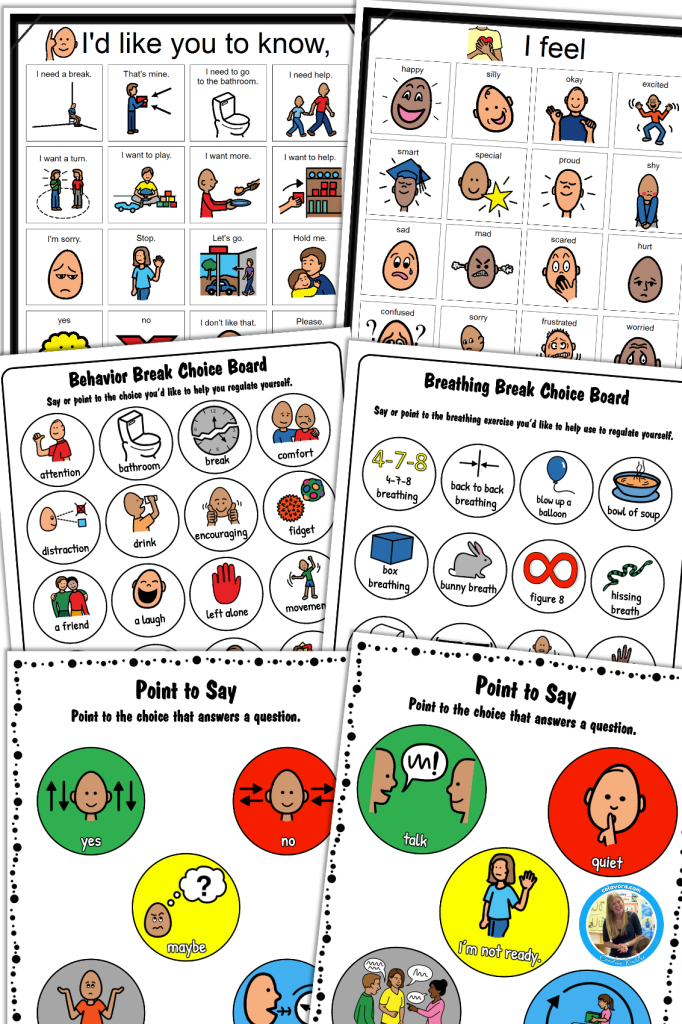
Use visual supports as an invaluable way to facilitate communicate in your autism classroom set up.
They aid communication and understanding.
Provide communication boards or books with pictures and symbols.
Model clear and concise language.
Encourage students to express their needs and preferences.
Use daily notes home to inform families on their student’s day.
Use communication boards to help students express feelings, wants, and needs.
Remember to always teach these tools rather than expect the students to innately know how to use them.

Collaborate with Support Staff
Collaboration with support staff is essential for student success.
Establish clear roles and responsibilities.
Communicate regularly about student progress and needs.
Schedule regular meetings to discuss strategies and interventions.
Create a shared communication log to track student behaviors and successes.
A cohesive team is vital for a successful classroom.
Here’s how to ensure effective collaboration:
Regular Meetings: Hold team meetings to discuss student progress, address concerns, and adjust strategies as needed. Open communication fosters a supportive environment for both staff and students.
Clear Schedules: Provide each staff member with a detailed schedule outlining their responsibilities and the students they support. This ensures consistency and clarity.
Within the daily staff schedule, highlight the “other” tasks assigned to each staff member.
These include daily needs like
- Resetting schedules
- Organizing independent work stations
- Wiping down tables
- Sanitizing toys
- Packing/unpacking backpacks
- Tidying the sensory room
- Making copies

Promote Student Independence
Encourage independence by providing opportunities for choice-making and self-management.
Offer choices within activities and routines.
Teach self-monitoring strategies.
Use visual checklists to help students complete tasks independently.
Continuous assessment is key to meeting your students’ needs.
Implement these practices:
- Data Collection: Maintain records of student performance to identify successful strategies and areas needing adjustment.
- Flexible Approaches: Be prepared to modify teaching methods based on data and observations to better support each student’s learning journey.
Utilize daily data collection to document goals and independence.
This helps immensely when progress monitoring is due.

Creating a Thriving Autism Classroom Set Up
Autism classroom set up requires thoughtful planning and attention to detail.
By incorporating these strategies and utilizing helpful resources, you can create a learning environment where your students feel safe, supported, and empowered to learn.
Remember, flexibility and ongoing assessment are key to meeting the evolving needs of your students.
Utilize daily schedules, visuals, and sensory activities.
Take the time to organize and plan with purpose.
With all of the necessary tools, your autism classroom set up will come together beautifully.


