Letter Recognition Sheets to Boost Early Literacy
Letter recognition sheets help young learners identify letters through structured activities.
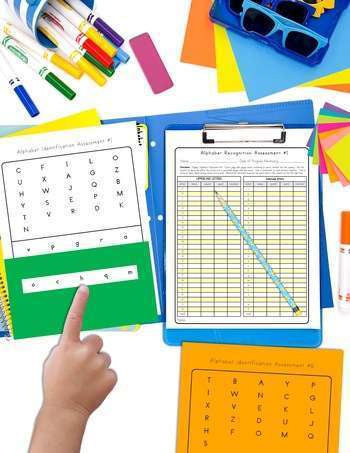
These sheets are more than worksheets—they’re tools that combine hands-on practice, visual learning, and fine motor skill development.
Whether you’re teaching at home, in a classroom, or working one-on-one, these resources make learning fun and effective.
Using letter recognition sheets allows educators to gauge the students’ abilities and knowledge.
Frequent monitoring of letter understanding helps identify what letters and sounds need reinforcement while teaching.
Let’s explore practical ways to incorporate them into your lessons while highlighting complementary resources to enrich the experience.
Start with the Basics: Alphabet Letter Recognition Sheets
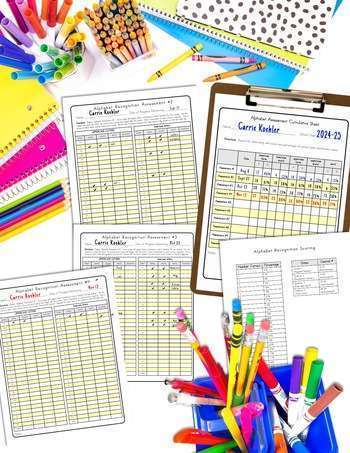
Use the Alphabet Letter Recognition Sheets Assessment to gauge where your students stand.
These sheets evaluate students’ ability to recognize and identify uppercase and lowercase letters.
Begin by introducing one letter at a time, focusing on recognition before moving to sounds.
How to Use:
- Present one letter daily and use the sheet to assess student progress.
- Turn it into a game by timing how quickly a student can find specific letters.
- Pair with hands-on tools like magnetic letters to add tactile reinforcement.
Why It’s Helpful:
The assessment sheets provide a clear picture of each child’s strengths and areas for growth.
This insight ensures you tailor instruction to meet individual needs.
While many letter recognition sheets only have 1 set template, I recommend having a series of sheets.
Make sure to screen for uppercase and lowercase knowledge.
For an even wider view, evaluate letter sound association and initial sound of a word.
Master Letter Formation Sheets: Tracing and Writing Practice
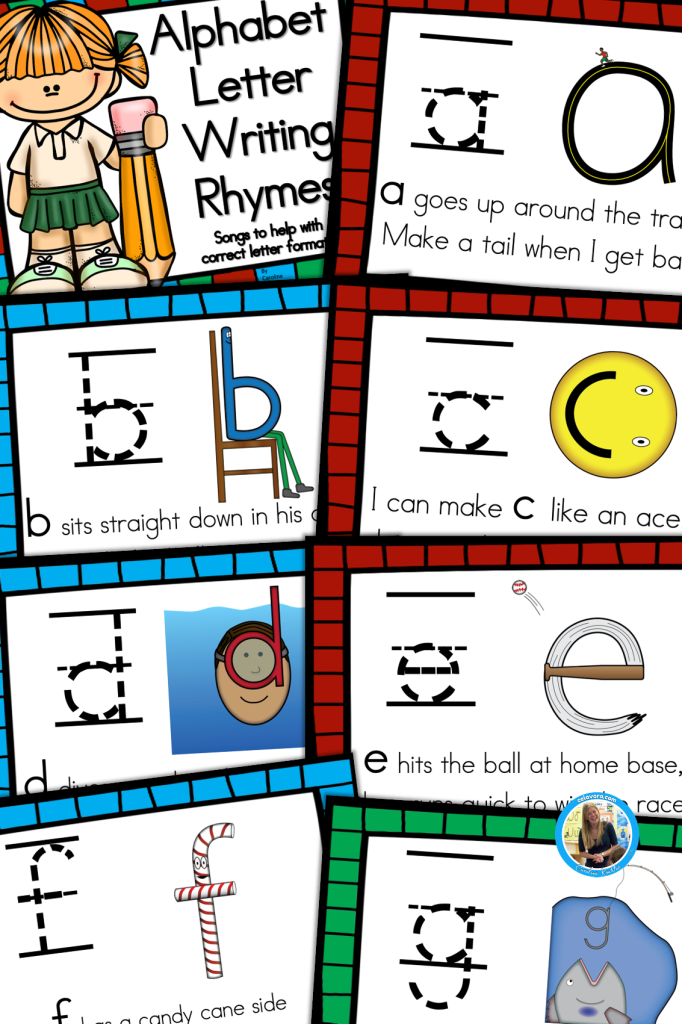
The Alphabet Proper Letter Formation Uppercase and Lowercase Tracing Bundle complements recognition activities by teaching proper letter formation.
Combining these resources reinforces both letter recognition and fine motor skills.
How to Use:
- Introduce tracing exercises after students recognize a letter.
- Encourage repetition to build muscle memory.
- Use dry-erase pockets for reusable practice during literacy centers.
Why It’s Helpful:
Tracing helps children internalize the shapes of letters, bridging the gap between recognition and writing.
Repetition builds confidence and handwriting accuracy.
This set appeals to all learners including those with special needs.
It features songs, video, movement, and writing practice.
Incorporating this into the daily acquisition of alphabet knowledge can drastically increase the students’ letter recognition sheets success.
Make Learning Fun with Alphabet Games
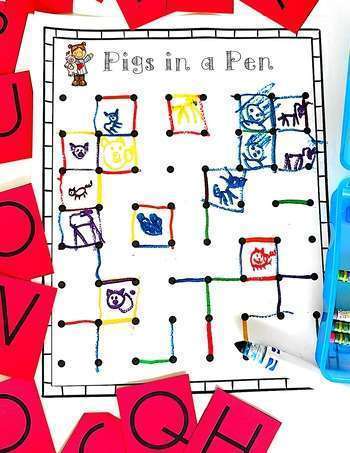
Add excitement with the Alphabet Game Set and Flashcards: Pigs in a Pen.
This engaging game reinforces letter recognition while improving memory and attention.
How to Use:
- Create small groups to encourage cooperative play.
- Use the flashcards for quick warm-up activities or transition times.
- Pair the game with recognition sheets to solidify learning.
Why It’s Helpful:
Games break the monotony of traditional worksheets, keeping students motivated.
They also enhance social skills like turn-taking and teamwork.
This unusual little game is a fan favorite of learners.
It’s unbelievably easy to set up and becomes a no-prep activity after the initial preparation.
Teachers and parents can literally stack the deck in this game.
Instead of using all 26 letters of the alphabet, sort through the flashcards.
Use the letters that students are struggling with as your identifiers.
Also, get creative!
This activity can use anything from naming the letters, to produces the sounds, to naming a word that begins with the letter, and so on.
Incorporate Hands-On Learning with Fishing for Letter
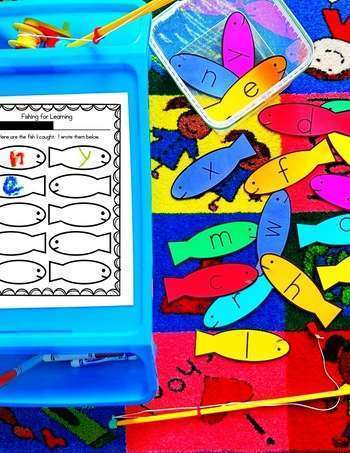
The Alphabet Game: Fishing for Learning Activity offers a hands-on approach to letter recognition.
Students “fish” for letters, making the activity tactile and interactive.
How to Use:
- Use the game as a station in your literacy centers.
- Pair it with recognition sheets to reinforce the letters caught during play.
- Encourage students to name or write a word starting with the caught letter.
Why It’s Helpful:
The game combines play with purposeful learning.
Using the physical act of “fishing” keeps children engaged while strengthening their motor skills.
This activity is also a student favorite and is great for independent writing activities.
Alphabet fishing requires a bit more set up than my typical activities.
The teacher has to print, laminate, cut out, and then staple each fish.
But, there is good news.
Once that’s done, it’s done.
This becomes a ready to use activity that gives a lot of engagement for a long period of time.
I love it because it’s fun, engaging work that helps me see progress when using the letter recognition sheets for progress monitoring.

Strengthen Letter Knowledge with Spelling Activities
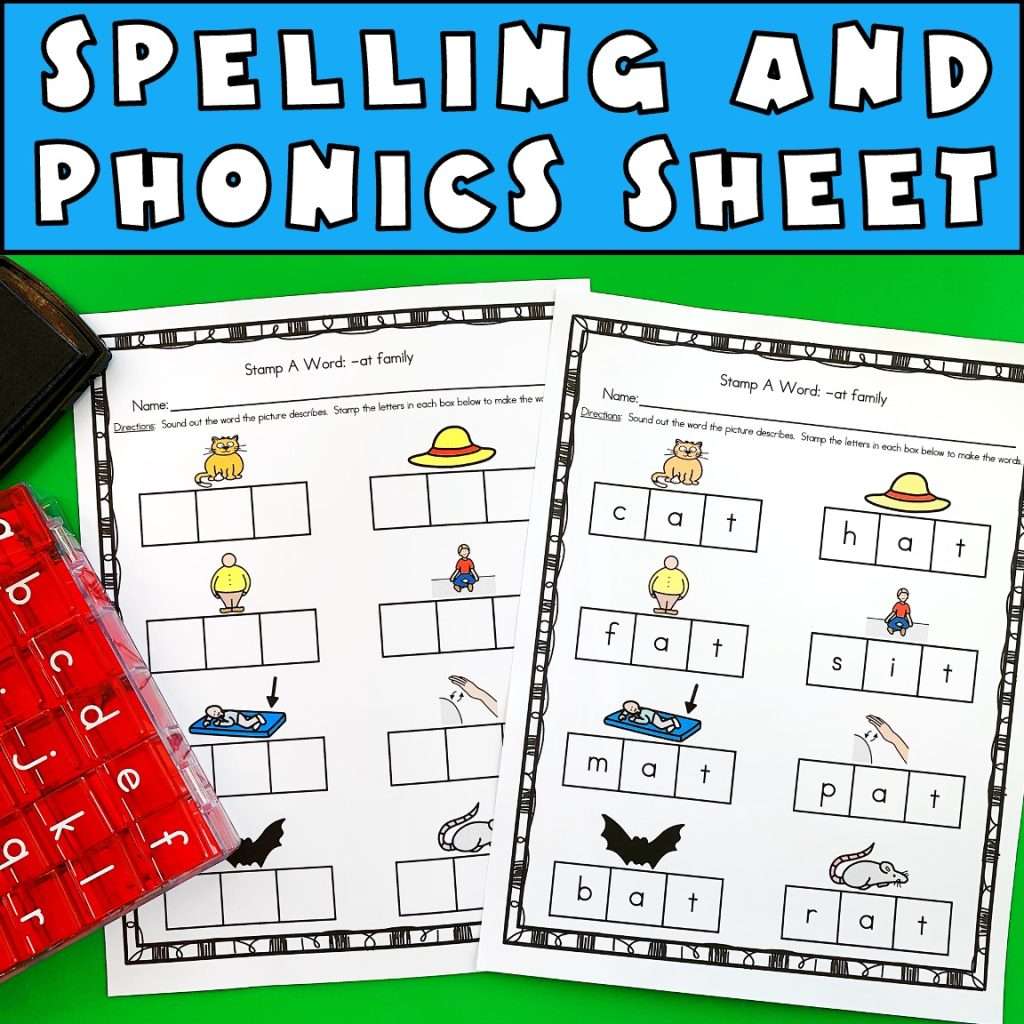
The Spelling Kindergarten Activities with Stamps encourages letter recognition through tactile learning.
Using stamps adds a creative element to spelling and word-building exercises.
How to Use:
- Provide stamps for students to create simple words.
- Have students stamp letters to match those on their recognition sheets.
- Offer a challenge by asking students to stamp all letters in alphabetical order.
Why It’s Helpful:
This activity reinforces letter identification and sequencing.
The stamping process enhances fine motor skills and keeps learning engaging.
This is useful for letter identification and phonetic spelling.
For students who struggle with handwriting and have occupational therapy needs, stamping can be freeing.
No longer forced to worry about the formation of the letters, students can just focus on the letters themselves.
If you are looking for easy, high-return literacy center activities, you’ve found it with alphabet stamps.
Free Resource: Spelling Worksheet for Kindergarten
Download the Spelling Worksheet Kindergarten Free Activity to provide additional practice opportunities.
This activity is perfect for reinforcing letter recognition and spelling skills.
How to Use:
- Introduce the worksheet during center time or as a take-home activity.
- Encourage students to use colored pencils or crayons for added creativity.
- Pair it with letter recognition sheets for a comprehensive lesson.
Why It’s Helpful:
Free resources like this worksheet are budget-friendly tools for educators and parents.
They integrate seamlessly into literacy activities, making learning accessible for all.
Also use this freebie as a way to determine if these activities are a fit for your students.
Assess Letter Recognition Sheets Readiness
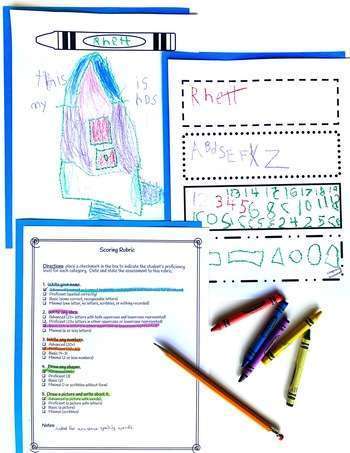
The Readiness for Kindergarten Test complements letter recognition sheets by assessing broader readiness skills.
This resource evaluates literacy, math, and fine motor abilities.
How to Use:
- Use the test at the beginning of the year to identify gaps.
- Incorporate letter recognition sheets as part of readiness practice.
- Repeat the test periodically to track progress.
Why It’s Helpful:
This comprehensive assessment ensures children develop holistically.
The results guide targeted intervention, saving you time while supporting each child’s success.
Readiness testing can be very powerful.
I like giving the assessment again after winter break and then right before the school year ends.
These portfolio pieces often show massive growth and are excellent tools to use at parent teacher conference.

Free Resource: Sight Word Songs for Kindergarten
Music can make learning unforgettable.
The Sight Word Songs Free Printable Worksheets combine melody and movement to help students retain critical sight words.
How to Use:
- Sing songs during circle time to reinforce sight word recognition.
- Use the printable worksheets as follow-up practice.
- Incorporate movement, such as clapping or jumping, for kinesthetic learners.
Why It’s Helpful:
Pairing music with sight words accelerates retention.
These free resources are perfect for blending academics with creativity.
Teaching letter recognition is a rewarding journey.

Using Letter Recognition Sheets
With tools like the Alphabet Letter Recognition Sheets and complementary resources, you can create engaging, effective lessons.
By combining hands-on activities, structured practice, and assessments, you’ll give your students a strong start in literacy.
Explore these resources today and watch your students thrive as you progress monitor with Alphabet Letter Recognition Sheets!