Worksheets for Following Directions: Printable Alternatives That Work
Following directions is a crucial skill for students, but traditional worksheets often fall short.
Instead, printable tools like social stories, cue cards, and visual schedules offer engaging, effective ways to teach this skill.
Seriously consider the topic you are teaching and the strong need for it.
Then, think about how incorporating life skills into a simple concept like following directions can be life changing.
Here’s a look at several printable alternatives that support students in following directions successfully.

Social Stories: Teaching Expectations Through Narrative
Social stories provide step-by-step guidance on expected behaviors.
These short, structured narratives help students understand what to do in various situations.
For example, a social story on “Listening to My Teacher” can break down instructions into simple, relatable steps.
Students can read or listen to the story before activities that require attention.
Visual cues and predictable language make it easier for students to process and apply instructions.
Educators and parents can reinforce learning by reviewing the social story before challenging tasks.
Using these stories reduces anxiety and increases compliance with verbal directions.
Print and laminate them for durability and repeated use.
This strategy works especially well for students with autism, ADHD, or processing difficulties.
Check out a variety of ready-to-use social stories here.
Social Scripting: Encouraging Verbal Responses
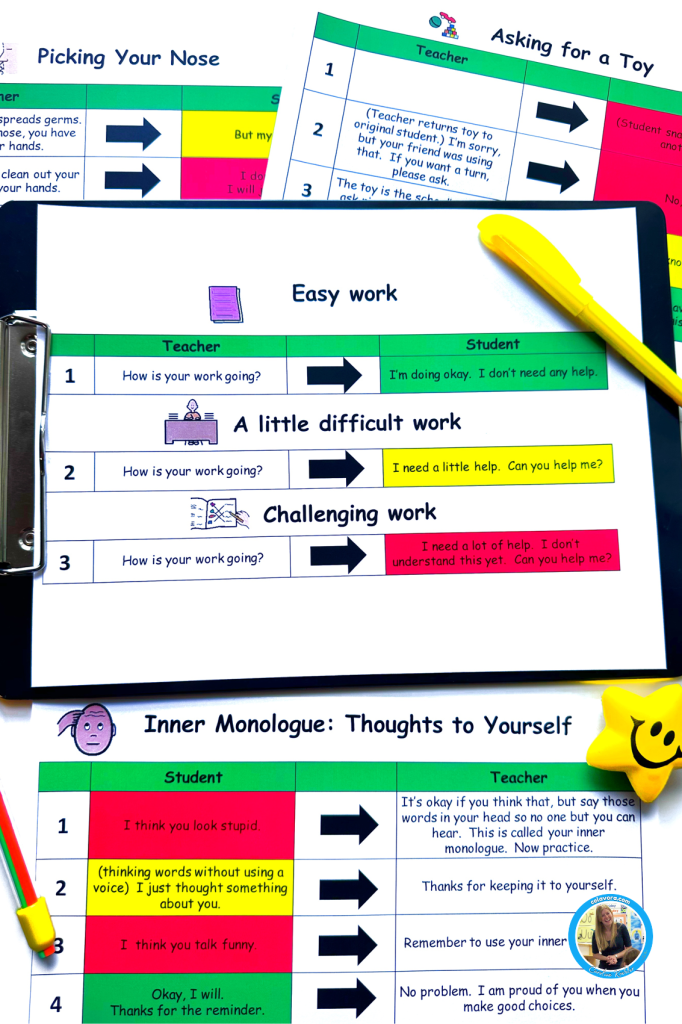
Social scripting resources help students practice conversations that require following directions.
These printable scripts provide students with words to use in different scenarios.
For example, a script might include a teacher’s question followed by an appropriate student response.
Practicing these exchanges helps students internalize language structures that guide them in everyday situations.
Educators can pair scripting with role-playing to make learning interactive.
Therapists often use social scripting to help nonverbal or reluctant speakers engage in conversations.
It is a great way to build confidence and improve classroom participation.
These scripts are especially useful for students who struggle with processing spoken instructions.
Use social scripting to reinforce classroom expectations in a structured, supportive way.
Explore printable social scripting tools here.
File Folder Activities: Hands-On Worksheets for Following Directions
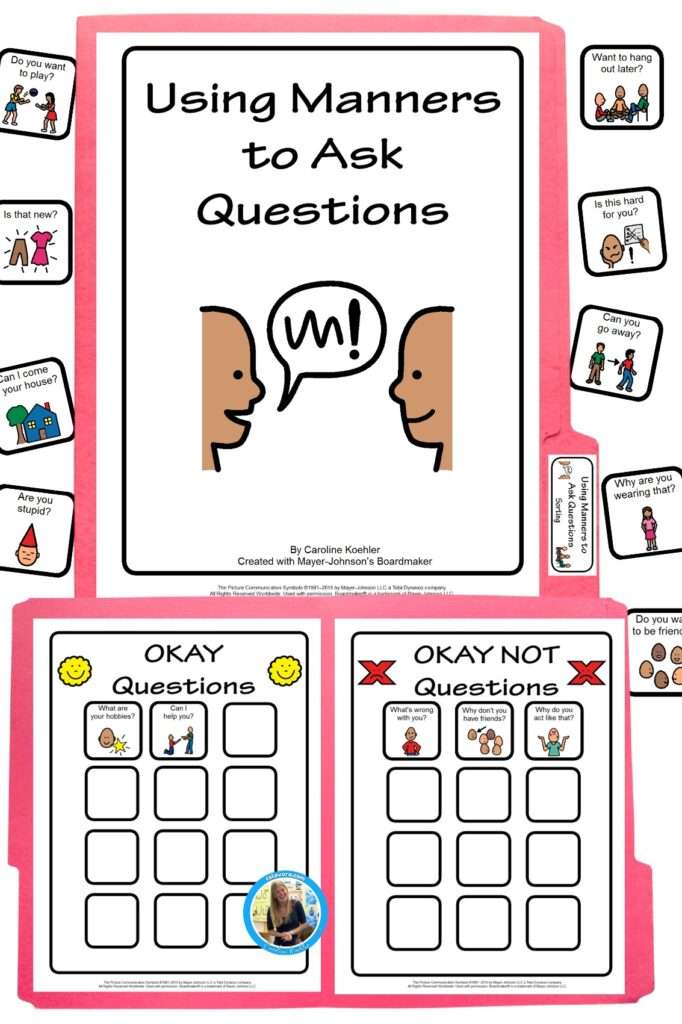
File folder activities turn direction-following practice into interactive fun.
These printables allow students to match, sort, and sequence steps in a structured way.
For instance, a “Morning Routine” file folder activity might have students place visual cards in the correct order.
This approach helps students grasp multi-step directions by physically engaging with tasks.
Teachers can create a set of file folders for independent practice stations.
Parents can use them at home to reinforce following multi-step instructions.
Laminate the pieces for long-lasting use and easy storage.
File folders work well for visual learners who benefit from hands-on engagement.
They provide a structured way to practice sequences without requiring extensive reading or writing.

Simplifying Multi-Step Directions with Worksheets for Following Directions
First-Then boards provide a simple, visual way to help students complete tasks.
These boards present one step at a time, reducing overwhelm.
For example, “First put away your backpack, then sit at your desk.”
Breaking instructions into two clear parts helps students transition smoothly between tasks.
First-Then boards work well for students who struggle with focus and task completion.
Teachers can use them to reinforce classroom expectations and daily routines.
Parents can implement them at home for chores and self-care routines.
They offer a consistent, predictable approach to following directions.
Using real pictures instead of drawings makes them even more effective for some learners.

Visual Schedules: Structuring the Day
Visual schedules provide a roadmap for daily activities.
Students can see what’s coming next, reducing uncertainty and improving transitions.
These schedules range from full-day overviews to step-by-step task guides.
For example, a “Getting Ready for School” visual schedule might include brushing teeth, getting dressed, and packing a backpack.
Using visuals alongside written words helps students of all reading levels follow along.
Teachers can place visual schedules on the classroom wall or student desks.
Parents can use them at home to support morning and bedtime routines.
They are especially helpful for students who need structure and consistency.

Check-In Check-Out Sheets: Tracking Progress
Check-in check-out sheets help students reflect on their progress in following directions.
These tools encourage self-monitoring and accountability.
For example, a student might rate how well they followed instructions during a lesson.
Teachers can review these sheets with students to set improvement goals.
Check-in check-out systems work well as part of behavior intervention plans.
Parents can use them to reinforce skills at home and track improvements.
Students gain awareness of their own behaviors and learn self-regulation strategies.
These sheets provide valuable documentation for IEP meetings and progress reports.
Find check-in check-out templates here.

Cue Cards: Quick Visual Reminders
Cue cards offer small, portable reminders for following directions.
These cards can feature simple prompts like “Look at the teacher” or “Raise your hand.”
Teachers can keep a set on a lanyard for easy access.
Students benefit from quick visual cues without the need for lengthy explanations.
Parents can place cue cards in common areas at home to reinforce expectations.
Therapists often use cue cards during sessions to support language and behavior goals.
They help reduce verbal reminders and support independent following of instructions.
Get a free set of cue cards here.

Take Your Worksheets for Following Directions to the Next Level
Following directions is an essential skill, and these printable alternatives to worksheets make learning more engaging and effective.
If you’re looking for more structured support, our Exceptional Teaching Resources Membership provides tools for student observations and FBAs.
This membership includes ready-to-use templates, tracking sheets, and exclusive printables.
Learn more and join today here.
Try these printable tools and see the difference in your students’ ability to follow directions!