


Autism Classroom Set Up Guide
What is an autism classroom?

An autism classroom is a special education room that best supports students with autism. The autism classroom can take many shapes as it bends to meet its students’ needs.
Some students might be with a special education teacher full-time in what most would call a self-contained classroom. This means that they would rarely or never be with their typical-aged peers.
A different type of classroom for kids with autism is a resource room. This autism classroom setup services students who would be in an inclusion setting as called a typical classroom.
Students in inclusion are “included” with their typical peers without special needs for a large majority of the day. These students might come to the special education autism classroom for certain academic or behavior needs.

How do you set up a classroom for autism?
The first special education room for kids with autism that I set up had been created 3 years before I took over. When I found out that the position was open, I called the principal who I knew well.
I told her that I was interested in applying but with one condition: I would receive copies of the students’ and staff’s most current schedule.
To create a well-run autism classroom, we live by our schedules. At the most, I have had six full-time or part-time support staff members and 18 students with autism.
To be clear, not all of those 18 kiddos were in my classroom full-time. However, I was still responsible for their IEPs and providing services.
To set up an autism classroom, the teacher needs everything scheduled. That means arrival time for every single student and staff member.
I have to schedule everyone’s lunches and break times. Each staff member has to be assigned a location along with the students that she is assisting.
My own schedule has to be included. In case of emergency, my team and the school office needs to know where I’m at.
When you start creating your own autism classroom schedule, I recommend that you date it. Then each time that you make a revision to the schedule, update the date. This helps adults stay on the same page and makes sure that we’re all following the same schedule.
While the staff schedules are in an Excel grid, the student schedules are visual pictures. These vary from Velcro strips to binders to digital slides.
No matter which form of schedule you choose, make sure that every single student in the autism classroom has a visual schedule.

What do I need in my autism classroom?
An autism classroom needs organization and structure. Each student needs an individual desk labeled with their name and a work center. I typically use 3 door plastic towers for workstations. For students who need more work, I’ve also used the bigger six drawers towers as well.
Within these workstations goes the bulk of their academic curriculum. My favorite thing to put in these workstations are file folders.
Developmentally appropriate worksheets that the student can do on their own we are also great for these.
To make sure that your students are actually completing the work, I like to add an incentive in the bottom drawer.
Finally, my students are taught that they must complete the drawers in order from top to bottom. Once they do this they can have the remainder of their work time with the reward.
So, make sure that you have motivational incentives for your autism classroom. Common items that students love are tangles, squish balls, bubbles, rain tubes, and liquid motion tubes.

Things for Autism Classroom
There are no things for the autism classroom more important than visuals! It’s pretty common for a coworker of mine to ask me if I have a visual for that.
Obviously, that can be pretty vague but chances are, I do. If I don’t, it’s pretty likely that I’m going to make it.
Some of the most important things for autism classroom supply needs are printed, explicit visuals. Visuals for individuals with autism are any special tool that helps the person understand expectations clearly.
Specifically, monitoring controls are some of my favorites. My most used monitoring control is the volume control. Typically, I use the small one inside my portfolio of monitoring controls but the large classroom one on the white box board is also very handy.
The visual monitoring things for autism classroom set can be as silly as the silly monitor or as serious as a safety and suicide monitor.
These aren’t just things for autism classroom success. These visuals have been used for students with and without special needs and across a vast level of intellectual abilities.
Social narratives are another set of important visual things for autism classroom supports. Typical topics I address are standard classroom behavior and being around others.
These are printed off and ready to be used in my classroom library at any time.
Stories featuring potty training and puberty are also used when appropriate and sent home to families who need them.

Autism Classroom Centers
As a former kindergarten teacher turned special education extraordinaire, I’ve always been really comfortable with centers. Autism classroom centers are very similar to centers seen in an early childhood classroom.
Specifically, the main difference is autism classroom centers need to be extremely structured. I use the three drawer station set up for all of my centers.
This means that each student needs to have three activities that they can complete independently. Now, hear me when I say that these activities do not have to change each day.
The exact same activity could be in your number two drawer for an entire week. Teachers do not need to desperately find a new activity for each drawer everyday.
Remember that autism thrives on routine, repetition, and structure. Giving students the opportunity to complete the same task five days in a row is perfect.
So, here are some examples of actual station activities for autism classroom centers. I take what I’ve taught in whole and small group and fill the autism classroom centers. My sight word songs and my handwriting activities are placed into the students’ stations after we have worked on them.
Next, functional spelling lists can also used in autism classroom centers after I’ve taught them in small group. Students are given playdoh, letter tiles, or letter beads to make their spelling lists.
Alphabet stamping is another work station favorite along with rainbow words.
Finally, let us not forget file folders. I have never walked into a special education classroom that does not have file folders. Autism classroom centers can use these teaching tools to reinforce academic concepts and monitor IEP goals.

Autism Classroom Ideas
So, you might be thinking, “I’m a teacher for a classroom with autism; now what?” One of my favorite autism classroom ideas is to do morning meeting every day.
So, my version of morning meeting is a laminated and Velcroed interactive personal information book. This book helps the student identify important information each day such as
- Name
- Age
- Address
- Gender
- Phone Number
- Parents’ names
- Grandparents’ names
- Siblings’ names
- School’s name
Above all other seat work, I highly recommend you add this extremely low prep activity to your autism classroom ideas list. It’s great for IEP goals, safety, and routine.

Sensory Room Must Haves
All great autism classroom set-ups have sensory rooms. If you aren’t lucky enough to have a separate sensory room from your classroom, try to find a nook in the corner or beg for a closet or storage room.
There are a handful of sensory room must-haves for kids with autism. Click on each picture to view and purchase on Amazon. As an Amazon affiliate, any purchase that you make through my links will provide me with a percentage of your total with no additional cost to you. Many thanks if you do!
Large Motor Sensory Items
Crash Mat – This is great for jumping, flopping, and deep pressure. Many kids with autism also like to lie underneath it.

Swing – If you get nothing else, get a swing. This one is my favorite. If you have enough room, have two swings available as this is super popular with the kids.

Very large ball – There are yoga balls and then there are ginormous yoga balls. Find the biggest one you can and purchase it. The students love belly bouncing into them, body surfing (yes, really), and having an adult roll the ball on top of their body. I highly recommend it.

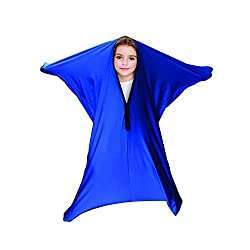
Body Sock – The body sock provides great sensory pressure. The person gets inside and can sit, walk, jump, roll, or move however. The stretchy materials lets them see through it as well. These can be really calming and are easy to transport. If you are tight on space for sensory items, definitely get body socks.
Super Large Tunnel – This tunnel is 3 feet wide and 12 feet long. I love that my big kids can fit in there and I can crawl in too if needed. Tunnels are great for relaxing and stemming. This one stores very easily.

Balance Board – This board is great for the sensory room or the classroom. It’s perfect for kids who like motion such as pacing, rocking, or wiggling. Personally, I find it very relaxing. Fun, portable, and easy to store.

Small Motor Sensory Room Items
TANGLE fidget toys – These toxic-free therapy tools are hours of fun. I love giving them to busy hands and minds. This is my all-time favorite hand fidget.

Liquid Motion Bubbler – I love these mesmerizing liquid tubes. They are often found calming and relaxing for people with autism. Also, great for entertainment, de-escalation or when used as a reward.

Sensory Table – Great to be used as a wet, water table alternated with a dry, sand table. I highly recommend one with a lid AND wheels. Trust me on this one.

Puffer Ball – The bigger the better for stress balls and this guy is 9 inches! Often very relaxing and engaging, these are great in the sensory room and the calm down corner.

Jelly Bead Balls – Fidget balls for stress relief and OT skills. Fun and relaxing as the user gets a bit of a hand massage from this fidget. Made for the hands but I have had students sit in chairs and use them on their sock feet. Very fun!

Alright, it’s time to head to your classroom and make things happen. To check out the tools Caroline uses to run her autism classroom, click here.


