


Adolescence, Depression, and Ways to Help
Adolescence, depression, and stress are words often associated with each other.
Adolescence, is a time of rapid change and transition, often marked by tumultuous emotions and difficult experiences.
For some young people, the stresses of this period can lead to depression.
Depression is a serious mental health condition that can have lasting effects on wellbeing and quality of life.
As a teacher, I have seen firsthand the impact that depression can have on adolescents.
The mental health struggles of youth present challenges that families and caregivers face in supporting young people who are struggling.
Let’s explore some factors that contribute to depression in adolescence, from biological and environmental factors to social and cultural influences.
Whether you are a parent, teacher, healthcare provider, you’ll learn insights and practical tools for supporting adolescents who are facing mental health challenges.
Please note that Amazon affiliate links appear throughout this post. This means I earn a small commission at no cost to you when you purchase.
Recognize early signs of depression in adolescence
Adolescence is a significant period of development for an individual, as they undergo various physical, psychological, and social changes.
For some adolescents, these changes can trigger feelings of sadness, anxiety, and hopelessness, which may eventually lead to depression.
It is essential to recognize the early signs of depression in adolescents to initiate timely intervention and prevent the condition from worsening.
Some common symptoms of depression in adolescents include
- persistent sadness
- loss of interest in activities they once enjoyed
- changes in appetite and sleep patterns, feelings of hopelessness
- difficulty concentrating
Parents, teachers, and caregivers must pay attention to these signs and seek professional help if necessary to provide the necessary support to the adolescent.
Talk openly and honestly about adolescence and depression
Open and honest communication is vital when it comes to helping adolescents with depression.
It is important to create a safe and supportive environment where they feel comfortable sharing their thoughts and feelings.
Encourage them to express themselves without fear of judgment or criticism.
Listen actively and show empathy, acknowledging their struggles and validating their emotions.
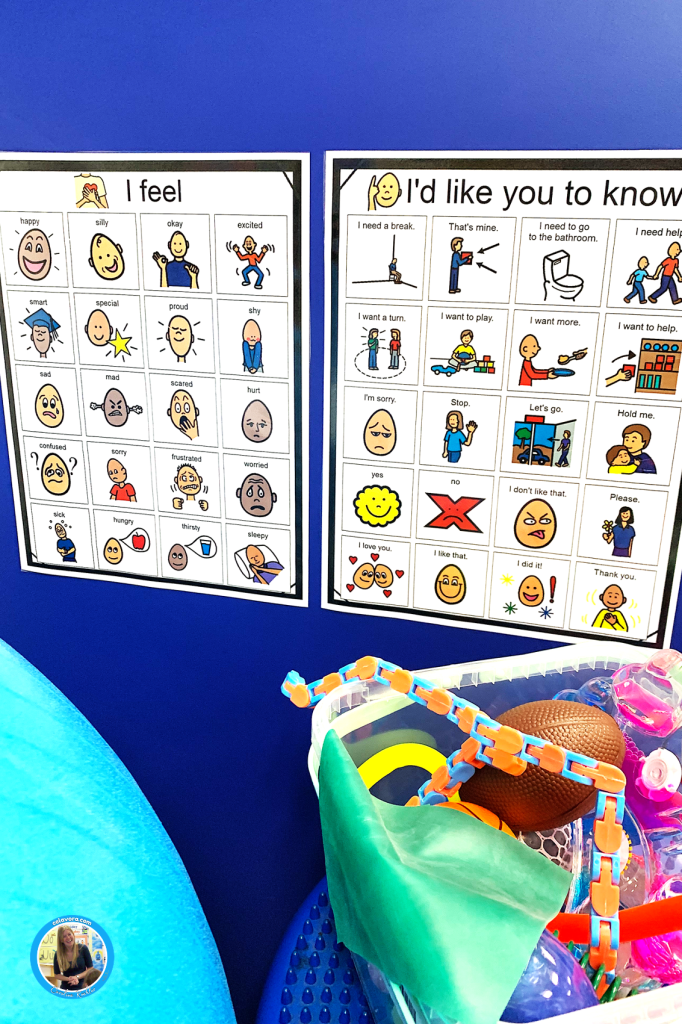
Use visual communication boards and feelings charts teaches adolescents how to communication their emotions.
Avoid minimizing their feelings or offering simple solutions, as this can make them feel misunderstood and unsupported.
Instead, help them explore their options and provide guidance without taking over.
By talking openly, you can strengthen your relationship with the adolescent and support them in their journey to recovery.

Encourage healthy coping mechanisms
Encouraging healthy coping mechanisms is an important step in helping adolescents overcome depression.
While it may be tempting to turn to unhealthy coping mechanisms such as substance abuse or self-harm, these will only exacerbate the issue in the long run.
Instead, it is important to help adolescents find healthy coping mechanisms that work for them.
This may include engaging in physical activity, practicing mindfulness and meditation, or finding creative outlets for self-expression.

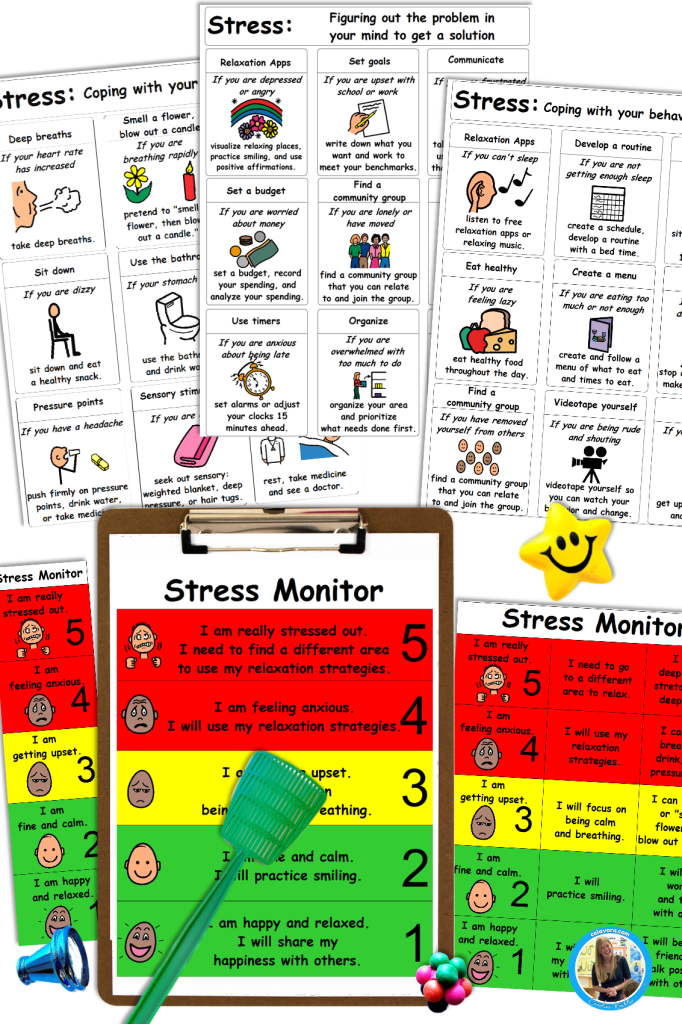
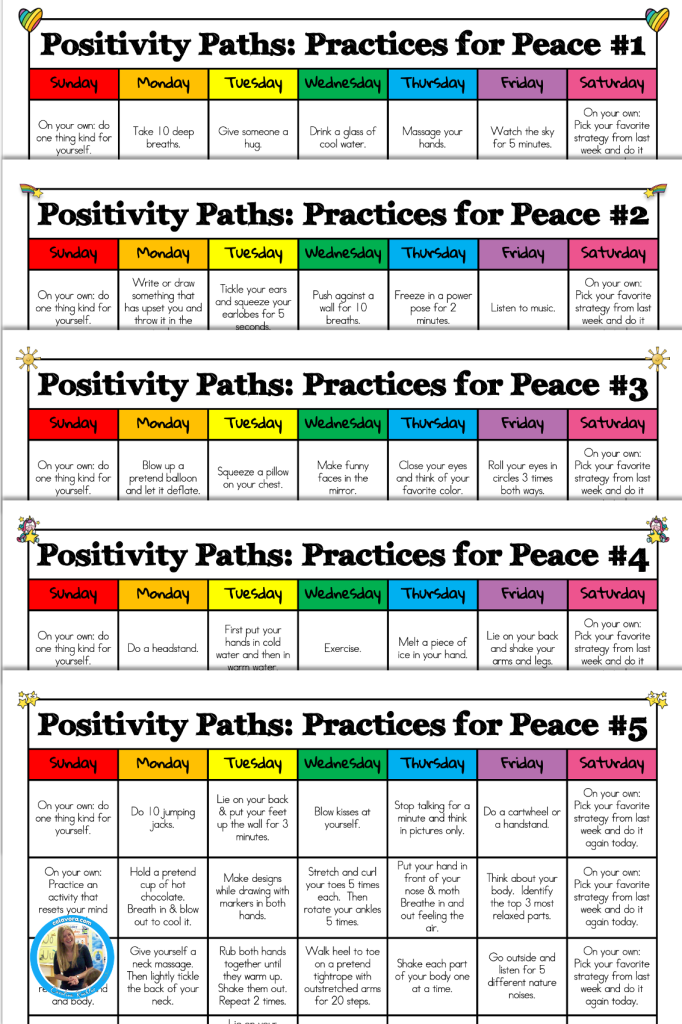
This can be done at home or in the classroom with 5 minute behavior coping activities.
I love doing mindfulness activities with all ages and benefit along with the students.
Encouraging healthy coping mechanisms can also involve helping adolescents build a support system of friends and family members.
These are the people who can provide emotional support and understanding.
By promoting positive and healthy coping mechanisms, we can help adolescents build resilience and develop the tools they need to manage their mental health in a positive and sustainable way.
Promote physical activity and exercise
Physical activity and exercise have been shown to be effective in improving mood and reducing symptoms of depression in adolescents.
Encouraging regular physical activity and exercise can be an important part of a comprehensive approach to helping adolescents with depression.
This can include promoting active hobbies, such as team sports or dance, and encouraging regular exercise routines, such as running or yoga.
In the classroom, add ways for students to move.
I love to add stretchy bands across the legs of student chairs for feet movement.
Also, if you have the funding, I highly recommend desks with bike pedals and elliptical.
In my experience the treadmill desks are a bit too loud but if you can find a quick one, let me know!
It is important to ensure that activities are enjoyable and suitable for the individual’s interests and abilities, in order to increase the likelihood of sustained participation.
Additionally, involving friends or family in physical activities can provide social support and increase motivation.
It is important to consult with a healthcare professional before beginning a new exercise routine, especially for individuals with pre-existing medical conditions or injuries.
Seek professional counseling if needed
Adolescence is a crucial stage in a person’s life as it is during this time that they begin to discover themselves and the world around them.
However, it can also be a challenging time as it is common for teenagers to experience various emotional issues, such as depression.
As a teacher, parent, or guardian, it is important to understand that depression is a serious mental health condition that requires proper attention and care.
While talking to your child and offering support may be helpful, it may not always be enough.
Seeking professional counseling is an option that should not be overlooked.
Professional counselors are trained to help teenagers navigate their emotions and provide them with the tools they need to overcome their depression.
They can also provide a safe and confidential space for teenagers to express themselves without judgment.
If you suspect that your child may be experiencing depression, it is important to seek professional counseling.
The sooner this is addressed, the faster they will receive the appropriate care and support.
This can sometimes occur through your student’s school as many schools are welcoming mental health agencies into their buildings.
Sometimes, a school counselor or school psychologist can also provide services.
Talk to your child’s teacher or principal to find out what services are available at your student’s school.
Address any bullying or harassment
Addressing bullying and harassment is crucial in preventing and addressing depression among adolescents.
It is important to create a safe and supportive environment for young people to thrive in, free from fear and intimidation.
Whether it is verbal, physical, or online, bullying and harassment can have a profound impact on an adolescent’s mental health and well-being.
It is important to take any reports of bullying or harassment seriously and investigate them promptly and thoroughly.
Schools and parents can work together to develop strategies for preventing bullying and harassment.
This includes implementing anti-bullying policies, promoting empathy and kindness, and providing counseling and support services for victims.
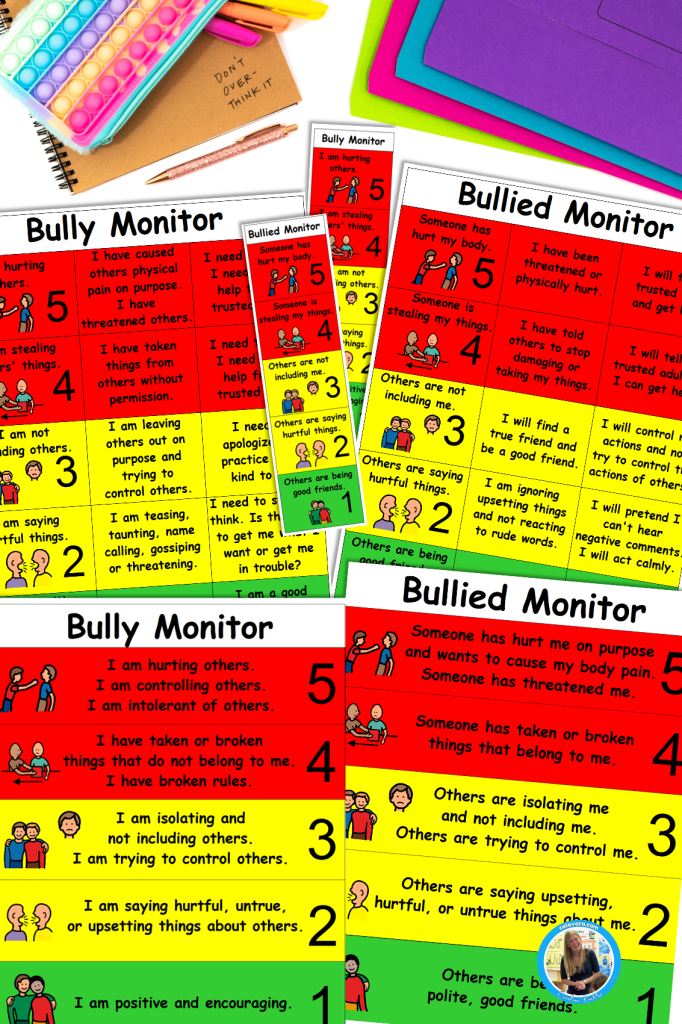
Use bully and bullying posters to help bring awareness to harassment.
Find out how your school addresses bullying including how to report bullying.
Many schools now how a bully hotline as a phone number or website link where bullying can be report.
Also, this report can be done anonymous.
By addressing bullying and harassment, teachers create a safer and more inclusive environment for all adolescents, helping to reduce the risk of depression and other mental health issues.
Provide adolescence depression supportive visual tools
Providing supportive visual tools can be an effective way to help adolescents with depression.
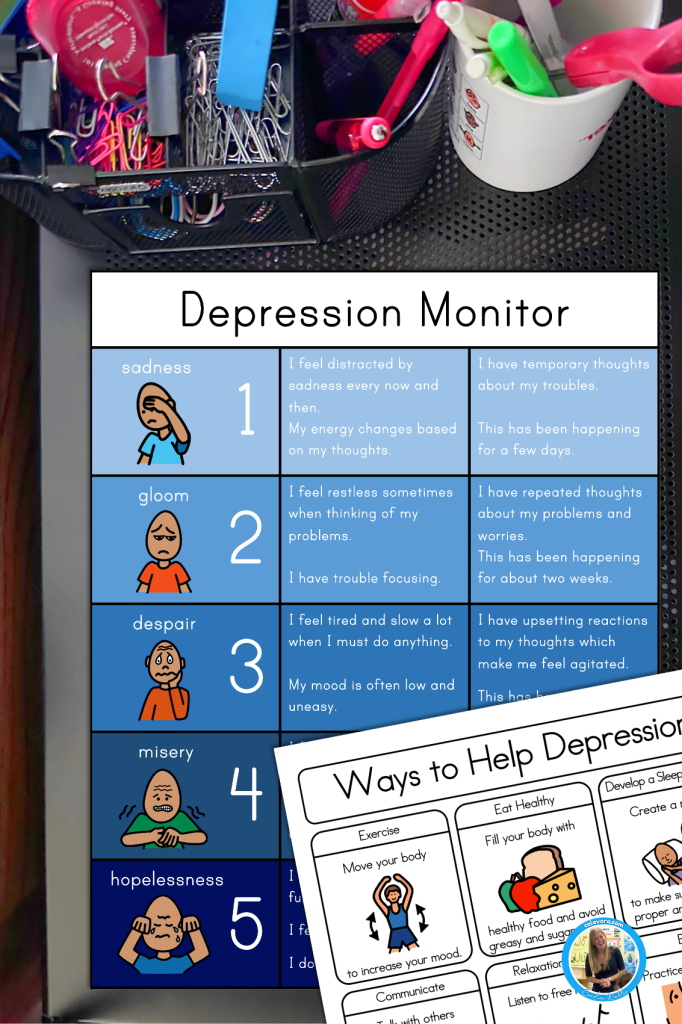
These tools can include graphs, charts, and diagrams that visually represent tools to help their mental health and recovery.
This allows adolescents to better understand their emotions and see the progress they are making, which can be motivating and boost their self-esteem.
Additionally, visual tools can be used to help adolescents identify triggers and coping mechanisms for their depression.
For example, a reflection chart can help them recognize patterns in their emotions.
Also, a coping skills chart can provide a list of activities to turn to when they are feeling down.
It is important to work with mental health professionals to develop and implement these visual tools effectively and in a way that is tailored to each individual’s needs.
Stay informed and stay involved
Staying informed and involved is crucial in helping adolescents with depression.
As a caregiver or healthcare professional, it is important to stay up-to-date with current research and guidelines related to adolescent depression.
This can help you provide the most effective and appropriate care for your patients or loved ones.
In addition, staying involved in the adolescent’s life can help identify warning signs of depression early on and ensure they receive the support they need.
This can include attending therapy sessions, staying in communication with the adolescent’s healthcare provider, communicating with teachers, and being an active participant in their treatment plan.
It is also important to stay involved in the adolescent’s school and social life to help identify any potential triggers or stressors and provide support and resources as needed.
By staying informed and involved, caregivers and healthcare professionals can play a crucial role in helping adolescents with depression overcome their challenges and achieve positive mental health outcomes.

Adolescence, Depression, and Help
In conclusion, adolescence is a crucial period in a person’s life, and it’s essential to recognize the signs of depression and take necessary steps to help those struggling with it.
By being aware and taking action, we can help teenagers overcome this challenging phase and lead a healthy and fulfilling life.
As parents, teachers, and caregivers, it’s our responsibility to create a supportive and nurturing environment.
The key is to encourage open communication and provides a sense of belonging.
With empathy, understanding, and professional help, we can help young people navigate their way through adolescence, depression, and life’s struggles to emerge stronger and more resilient.


