Example of IEP for Autism: Components and Best Practices
Creating an effective example of IEP for autism can feel overwhelming, but with the right resources, you can streamline the process and ensure student success.
Start with practical tools to simplify planning.
Then, examine the essential components of any IEP including those written for autism.
Next, focus in on goal-setting and documentation making sure to follow best practices including child first language.
Let’s take a peak at all of the tools I use to make this happen.

Understanding Present Levels of Performance (PLAAFP)
A strong IEP starts with a detailed Present Levels of Academic Achievement and Functional Performance (PLAAFP) section.
PLAAFP Example IEP Impact Statement Template helps you describe student strengths, challenges, and how their disability affects learning.
Use this template to organize data from assessments, classroom observations, and parent input.
Highlight specific skills in academics, communication, social interactions, and daily living.
Include measurable details like “Student identifies numbers 1-10 with 80% accuracy.”
A well-written PLAAFP ensures appropriate IEP goals and services.
This template saves time by providing structured prompts and sample statements.
It ensures compliance with legal requirements and best practices.
Educators can customize it to reflect individual student needs.
Having a clear PLAAFP helps align supports with student growth.

Gathering Input from Teachers, Parents, and Students
Collaboration is key when developing an IEP.
IEP Input Forms for Teachers, Students, and Parents provide structured ways to collect valuable insights.
Teachers can document observations about student strengths, needs, and behavior.
Parents can share home-based concerns, goals, and student preferences.
Students can express their own challenges and aspirations when appropriate.
Using input forms ensures well-rounded decision-making and family engagement.
These forms help identify support strategies that align with student needs.
They make IEP meetings smoother by presenting clear and organized feedback.
Providing multiple perspectives strengthens the IEP and fosters teamwork.
Input forms also promote transparency between educators and families.

Setting Measurable IEP Goals
Well-defined, measurable goals drive student progress.
IEP Goal Banks: Special Ed Goals for ELA, Math, Behavior, and Life Skills provide ready-made goals tailored to diverse student needs.
This resource includes academic, behavioral, functional, and life skill goals.
Each goal is written in a SMART format (Specific, Measurable, Achievable, Relevant, Time-bound).
Examples include “Student will follow two-step directions in 4 out of 5 trials.”
Having pre-written goal options saves teachers hours of work.
It ensures that goals align with student needs and instructional targets.
The variety of goals supports students across different developmental levels.
Using goal banks provides consistency in tracking progress and reporting.
It also helps align interventions with specific learning objectives.

Writing a Comprehensive Example of IEP for Autism
An IEP should be structured, clear, and comprehensive.
Special Education IEP Writing Help Guide Bundle offers guidance on writing effective IEPs for students with autism.
It includes step-by-step instructions for each IEP section.
Teachers can reference examples of well-written accommodations and modifications.
The guide clarifies legal requirements and compliance standards.
It helps ensure consistency and thoroughness in documentation.
Educators can streamline the writing process with pre-formatted templates.
Using this resource reduces stress and improves efficiency.
A well-structured IEP supports student learning and development.
This bundle is ideal for both new and experienced special educators.
Planning for Transition Goals
Transition planning is critical for students with autism as they prepare for adulthood.
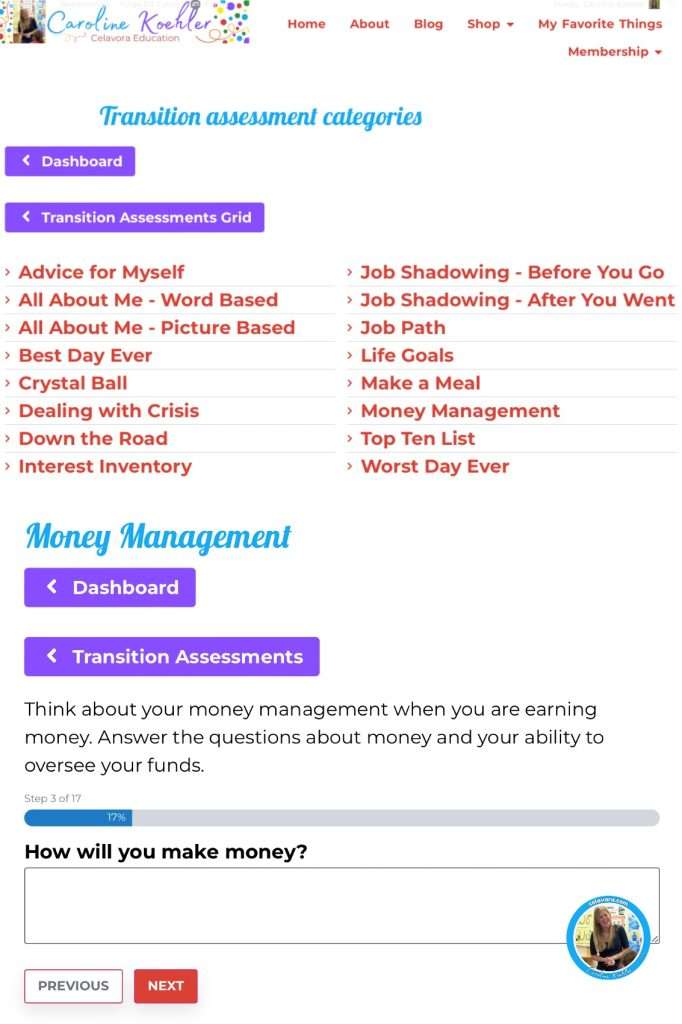
IEP Transition Assessments and Planning Pages help define clear post-secondary goals.
The resource includes assessments to identify strengths, interests, and skills.
Teachers can develop transition goals for independent living, work, and further education.
Examples include “Student will use public transportation independently 3 times per week.”
It includes checklists, questionnaires, and planning tools.
The structured format ensures transition goals are meaningful and achievable.
Using transition assessments fosters self-advocacy and independence in students.
It also promotes collaboration between educators, families, and support agencies.
Effective transition planning empowers students to succeed beyond school.

Customizing IEP Documents for Individual Students
Every student’s IEP should be unique and personalized.
Blank IEP Template PDF Printable Planning Guide provides a structured framework for customization.
Teachers can modify sections to fit student-specific needs.
It includes areas for accommodations, modifications, services, and goals.
Using a blank template allows flexibility while ensuring essential components are included.
It simplifies the process of organizing key information.
The printable format makes it easy to reference during meetings.
Educators can use it to create a working draft before finalizing the IEP.
This resource promotes clarity, organization, and professional documentation.
Having a customizable IEP template streamlines planning and collaboration.

Implementing Example of IEP for Autism Best Practices
Best practices improve IEP effectiveness and student outcomes.
Individualized Education Plan (IEP) Best Practices provides essential strategies for writing and implementing IEPs.
It offers insights into effective communication during IEP meetings.
Teachers learn how to set realistic, data-driven goals.
The guide explains progress monitoring techniques to track student success.
It includes examples of accommodations that support diverse learning needs.
Educators can reference checklists to ensure compliance with IDEA regulations.
This resource helps special education teams create high-quality IEPs.
Using best practices fosters a collaborative and student-centered approach.
It empowers teachers to advocate effectively for their students.
A well-implemented IEP sets students up for meaningful progress and success.

Example of IEP for Autism Supports
Writing a strong example of IEP for autism requires thoughtful planning, collaboration, and effective tools.
By using these resources, educators can simplify the process, save time, and create meaningful, legally compliant IEPs.
Download these IEP resources today to make your IEP writing process more efficient and impactful.
Check out SPED Up Paperwork for more tools and templates!
Don’t forget to grab your free IEP Checklist for Special Educators to stay organized and prepared!