How Teaching Songs Can Transform a Classroom
Finding creative ways to engage our students while educating them is a constant challenge but teaching songs 🎶 is a must do.
Music is one such tool that has proven to be an effective teaching method in the classroom.
Studies have shown that music plays a significant role in promoting learning outcomes.
Also, it can be a powerful tool for enhancing creativity and critical thinking in both children and adults.
Teaching songs is one way to enable learning while creating a fun, engaging environment for students. 🎤
Whether it’s through memorizing lyrics or understanding the song’s message, incorporating music into the classroom unlocks a world of possibilities.
Through song, students become more in tune with their emotions, gain valuable cognitive skills, and develop a strong sense of community.

Enhances student engagement
Teaching songs can significantly enhance student engagement in the 🎓 classroom setting.
Music is a universal language that transcends cultural and linguistic barriers, making it an effective teaching tool to increase student participation and comprehension.
Learning through music is a multisensory experience that stimulates multiple parts of the brain and aids in the retention of information.
Furthermore, music has been proven to reduce 😌 stress and anxiety, promote positive emotions, and create a more relaxed and enjoyable learning environment.
One of my favorite sing to learn lessons is “Crazy Color Creatures.”
I’ve lost track of the amount of students and adults I’ve introduced to the creatures but every single one fell in love with them.
Why?
Because they are fun, cute, and happy friends to teach about 🌈 colors.
Incorporating songs into lesson plans will create a more interactive and dynamic classroom.
Also, it will improve student motivation and interest towards the subject matter.
By leveraging the power of music, teachers can transform their classroom into an engaging and enriching educational experience for their students.
Develops social-emotional skills
One of the key ways teaching songs can transform a classroom is through the development of social-emotional skills in students.
Singing 🎼 together can create a sense of community and belonging among students, allowing them to form meaningful connections with their peers.
Moreover, it enables students to express themselves in a safe and non-threatening environment, which can help build their confidence and self-awareness.
Nursery rhymes and songs are an 👍 easy way to do this.
I use nursery rhymes in group times for my elementary and special education classes.
Giving them a choice board with songs to choose from helps them learn language skills and cooperation.
Also, it lifts everyone’s spirits! 🎉
Additionally, learning and performing songs can enhance their communication and collaboration skills through group activities and active listening.
Overall, integrating songs into the classroom empowers students with valuable social-emotional skills that they can carry with them beyond the classroom walls.

Improves language skills
Teaching songs in the classroom has been shown to improve 🗣️ language skills in students.
When children are encouraged to sing along with a song, they expose themselves to new vocabulary and grammatical structures in a fun and engaging way.
The repetition of phrases and lyrics in songs helps children to internalize new words and make connections between them.
Have you seen the singalong videos of today’s popular music on YouTube?
First, start with checking the lyrics for school-appropriate language.
Then, load the videos, project them in your classroom, and let the students sing whole group karaoke style.
Teachers can also use lyrics as a 🧰 tool for teaching specific concepts, like homophones, idioms, and figurative language.
By employing music as a teaching tool, educators can provide a dynamic and enjoyable learning experience.

Imparts knowledge and understanding
Teaching songs is a powerful tool that educators can use to impart knowledge and understanding in their classrooms.
Songs can convey information in a 🧠 memorable and engaging way, making it easier for students to absorb and retain new concepts.
Not only can songs help students to remember facts and figures, but they can also promote critical thinking skills and deeper understanding of complex topics.
I saw my 6th grade students with special education needs struggle with their multiplication facts.
But they could sing any song on the 📻 radio.
So, I created a set of easy to remember but catchy songs for each multiplication fact.
This made learning fun and practical.
There is one slight problem though…sometimes the songs get stuck in your head for days! 🤯
Enhances motor skills
One of the key benefits of teaching children songs is that it can enhance their motor skills.
When children sing, they tend to use their whole 💃 bodies to express themselves.
This is easy to see in the forms of dancing and swaying to clapping and snapping.
These physical movements help develop their motor skills, which are essential for their overall physical development.
Additionally, the rhythmic patterns in songs can help children to develop 🔎 spatial awareness and coordination.
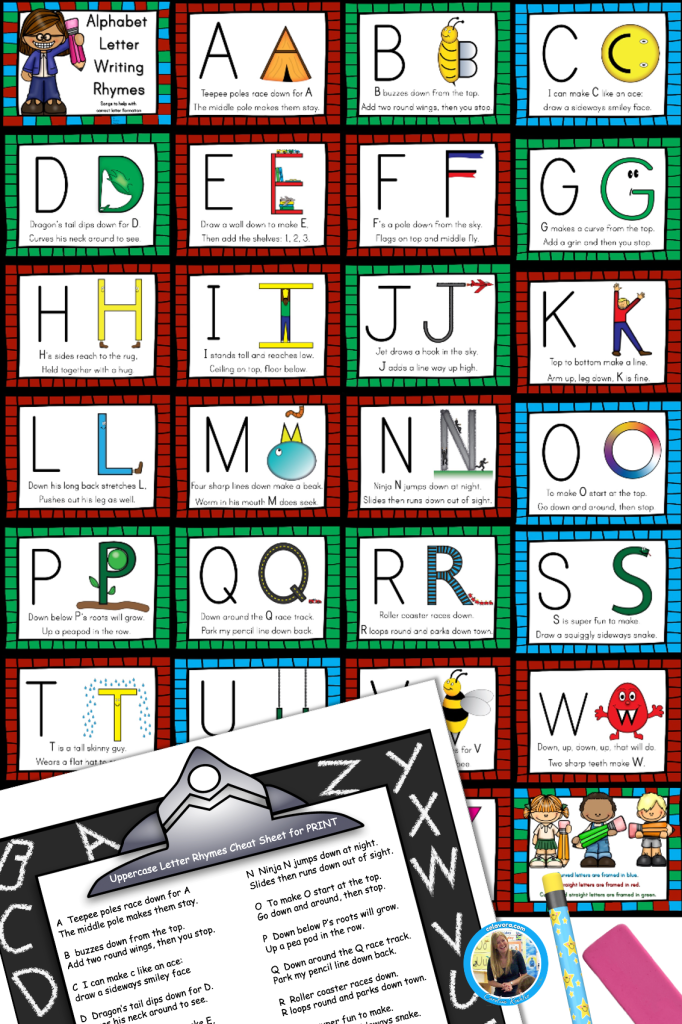
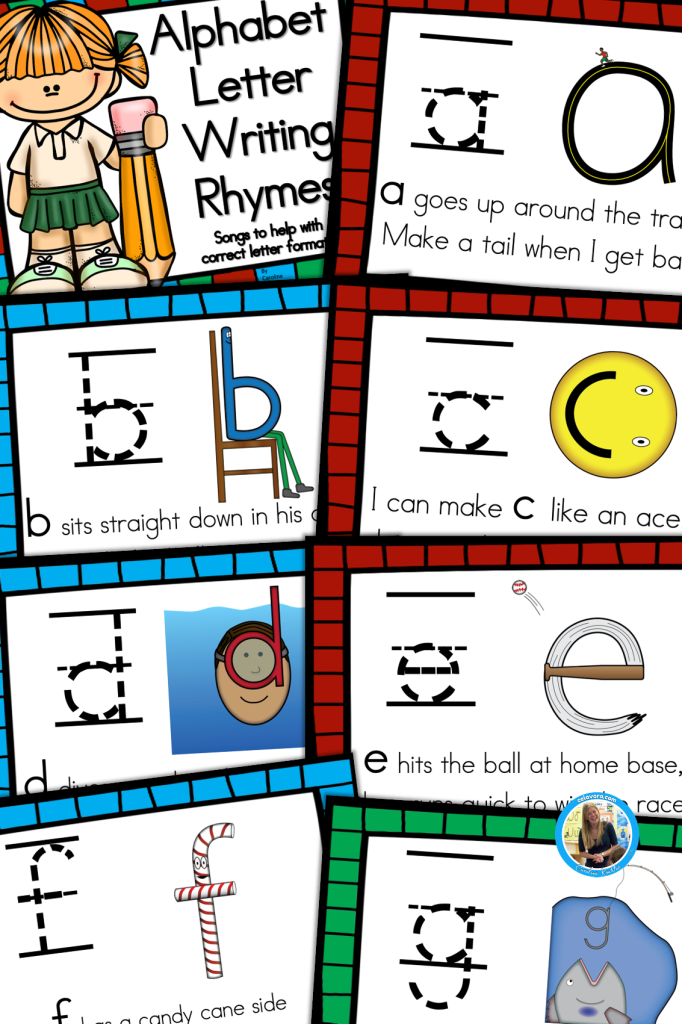
I saw this first hand when teaching kindergartners and students with special needs proper letter formation for the alphabet.
The letters often resembled the standard alphabet letter but the path the students took to get their was rough.
So, I started having them use their whole bodies to make letters and then turned it into songs and rhymes for correct ✍️ letter formation.
Their handwriting improved and there were less tears during writing time. From me and the students.
By incorporating movement in song and dance, teachers can create a learning experience that is both fun and beneficial for physical development.
In turn, improved motor skills can also contribute to children’s academic success.
This is because they will be able to better engage in classroom activities that require physical coordination and focus.

Strengthens memory
One of the most significant benefits of teaching songs in the classroom is that it helps 💪strengthen memory.
Research shows that music has a powerful and positive impact on memory retention in children.
By incorporating songs into lessons, students are able to learn and remember keywords, concepts, and important facts more easily.
The rhythm and melody of songs provide mental cues that can help students recall information.
This not only enhances their academic performance but also lays a strong 🧱 foundation for effective lifelong learning.
Want to give that a try?
I sure did! When I was teaching sight words, some kiddos just couldn’t 🎗️ remember the words.
But when I turned the sight word into a song that spells the word and has gross motor actions with it, learning exploded.
Now, I’ve used this set with learners who were academically advanced to those with cognitive disabilities.
Teaching songs for learning is helpful for all students and gives our days a little bit of ✨ sparkle.
With song-based learning, educators can promote healthy brain development and boost cognitive skills in students, yielding positive academic and non-academic outcomes.

Enhances creative thinking
Teaching songs in the classroom has been shown to have numerous benefits, including enhancing creative thinking.
When students are 📣 exposed to new and unfamiliar music, they are forced to think creatively and use their imaginations.
By learning the lyrics and melody of a song, students are also engaging their memory and critical thinking skills.
Additionally, singing encourages students to take risks and try n new things, which can lead to a boost in their confidence and creativity.
I had a student with a cognitive disability who would adhere to a lesson if I sang to her.
Fully embracing the role of the Disney teacher 👑 princess, I sang her morning meeting questions to her.
Then, I sang to her when I needed to follow a command.
I’m sure you can imagine that the assistants in the room got a bit tired of hearing my singing.
But it’s truly what this student needed to engage in the school world. 🌏
Incorporating music into lessons can also be a powerful tool for teachers.
It encourages students to develop their own unique learning style and approach problem-solving in innovative ways.
By enhancing their creative thinking skills, students are better equipped to tackle challenges and develop solutions, both in the classroom and beyond.

Promotes health and happiness
One of the major benefits of incorporating song teaching into a classroom setting is the overall classroom ☀️ climate.
By learning to sing and play songs, students can develop a deep appreciation for music, and integrate it more fully into their everyday lives.
Moreover, this approach can help to improve overall engagement and academic performance by promoting a fun and interactive learning experience.
Music brings joy and can turn a tiring job into an enjoyable one.
In my class for students with extreme needs, we practiced hygiene every day.
This involved toileting, hand washing, and teeth brushing. 🦷 🪥
Brushing teeth isn’t often considered fun but when you add Teeth Brushing Song about planes and trains, hygiene time becomes enjoyable.
The use of songs in the classroom enhances students’ lives in many different areas.

Supports student self-expression
Teaching songs can have a 👏transformative impact on a classroom.
One of the key benefits is that it supports student self-expression.
Through music, students can find ways to express themselves that may not be possible through traditional academic tasks.
It also provides a safe space for students to explore their identities and share personal stories with their peers.
As students become more comfortable expressing themselves through song, they may be more likely to share their 💭 thoughts and feelings.
This leads to better communication and a stronger sense of community within the classroom.
Overall, teaching songs can be a powerful tool for encouraging self-expression and promoting a positive learning environment.
To sum up, incorporating songs into the curriculum can have a profound impact on students’ learning and engagement in the classroom. 🏫
It enhances their language development, memory recall, and overall motivation to participate in class.
By harnessing the power of 🎸 music, teachers can create a dynamic and engaging learning environment that fosters creativity, critical thinking, and a positive attitude towards learning.
Whether it’s through traditional nursery rhymes or pop songs, teaching songs a fun, effective, and transformative way to enrich students’ educational experiences.