RTI in Special Education Practical Tools for Inclusion
RTI in special education starts with clear data and usable interventions.
Practical tools you can use right away and strategies to make a different with your students are key.
Screening, progress monitoring, and classroom intervention are all important pieces of RTI.
Take time to gather resources that will guide your intervention.
When you focus on the planning portion, time and energy are saved in the long run!
Let’s take a peek at some resources for your toolkit.

Quick Screening and Universal Data to Guide RTI
Start RTI with a quick universal screen to find students who need support.
The Special Education Teacher Input Forms speed teacher-collected screening information.
Send the form to general education teachers for a fast snapshot of skills.
Use the form to record attendance, academic concerns, and behavior notes.
Collecting consistent data helps you decide Tier 1 or Tier 2 placement.
These forms reduce missing data before your first RTI meeting.
Link to this resource for quick adoption: Special Education Teacher Input Forms.
Use short deadlines when you request the forms to keep momentum.
Summarize responses in a single sheet for easy RTI team review.

Identify the Need for RTI
RTI depends on frequent, simple progress monitoring measures.
The Functional Behavior Assessment Set gives structured observation tools.
Record antecedent, behavior, and consequence consistently across days.
Use the FBA grids to spot patterns before an intervention begins.
These grids support behavior-focused progress tracking for Tier 2 and Tier 3.
Share short charts with interventionists so everyone tracks the same data.
Get the set here: Functional Behavior Assessment Set.
Use the summaries to adjust interventions every one to two weeks.
Frequent small changes beat delayed big changes in RTI systems.

Designing Tiered Interventions Teachers Can Use
RTI works when interventions match student needs and are documented.
The Positive Behavior Support Plan Template helps you craft clear plans.
Use the template to list goals, replacement skills, and rewards.
Assign staff roles for implementation and data collection within the plan.
Keep plans short and specific to improve fidelity of implementation.
Use the sample plans as models for common behaviors across students.
Link to the editable plan: Positive Behavior Support Plan Template.
Review each plan weekly and tweak steps based on your data.
Clear plans let paraprofessionals deliver interventions consistently.

Progress Monitoring Tools to Keep RTI Moving
The Progress Monitoring of IEP Goals for Students’ Progress Report bundle provides editable tracking sheets and clear rubrics to support behavior-based IEP goals under RTI.
As you implement RTI in special education, you can use this set to collect interval data or random sampling throughout the school day.
You’ll find forms like “Off Task Observation,” “Independent Work Monitor,” and “Coping Skills Progress Monitor.”
Use the charts to document growth, compare behavior before and after interventions, and make decisions about moving students among RTI tiers.
The editable formats (PowerPoint and Google Slides) make customizing goals easy for individual students.
This tool helps you show clear evidence in progress reports or IEP meetings when a student meets, partially meets, or has not met a goal.
It saves you time by providing well-designed logs and grids rather than starting from blank sheets.
Visual and Cue Tools that Support RTI Implementation
Visual supports make interventions easy to use in any classroom.
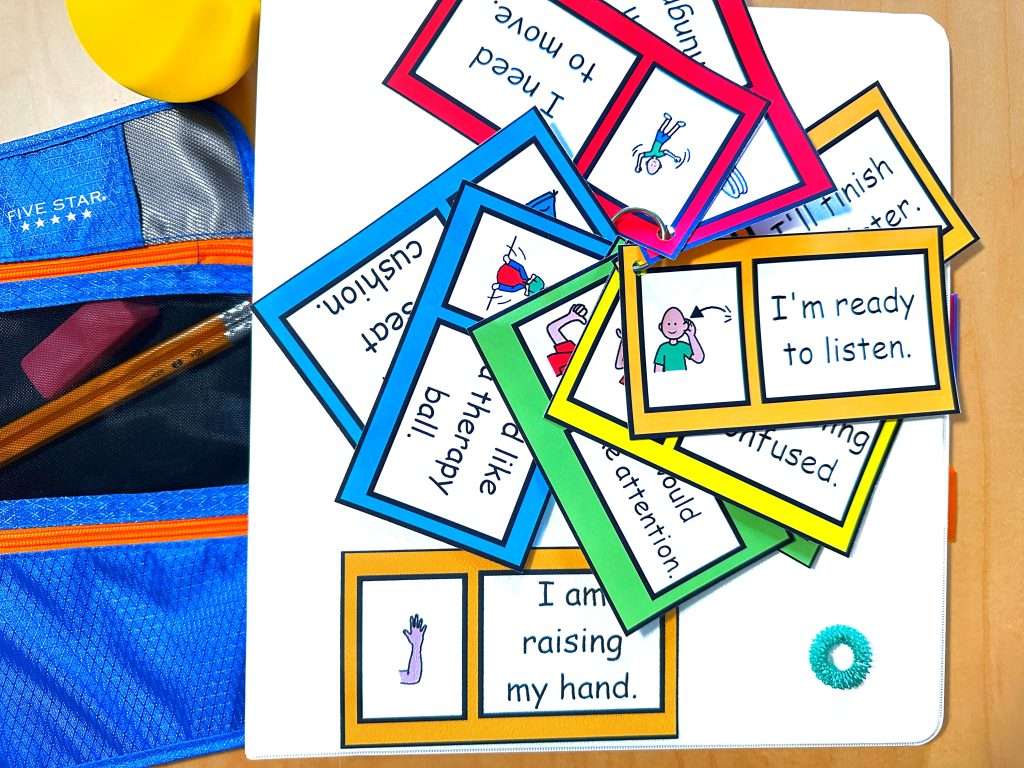
Behavior Visuals Lanyard Cue Cards let adults prompt without disrupting lessons.
Wear the cards on a lanyard for instant visual reminders during transitions.
Use a specific card for a strategy tied to the intervention plan.
Students learn to respond quickly to established visual signals.
These cues support Tier 2 check-ins and Tier 3 individualized prompts.
Find them here: Behavior Visuals Lanyard Cue Cards.
Teach students the meaning of each card with brief practice sessions.
Visuals reduce verbal overload and speed student response during lessons.
Tier 1 Practice: Games That Build Skills for Everyone
Tiers succeed when universal instruction meets targeted practice.
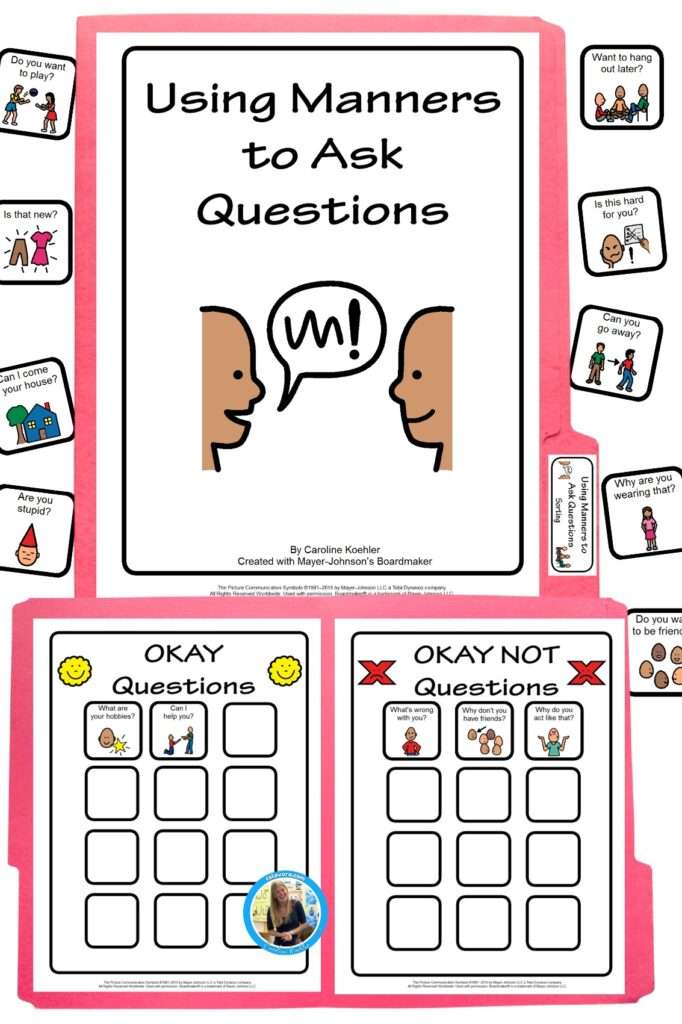
File Folder Games give engaging practice for core skills during centers.
Use the games for quick interventions during Tier 1 small groups.
Differentiation is easy by changing prompts or time limits.
Paraprofessionals can run these games with minimal prep.
These materials support literacy and numeracy foundations across grades.
Get the collection here: File Folder Games.
Rotate games weekly to prevent boredom and track skill gains.
Use quick five-minute checks to measure who needs Tier 2 support.

Social-Emotional Tools to Strengthen RTI Outcomes
RTI succeeds when students can regulate and engage during instruction.
Social Emotional Learning Resources teach skills that support academic growth.
Use visuals and mini-lessons to teach calming and perspective-taking skills.
Embed SEL routines into morning meetings and transitions for practice.
Students with better regulation respond faster to Tier 1 instruction.
Share SEL tools with families so strategies stay consistent at home.
Find SEL supports here: Social Emotional Learning Resources.
Use short role-plays to practice social strategies in real contexts.
Track SEL skill growth as part of your RTI progress monitoring.

Behavior Interventions and Coping Strategies for RTI
Effective RTI plans include self-regulation strategies in every tier.
The Behavior Interventions: Self-Regulation Coping Strategies pack offers tools.
Use the coping toolbox items for quick, student-selected calming choices.
Pair coping strategies with goal-setting in a Tier 2 plan.
Teach the strategy, practice it, then prompt it when stress rises.
Track which strategies each student prefers and which reduce incidents.
Access the resource here: Behavior Interventions: Self-Regulation Coping Strategies.
Integrate these approaches into daily routines for consistent practice.
When students master coping, academic gains often follow quickly.
Making RTI in Special Education Work
Using targeted tools makes RTI in special education practical and manageable.
Screening, progress monitoring, and clear interventions drive success.
Each resource here reduces teacher workload and improves student outcomes.
Start small with one tool and build the system that fits your team.
Visit my shop to see examples and ready-to-use materials for RTI.
Download these resources today and make RTI in special education easier tomorrow.