Special Education Schedule Template and Ideas
Creating an effective schedule for a special education classroom is a critical component in ensuring that both students and staff have a structured and productive day.
A well-planned schedule helps cater to the diverse needs of students.
This provides them with the stability and routine they need to thrive.
The key elements of planning schedules for students, teachers, and assistants is structure and consistency.
Special education teachers must choose appropriate, engaging activities.
A well-organized special education schedule template can make this process seamless.

Start a Special Education Schedule Template
A well-crafted schedule can be a game-changer.
It helps students with special needs navigate their day with confidence and clarity.
Whether you’re a seasoned special education teacher or new to the field, having a reliable schedule template can simplify your planning process.
Your daily schedule ensures that all necessary activities and routines are incorporated efficiently.
Create an effective schedule using a special education schedule template that is ever evolving.
Your schedule will never stay the same as needs and activities change.
So first, start with a base template so your classroom runs smoothly and your students receive the support they need.

Planning Your Students’ Schedule
When planning a schedule for your special education students, it’s essential to consider their individual needs and the overall classroom dynamics.
Start by identifying the key components of a successful day.
This includes academic instruction, sensory breaks, social skills training, and life skills activities.
Each student may have unique requirements, so it’s crucial to personalize the schedule as much as possible.
Using a special education schedule template allows you to map out the day block by block.
I prefer to lay out the activities in 15-minute increments.
Begin with the non-negotiables, such as arrival and dismissal times.
Then, fill in the blocks with various activities and lessons.
Ensure that there are consistent routines in place, as predictability can significantly reduce anxiety for students with special needs.
For example, having a set time for morning meetings, lunch, and end-of-day reflections can provide a comforting structure.
Additionally, incorporate grade level inclusion needs or interventions, which are common in special education settings.

Planning Teachers’ and Assistants’ Schedules
Effective collaboration between teachers and assistants is vital in a special education classroom.
Planning the schedules of classroom assistants requires careful consideration.
The key is to maximize support for students while also ensuring that staff have time for preparation and professional development.
A comprehensive schedule template can help in assigning duties and managing time efficiently.
Start by outlining the primary responsibilities of each staff member.
This includes direct instruction, one-on-one support, behavior management, and administrative tasks.
Use the template to allocate specific times for these activities, ensuring that there is adequate coverage throughout the day.
First, include arrival and departure times of all assistants.
Then, work on scheduling everyone’s lunch.
Lunch breaks are important because it turns into a delicate balance of who can be gone from the classroom while others are left covering.
Next, make sure to assign certain assistants directly to students and activities.
For instance, while the teacher might be leading a group lesson, an assistant could be working individually with a student who needs extra help.
It’s also important to schedule regular check-ins and planning periods for staff.
These sessions allow for discussing student progress, planning upcoming lessons, and addressing any concerns.
By using a shared template, all staff members can stay on the same page, leading to a more cohesive and effective team.

Choosing Special Education Schedule Activities
Selecting the right activities for your special education schedule is crucial for addressing the varied needs of your students.
A balanced mix of academic, social, and functional activities can create a well-rounded day that promotes learning and development.
Academic activities should be tailored to the individual learning levels and goals of each student.
Incorporate a variety of instructional strategies, such as hands-on learning, visual aids, and technology, to engage students and accommodate different learning styles.
Additionally, plan for small group or one-on-one sessions to provide targeted support.
Social activities are equally important in a special education setting.
Include structured playtime, group projects, and social skills training to help students develop communication and interpersonal skills.
Life skills activities, such as cooking, personal hygiene, and money management, are essential for fostering independence and preparing students for life beyond the classroom.
Using a special education schedule template, you can easily organize these activities throughout the day.
Ensure that there is a balance between high-energy and calming activities to maintain student engagement and prevent burnout.
Sensory breaks and relaxation periods should also be incorporated to help students regulate their emotions and stay focused.
Keep a list of activities that your classroom has done and file it with your schedule template.
When you are updating or changing your special education schedule, refer to this list for ideas.
Adjusting Special Education Schedule
Creating a well-structured schedule for a special education classroom can be a challenging but rewarding task.
By utilizing a comprehensive schedule template, you can ensure that all aspects of your students’ educational experience are thoughtfully planned and executed.
From planning individual and staff schedules to selecting the right activities, a well-organized schedule can make a significant difference in the success of your classroom.
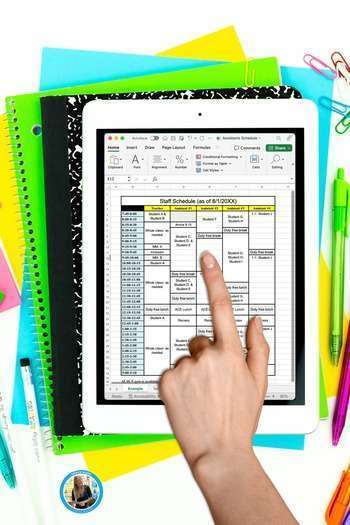
Always record the date of the schedule so that you and your staff know which is the most recent.
Post the daily schedule in areas for all to see (older schedules get recycled).
Schedules enhance collaboration among staff, and provide your students with the stability and support they need to thrive.
Embrace the use of a special education schedule template to streamline your planning process.