7 Keys to Answer What’s Classroom Management?
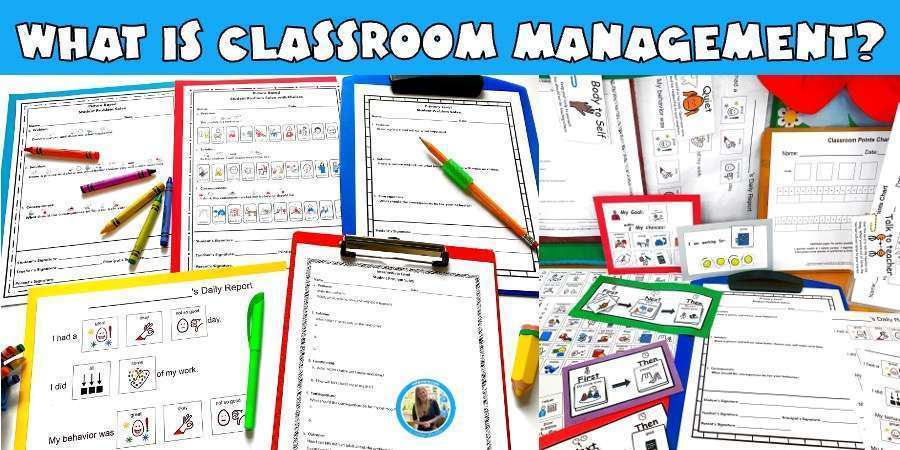
New teachers often ask, “What’s classroom management and how can I create a plan for my students?” 🤔
It’s a simple question but one that requires thought and preparation.
Classroom management plays a critical role in the success of both students and teachers.
An effective classroom management plan helps create an environment that is conducive to learning, facilitates effective discipline and provides structure for students.
Without a plan, chaos can easily ensue, leaving both students and teachers feeling frustrated and overwhelmed.
I’ve seen it in classrooms and it’s not a pretty sight. 🫣
With this in mind, it’s important for teachers to have a comprehensive strategy for classroom management.
I’ve found seven keys to an effective classroom management plan.
We’ll explore the importance of each key, tips for implementation and the benefits of having such a plan in place.
By the end of this post, teachers will have a better understanding of how to create an effective classroom management plan that works for their classroom.

Establish Clear Rules and Expectations
Establishing clear rules and expectations is 🗝️ key to successful classroom management.
By providing a positive, structured schedule with clear rules and expectations, you will create an environment of respect and understanding.
Visuals can be used to reinforce the rules and expectations, making them easier to understand and follow.
With a well-defined plan in place, you will be well on your way to a successful and productive school year! 🥳
I recommend posting positively worded procedure posters and discussing the procedures in depth with your students.

Utilize Positive Reinforcement
The second key to an effective classroom management plan is to utilize positive reinforcement while being consistent and fair with discipline.
Creating a positive atmosphere in the classroom starts with setting a schedule, providing clear rules and expectations.
But we all know that behavior that is reinforced is behavior that continues to occur.
When a student behaves in a way that is in line with the expectations, reward that behavior with positive reinforcement.
This can be done in a variety of ways, such as with verbal praise or incentives like the behavior bragging badges in the picture above. 🏆
On the other hand, when a student misbehaves, be sure to be clear, consistent, and fair with discipline, as this can help instill a sense of respect among students.

Use Visual Aides for Classroom Management
The third key to an effective classroom management plan is to use 👓 visual aides.
Visuals are an excellent way to make sure all students understand the positive expectations and rules in your classroom, and to help keep everyone on track.
Monitoring controls for all sorts of behaviors are some of my most used tools. 🧰
I use these to motivate students to make positive decisions. Below are a few of my most used ones.
- Volume Control
- Work Monitor
- Bully Monitor
- Wellness Check
- Safety – Suicide Monitor
- Stress Monitor
- Speed Monitor
- Stealing Monitor
- Truth Monitor
- Respect Monitor
Visuals can also be used to provide positive reinforcement when expectations are met.
When students see that their hard work and good behavior is being acknowledged, it encourages them to keep up the good work.

Allow for Student Input
An effective classroom management plan must include the opportunity for student input.
When students feel they have a say in the classroom, they become more invested in their 📝 learning and are more likely to abide by the rules.
Give students the chance to provide their feedback and ideas to the classroom, and provide visuals that illustrate the consequences of not following the classroom rules.
I love giving students the gift of choice by providing them with 👍 two choices that are acceptable.
This lets them feel in control but helps me guide them to make choices to support their growth.
Student surveys throughout the school year are wonderful as well.
This gives students the chance to see that the teacher values their thoughts and opinions.
I give surveys out at least 3 times a year.
And let me tell you what: I LOVE reading them! ❤️
By allowing student input in your classroom management plan, you will create a positive atmosphere of respect and collaboration.

Classroom Management – Monitor Student Behavior
The fifth key to an effective classroom management plan is to monitor student behavior.
This can be done in a positive, encouraging way that fosters a sense of belonging and community in your classroom. 🤗
There are many different ways to do this.
A set of behavior charts that work can be a game changer. 🎯
Many early childhood and kindergarten classrooms use green, yellow, and red sticks or cards to signify behavior.
Some elementary classrooms use Class Dojo or a whole class incentive to have a fun period at the end of the week. 🎊
Secondary classrooms sometimes provide a grade for behavior to encourage a positive classroom management plan.
By monitoring your students’ behavior in a positive and organized way, you can create an effective classroom management plan.

Communicate with Parents to Strengthen Classroom Management
An effective classroom management plan should include 📣 communicating with parents and guardians in a positive manner.
Keeping parents informed will help create a sense of partnership and trust.
Additionally, having parents know the schedule, rules, and expectations will help create clear boundaries for students.
This could be done through a weekly newsletter, a fast daily report home (see above), or a virtual classroom. 📰
Making sure to communicate with parents in a positive and effective way will help create an environment where everyone is on the same page.

Develop a Rapport with Students for Classroom Management
Establishing a positive rapport with your students is key to having an effective classroom management plan.
A great way to accomplish this is to greet each student at the door every day with a friendly hello. 🙋♀️
Additionally, use humor and be encouraging whenever you can.
Give students the opportunity to move, fidget, and wiggle.
If you are teaching toddlers or seniors in high school, remember that their bodies were made to move.
Check out some of my favorite movement tools for fidgeting and large motor movements here.
Your sanity and your students will thank you!

Have a Predictable Daily Schedule
Having a predictable daily schedule and preparing students for upcoming events can be vital to ensure a positive learning environment.
By creating a daily schedule, students can become familiar with the expectations and the classroom routine.
Many students, including those with special education needs, find comfort in predictable routines.
This will help them feel more comfortable and secure, as they know what to expect.
Additionally, notifying students of any known changes in the typical day will give them time to adjust and make any necessary preparations.
This will help to keep the classroom running smoothly and productively.
Communicating about the daily classroom schedule also helps students learn to trust the teacher and feel comfortable at school.
This helps bring down any social emotional barriers and allows your students to learn freely.

Make Learning Fun
An important key to an effective classroom management plan is to make learning fun.
Positive reinforcement is essential to learning and classroom success.
Use rewards, incentives, and positive reinforcement to let your students know they’re doing a good job. Incorporate active learning and hands on lessons to keep students engaged and motivated.
When students are having fun and learning at the same time, it makes for a more effective learning environment.
Additionally, listen what your students are interested in and figure out how to incorporate their interests into your lessons.
This could be as easy as playing music that they are interested in during free time or talking to them about their favorite YouTuber.
More challenging ways to bring students to their learning is to create thematic lessons around trending movies or shows.
Whatever you pick, make it fun and convey to the students that you see them and care about what they care about.
With a combination of fun and structure, you can create a successful and enjoyable learning environment for your students.
Allow for Opportunities for Growth
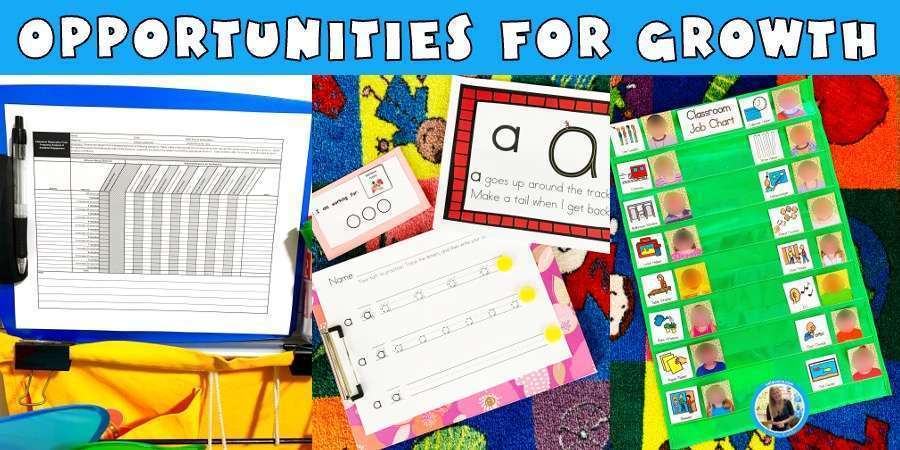
The final key to answering what is classroom management is to allow for opportunities for growth.
A positive environment that shows students that they set backs are opportunities for learning is essential.
In addition, it’s important to give students the chance to practice and reinforce the material they learn.
Providing opportunities for growth gives the students a chance to practice the skills they’ve learned and gain confidence in their abilities.
This will not only help them to succeed in the classroom, but it will also help them to develop into well-rounded, confident individuals.
In conclusion, having an effective classroom management plan is key to having a successful classroom.
It is important to create a positive learning environment where students can feel respected and safe, as well as being able to learn at their own pace.
By focusing on the seven keys of classroom management, teachers can create a productive, positive learning environment for their students and ensure that their students reach their fullest potential.
This helps teachers answer the question of, “What’s classroom management” so they can get to the fun part of teaching: teaching!