Behavior Charts in the Classroom to Enhance Student Success

Using behavior charts in the classroom is an effective strategy to support students’ behavioral growth.
These charts serve as a visual aid to track and improve student behavior.
With the growing concern for student well-being and achievement, behavior charts have become a valuable tool for educators to promote positive behavior and create a conducive learning environment.
Let’s explore how teachers can utilize behavior charts to enhance student success.
I love using behavior charts to implement behavior plans and document progress monitoring for IEPs.
Using effective behavior charts can lead to a positive and supportive learning environment for our students.

Printable behavior charts
One valuable tool for promoting positive behavior in the classroom is the use of printable behavior charts.
These charts provide a visual representation of students’ progress and can be customized to target specific behaviors or goals.
By using a behavior chart, teachers can track and reinforce positive behaviors, while also addressing areas where improvement is needed.
The visual aspect of these charts can be particularly effective for students.
They can see their progress and feel a sense of accomplishment when they reach their goals.
Additionally, printable behavior charts serve as a communication tool between teachers and parents.
This allows for ongoing collaboration and support in reinforcing positive behavior both in the classroom and at home.
With their versatility and effectiveness, printable behavior charts are a valuable resource for enhancing student success in the classroom.

Interactive behavior charts
To further enhance student success in the classroom, educators can consider incorporating interactive behavior charts.
Unlike traditional paper-based behavior charts, interactive behavior charts utilize technology or moveable pieces.
These charts often come in the form of apps or online platforms that allow students to track their own progress and receive immediate feedback.
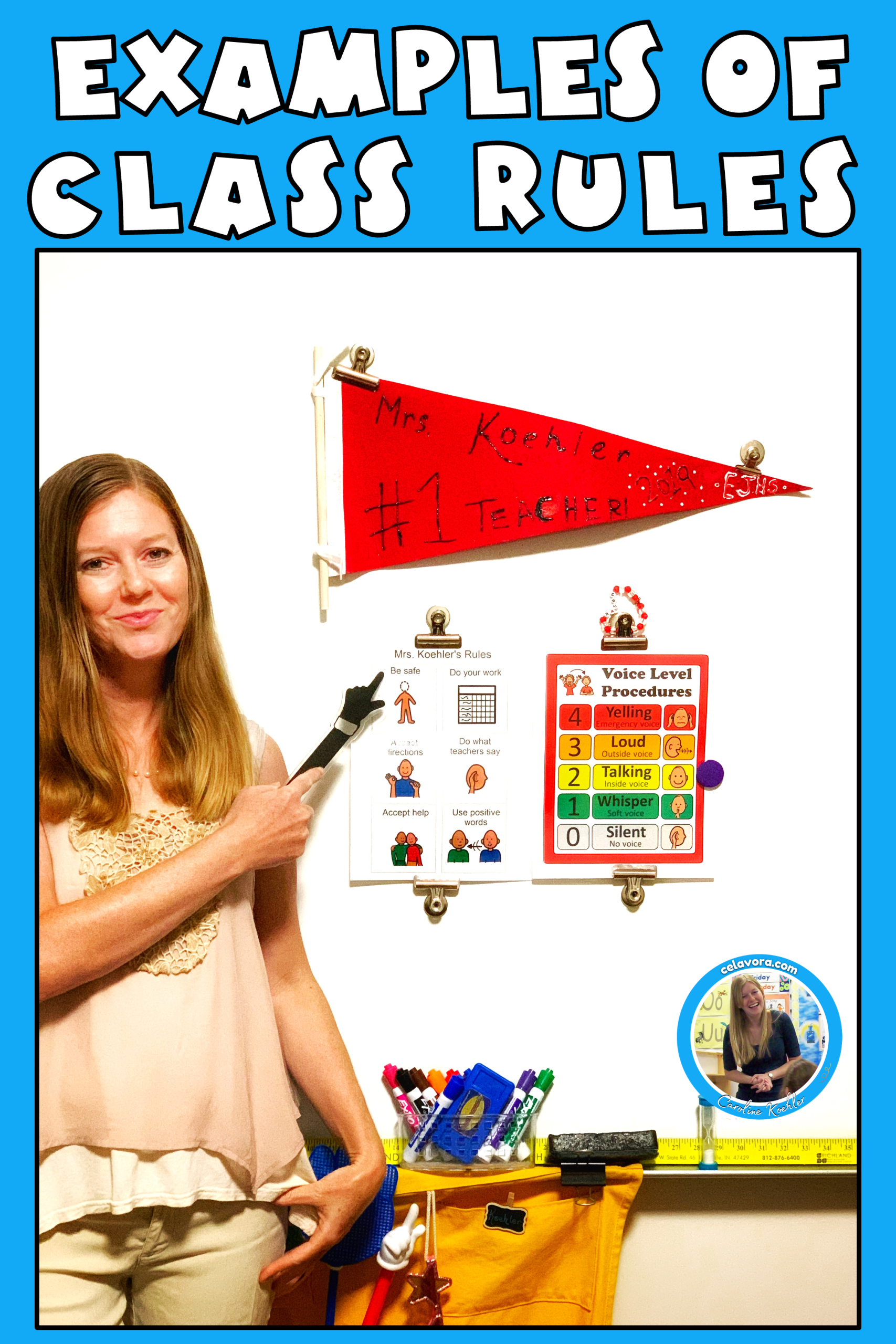
They can also be printed charts with pieces that are added or removed like the picture above.
With interactive behavior charts, students can set personalized goals, earn virtual rewards, and monitor their own behavior in real-time.
This level of interactivity empowers students to take ownership of their actions and fosters a sense of responsibility and accountability.
Additionally, interactive behavior charts offer the opportunity for teachers to provide personalized feedback and interventions based on individual student needs.
Interactive behavior charts provide a dynamic and engaging tool to support positive behavior and enhance student success in the classroom.

Reward charts
Utilizing reward charts in the classroom is a valuable strategy to promote positive behavior and enhance student success.
These charts provide a visual representation of progress and accomplishments, allowing students to track their own behavior and strive for improvement.
By setting specific goals and offering rewards for meeting them, reward charts provide students with a sense of motivation and accomplishment.
Whether it’s earning points, stickers, or privileges, the act of rewarding students for their efforts reinforces positive behaviors and reinforces the importance of responsibility and accountability.
Moreover, reward charts also encourage a sense of community and collaboration, as students can cheer each other on and celebrate their collective achievements.
Overall, incorporating reward charts in the classroom can create a supportive and engaging environment that fosters student growth and success.

Sticker charts
Sticker charts have proven to be a highly effective tool in promoting positive behavior.
With sticker charts, students are able to visually track their progress and accomplishments.
Using stickers a student is drawn to provides them with a sense of ownership and responsibility for their actions.
By setting clear behavioral goals and offering stickers as rewards for meeting these goals, students are motivated to exhibit positive behaviors consistently.
Also, sticker charts serve as a tangible representation of the students’ efforts and achievements, serving as a source of pride and motivation.
The simple act of receiving a sticker for a job well done can significantly boost a student’s self-esteem and confidence.
Sticker charts are great because they focus solely on the positives.
Additionally, sticker charts create a sense of camaraderie among students, as they can share their successes and cheer each other on.
In this way, sticker charts not only enhance individual student success but also promote a supportive and collaborative classroom community.

Use charts to encourage behavior change
Research has shown that utilizing charts in the classroom can be an effective strategy to encourage behavior change and enhance student success.
By visually representing their progress and achievements, students are able to see the direct correlation between their actions and the desired outcomes.
This visual feedback serves as a powerful motivator, as students strive to reach their goals and earn recognition for their efforts.
With charts, teachers can set clear expectations and provide students with a concrete roadmap for behavior improvement.
Whether it’s tracking daily attendance, completing assignments on time, or displaying positive behavior, charts offer a visual reminder of the desired behaviors and provide students with a sense of accomplishment as they make progress.
By incorporating charts into the classroom, teachers can foster a positive and goal-oriented learning environment.
Behavior charts in the classroom empower students to take ownership of their actions and ultimately enhance their overall success.

Incorporate rewards and incentives
Behavior sheets just won’t work without incorporating rewards and incentives into the use of behavior charts in the classroom.
By offering tangible rewards or incentives, students are motivated to actively engage in positive behaviors and strive for improvement.
These rewards can vary from small tokens, such as stickers or classroom privileges, to larger incentives like special outings or recognition ceremonies.
The key is to align the rewards with the individual goals and interests of the students, ensuring that they are meaningful and enticing.
By incorporating rewards and incentives into the use of behavior charts, teachers create a positive reinforcement system.
This not only encourages desired behaviors but also fosters a sense of excitement and achievement among students.
Consistently track behavior and progress
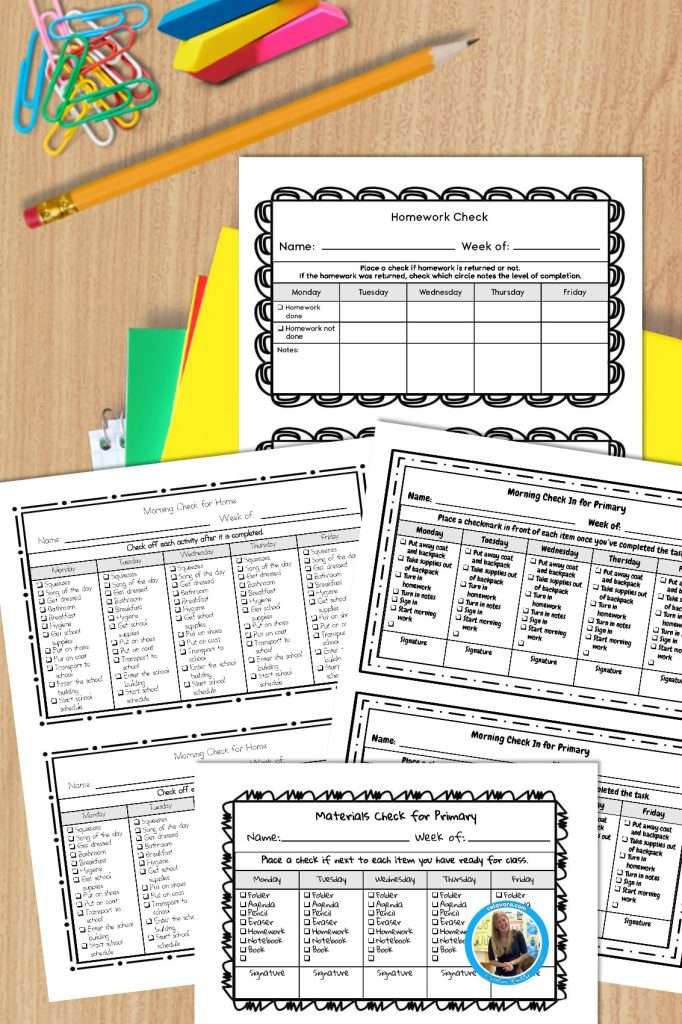
A crucial aspect of using behavior charts in the classroom to enhance student success is consistently tracking behavior and progress.
Regularly documenting and monitoring student behavior allows teachers to identify patterns, track improvements, and address any areas that may require additional support.
By keeping a record of behavior, teachers can provide personalized feedback to students, highlighting their successes and areas for growth.
Tracking progress also enables teachers to adjust strategies and interventions as needed.
This is important to ensure that students are receiving the necessary support to reach their full potential.
Consistently tracking behavior and progress promotes accountability and continuous improvement.

Encourage self-reflection and self-monitoring
Self-reflection and self-monitoring are crucial components of effective behavior management.
By providing opportunities for students to reflect on their own behavior, they can develop a deeper understanding of their actions and their impact on themselves and others.
This can be achieved through activities such as journaling, goal-setting exercises, or class discussions.
Encouraging students to monitor their own behavior allows them to take responsibility for their actions and make conscious choices to improve.
Behavior charts become more than just a tool for tracking progress – they become a catalyst for personal growth and development.

Communicate with parents and guardians
Effective communication with parents and guardians plays a vital role in supporting student success and maintaining a positive classroom environment.
Regularly sharing updates and progress reports with parents provides them with valuable insights into their student’s behavior and academic performance.
Behavior charts in the classroom are excellent tools to send home nightly or weekly.
Teams can discuss them at parent-teacher conferences, in emails, or at special education meetings.
Consistent communication home establishes an open line of communication where parents feel comfortable reaching out with any concerns or questions they may have.
By fostering a strong partnership with parents and guardians, we can work together to ensure each student receives the support they need to thrive academically and socially.

Be consistent and follow through
Consistency and follow-through are key factors in promoting positive behavior and enhancing student success in the classroom.
It is important to set clear expectations and consistently reinforce them to create a structured and predictable learning environment.
When students know what is expected of them and understand the consequences of their actions, they are more likely to make positive choices.
Additionally, following through with consequences and rewards consistently helps students understand that their actions have consequences and reinforces the importance of accountability.
If you say it’s a reward, mean it.
Also, if you say it’s a consequence, mean it.
By being consistent and following through with established behavior expectations, teachers can create a foundation for a productive and harmonious classroom environment.
Overall, behavior charts can be a useful tool in the classroom to promote positive behavior and increase student success.
However, it’s important for teachers to use them in a way that is tailored to each individual student and their specific needs.
By setting clear goals and consistently reinforcing positive behavior, behavior charts can be a powerful tool in creating a positive learning environment.
Remember, every child is unique and may respond differently to behavior charts.
So, be open to adapting your approach and always prioritize the well-being and growth of your students.
Together, we can create a supportive and successful environment for all using behavior charts in the classroom.