First Week of School Activities for Special Education Classes
First week of school activities for special education classroom are often challenging to find and as diverse as IEPs.
However, it’s important to approach this week with a thoughtful strategy, my fellow educators!
While it’s tempting to dive into a whirlwind of excitement, we must remember that too much stimulation can lead to a tiring day and set an unfavorable tone for the year ahead.
I prefer to take a gentle approach and plan with intention.
Focus your planning on activities that not only help establish daily routines but also incorporate essential assessment elements.
Here’s my approach.

First Week of School Activities for Special Education
When I start the school year, my primary focus is teaching students the essential procedures and rules in the classroom.
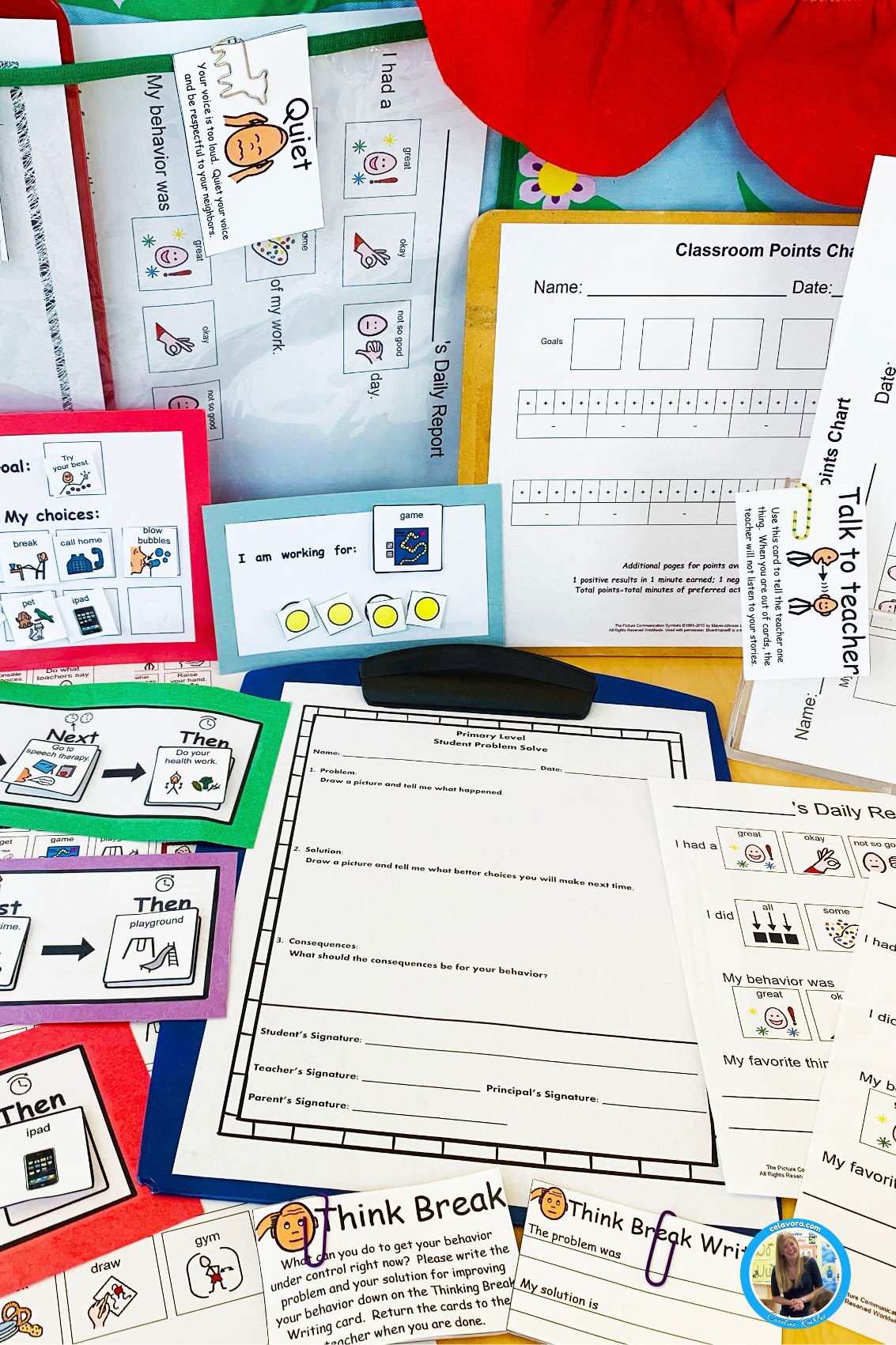
I utilize visual posters to enhance understanding, and I actively demonstrate the rules through role-playing.
This approach clearly outlines both the expected behaviors and those to avoid.
To reinforce these rules, I take the learning experience on the road with a tour of the school.
We begin by visiting key locations, starting with the nearest restroom, which is especially important for students who may not have easy access in the classroom.
The tour flows seamlessly from our classroom to various indoor areas, including
- office
- nurse’s station
- library
- music room
- art room
- gym
- cafeteria
When we visit the cafeteria prior to lunch, I guide students through the lunch line, showing them where to sit and eat.
This familiarization makes the actual lunch period run much smoother.
When it comes to outdoor areas, I emphasize the importance of knowing which doors to use for exiting the building.
I also highlight the drop-off and pick-up zones for car and bus riders.
One of the highlights of the tour is visiting the playground, where I explain the boundaries and give the students some time to play and explore.
This touring experience is also a fantastic opportunity for students to meet important staff members, such as
- speech pathologist
- occupational therapist
- physical therapist
- principals
- janitor
- nurse

I make sure to inform these staff members in advance so they can greet the students with a friendly wave.
Do not skip this part!
Even if you have students from the past year or those who are familiar with the school building, discuss rules and procedures.
First Day Strategies for Special Education Teachers
For first week of school activities in special education, my primary goal is to establish a supportive environment for my students.
A big part of that is getting to know them better.
One effective method I use is to take photos of each student, which I can later use around the classroom.
I always have my phone handy for capturing beginning of the year pics.
Typically, I schedule this for the end of the day during free playtime, when the kids are relaxed and ready to engage.
I use my attendance sheet to call each student over individually.
After taking each snapshot, I make sure to check that their eyes are open and they’re smiling brightly.
Later, I type their names onto the photos and print them out.
These pictures serve multiple purposes in my classroom.
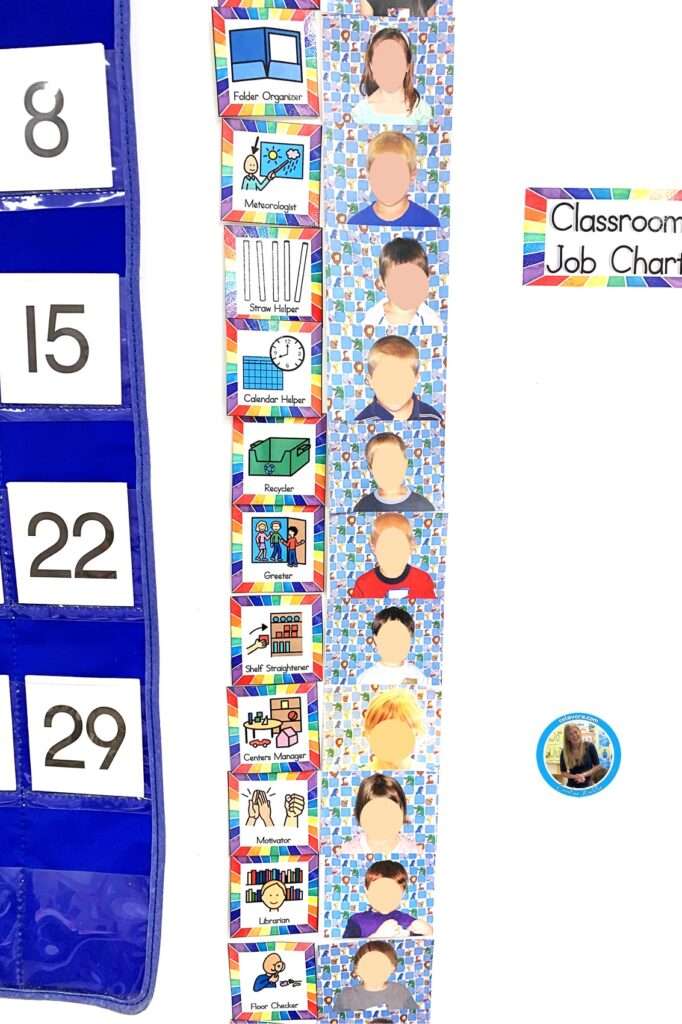
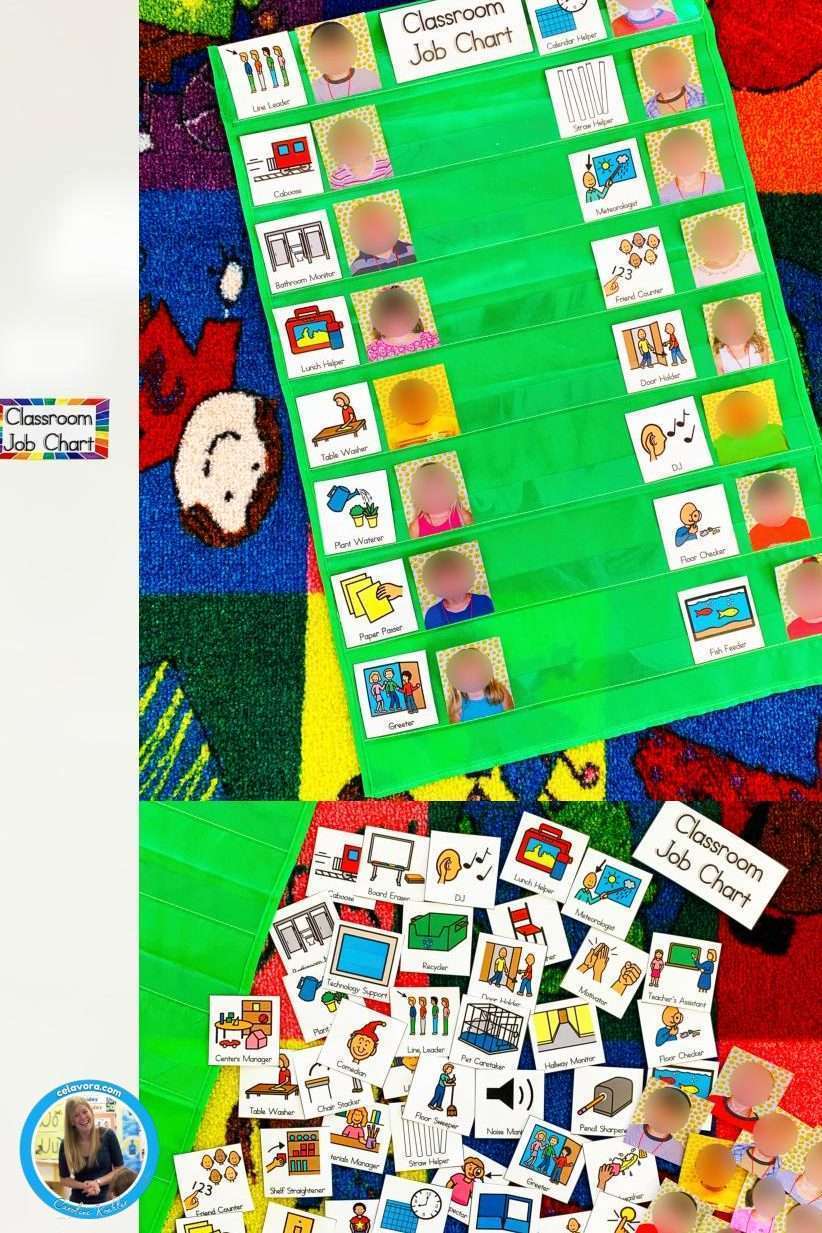
Most importantly, I have them ready for the following day to create a jobs chart, where students can see their roles clearly.
I find that printing on sturdy cardstock—yellow is my go-to color—without lamination helps me complete this task quickly and efficiently.
Next on my agenda is to print duplicate copies of the student photos for my menu and attendance charts.
This not only reinforces academic skills but also provides me with no-prep activities throughout the year.
It’s a major time-saver!
Also, I save these images on my computer, allowing me to easily add photos for any new students who join later.
Even if I don’t have the photos ready yet, I kick off my helper chart with various classroom activities right from day one.
I explain the different roles in detail and assign tasks to students as I go.
The kids are always excited about having responsibilities, and I relish the extra help in the classroom!

What Activities Can You Do with Students in Special Education?
Getting the beginning-of-the-year assessment out of the way is a wonderful tool I use for the first day of special education.
I love a good baseline, and nothing is more telling than what students can do on day one.
For this I use a simple assessment with a rubric to score my students’ successes.
Using this same assessment quarterly lets me document growth easily.
This sit-down activity shows me multiple things and only takes about 30 minutes.
I love having this as the first formative assessment item I put into my students’ portfolios.
I’ll also use this information to establish goals and document progress monitoring.
This activity needs to be done in small groups or 1-1.
I read the instructions aloud to the group.
Directions that I’m reading include name writing, writing letters, writing words, and writing numbers.
On the back, I ask the students to draw a picture and write about it.
I know that some students will be unable to complete the tasks, including writing their name.
Because of this, I’ll use a pen to write a student’s name at the top to keep track of whose paper it is.
I do the same thing for students whose names were written, but I cannot read it.
If I’m feeling ambitious, I’ll also give a color word assessment the first week.
I make sure this is copied and ready to go just in case I need a filler.
Probably, this assessment won’t happen with the activities for the first day of special education, but I like to have it ready if the opportunity presents itself.
First Day of School Ideas for Special Education Teachers
Starting group time is a must for the first day of special education.
I begin this by assigning everyone a spot on the rug.
Then, I explain that their spot is where they come to sit when it’s circle time and that sometimes their spots might change.
Next, I write my morning message on the board.
In my best teacher voice, I read it aloud and point to each word while reading.
Then, I discuss capital letters and have some volunteers come up and circle the letters.
Afterward, I have the students complete the Who is Here graph.
I usually use pictures for this, but this won’t be available during the first day of special education because I haven’t taken the pictures yet!
So I grab my sticky notes with or without words (students’ names) to place on the whole group chart.
Remember how I said the first thing I’m working on for activities for the first day of special education was procedures?
That’s the point of the graph.
I’m asking the students to practice getting up and down from their spot, come to the board, and add to the graph.

Then I do the same thing with my lunch menu chart.
Let the lunchbox students put their pictures on the lunchbox column.
If I have an assistant, I have them pull lunchboxes out of backpacks (make sure they are labeled!).
These are placed either in front of my cubby area or in a laundry basket by the classroom door.
This strategy lets my students easily grab their lunchbox as we leave the classroom.

Lesson Plans for the First Week of School Activities and Lesson Plans
A curriculum map is vital for success and staying on pace in my classroom.
I use this as a starting point for the first week of activities in special education.
My curriculum map has all the things for each week: the big book, letters and sight words, supplemental books, poems, and important dates.
When I use my curriculum map, lesson plans for the first day and beyond fall into place easily.
My curriculum map hangs on my front wipe-off board all year long.
It’s my best friend as far as pacing guides go.
Looking at the curriculum map, I have the skeleton for my lesson plans for the first day of special education ready to go.
Look at the picture above, and you’ll see it under the red magnet man.
For the start of the school year, I grab my favorite: The Crazy Color Creatures.

This set has a week-long lesson plan with it, so I’m ready to go using that guideline.
Taking a peek at my curriculum map also reminds me that I’m working on student name recognition and the poem Jack Be Nimble.
Changing the name to each student’s name while giving them the chance to jump over a candlestick (alright, so it’s a wooden building block) is a fun transition to line up for the whole week.
Special Education First Week of School Activities
I’ve already said that procedures and rules are the most important thing for the first day of special education.
This is only second to returning all of my students safely to each family.
To help with this I get my “time to line up” line ready to go.
To help stifle first week chaos, it’s important to have a designated area for lining up ready to go.
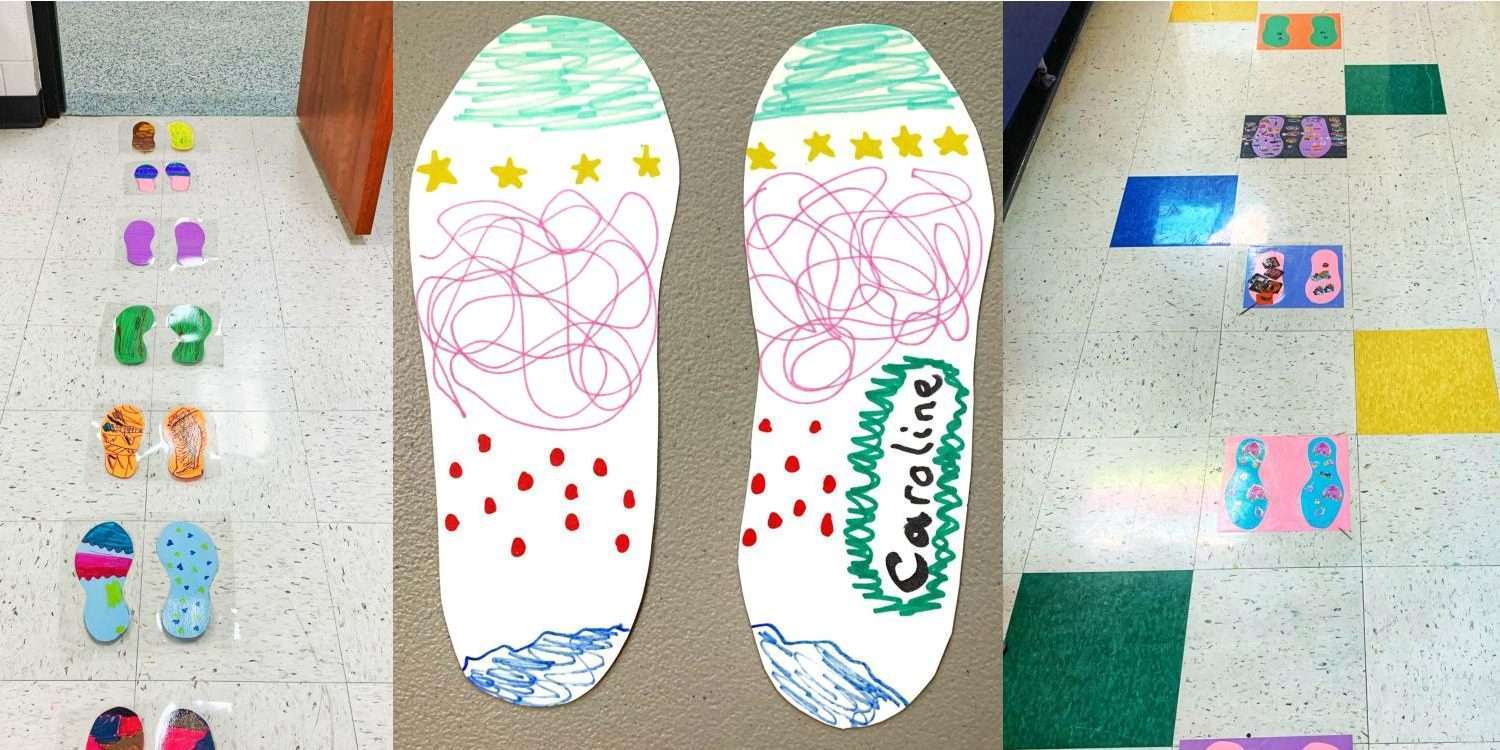
One engaging activity I like to do on the first day involves tracing the students’ feet.
I use a washable black marker to minimize any mess on shoes and construction paper.
First, I trace each child’s foot, marking both the left and right.
Then, I write their name in pen on the underside of the right heel.
After tracing, I hand the paper back to the students so they can personalize their shoes.
They can use various materials such as markers, stickers, crayons, and stamps to express their creativity.
Once they finish decorating, I collect the papers and prepare them for my sneakiest classroom management strategy.
I carefully cut out each shoe and laminate them side by side, as if the students are standing with their feet shoulder-width apart.
Using clear packaging tape, I secure these cutouts to the classroom floor in the order of the lineup.
This way, when it’s time to line up, each child knows exactly where to stand.
The only exceptions to this arrangement are the line leader and the caboose, which I rotate daily.
Throughout the year, I also refresh the shoe cutouts since they tend to get worn.
It’s a fun and simple activity that I like to incorporate after school breaks.

Morning Meeting for Special Ed
Next up for first day fun, first week of school activities, and every day is morning meeting.
The morning meeting sessions provide a 15-minute daily opportunity for them to share personal information.
During morning meeting time, students practice important details such as their names, addresses, phone numbers, birthdays, ages, parents’ names, and gender.
What’s truly impressive is the flexibility of this approach.
It accommodates a diverse range of learners, from those with mild to more significant disabilities.
Teaching safety information is essential for our students in special education.
It gives students the tools to share their personal information confidently with others.
This small group time also provides valuable opportunities for collaborative learning and positive interactions, which help students develop essential social skills needed to thrive in the world.
Some key social skills we emphasize include
- Taking turns
- Engaging in conversations
- Maintaining eye contact
- Staying seated during activities
- Responding when addressed
- Participating in group activities
- Managing their volume levels
This list represents just a starting point for the vital social skills required for successful engagement in society.
A simple activity like morning meeting in special education effectively nurtures these skills in a daily, secure environment.

Easy First Week of School Activities
Sometimes, we need a little bit more ideas on how to fill time.
The first day is a lot and the next couple of days are only a tiny bit easier.
So, what can you do if you need fillers while you learn the students and their IEPs?
- sensory time
- puzzles
- snack time
- hygiene (toileting, hand washing, brushing teeth)
- songs
- calendar
- file folder activities
- read aloud
- task boxes
- computer time
- community walks
- playdoh
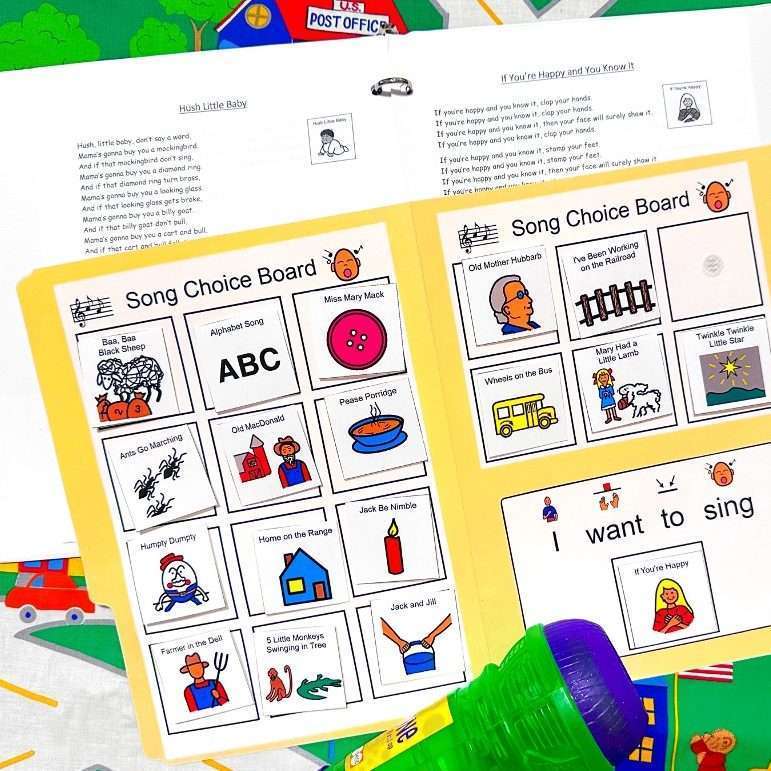
As you head to your special education classroom for the first week of school activities, remember that a thoughtful approach can set the stage for a successful school year.
By prioritizing activities that establish routines and support assessment, you’ll create a positive and structured environment that meets the diverse needs of your students.
Take it one step at a time, and don’t forget to celebrate the small victories along the way.
Just because the activities are easy to plan doesn’t mean they aren’t meaningful and fun for your students.
Give yourself grace and chances to adjust as your class grows.
Here’s to a great start to the first week of school activities and a fulfilling year ahead!