Crisis Plan Template Tools for Safety
For special educators, facing behavioral challenges is a daily reality, and preparation with a crisis plan template can make all the difference.
With a reliable crisis plan, educators can manage unpredictable situations effectively and help students feel secure.
A solid crisis plan template isn’t just for emergencies; it’s a proactive approach to ensure smoother, less stressful days for everyone involved.
The right tools can save valuable time, ensuring educators spend less time scrambling and more time teaching.
Key resources help educators build a highly effective crisis plan and show how plans save time while supporting students.

Student Behavior Crisis Plan SEL Student Intervention and Mental Health Template
The Student Behavior Crisis Plan Template is an all-in-one resource for creating a personalized crisis plan for each student.
This template helps you map out potential triggers, de-escalation techniques, and crisis response steps in a straightforward format.
Designed specifically for special educators, it’s structured to save time by providing a clear framework for crisis situations.
This template allows you to streamline crisis planning by capturing essential details in one organized document.
Instead of piecing together strategies from multiple sources, you’ll have everything documented and accessible.
You can easily create a custom plans from scratch using a sound crisis plan template.
When a crisis arises, you can immediately refer to the plan and act quickly and consistently.
Fill out the template with information specific to each student, including known triggers, effective de-escalation techniques, and supportive interventions.
During IEP meetings or team discussions, use the template to establish a shared understanding and make sure everyone follows the same steps.
This resource prevents duplicated effort by keeping everything organized in one place.
With a ready-made structure, it cuts down planning time, allowing you to focus more on student engagement and learning rather than on crisis management.

Behavior Intervention Plan Template: A Tool for Consistent Support
The Behavior Intervention Plan Template is a crucial tool for crisis preparation and behavior support.
This template allows you to create targeted, individualized behavior plans with proactive and reactive strategies for each student.
By documenting these strategies in advance, you’ll be prepared for challenging behaviors without losing valuable time figuring out how to respond in the moment.
A Behavior Intervention Plan (BIP) sets clear expectations and provides specific responses to behavior challenges.
Ultimately, the goal is to help reduce crisis events over time.
When everyone on the team follows the same intervention plan, consistency improves, leading to more positive outcomes for students.
Fill out the template with targeted interventions and responses tailored to each student’s needs.
Use it during team meetings to develop cohesive strategies, or update it as the student progresses to refine your approach.
Also, attach it to student’s IEPs or cumulative files.
By having interventions already mapped out, you’ll spend less time reacting and more time focusing on positive student interactions.
Consistent use of this plan can also reduce the frequency of crisis events, allowing for a calmer, more predictable classroom environment.
Social-Emotional Learning (SEL) Check-In Tool
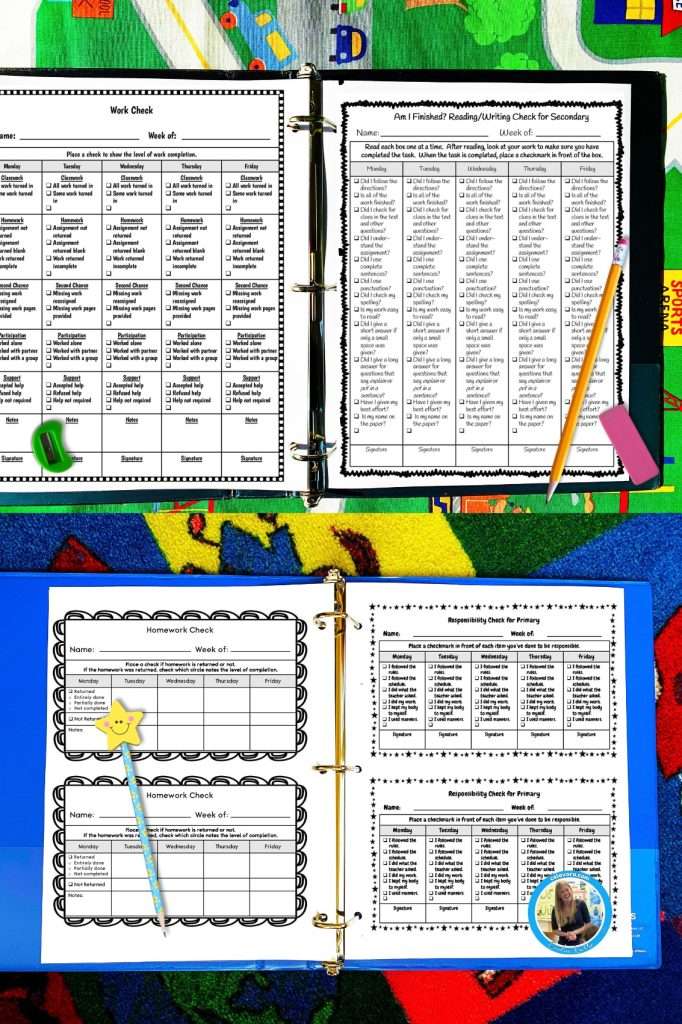
The SEL Check-In Tool offers a structured way for students to express their emotions and needs at the start of each day.
Regular check-ins help identify emotional states that might lead to a crisis, allowing you to intervene early and support students proactively.
By fostering self-awareness and emotional regulation, this tool can reduce the frequency of crisis situations in your classroom.
This resource is easy to integrate into your daily routine.
Have students complete a quick check-in each morning to gauge their mood and identify any concerns early.
By addressing issues before they escalate, you save valuable time that would otherwise be spent on crisis management.
Over time, consistent SEL check-ins promote a supportive, emotionally aware classroom environment, leading to fewer disruptions and more focused learning.
Consider adding tools like the SEL check in to a student’s crisis plan.
These visual supports can be very beneficial for long term success while also provide valuable progress monitoring data.

Self-Regulation Printables
Calm Down Printables are a set of visual aids and activities designed to help students manage their emotions independently.
By creating a dedicated space in your classroom with these printables, students can use self-regulation strategies before they reach a crisis point.
Utilizing calm down printables is simple, which include visual guides for breathing exercises, movement breaks, and grounding techniques.
Explicitly teach calming exercises to students.
This can be done in all settings: whole group, small group, and one-to-one.
Weaving calming and relaxation strategies into the start or end of lessons is a great strategy.
Also, while transitioning calm down printables provide a good grounding point.
Once students are able to practice these self-regulation tools during non stressful time, they can be used for crisis management.
When students feel overwhelmed, have them begin practice self-soothing skills, reducing the need for intensive intervention.
This gives students with the tools they need to self-regulate or regulate with less assistance.

Meltdown Support Strategies
Meltdown Support Strategies provide targeted resources for students on the autism spectrum who may experience meltdowns.
Crisis plan template sets are often helpful for students with autism.
Autism meltdowns are often uncontrollable events brought about by sensory overload.
Visual tools can help ease or, sometimes, prevent meltdowns from occur or being devasting.
This includes visual aids, sensory supports, and structured routines to help students feel safe and grounded during potentially overwhelming moments.
By preparing for meltdowns with proactive strategies, you can reduce the intensity and duration of these challenging episodes.
These resources should be included within crisis plans as guides for communicating with students.
Crisis plans need structure for direct communication in a calm and understanding way.
Students need help feeling supported rather than isolated.
Using these strategies, educators and support staff can effectively de-escalate situations before they turn into crises.

Creating an Effective Crisis Plan Template
Creating an Effective Behavior Crisis Template requires a guide that walks educators through the steps of developing effective, personalized crisis templates.
This resource is particularly useful for teachers who need to create individualized plans quickly and efficiently.
With this guide, you’ll have a clear, structured approach to building templates that address each student’s unique triggers, behaviors, and calming strategies.
By following a standardized approach, you’ll save time and ensure you’re prepared for behavioral challenges as they arise.
Over time, these templates help reduce crisis frequency, creating a smoother day-to-day experience for everyone.

Best Practices for Writing Crisis Plans
For those just starting with crisis planning or enhance their existing approach, the Best Practices for Writing Crisis Plans is a must-have resource.
This free download offers tips and best practices to create effective, individualized crisis plans that cater to each student’s specific needs.
By following these best practices, you’ll gain insights into structuring your crisis plans efficiently, ensuring they’re both comprehensive and easy to follow.
This resource is a time-saver for educators new to crisis planning, providing an excellent foundation for creating more tailored plans as you get to know each student.
Preparing for behavioral crises in special education is essential for maintaining a supportive, structured environment.
With tools like personalized crisis templates, intervention plans, and calm-down resources, you can address issues proactively.
Fortunately, this saves time and reducing stress for both students and staff.
Each of the resources offers unique benefits, from daily SEL check-ins to targeted meltdown strategies, making it easier to prevent and manage crises.
Explore these resources and start building a safety plan that suits your students’ needs.
With the right preparation, you’ll create a more predictable and positive crisis plan template for all.