Picture Communication for Autism Support Tools
Supporting autistic students with picture communication for autism can make a huge difference.
Visuals increase one’s ability to express themselves, manage emotions, and navigate daily routines.
Whether you are an educator, therapist, or a parent using visual supports can enhance communication and reduce frustration.
There are many different resources that can be useful for individuals on the spectrum.
Like most tools, sometimes you have to find the right one for the right job.
Having a fully loaded tool chest will give the individuals you assist more opportunities to effective communication.
These tools provide structured ways to encourage independence, reinforce expectations, and support social skills development.
Communication Board for Picture Communication for Autism
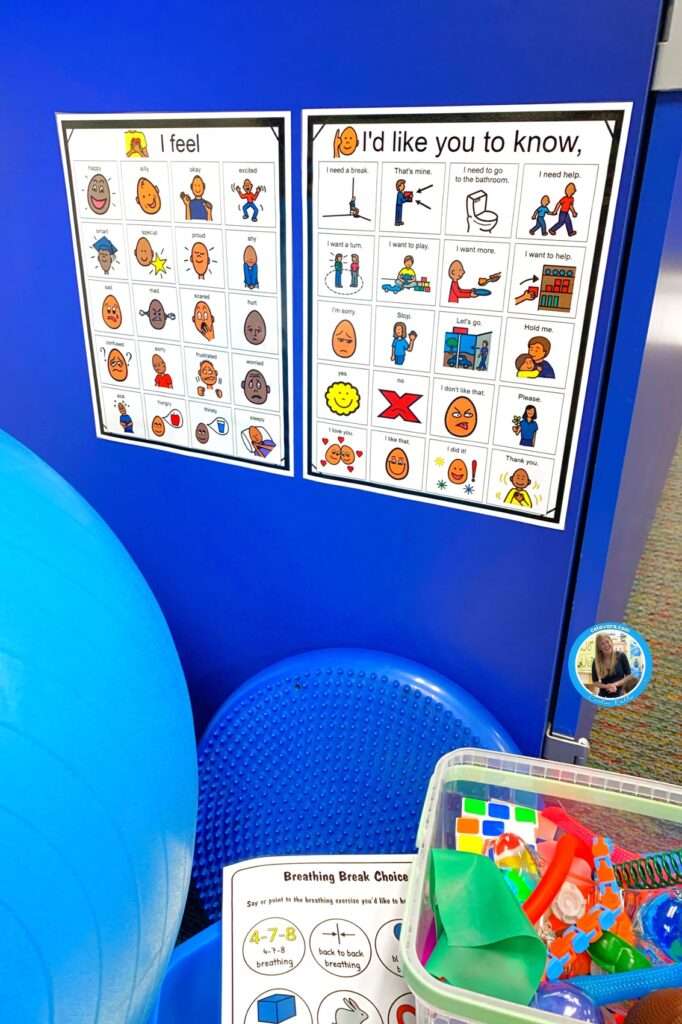
A communication board is one of the most essential tools for nonverbal or minimally verbal students. This resource provides picture-based options to help students express basic needs and emotions.
Educators can use these boards in a variety of settings, such as snack time, recess, and structured classroom activities.
Therapists can incorporate them into speech sessions to reinforce functional communication.
One major benefit is reducing frustration by giving students a reliable way to communicate without words.
These boards also encourage independence as students learn to make requests using visuals instead of behaviors.
For best use, laminate the boards and attach them to key classroom areas or provide personal copies for students.

Picture Communication for Autism Strategies
Managing behavior effectively in the classroom requires clear expectations and consistent supports.
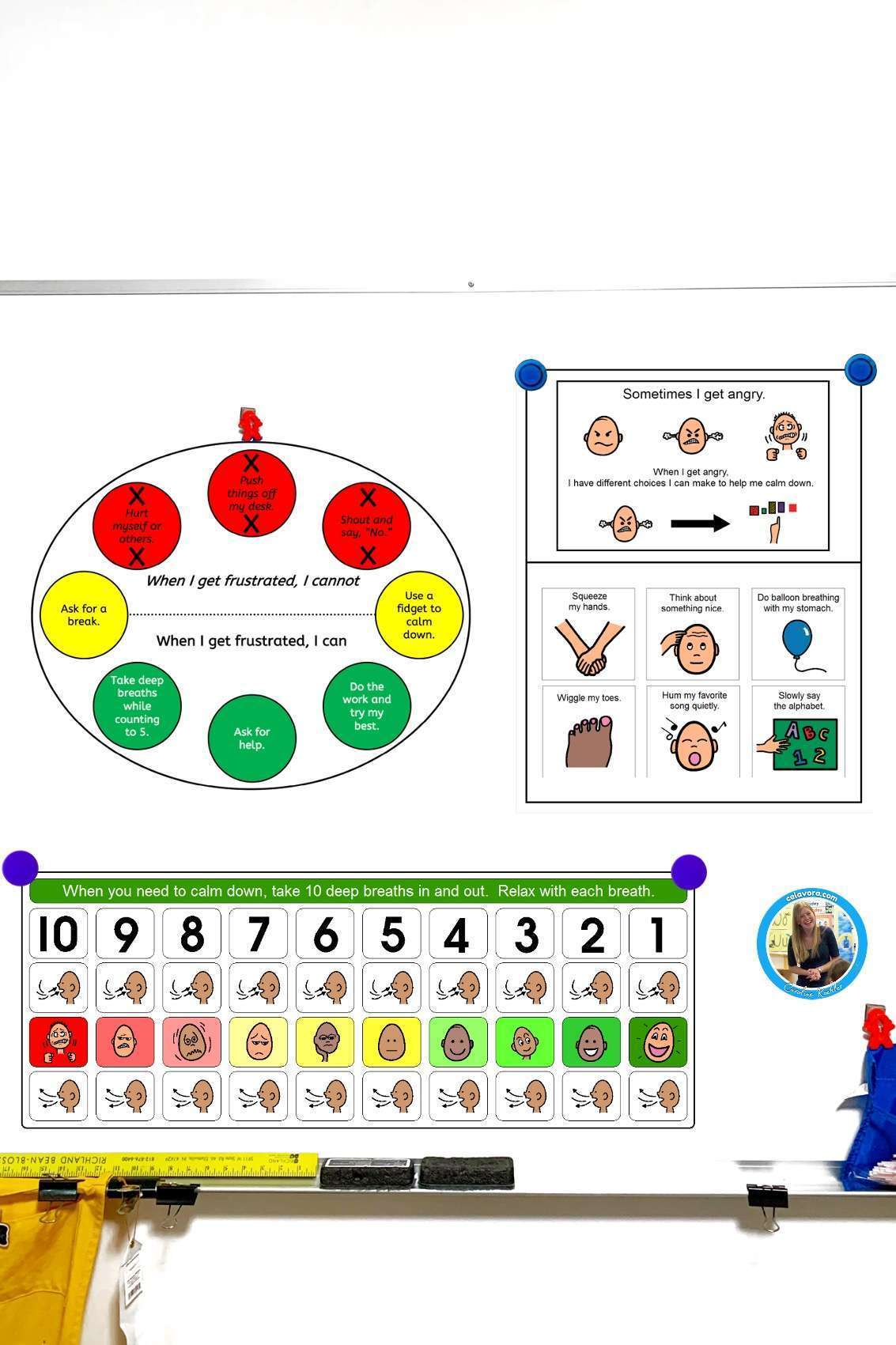
This Autism Strategies for Behavior Management Bundle includes a variety of visual supports designed to improve self-regulation and social interactions.
Teachers and therapists can use these tools to reinforce positive behaviors and teach coping strategies.
The included social skills visuals help students understand appropriate responses in different situations.
Students benefit from picture communication for autism visual reinforcement, making behavior expectations clearer and easier to follow.
For example, using a “calm down” chart can guide students through self-regulation steps instead of escalating into meltdowns.

Cue Cards for Picture Communication for Autism
Visual cue cards are a portable and effective way to provide on-the-spot communication and behavior reminders.
This set includes small and large-sized visuals, making them adaptable to different student needs.
Educators can attach these picture communication for autism to lanyards for quick access throughout the school day.
Therapists can use them during sessions to reinforce specific behaviors or communication attempts.
One key benefit is reducing the need for verbal prompting, helping students build more independence.
Using cue cards as reminders for transitions or social expectations can prevent anxiety and frustration.
These tools work well as part of a behavior intervention plan or IEP support strategy.

Printable Nursery Rhymes and Songs with Choice Boards
Music is a powerful tool for communication and engagement, especially for autistic students.
This nursery rhyme and song set combines familiar tunes with choice boards that allow students to participate visually.
Teachers can use these during circle time to encourage nonverbal students to make choices about songs.
Therapists can incorporate music into speech or social skills sessions to encourage engagement.
One major benefit is increasing participation in group activities, even for students who struggle with verbal communication.
Choice boards help students feel included, even if they are not speaking or singing along.

Printable Stop and Wait Visuals
Teaching students how to pause and wait is a crucial self-regulation skill.
This Stop and Wait Visuals Set provides clear, easy-to-understand signs that reinforce impulse control.
Teachers can use picture communication for autism visuals during transitions, lining up, or waiting for turns.
Therapists can incorporate them into structured activities to support patience and frustration tolerance.
A key benefit is helping students understand the difference between “stop” and “wait” in real-world scenarios.
For example, a student can use a “wait” visual at the lunch line instead of becoming anxious.

Autism Choice Board Reward System
Choice boards are an excellent way to encourage positive behavior through structured rewards.
This Autism Choice Board Reward System allows students to visually select reinforcers, making motivation clear and consistent.
Teachers can use this in the classroom to reinforce task completion.
Therapists can integrate it into behavior intervention plans to increase engagement.
A major benefit is that students learn cause-and-effect relationships while building autonomy.
For best results, include a mix of preferred and novel choices to keep motivation high.

Autism Visuals Behavior Management Bundle
Visuals Bundle for Behavior Support
This comprehensive bundle provides a wide range of visual supports for communication and behavior management.
It includes social narratives, schedules, visual reminders, and emotion regulation tools.
Teachers can use these visuals across different environments, such as classrooms, playgrounds, and therapy rooms.
Therapists can incorporate them into individual and group sessions to reinforce social-emotional skills.
One key benefit is providing structure and predictability, which is essential for many autistic students.
These visuals help bridge the gap between spoken language and understanding, reducing anxiety.

Get More Free and Exclusive Resources!
If you’re looking for additional picture communication for autism resources, check out the Exceptional Teaching Resources Membership.
This area houses links to teaching tools that support communication, behavior, and classroom management.
I recommend all of these resources as terrific ways to facilitate learning at home, school, and a clinical setting.
Also, don’t forget to grab our free IEP checklist—a must-have for special educators who want to stay organized!
Supporting autistic students with visual communication tools can lead to more independence, better self-regulation, and improved social interactions.
Start using these printable picture communication for autism resources today to create a more structured and supportive learning environment!