Behavior Intervention Plan Special Education
If you’ve ever scrambled to write a Behavior Intervention Plan in special education while juggling a dozen other IEP tasks, you’re not alone.
Let’s check out who to use a behavior intervention plan in special education the right way.
We all want to support our students’ behavioral needs, but finding the right tools—and knowing how to use them—can make all the difference.
Let’s walk through how to create a solid Behavior Intervention Plan for special education that actually works in real classrooms.
I’ll share my favorite go-to resources from Celavora that help me get the job done right.
You’ll get practical tips, time-saving tools, and helpful insight that makes the paperwork less stressful and the student support more meaningful.
Grab your coffee, and let’s dig in—teacher to teacher.

Why Every Plan Starts with an FBA: Functional Behavior Assessment
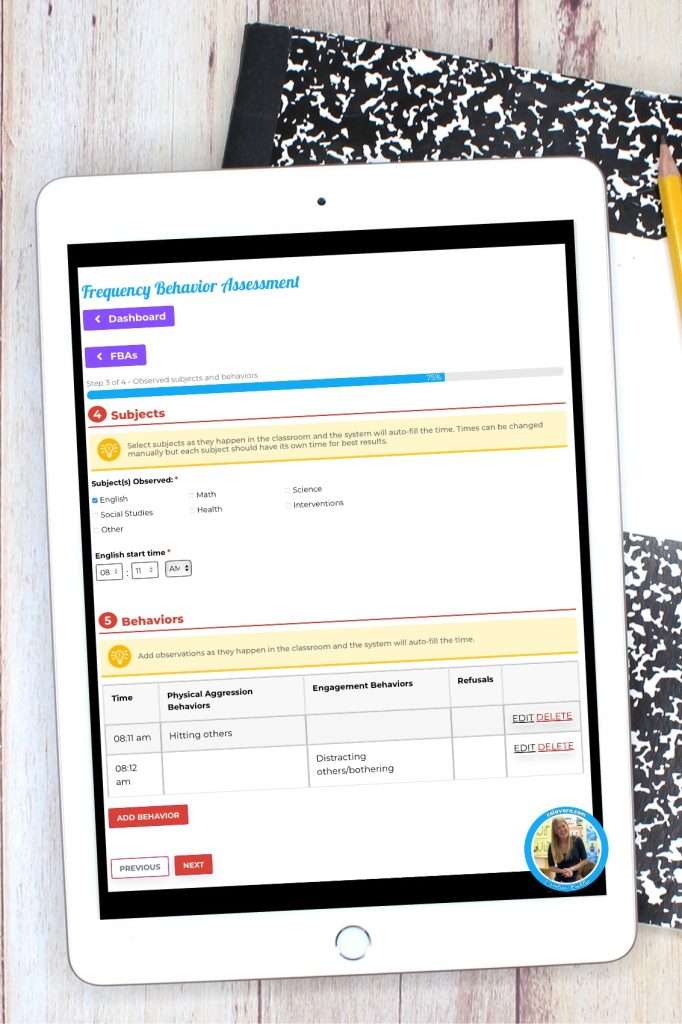
Before writing a Behavior Intervention Plan in special education, it’s essential to complete a Functional Behavior Assessment (FBA).
The FBA is your roadmap.
It helps you figure out why a student is behaving in a certain way.
This isn’t guesswork—it’s observation, data collection, and thoughtful analysis.
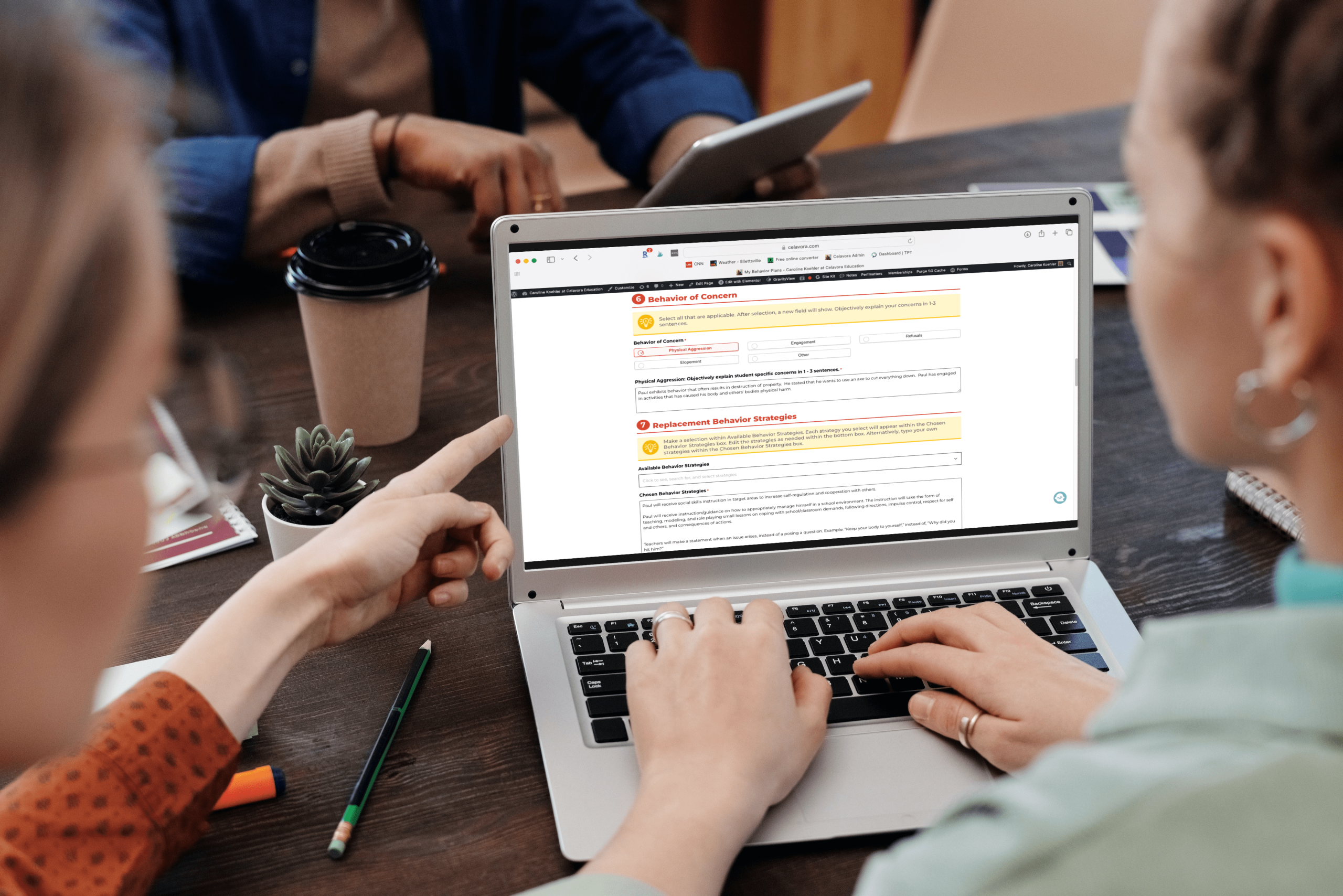
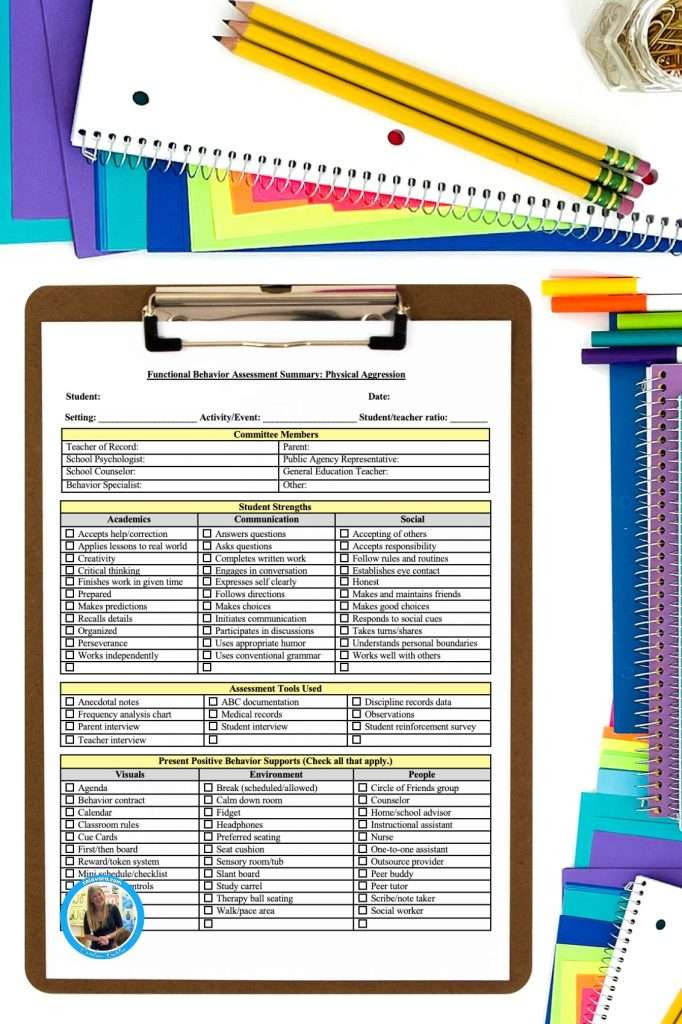
The Special Education FBA + BIP Toolkit from Celavora walks you through each step.
It includes editable templates that guide you through defining the behavior, identifying triggers, and tracking consequences.
When you complete the FBA first, your intervention plan becomes personalized and targeted.
That’s the key to writing a plan that’s not just compliant—but effective.
Use the toolkit during team meetings or on your own time to prepare for IEP development.
The best part? It keeps you from reinventing the wheel every time you need an FBA.

Building a Strong Behavior Intervention Plan Special Education
Once your FBA is complete, you’re ready to build the Behavior Intervention Plan.
This is where your strategies, supports, and documentation come together.
In the FBA + BIP Toolkit, the Behavior Plan template includes spaces for proactive strategies, teaching replacement behaviors, and detailing how staff will respond.
Each section has prompts that help you write behavior plans with clarity and purpose.
For example, you’ll find support for identifying environmental changes that can reduce problem behaviors.
There’s also a spot for how and when to teach alternative behaviors directly.
When you have a consistent format, team communication improves and support becomes more consistent across settings.
Plus, having your behavior plans neatly documented makes the IEP process smoother.
This resource helps teachers write plans that are ready for the IEP and meaningful for the classroom.

Crisis Plans: Planning Ahead for When Things Escalate
Some students need more than a basic behavior plan—they need a crisis plan, too.
A crisis plan outlines exactly what to do when behavior becomes unsafe or overwhelming.
The Student Behavior Crisis Plan Template includes editable forms to help teachers and IEP teams think ahead.
You’ll identify student triggers, de-escalation strategies, and step-by-step responses for staff.
These plans are crucial for students with trauma histories, intense behaviors, or serious emotional challenges.
They can also help staff feel more confident and prepared.
The resource makes sure everyone—from paraprofessionals to the school counselor—is on the same page.
It also keeps documentation tight and parent communication clear.
Use this template at the beginning of the year or when concerns arise.
It shows your district you’ve taken steps to plan and support students proactively.

Positive Behavior Intervention Plan Special Education that Actually Works
It’s easy to feel like behavior plans focus too much on what not to do.
That’s why I love the Positive Behavior Support Plan Best Practices Download.
This freebie helps you build plans around what students should do.
It gives tips for writing in strengths-based language and selecting meaningful rewards.
You’ll learn how to increase buy-in from students and staff by keeping goals realistic and clear.
It also includes examples of common accommodations and reinforcement strategies.
Use this as a quick reference when you’re updating a BIP or writing a new one.
Having something grounded in best practices helps you write smarter, not harder.
This guide keeps your mindset positive and your paperwork aligned with what works.

Balancing Compliance with Classroom Reality
Let’s be real—writing a Behavior Intervention Plan in special education also means checking compliance boxes.
But it’s possible to meet legal standards and stay classroom-focused.
Celavora’s Special Education FBA + BIP Toolkit and Crisis Plan Template make sure your forms align with IEP meeting expectations and district policy.
Everything is editable and organized, so you can quickly insert data, interventions, and team roles.
There’s no second guessing what needs to be included.
Your documentation becomes cleaner and easier to review with administrators.
This also helps if your student moves districts or teams change mid-year.
Being consistent with documentation means smoother transitions and stronger student advocacy.
These tools help teachers feel confident that they’re meeting state and federal requirements.
Make Life Easier with a Paperwork Membership
If you’re managing paperwork for multiple students, I highly recommend checking out the SPED Up Paperwork Membership.
It’s a time-saver, plain and simple.
You’ll get access to editable templates for behavior, academics, communication, and more.
There’s a huge benefit to having a one-stop shop of forms you can grab when you need them.
Teachers love having a go-to library that stays updated and aligned with best practices.
Whether you’re writing IEPs, tracking interventions, or prepping for parent meetings, this membership has your back.
And when something changes—like a student’s placement or behavior needs—you’re ready to adjust without starting from scratch.
It’s perfect for SPED teachers, case managers, and any educator who wants to stay ahead of the paperwork chaos.
Real Teachers. Real Results.
The best part of using these tools?
They were designed by someone who gets it—another teacher.
These aren’t generic district downloads.
They’re practical, clear, and tailored to the messy, real-life situations we deal with every day.
You’ll be able to use the same templates across students, which saves time and ensures consistency.
They also help you think ahead—planning supports that actually work before a student ends up in crisis.
When your documentation improves, your confidence grows.
And your students feel that support, too.
Don’t just take my word for it—test them out in your next IEP cycle.
You’ll see the difference.
Ready to Save Time and Support Behavior Intervention Plan Special Education?
If you’re looking for an easier way to write a Behavior Intervention Plan in special education, these resources are made for you.
Visit the Celavora shop to download your ready-to-use toolkits.
Start with the FBA + BIP Toolkit, add in the Crisis Plan Template, and don’t forget to grab the free Positive Behavior Support guide.
Want it all in one place? Check out the SPED Up Paperwork Membership.
Every tool is classroom-tested, IEP-meeting-ready, and designed to make your life easier.
You can feel confident writing a Behavior Intervention Plan in special education that helps your students succeed and keeps your paperwork organized.