


Circle Time Songs for Kids and SPED
In early childhood and special education, circle time songs holds a pivotal role in shaping young minds.
It also foster a sense of community and belonging while developing language.
As educators, our objective is to create an engaging and inclusive environment where every child, regardless of their abilities, can thrive and participate.
One of the most effective tools at our disposal is music, particularly circle time songs.
A fun song book can transform a routine gathering into a dynamic and interactive learning experience.
Through my experience, I have found that the right songs can not only capture the children’s attention but also enhance their cognitive, social, and emotional development.
There are multifaceted benefits of incorporating circle time songs into both general and special education (SPED) settings.
Let’s explore insights and strategies for selecting and implementing songs that cater to diverse learning needs and preferences.
Additionally, I will discuss how these musical activities can promote language development, improve motor skills, and encourage positive social interactions among children.
Whether you are a seasoned educator or new to the field, my hope is to provide valuable resources and inspiration to enrich your circle time sessions and, ultimately, support the holistic growth of every child in your care.

Engaging morning songs to energize
When I step into the classroom each morning, I find that starting the day with lively songs can truly set a positive tone.
Among my favorites are “You Are My Sunshine” and “Apples and Bananas.”
These tunes not only capture the children’s attention but also get them moving and ready to engage with the day’s activities.
Singing and dancing to these upbeat melodies help the kids wake up their bodies and minds, making transitions smoother and more enjoyable.
I’ve noticed that when kids participate in these energizing routines, they seem more focused and ready to learn.
These benefits flow into the entire day’s lessons.
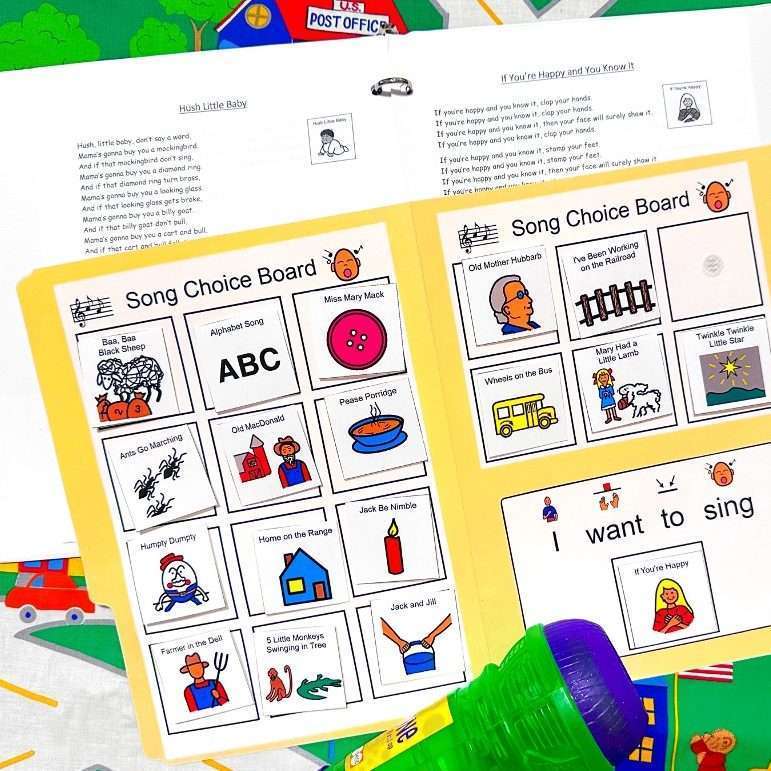
I love incorporating songs from choice boards because they encourage children to express themselves through movement.
They get to pick the songs the group sings.
This enhances their social interactions as they laugh and dance together.
Singing along helps build their vocabulary and language skills in a natural and fun way.
In special education settings, these songs serve as a powerful tool to connect with kids on different levels.
These energizing songs make our morning routine fun and educational.

Calming tunes for transition times
When it’s time to shift gears in the classroom, I find that a song choice board can be transformative.
Singing while moving to the next activity or environment pulls the group together.
Playing these tunes signals to the kids that it’s time to calm down and refocus, making transitions between tasks more fluid.
I often see children naturally slow their movements and lower their voices when gentle melodies are sung.
The help this gives to maintain a peaceful environment conducive to learning is priceless.
Some of these songs can aids in teaching the children valuable self-regulation skills.
These soothing songs employ melodic patterns that promote relaxation, making them perfect for moments when we need to gather as a class and prepare for the next lesson.
As the calming music fills the room, I notice a tangible shift in the classroom’s energy, allowing me to transition the class with greater ease and efficiency.
Interactive songs for social skills
I love using interactive songs to help children build social skills in a fun and engaging way.
Songs offer an excellent opportunity for kids to practice greetings, turn-taking, and cooperative play.
I incorporate these songs during circle time songs and activities.
Of course, I’m encouraging children to sing along and perform the accompanying hand movements.
This interactive approach not only reinforces the social concepts being taught but also allows kids to bond with each other through shared musical experiences.
Watching the children giggle and work together as they follow along to the music is a joy.
Singing seems to significantly enhance a student’s ability to connect with peers.
I love using songs that require an echo or a partner.
These songs often include call-and-response elements, where one group might sing a question and the other responds, promoting active listening and communication skills.
I encourage children to pair up or form small groups while singing.
Using music as a vehicle for teaching social interaction has proven to be an effective strategy in my classroom.
Circle time songs seamlessly blends education with play, ensuring the children remain engaged and eager to learn.
Fun songs for ELA
I find that integrating fun songs into my ELA curriculum makes a world of difference in engaging young learners.
This is perfect for circle time songs because learning doesn’t feel like work!
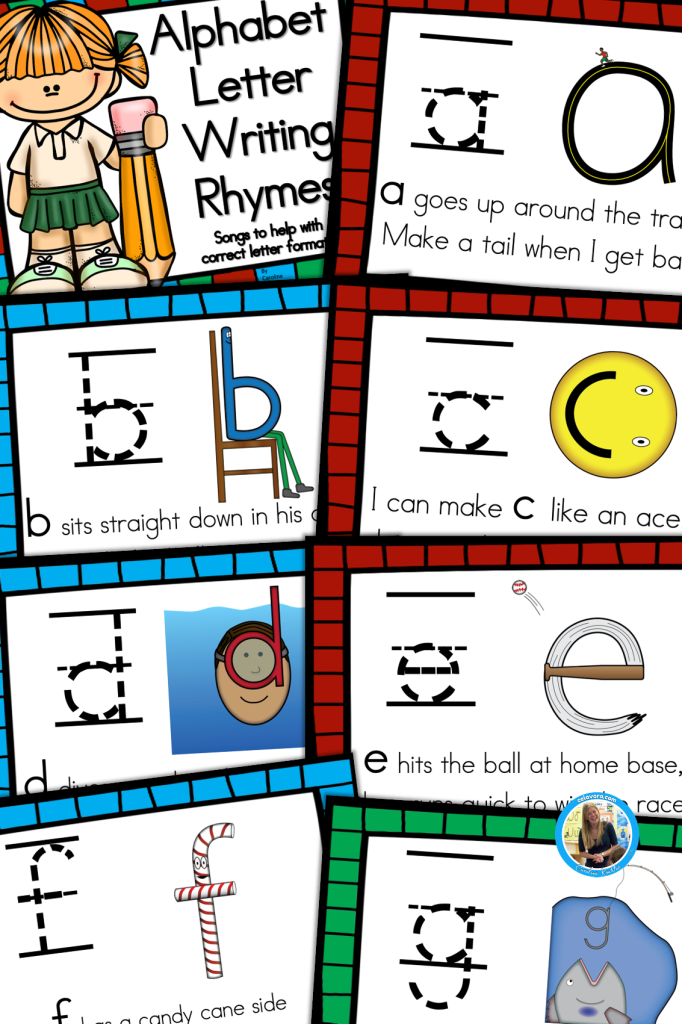
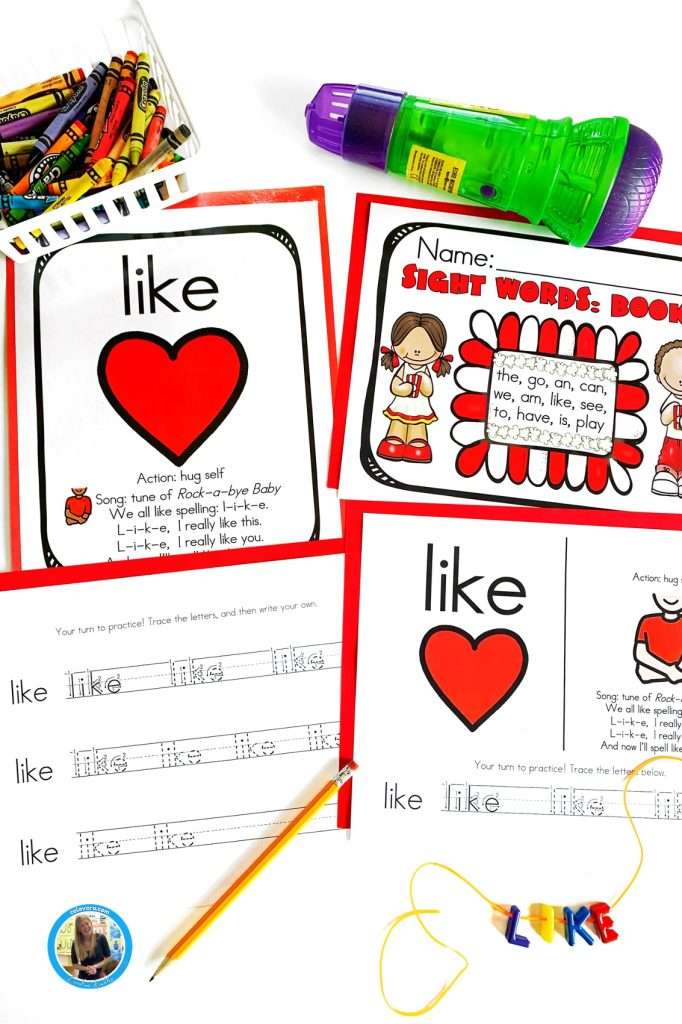
My favorite sets are sight word songs and alphabet letter writing.
Most often, I introduce these during circle time songs.
Also, I play these songs during our literacy block, encouraging kids to sign along as they work on letters, sounds, and sight words.
This active engagement solidifies their understanding of the alphabet while supports their auditory discrimination skills.
By incorporating these songs into daily routines, I notice that students become more confident in their academics.
Their increased enthusiasm for reading and writing activities reflects the power of music as a teaching tool.
This musical method fosters a joyful, energetic classroom environment where early literacy skills can flourish.

Movement in circle time songs
In my experience, movement songs can be a game-changer for maintaining focus and energy during circle time.
When I notice my students’ attention waning, I turn to songs on my circle times songs choice board.
These tunes provide the perfect opportunity for kids to get their wiggles out while taking a 2 minute break.
The catchy melodies and structured activities help refocus their energy.
The goal is to use songs as a way to turn what could be a chaotic moment into a fun learning experience.
As the students move and sing along, I see their concentration improve, and they become more ready to engage in more structured activities afterward.
The combination of movement with musical cues reinforces their ability to listen and respond, which is essential for classroom focus.
Plus, it’s awesome to see the joy on their faces as they participate together.
By weaving these movement songs into our schedule, I create an atmosphere where learning feels natural and exciting.

Language-building songs for vocabulary growth
Also songs expand vocabulary but nursery rhymes are expert teachers in language.
These songs introduce new words in a fun and engaging way, allowing children to learn through repetition and rhyme.
The lively tunes capture their attention, and the rhythmic patterns make it easier for kids to remember and understand new concepts.
By singing along, students not only learn new vocabulary but also how to use these words in context, which enhances their comprehension and communication abilities.
Many nursery rhymes emphasize the sounds that letters and words make, which is crucial for early reading skills.
As we sing these songs together, I see the children become more confident in identifying sounds and constructing words.
Integrating these language-building songs into our routine supports a fun and effective approach to literacy development.
I always look forward to seeing the progress my students make.

Crazy Color Creatures for Circle Time Songs
I’m always on the lookout for timeless songs and my Crazy Color Creatures is a true gem!
When I first discovered Crazy Color Creatures, I instantly knew it was a winner.
This song set captures the attention of my students and sticks with them throughout the entire school year and beyond.
With their whimsical charm and playful spirit, the Creatures make learning color words a delightful experience.
As a kindergarten teacher, I often find that while my students come in familiar with many basic color names, they struggle with recognizing and reading those words.
That’s where the Creatures shine, teaching color sight words and rhyming in a fun and engaging way!
So, what makes this circle time song set so amazing?
First of all it’s the fun tune to set to Skip to My Lou.
Then the beautiful clip art pulls the students (and adults) in to a new group of welcoming friends.
Next, the audience gets to see these new friends do the most silly things while making rhymes and learning some new vocabulary.
This features a homemade big book printed on legal sized paper that is paired with a smaller student book.
Each child gets their own copy to take home to add to their personal library.
If you teach colors, you need Crazy Color Creatures!
Circle Time Songs for All
Integrating circle time songs into your classroom routine can be a game-changer for both early childhood and special education settings.
I find that songs like “Five Little Ducks” and “The Wheels on the Bus,” offer a fun and engaging way to enhance language development, social skills, and classroom management.
These circle time songs and choice boards capture the attention of young learners.
Also, they provide a structured format that can be particularly beneficial for children with special needs.
By incorporating these melodies into your daily activities, you can create a more dynamic and inclusive learning environment.
Remember, the key is consistency and enthusiasm, so don’t hesitate to sing along and encourage your students to participate actively.
It’s a fun way to bring happiness to your day.
Whether you’re new to circle time songs or looking to refresh your approach, you’ll find singing is a valuable addition to your teaching toolkit.


