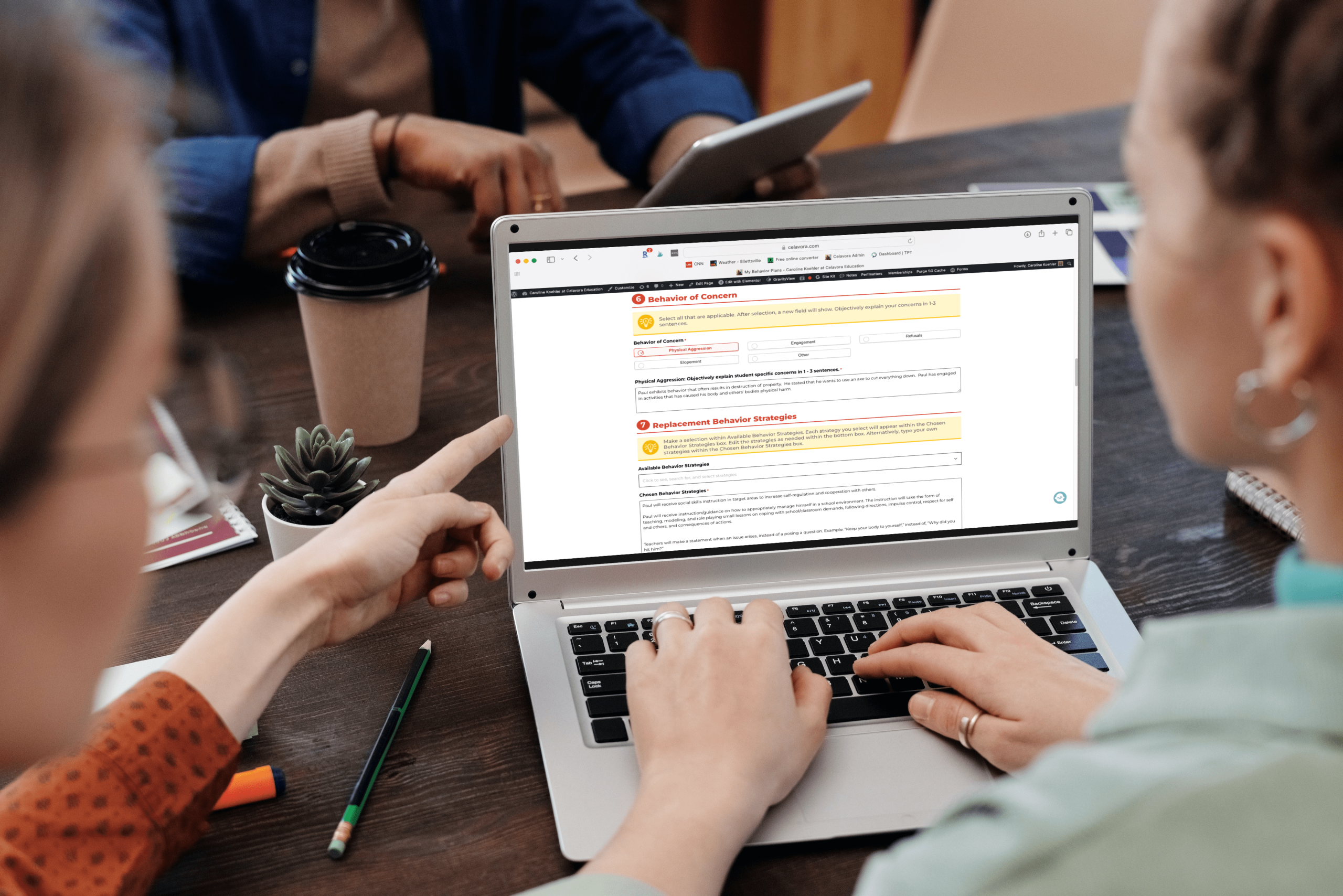
FBA Special Education Strategies for Conducting Meaningful Assessments
FBA special education strategies for behavior is often at the forefront of challenges faced by educators.
The key to addressing behavior issues effectively lies in understanding the root causes.
This is where Functional Behavior Assessments (FBAs) come into play.
In special education, FBAs help educators identify the motivations behind problematic behaviors and create interventions that work.
However, the process of conducting an FBA can feel overwhelming, especially when you’re trying to ensure all key points are covered and that your findings lead to meaningful interventions.
Let’s break down the FBA process and explore strategies to streamline your approach.
Also, I’ll highlight some helpful resources, including a comprehensive tool for writing FBAs and Behavior Intervention Plans (BIPs).
Keep an eye out for the link to a free guide on best practices for writing FBAs.
These tools will save you time, ensure your reports are thorough, and help you write with greater clarity and meaning.

Why FBA Special Education Matter
Functional Behavior Assessments are essential in special education because they help pinpoint the triggers and functions of behaviors.
These assessments provide valuable insights that guide educators in developing Behavior Intervention Plans, which can drastically improve student outcomes.
Without an FBA, it’s difficult to create an effective intervention plan, which can lead to continued behavioral struggles and a lack of progress in the classroom.
However, the importance of FBAs goes beyond just managing behavior.
They are also critical in meeting legal obligations.
Under the Individuals with Disabilities Education Act (IDEA), FBAs are often required before certain disciplinary actions can be taken.
This is particularly important if the behaviors are linked to a student’s disability.
Understanding this foundational aspect of FBAs can help educators see why getting the process right matters so much.

Common Challenges in Writing FBA Special Education Reports
Despite their importance, many educators struggle with conducting FBAs and writing detailed, meaningful reports.
One of the biggest pain points is time.
Conducting observations, gathering data, analyzing behavior, and then writing a thorough report can be time-consuming.
Many educators also feel uncertain about whether their reports include all the necessary details and whether their interventions will truly address the behavior’s function.
This is where having a structured process and the right resources comes in.
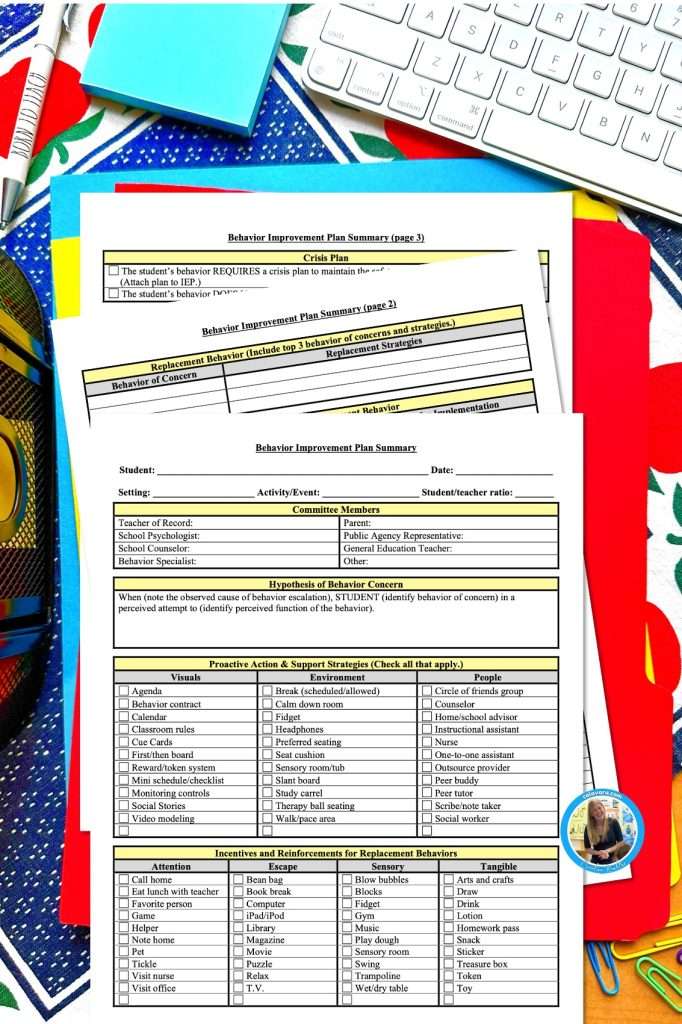
To ensure nothing is overlooked and that your FBA leads to actionable insights, consider using a template.
Special Education FBA BIP Functional Behavior AssessmentCreate IEP Behavior Plan.
This resource simplifies the process of writing your reports, ensures key points are included, and gives your assessments greater meaning.
Steps to Conducting a Meaningful FBA Special Education Summary
Conducting an FBA involves several steps, each critical to uncovering the “why” behind a student’s behavior.
Here are the key steps to keep in mind:
- Identifying the Behavior: Begin by defining the behavior clearly and objectively. Avoid vague terms like “disruptive” or “non-compliant.” Instead, describe what the behavior looks like, when it happens, and its frequency.
- Data Collection: This is a time-consuming but necessary part of the FBA process. Collect data through direct observations, interviews with teachers, and reviews of past records. The more data you gather, the clearer the pattern of behavior becomes.
- Determining the Function: The FBA should help you determine why the behavior is occurring. Is the student trying to avoid a task? Gain attention? Understanding the function of the behavior is key to creating effective interventions.
These steps are the foundation of an FBA, but implementing them in a busy classroom can be a challenge.
To streamline the process and ensure nothing gets overlooked, download the free Best Practices for Writing FBAs.
This guide offers practical strategies to help you complete FBAs with confidence.

Writing with Meaning: Save Time and Be Thorough
One of the most common complaints about writing FBAs is the time it takes to complete the reports.
Teachers often spend hours gathering data and writing up findings, only to feel uncertain about whether they’ve captured everything they need.
To save time and ensure your reports are meaningful, it’s crucial to have a system in place.
Use a template that includes key elements for functional behavior analysis.
FBA special ed summaries should include
- Clearly Defined Behavior: A specific, observable, and measurable description of the behavior in question.
- Baseline Data: Information on the frequency, duration, and intensity of the behavior before intervention.
- Antecedent: A detailed description of what happens immediately before the behavior occurs, identifying triggers.
- Consequences: An explanation of what happens after the behavior, noting both positive and negative reinforcements.
- Behavioral Patterns: Analysis of the conditions or times when the behavior is most and least likely to occur.
- Data Collection Methods: A variety of tools such as observations, interviews, and record reviews to gather comprehensive data.
- Hypothesis of Behavior Function: An informed guess about the purpose the behavior serves for the student (e.g., escape, attention).
- Environmental Factors: Contextual variables like classroom setting, interactions, and activities that may influence behavior.
- Alternative Behaviors: Identification of positive replacement behaviors that can be taught and reinforced.
- Recommendations for Intervention: Strategies for addressing the behavior based on the data collected and the hypothesis.
Our Special Education FBA BIP resource provides step-by-step guidance to help you write reports faster while making sure you don’t miss any key details.
This tool not only cuts down the time you spend on paperwork but also helps you create intervention plans that address the true function of the behavior.
This means you can spend more time implementing effective interventions and less time on paperwork.

Strategies for Creating Effective Behavior Intervention Plans (BIPs)
Once you’ve completed the FBA, the next step is to develop a Behavior Intervention Plan.
A BIP is designed to replace undesirable behaviors with positive alternatives, using the information gathered from the FBA.
Here are a few strategies to ensure your BIP is effective:
- Tailor the Plan to the Function: The interventions should align with the function of the behavior. If the behavior is attention-seeking, ensure the plan includes strategies for providing positive attention when appropriate behaviors occur.
- Include Specific Strategies: Vague plans lead to inconsistent implementation. Include clear, actionable steps that teachers and support staff can follow.
- Regular Review and Adjustments: A BIP isn’t static. It needs to be reviewed and adjusted as needed. Monitor progress and be flexible in making changes if the student’s behavior doesn’t improve.
Our downloadable FBA and BIP plan includes templates and strategies to help you create a solid BIP that is easy to implement and track.

The Role of Data in FBAs and BIPs
Data is the backbone of both FBAs and BIPs.
From collecting baseline data to tracking progress after the intervention, reliable data ensures that your interventions are grounded in facts rather than assumptions.
During the FBA process, make sure your data collection methods are consistent and accurate.
Use tools like behavior tracking sheets, frequency counts, and anecdotal records.
Tracking behavior over time also allows you to see whether your BIP is working.
If progress stalls, you can adjust the intervention based on the data.
The resources offered in our FBA BIP tool will guide you through this process, ensuring that your data collection and analysis lead to meaningful behavior changes.

Resources to Support Your FBA and BIP Efforts
Navigating the FBA and BIP process can be overwhelming, but you don’t have to do it alone.
With the right tools, you can save time, ensure accuracy, and create reports that truly address student needs.
Gather a clipboard, a pencil, a frequency chart, and a template.
Need more help?
Our Special Education FBA BIPresource is designed specifically for educators looking to streamline the FBA and BIP process.
Additionally, our free Best Practices for Writing FBAs download provides expert guidance to help you conduct assessments that lead to effective interventions.
Streamline the Process with SPED Up Paperwork
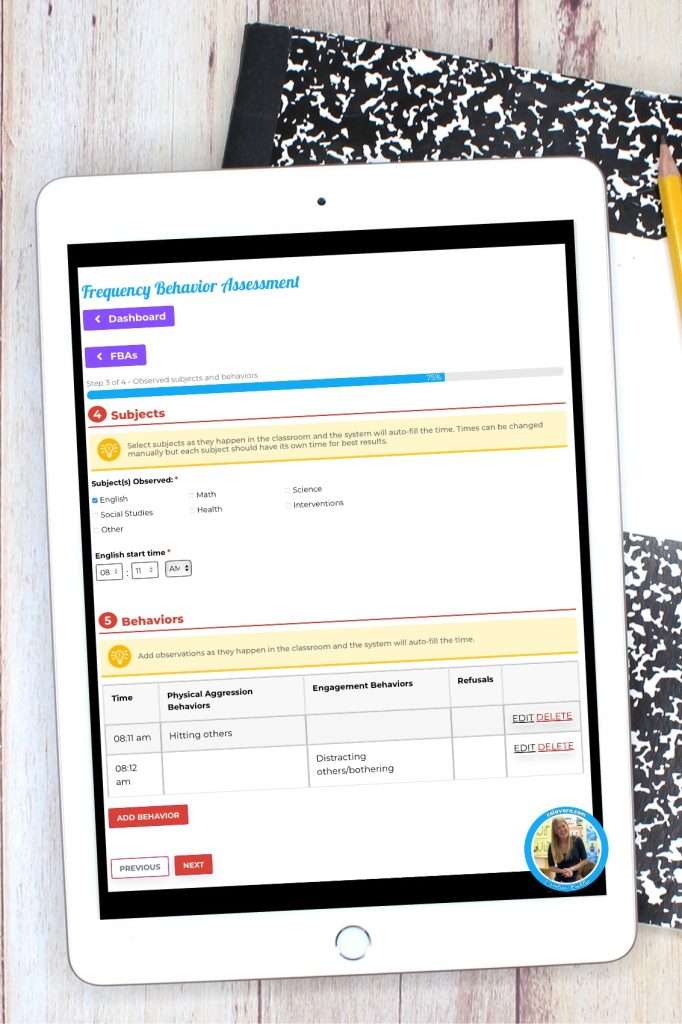
For educators who want to streamline the entire documentation process for FBAs and Behavior Intervention Plans, SPEDUp Paperwork offers a comprehensive solution.
This membership helps you quickly and painlessly create detailed reports and intervention plans without the overwhelm.
With ready-to-use templates, data collection tools, and guided support, SPED Up Paperwork takes the guesswork out of writing FBAs and BIPs.
Use the template to walk you through a step by step process making sure you include all details.
Then, let the membership’s computer code auto summarize your findings and provide you a pdf plan.

FBA Special Education
Conducting FBAs and writing BIPs in special education can be a daunting task, but it’s crucial for student success.
Use a FBA to understand the behavior, collecting data, and implementing targeted interventions.
This allows special educators to make a significant impact on their students’ progress.
Gather resources and tools to make the process easier.
You can tackle a FBA with greater efficiency and confidence with customizable templates.
Print your frequency chart, sharpen your pencil, and grab your clipboard.
You’re ready for an FBA special education assessment!