How to Keep Clothes on Your Child with Autism

If you’re reading this, you know the truth: keeping 👖 clothes on kids with autism is hard work.
In our society, this could turn out to be a big problem.
I know several families who do as much online 🛍 shopping as possible because getting their child out of the house fully dressed is a big challenge.
So, let me reassure you that it is possible to get your child with autism to wear clothes.
Their outfit might not look exactly as you’d 🙏 hoped, but they can be presentable in society.
Experiment with Clothing
🚦Start off by experimenting.
Do they like heavy fabrics or soft and light weight fabrics?
I find most students with autism prefer heavy weighted clothing and blankets.
You know those amazing soft fuzzy blankets that you just want to ✋ touch all day?
A lot of kids with autism are NOT drawn to those.
Instead they’re looking for heavy clothing that pulls their body down in 🤗 hug kind of manner.
Use Weighted or Heavy Clothes
I like to think of this as a miniature version of Temple Grandin‘s squeeze machine.
Weighted vests and compression clothes like tight tank tops and leggings are often preferred.
I knew one child who would wear a kind of body suit, similar to a wrestling apparel, under his clothing so that he could receive the tight squeezing from that fabric while not distracting from typical clothing.
Headbands can also be helpful as they add pressure to a child’s 👦 head.
If your child pushes on their face or head when over stimulated, a stylish, tight headband could be a good option to try.
Remember just because many children with autism like heavy, tight clothing doesn’t mean that your child is going to be drawn to these.
By 🤔 experimenting you’ll get an idea of what kind of fabric and weight works best for them.
Find or Make Sensory Friendly Clothing
The next big issue to look out for in clothing is the way that they are 🪡 sewn and put together.
Tags, zippers, buttons, pulled elastic, and seams can be big problems for those with autism.
First off, it’s super easy to turn clothes inside out so all seams and 🔖 tags are away from the bare skin.
Always try this option first since it’s so simple and 💸 no cost.
Next, you can look for clothing that are tagless.
These are becoming more and more popular, especially for T-shirts and underwear.
No tag clothes are great for keeping clothes on those with autism.
If you can’t find clothes that are tagless, you can remove the tag but you need to completely remove the tag by using a sewing ripper and taking the thread holding the tag out.
If you cut the tag and there is a cutline of that tag left behind, it can cause even more frustration than if the tag was still there.
Zippers and 🔘 buttons can be distracting or uncomfortable so pants that have elastic sewn into the fabric can be really nice.
Look for pants that have elastic running through a material loop instead of the elastic touching the skin.
This is often more easily tolerated than pants that have the elastic directly touching the skin.
Build in Fidgets
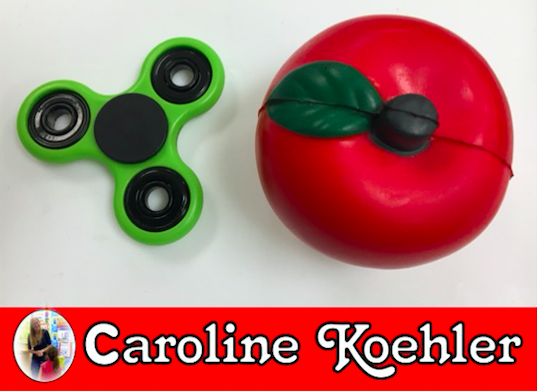
Even though those with autism don’t prefer tags inside their 👖outfits, they often like to fidget with them if they’re on the outside where their hands are supposed to be.
Sew fidgets into autism to keep clothes on such as tags to pull on, elastic pieces to fidget with, or even fake hair extensions to twirl.
Not only can this be 👍 helpful with keeping clothes on but it can be a big determent for those individuals that inappropriately use their hands for physical engagement or self-fondling.
Be the Cool Parent and Buy Cool Clothes
A great strategy for keeping clothes on kids can actually be quite natural: buy clothing with their ❤️ interests on them.
Are they obsessed with the latest Pixar 🎥 movie?
Do they love 🦖 dinosaurs?
Perhaps they love the color 🟠 orange?
Use this vital information to buy clothing that has their favorite images, colors, or other interest on them.
This includes buying costumes of their favorite movie or TV characters.
Maybe you aren’t super pumped about having your child wear their Toy Story Sheriff Woody 🎃Halloween costume everywhere, but, hey at least they have on clothes!
Once they are comfortable wearing the costume, then they can transition to T-shirts with Woody’s picture.
Always make sure you have 🪩 mirrors for them to see themselves in the fun outfit to emphasis autism keep clothes on time.
Put the mirrors away if they take their clothes off and are naked.

Best to Try Last…
When you are trying to keep clothes on a child, try 🧦 socks and 🩲 underwear last.
Underwear touch some extremely sensitive areas of the body and socks try to contain 10 wiggly toes.
Open 🩴 sandals for toes are very common for kids with autism.
Remember that hug that the tight clothing was giving your body?
When’s the last time you asked someone to hug your feet?!? Yeah, I didn’t think so!
Most people want their 👣 feet left alone.
Choose simple cotton underwear and find a brand that has no lace or frills for the girls.
This is typically much easier for boys’ underwear so if you can’t find no frills girl underwear, try some boys underwear.
I’ve had many students wear clothing outside of their gender or even from the adult section.
Schedule in a Naked Time
Lastly, if you have a child with autism or student with autism you HAVE to have a daily 🗓 schedule for then.
This dramatically reduces anxiety, increases cooperation and, in general, makes everyone’s lives better.
While school cannot schedule a naked time, you can at 🏡 home.
So do it: schedule naked time.
A great time to do this is after dinner but before bedtime.
Are you thinking 🛁 bath time would be perfect? Sure would be!
If your child doesn’t want to wear pajamas to go to sleep that’s fine.
As long as the schedule says put clothes on in the morning before you go to school, the store, the library, or any other place in the community, you’re 👍 good to go.
Once this routine is established and your child learns to live by the schedule, the resistance will reduce.

Need help in the 🚽 bathroom for your child with autism?

Check out Bathroom Visuals MEGA Bundle for kids with Autism and Aspergers.