


10 Things to Say to Promote Social Skill for Autism Support
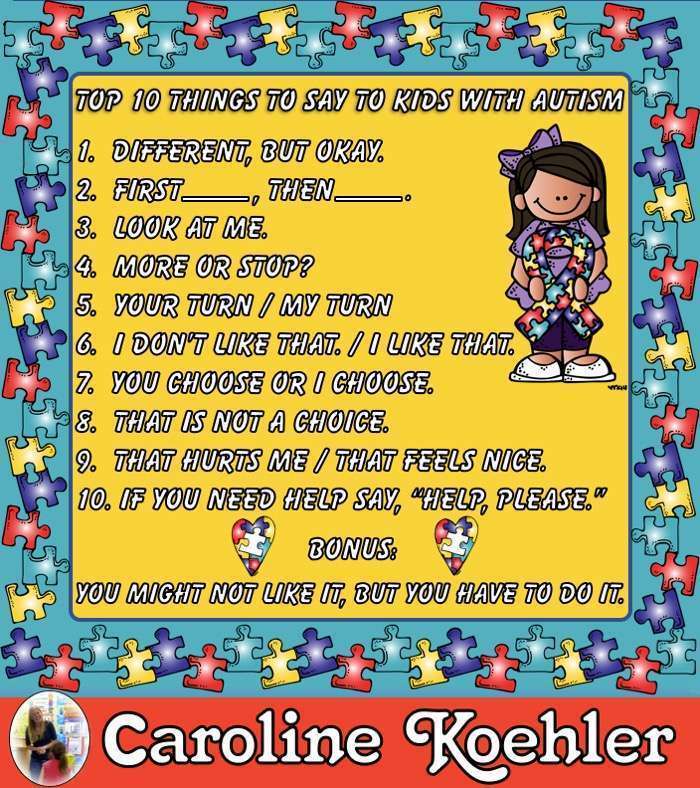
One challenge that exists between individuals with autism and others is a communication barrier and deficit of social skill for autism.
There are 10 🔑 key phrases that can be used to bridge this gap.
I use all of these phrases daily with children across the spectrum regardless of their functioning levels.
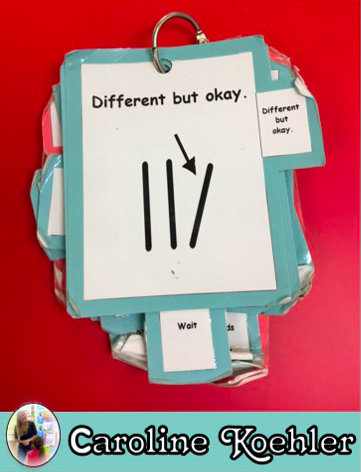
Different, but okay.
While the simple language is often primarily used for children, I find it helpful when language breaks down during a period of 😫 stress or a meltdown.
Change is hard and many individuals with autism resist anything that is 🛑 different.
Building in “safe” changes throughout the day and using the phrase, “Different, but okay,” can help acclimate those with autism to changes.
So, what are “safe” changes?
Any preferred activity switched out for a non-preferred or a favorite 👕 shirt for a different favorite shirt (if they have more than one they like to wear!).
If you are using a visual 🗓 schedule, and I recommend that you do, put a different, but okay note on a previously scheduled activity and replace the activity with a different one.
I say different, but okay in verbal and written forms multiple times a day.
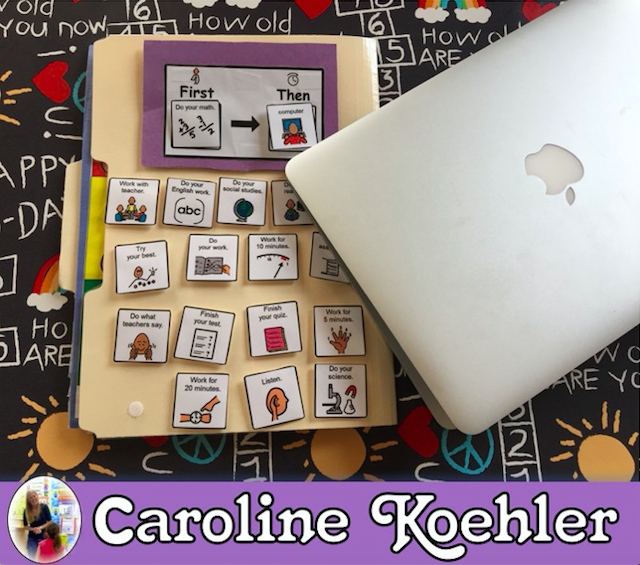
First ___, then ____.
Non-preferred activities like 🚽 toileting, writing, maintaining hygiene, and trying new things should be presented in the First (insert activity name), then (insert preferred activity name or item).
For example, if your child resists using the toilet or even walking into the bathroom you say, “First touch the toilet, then get 💻 computer time.”
Many young ones with autism struggle with bowel movements and develop a fear of the bathroom so touching the toilet can be quite intense.
Anytime you use First ___, then ____ you are attempting to pair a non-preferred activity with preferred activity.
This could be as easy as First put on your 👟 shoes, then get squeezes (deep pressure hugs that most kids with autism crave).
Saying First ___, then ____ is great, but pairing the saying with a First ___, then ____ board is even better!
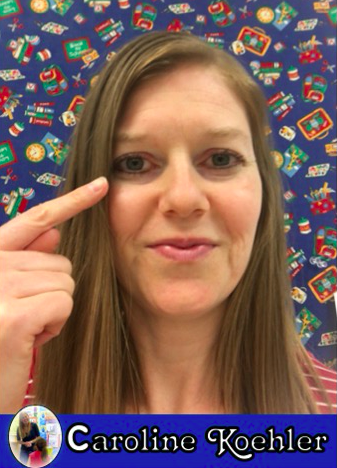
Look at me.
Kids with autism often avoid 👀 eye contact and miss important social cues found within facial expressions.
When working on either receptive or expressive language, I often say, “Look at me.”
Working on the skill of meeting eyes is powerful.
I had one student who would often drift his gaze in random locations and was making progress looking at my eyes for a few ⏰ seconds at a time. One day when working exclusively on the skill of eye contact, I stated, “Look at me.”

Keep in mind that the child was facing me in a 🪑 chair but instead of looking directly at me, he spun around backwards in his chair, arched his back, tipped his forehead down with his chin pointing up to the ceiling and looked me directly in the eyes.
I’ve repeated this movement and can insure you how challenging this physical move is!
Social skill for autism development is a work out; I’m 📣 telling you!
The point is that the challenging physical movement this child associated with Look at me is directly related to how 🏆 challenging he felt the act of looking at me was.
I’m happy to report that this student did meet this skill and is able to maintain typical eye contact for several seconds multiple times a day.
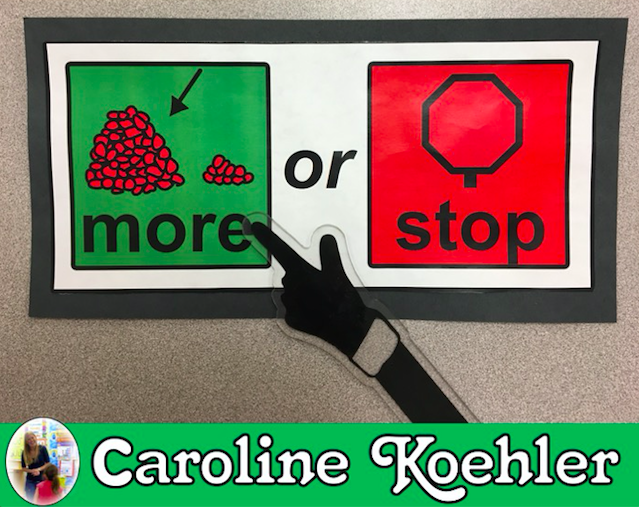
More or stop?
When trying a new activity, especially sensory related, I find the phrase, More or stop, to be extremely 💰 valuable.
A few of my go to sensory activities are squeezes which are intense full torso 🤗 hugs for at least 10 seconds, rolling a person burrito style in a heavy rug, hair tugs, and ball rolls where a student lies on the floor and an adult rolls a yoga ball over the top of them while applying the adult’s body weight as pressure.
While many students ❤️ love these activities, it is super important to gauge how much they want.
I will start small and continue to ask More or stop? to most appropriately meet their needs.
Of course, this can be used for activities other than sensory and is very useful when attempting to help individuals during a meltdown.
Your Turn – My Turn Social Skill Development
Taking turns is a challenge for most kids and those with autism often need a little extra help understanding this skill.
Using the words, Your turn or My turn, along with a turn card, can help dramatically with this concept.
I recommend trading preferred items back and forth for turns initially.
This is an excellent way to build social skill for autism and help your students or love ones advance.
If your child has a favorite 🧸 toy or item, say, “My turn” while switching the item for a different toy he enjoys.
Keep Your turns short at first increasing time as the child’s understanding of turn taking increases.
Once the skill ⬆️ increases, then I take turns with the item without providing anything accept the turn card in exchange.

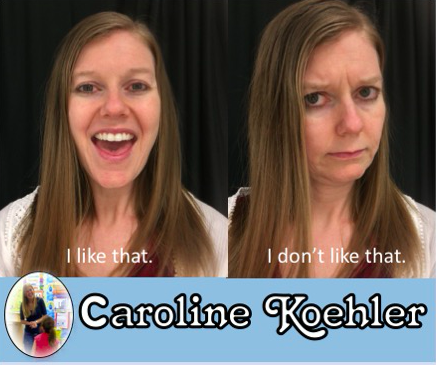
I don’t like that. – I like that.
Keep in mind that social skills are often a deficient for those on the spectrum.
Don’t leave your child 🤔 guessing about your emotions.
If they do something that you don’t like, say so.
When they do something that you do like, say so.
I use an explicit voice inflection to make sure that each phrase is dripping with emotion and my voice tone is easier to decipher.
To be clear, yelling at a child is not okay. Using a 😪 sad, firm tone is okay.
You choose or I choose.
The 🌎 world is full of so many possibilities and this can be overwhelming.
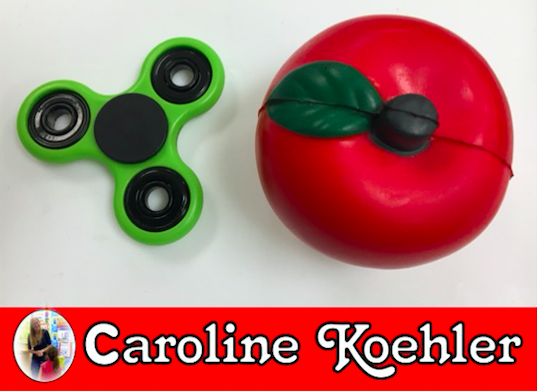
I often provide two choices that are both acceptable and ask a student to choose between the two.
For example, when it’s time to eat, I might say, “Do you want milk or water?”
Sometimes, the 👦 child can’t pick.
This will prompt me to say, “You choose or I choose.”
I always do a slow 10 count that accompanies my foot tapping lightly as a physical reminder to me to count slowly in order to allow the student time to answer.
If there was no answer after a count of 10, I will make the 👉 choice for them.
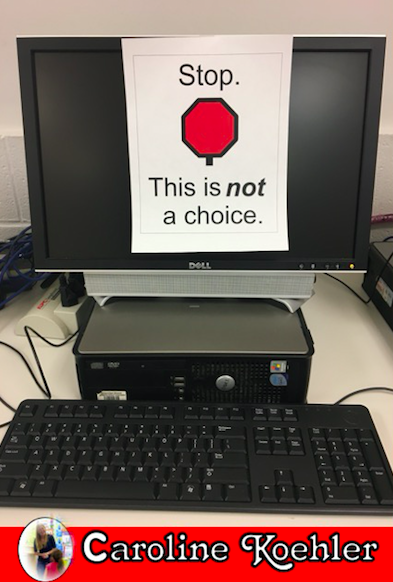
That is not a choice.
As with all children, kids with autism are going to make choices that are not okay or even not safe.
I firmly tell say, “That is 🚫 not a choice.”
So, if your child is standing up on the chair and climbing up onto the table, say “That is not a choice.”
Try to find a replacement activity for what they are wanting to do, for instance allowing them to climb on the 🛋couch cushions pulled down onto the floor or visiting a playground.
If a child is throwing food, they should be told, “That is not a choice.”
The child should assist in the cleaning as this is a natural consequence and then be told what they can throw.
Besides social skill for autism support, use this phrase for language replacement also.
If your child said, “Make me,” calmly respond that That is not a choice and give them the proper language.
I would respond by saying adding, “What you should say is, ‘I need your help or I can do this myself.”
Replacement language is very 💪 powerful and can allow your child to have preprogrammed language to use throughout the day even during a meltdown when language skills often disintegrate.
Stop, that hurts me. / That feels nice.
Similarly to defining what you like and don’t like from #6, make sure you state how an action ❤️🩹 feels.
If your child pinches you, say, “🛑 Stop, that hurts me,” and show them how much you like it when they touch you softly with tickles.
I use the hand over hand method for this to show them the preferred method of touching and remind them that, “That feels nice!”
If your child 😬 bites you, state, “Stop, that hurts me.”
Teaching emotions is a crucial point of social skill for autism instruction.
For biting explore chewies, remind that biting is for food, practice blowing or giving kisses whichever action is more appropriate depending on the setting.

If you need help say, “Help, please.”
We all need help sometimes and one of the most challenging parts of getting help is asking for it.
This is especially true for social skill for autism development.
I love working on this during 🍽 meal time.
Many kids with autism have trouble with fine motion skills and are working on strengthening their fingers.
Being the carb lovers that many of my students are, there are many small bags of chips, 🍪 Little Debbie snacks, and fruit gummies during lunch.
While none of these are excellent for nutrition, they are great for fine motor skills and asking for help.
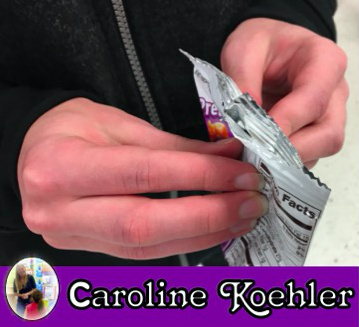
Students will often hand me a bag of chips and ⏳ sit waiting.
After an internal count of 10 with my accompanying foot tapping, if they haven’t ask me to open the bag, I will say, “Oh good! Chips for me!”
The student will almost always say, “No, those are mine!”
Which will allow me to prompt them to say 🙏 Help, please.
Once the child has said Help, please the package is opened and returned with a praise and a smile.
Bonus: You might not like it, but you have to do it.
This is often used for students with higher functioning autism who acquire additional motivation to complete a task.
The task could be 🏫 school work or an everyday activity.
Start the sentence off by saying, “You might not like it, but” and stop letting the student finish the end of the sentence.
Of course, practice must be done to get to this point and should be worked on it a 😌 calm situation.
Meltdowns and tantrums are not teachable moments.


