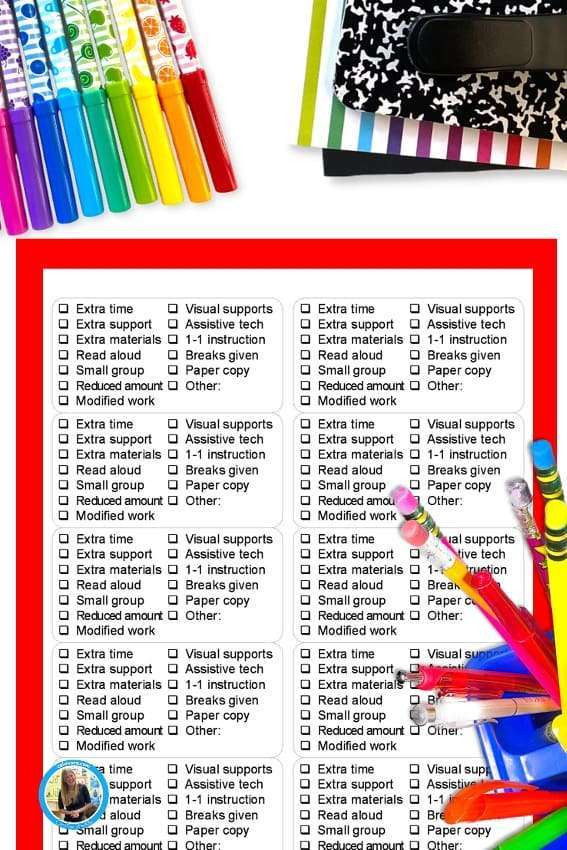
Students’ Progress Report – A Comprehensive Guide
Our students’ progress report pages are essential for students with special education IEPs.
As students progress through their academic careers, there are many 📝 factors that need to be taken into consideration when determining how well they are performing.
From grades and test scores to attendance and behavior, there are numerous metrics that can be used to assess a student’s progress.
But understanding how to interpret and analyze this information can be daunting for even the most experienced educators.
This comprehensive 📒 guide will help you navigate the complex world of student progress reporting.
In this blog post, we’ll explore what student progress reports are, why they’re important, and how to create a comprehensive report that accurately reflects a student’s performance.
We’ll also examine different methods of students’ progress report examples such as using rubrics.
I’ll also provide recommendations on the most effective strategies to use for different types of students.
Whether you’re a teacher, administrator, or parent, this guide will equip you with the tools you need to better understand how to 🕵️♀️ monitor and support students’ academic growth.
So, let’s get started!

Definition of a Progress Report
A progress report is a document that summarizes a student’s performance and accomplishments during a specific period, typically a 📆semester or year.
It aims to provide an overview of a student’s progress in their academic pursuits and highlights areas of improvement where necessary.
Progress reports serve as an essential communication tool between students, instructors, and parents.
Their purpose is to give an insight into a student’s 💪 strengths, weaknesses, and overall academic performance.
The students’ progress report should be comprehensive, transparent, and factual, reflecting the student’s academic efforts and performance over the reporting period.
A well-crafted progress report can help students 🎯 identify areas for further improvement.
Progress monitoring also provides important feedback to enhance their academic success.
Thus, it is crucial to ensure that a progress report is clear, concise, and accurately reflects a student’s academic progress.

The Purpose of Progress Reports
The purpose of progress reports is an important topic that needs to be 🤔 understood by both teachers and parents.
Progress reports provide an opportunity for teachers to update parents on their child’s academic performance, behavior, and/or any social or emotional issues.
Progress reports can help parents ✅ identify areas of strength and weakness in their child’s learning and provide a guide for areas that need more attention.
They also allow teachers to spot any potential challenges early on and work with parents to develop strategies to help the child succeed.
If students have been identified with a special education need, students’ progress report summaries are a required component of the IEP.
Documenting goals through 💻 progress reporting, typically quarterly, track the progress or lack of progress a student is making.
Furthermore, progress reports can also serve as a motivational tool for students, allowing them to reflect on their progress and set learning goals for the future.
Overall, progress reports are a critical tool in monitoring and supporting students’ academic success.
They ensure a collaborative effort between teachers and parents in achieving positive outcomes.

Types of Progress Reports
Effective progress 📋 tracking is essential part of any educational program to ensure students’ success.
Progress report is one of the important tools that provides regular assessment of student’s development in a given course.
It serves as an effective tool for communication between teachers, students, and parents to monitor academic progress, identify areas of improvement, and set future target goals.
There are three main types of students’ progress report documentations: narrative, single point, and rubric based.
Each of these reports have their own specific features and purposes that serve different needs of academic institutions.
I often use single 👉 point documentation as my go to as I can easily show the assessment score going up or down on a chart.
Parents seem to easily understand this type of students’ progress report.
Also, I add in a short 1-2 sentence narrative summarizing the progress.

Components of a Progress Report
A progress report is a document that provides information on the development and completion of a given project or task.
The report is designed to give a clear 🤳 picture of the status of a project or task and the progress that has been made towards its completion.
In order to create an effective progress report, it is important to include four essential components:
- The date of collection
- The assessment tool
- The students’ scores
- The baseline score
Each of these components provides specific information that is necessary for the progress report to be complete and informative.
Make sure you include all of the information when reporting out on students’ progress report summaries.
Correct documentation is important so that you are compliant with the laws associate with IEPs.
Having all of your documentation recorded properly is essential if there is ever a situation involving due process or educational lawsuits. 👩⚖️

When to Give Progress Reports
Giving ✉️ progress reports to parents and guardians is a crucial aspect of a teacher’s responsibility.
Progress reports communicate how students are performing in relation to their IEP goals.
The ⏳ frequency of progress reports will typically depend on your school district’s policies or the individual student’s needs.
However, it is generally recommended to provide students’ progress report summaries a few times a year.
This allows parents and guardians to have a clear understanding of their child’s continual progress and helps to 🛑 prevent any surprises during report card season.
In addition to regularly scheduled progress reports, it’s essential to consider special circumstances.
This includes changes in behavior or sudden dip in academic performance, necessitating that you share an update with parents or guardians.
Effective communication with parents and guardians through progress reports is a vital component of creating successful student-teacher-parent/guardian partnerships.

Tips for Writing a Progress Report
In order to create an effective progress report, it’s essential to 🏎️ follow a specific set of guidelines.
These guidelines will help ensure that the report is clear, concise, and provides all relevant information for the stakeholders involved.
Here are six tips for ⌨️ writing students’ progress report summaries:
1. Define the purpose and scope of the report: Before writing the report, it’s crucial to determine the purpose and scope. This includes identifying the stakeholders, explaining the goals, and outlining the timeframe.
2. Use a specific format: Decide on a format for the report that works best for the project or program. This could include a table, spreadsheet, or written summary.
3. Include quantitative data and qualitative 🧐 observations: Reports should include data to show progress towards goals. Qualitative observations help to contextualize these data points.
4. Use clear and concise language: Avoid using complex technical jargon or confusing language. Use clear and concise sentences to communicate the information effectively.
5. Include recommendations and future plans: Provide recommendations for next steps based on the report and any identified areas for improvement. This demonstrates a forward-thinking approach to the project.
6. Seek 🙋♀️ input from stakeholders: Before finalizing the report, seek input from the stakeholders involved. Their feedback will provide additional insights and help.
Want to see this set on Caroline’s TPT store? Click here to check it out.

Benefits of Progress Reports
Progress reports are an essential tool used in tracking and reporting students’ learning progress.
They act as a comprehensive guide towards the improvement of the 🎓 learning process and the eventual success of each student.
These reports allow students, parents, and educators to monitor progress, focus on strengths and weaknesses, and adjust strategies.
The benefits of progress reports include providing a transparent method of reporting progress, and creating a collaborative approach between educators, parents, and students.
Additionally, progress reports allow educators to provide feedback to students on their achievements.
This could open the door to provide more support and resources to students who might be struggling.
By using students’ progress report pages, educators can tailor their 👩🏫 instruction to meet the needs of each student.
A personalized learning experience that promotes academic success is what an IEP is all about.

Preparing and Presenting a Progress Report
Preparing and presenting a progress report is a crucial part of monitoring and evaluating the progress of students in any educational institution.
A progress report is designed to provide comprehensive information about the students’ 🏫 academic progress throughout a designated period.
As such, it requires thoughtful preparation and careful presentation to ensure its effectiveness.
It is essential to maintain a 📣 professional tone when writing a progress report to reflect respect and objectivity.
The guide will discuss the 🗝️ key components of a progress report, the importance of collecting and analyzing data, and best practices for presenting information clearly and effectively.
By following this guide, educators can create insightful and meaningful progress reports that support student learning and success.

Challenges of Writing Progress Reports
Writing progress reports is an essential part of special education teacher’s paperwork.
However, these reports can present certain challenges that must be addressed in order to provide accurate and meaningful feedback to parents or guardians.
One common challenge is ensuring that the report accurately reflects the student’s progress without being too ➕ positive or – negative.
Finding the right balance and tone is important.
Avoid giving too much praise as this leads to overlooking areas that need improvement.
Of course, always be careful of being overly critical as this can harm a student’s self-esteem and damage relationships.
Another challenge is ⌚️ time management, as teachers must balance writing detailed and informative reports with other responsibilities.
Ultimately, effective progress reports require educators to not only assess and report on a student’s academic progress, but also their emotional development and behavior in the classroom.

Best Practices for Writing Progress Reports
Writing ✏️ progress reports is an important skill that is essential for effective communication and feedback in academic and professional settings.
Progress reports are used to update stakeholders on project progress, identify issues and risks, and to set expectations for the next phase of work.
In order to write an effective progress report, there are several 🙌 best practices that you must follow.
These include clearly defining your goals and objectives, documenting your progress, highlighting achievements, identifying areas for improvement, communicating regularly, and using visuals to support your content.
This comprehensive guide provides the top ten best practices for writing progress reports that will help you to effectively communicate your progress and results to your stakeholders.
To conclude, a student’s progress report is an important document that 🪞 reflects their academic and non-academic growth.
It provides valuable information for parents, teachers and students to identify areas where improvement is needed and celebrate the areas of strength.
Regular 📧 communication and collaboration between parents, teachers and students can lead to better educational outcomes.
Therefore, it’s important for all stakeholders to understand the purpose and significance of students’ progress report to support the student’s holistic development.