


Essential Procedures in a Classroom for a Smooth School Year
As a teacher, starting a new school year and procedures in a classroom can be both exciting and nerve-wracking.
Preparing for the year ahead involves more than just decorating a classroom or ordering books and supplies.
It requires you to establish essential procedures to ensure a smooth and successful year for both you and your students.
The importance of classroom procedures cannot be overstated.
They set the tone for the learning environment and help maintain order, consistency, and structure.
Also, when students clearly understand the routines, expectations, and consequences, they are more likely to succeed academically and socially.
This blog post will provide essential procedures that will help you run a classroom smoothly.
From establishing a welcoming and safe classroom culture to implementing a consistent and effective behavior management system, this article will guide you through the must-haves of a well-functioning classroom.
Additionally, this post includes creative ideas and practical tips on how to introduce and reinforce procedures throughout the school year.
By the end of this blog, you will have a clear understanding of how to get your classroom up and running for a great school year!

Establish School Rules and Expectations
Establishing school rules and expectations is one of the essential procedures in a classroom for a smooth school year.
At the beginning of the school year, the teacher should communicate clear expectations for student behavior and classroom management.
This will ensure that students have a clear understanding of what is expected of them and what consequences they can expect if those expectations are not met.
Also, it’s important to involve students in the process of establishing classroom rules and expectations.
This allows students to take ownership of their behavior and encourages them to take responsibility for their actions.
When students understand the behavior expectations, they can focus more on their learning, and teachers can spend less time dealing with disciplinary issues.
Overall, establishing school rules and expectations sets the tone for a positive learning environment and contributes significantly to the success of a classroom.
Create a Detailed School Supply List
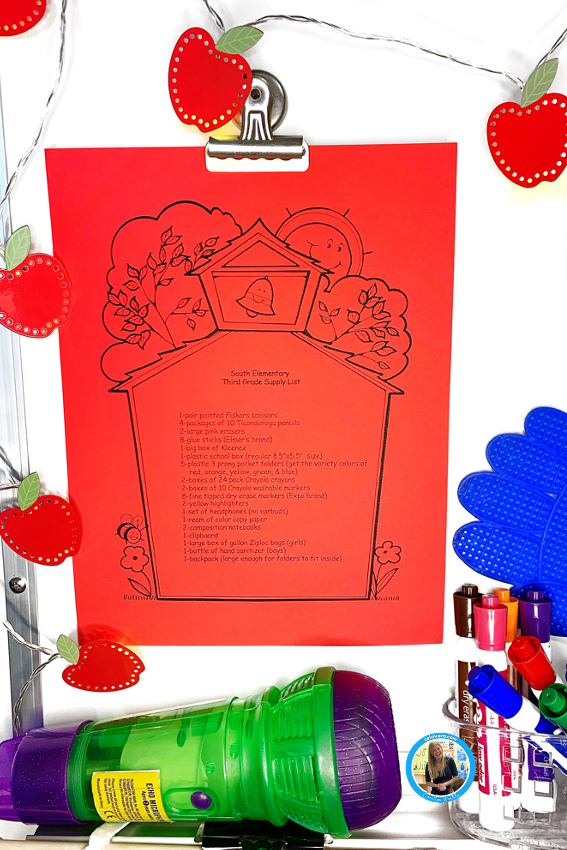
A crucial step in preparing for a smooth school year is creating a detailed school supply list.
This list will not only help ensure that students have everything they need for a successful year, but it can also serve as a helpful tool for teachers and parents.
To create an effective school supply list, it is important to take into account the specific needs of each grade level, subject, and classroom.
In addition to the basics such as pencils, paper, and binders, consider any unique supplies that will be necessary, such as calculators for math class or art supplies for art class.
Also, it may also be helpful to coordinate with other teachers in the same grade or department to ensure consistency in the supplies required.
By taking the time to create a comprehensive school supply list, teachers and students alike can start the school year off on the right foot.
The perfect school supply list lets me avoid any unnecessary stress or headaches down the line.
Your Welcome Letter
Having effective communication with parents and guardians is essential for promoting a successful school year.
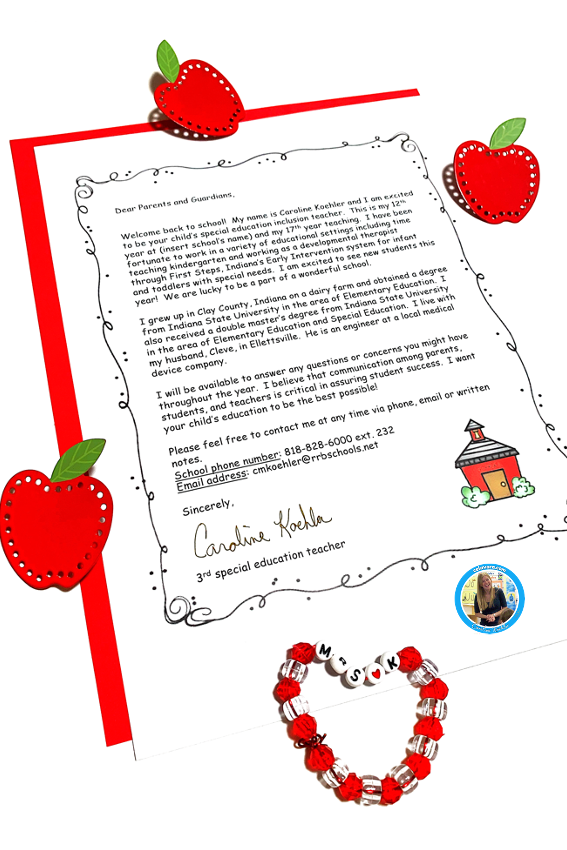
As such, it is important to have your welcome letter ready with contact information readily available for parents and guardians to reach you throughout the year.
Your welcome letter tells a little bit about yourself with includes your teaching style, how long you’ve been teaching, and personal information like your family.
Also, you can include any other procedures in a classroom the parents should be aware of.
Additionally, providing an ample and convenient opportunity for parents to reach out to you is crucial for collaboration and engagement.
Next, set up a reliable communication system such as email or phone numbers where you can be reached on a regular basis.
So, don’t hesitate to reach out to parents to apprise them of their child’s performance and overall growth in class.
Moreover, administrators appreciate regular communication as it showcases your active involvement and commitment to fulfill expected outcomes.
Behavior Discipline Policy
As educators, we all know that creating a positive learning environment is crucial for the success of our students.
One way to achieve this is by implementing a behavior discipline policy in our classrooms.
It is essential to get this policy approved and by the administration early on in the school year.
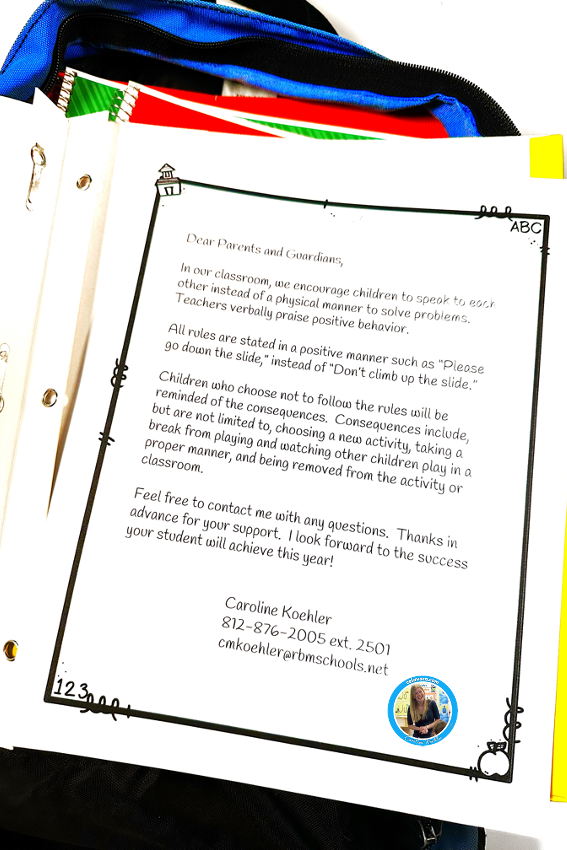
Afterwards, type up procedures in a classroom and send it to the families of your students.
Then, this policy serves to outline the consequences for unacceptable behavior.
This ensures that students understand the expectations and the potential consequences of their actions.
By doing so, we can set a standard for behavior in the classroom and foster a safe and respectful learning environment.
To create a behavior discipline policy, it is important to collaborate with your colleagues and administration to ensure that it aligns with the school’s overall discipline policy.
The policy should clearly outline your expectations for behavior, including rules and guidelines that students are expected to follow.
Additionally, the policy should clarify the steps that you as the teacher will take in enforcing the policy, and how parents will be involved in the disciplinary process.
A behavior discipline policy is a tool to address any unacceptable behaviors that may arise in the classroom and act as guideline to follow.
Use this to establish the procedures in a classroom and be completely transparent with the students and families your are serving.

Curriculum Map
Having your curriculum map ready before the first day of school is an essential procedure for a smooth school year.
A curriculum map is a road map that outlines the goals and objectives of what you want your students to learn throughout the year.
Additionally, having a well-defined curriculum map is an excellent way to stay organized, manage your time effectively, and ensure that you cover all the essential topics.
Before the school year starts, sit down with your team and map out your curriculum for the year, discussing all the items you will teach and assessing your resources and goals.
This will enable you to prepare your lesson plans and materials in advance, giving you more time to focus on individual students and promoting a successful learning experience.
I include topics for each school week along with my main instructional goals for that week.
The curriculum map keeps my classroom rolling and allows me to enforce the procedures in a classroom.
Develop a Daily Schedule
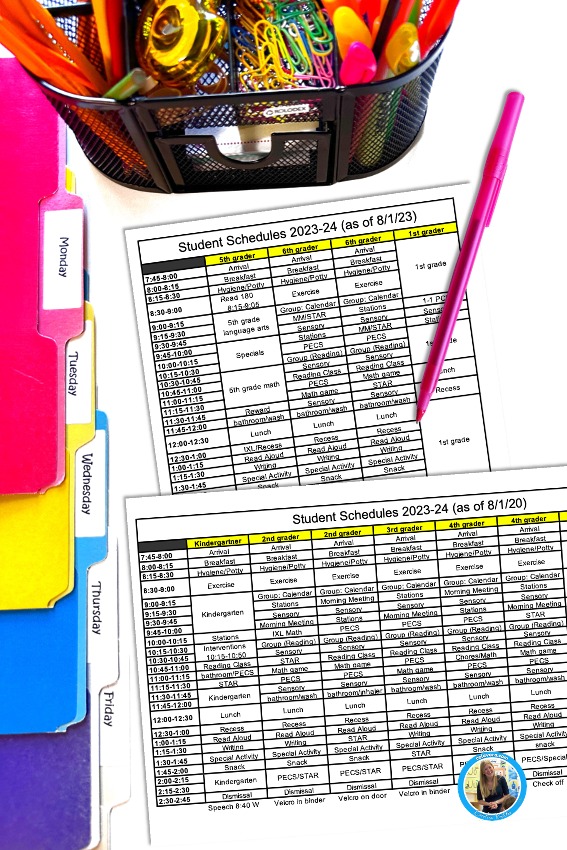
Next, a consistent daily schedule and routine is a crucial component of ensuring a smooth school year.
It establishes structure and predictability for students, which can help them feel more secure and comfortable in the classroom.
Furthermore, a consistent schedule also helps to maximize classroom time and minimize wasted moments, allowing for more efficient use of instructional time.
Additionally, having a routine for procedures in a classroom in place can help students develop healthy habits and foster self-discipline.
Also, it’s essential to establish an appropriate balance between academic learning, physical activity, and social-emotional development within the daily schedule.
Next, a clear and consistent routine also helps to reduce disruptive behavior in the classroom and fosters an environment of respect, responsibility, and commitment to learning.
Teachers should work with their students to establish a daily schedule that supports a classroom culture of engagement, collaboration, and learning.
By maintaining a consistent routine, students are better equipped to manage their time effectively and achieve academic success.

Seating Charts and Other Organizing Lists
When it comes to procedures in a classroom, organization is key.
To ensure a smooth and successful school year, it’s important to have essential procedures in place.
One such procedure is creating and maintaining seating charts, as well as other lists such as bus/car riders, students with allergies, cubbies/lockers assignments, and times for kids to take medications.
The lists of teachers’ is long and detailed which make the procedures in a classroom run smoothly.
Seating charts help to ensure that students are seated appropriately and that they can work effectively with their classmates.
Keeping track of transportation information, allergies, and medications can help you ensure the safety and well-being of your students.
Additionally, keeping track of cubby and locker assignments can help maintain a tidy and organized classroom environment.
By implementing these essential procedures, you can help create a more successful and stress-free learning environment in your classroom.

Set up a Positive and Respectful Learning Environment
Creating a positive and respectful learning environment is essential for promoting student engagement and academic success.
Of course, teachers play a key role in setting the tone of the classroom by establishing expectations and procedures that promote a safe and inclusive learning environment.
To achieve this, teachers should establish clear guidelines for behavior and communication, and consistently reinforce these expectations throughout the school year.
This includes modeling positive behavior, acknowledging and addressing misbehavior in a non-confrontational manner, and providing opportunities for students to share their thoughts and feedback.
Also, I thoroughly enjoy teaching social emotional activities that focus on stress reduction and emotional regulation.
Use these tools during group time, the beginning of class, or transitions to promote a calm and positive classroom.
By creating supportive procedures in a classroom where students feel valued and respected, teachers can foster a love of learning.
Also, this method promotes the development of positive social skills that will serve students beyond the classroom.

Establish a System for Rewarding Positive Behavior
Establishing a system for rewarding positive behavior is an essential procedure in a classroom for a smooth school year.
It not only encourages positive behavior but also helps in maintaining discipline and order in the classroom.
This system allows teachers to recognize and reward students who are exhibiting good behavior, such as being respectful, responsible, and helpful, which in turn motivates other students to do the same.
Positive reinforcement has been proven to be a much more effective way of modifying behavior in students than punishment.
My favorite positive behavior systems are
- I’m Working for Boards
- First Then Boards
- Sticker Charts
- Behavior Charts
- Behavior Bragging
- Stoplight Boards
- Me and We Rules Board
- Countdown Boards
Also, rewarding students for good behavior strengthens the desired behavior and helps to create a positive classroom environment, leaving little room for negative behavior.
Implementing a system for positive reinforcement doesn’t have to be complicated; it can be as simple as giving praise, recognition, or small rewards like stickers or tokens.
By establishing a consistent reward system, students are more likely to feel valued and invested in their learning, leading to a smoother and more productive school year.

Survey Your Students with an Interest Inventory
Surveying your students with an interest inventory is an imperative step that every teacher should take to ensure a smooth school year.
By understanding your students’ interests, passions, and learning styles, you can tailor your lessons to maximize student engagement and learning outcomes.
Next, it’s crucial to make this survey a routine part of your classroom procedures.
This facilitates the creation of a student-centered learning environment where each student feels seen, heard, and valued.
Also, this survey should include questions that allow students to express their likes and dislikes along with their favorite things like colors, foods, and books.
By taking the time to connect with your students on a personal level, you’ll promote a positive and inclusive classroom culture, which is essential for fostering a safe and supportive learning environment.
And, it’s a fun, easy first day of school activity to do with kids from kindergarten to high school!

Routines and Procedures in a Classroom
In conclusion, implementing these essential procedures in a classroom can create a welcoming, safe, organized, and productive learning environment for both teachers and students.
Also, clear guidelines for behavior, communication, classroom management, and safety, allow teachers to effectively manage their classroom and student learning.
Furthermore, these procedures can help build a positive relationship between teacher and student, foster a sense of community and respect.
Ultimately, what you do to set up your procedures in a classroom contributes to a successful school year.


