Deep Breathing Activities for School
Deep breathing activities support emotional regulation, focus, and stress management for students across school, home, and testing environments.
Most educators recognize how quickly stress can surface during transitions, assessments, or emotionally charged classroom moments.
Stress often appears through avoidance, dysregulation, shutdown, or behaviors that interfere with learning and participation.
Students with special needs frequently experience these stressors more intensely and with fewer coping strategies available.
That reality makes proactive regulation instruction essential rather than something addressed only after challenges appear.
Breathing strategies offer students a concrete, portable way to calm their bodies and regain emotional balance.
This post explains how a guided breathing resource supports regulation for students, educators, and families.
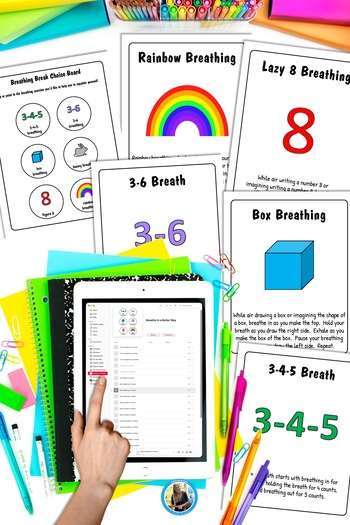
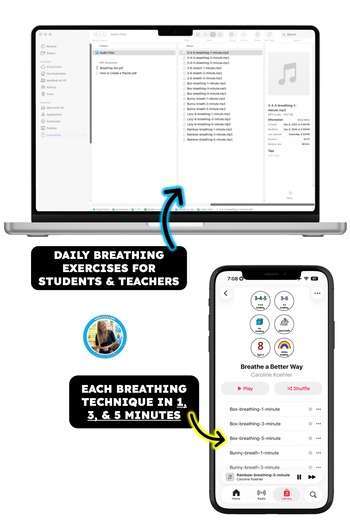
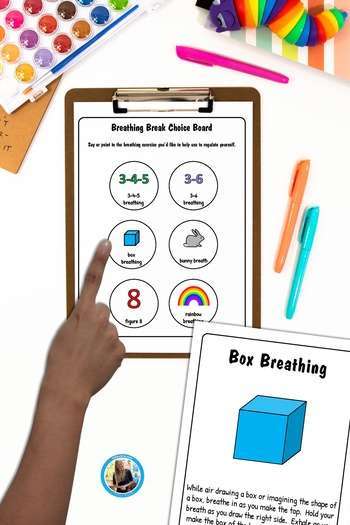
The Deep Breathing to Relax Guided Techniques resource was created to meet real classroom and home regulation needs.

Deep Breathing Activities Build Regulation Skills Before Stress Escalates
Students cannot effectively learn coping strategies when emotions are already heightened or overwhelming.
Deep breathing activities work best when taught intentionally during calm, predictable classroom moments.
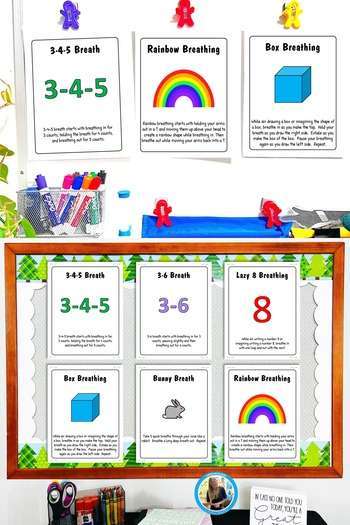
This resource introduces breathing using structured language that feels safe, predictable, and supportive.
Students practice slowing their breathing without the pressure of an immediate behavioral expectation.
Teachers can model the breathing steps during morning meetings or scheduled regulation breaks.
Families can reinforce the same breathing routine during bedtime, morning transitions, or stressful evenings.
Repeated practice helps students internalize the strategy and recall it during moments of stress.
Proactive instruction reduces the intensity and frequency of emotional escalations.
Prepared students respond more calmly when faced with unexpected challenges.
This preparation creates a stronger foundation for emotional regulation throughout the school year.
Amazing Support Focus During Testing and Assessments
Testing environments often increase anxiety, especially for students who struggle with confidence or performance pressure.
Deep breathing activities calm the nervous system and prepare the brain for focused thinking.
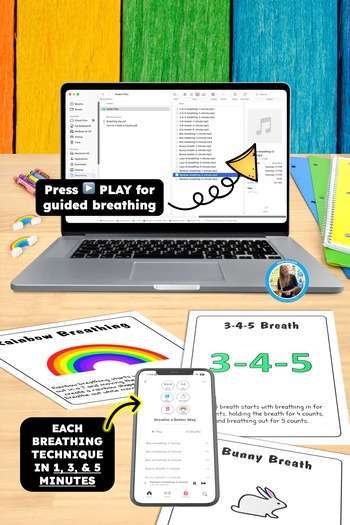
This resource guides students through slow, intentional breathing designed to reduce physiological stress responses.
Teachers can introduce the breathing routine before state assessments or challenging classroom tests.
The breathing sequence can be completed quietly at desks without disrupting other students.
Students regain focus without needing to leave the testing environment or request additional accommodations.
The language validates student emotions while guiding them toward calm and readiness.
Families can use the same routine at home before school on testing days.
Consistent routines reduce anticipatory anxiety related to assessments.
Students approach testing situations with increased confidence and emotional stability.
Practical for School, Home, and Travel
Effective regulation strategies must work across multiple environments, not just within the classroom.
Once learned, deep breathing activities require no materials, equipment, or special preparation to implement.
Students begin connecting physical sensations with emotional experiences.
Teachers can pause during breathing to discuss what students notice internally.
This discussion builds interoceptive awareness over time.
Families can reinforce the same language during calm moments at home.
Students start recognizing stress signals earlier.
Earlier recognition allows for earlier intervention and regulation.
Self-regulation becomes more achievable as awareness increases.
Deep Breathing Activities Support IEP and Social Emotional Learning Goals
Many IEP goals address emotional regulation, self-management, and coping strategies.
Deep breathing activities directly align with these functional skill areas.
This resource provides observable behaviors that teachers can document during instruction.
Students demonstrate skill use through participation rather than worksheets.
Progress monitoring feels natural and meaningful.
SEL instruction remains consistent throughout the school year.
Families appreciate using the same strategies at home.
Home and school alignment strengthens student outcomes.
Students generalize skills more effectively across environments.
Goals feel relevant to real-life situations.
Deep Breathing Activities Reduce Classroom Stress and Adult Burnout
Classroom stress impacts educators just as much as it impacts students.
Deep breathing activities provide a quick reset for the entire learning environment.
This resource fits seamlessly into busy classroom schedules.
Teachers can restore calm without sacrificing instructional time.
Educators benefit personally from intentional breathing practices.
Shared calm reduces emotional fatigue and burnout.
Students mirror adult regulation strategies.
The classroom atmosphere becomes more grounded and supportive.
Calm moments become intentionally built into the day.
Everyone benefits from a slower, more regulated pace.
Build Long-Term Confidence and Independence
Confidence increases when students successfully manage their emotions independently.
Deep breathing activities give students a sense of control during stressful situations.
This resource supports gradual independence with consistent practice.
Students learn they can influence their emotional state.
Teachers gradually step back as students initiate strategies independently.
Families observe increased regulation carryover at home.
Students approach challenges with increased resilience.
Independence supports academic and social success.
Regulation becomes a transferable life skill.
Deep breathing activities empower students and adults to navigate stress with confidence and consistency.
If you want a practical, research-aligned tool that supports calm and focus, download Deep Breathing to Relax Guided Techniques today.
This resource can be used in classrooms, cars, hallways, waiting rooms, or community settings.
Teachers can implement breathing during transitions, schedule changes, or emotionally charged moments.
Parents can guide breathing during errands, appointments, or stressful family routines.
Educators are encouraged to use the breathing strategies for their own regulation.
Adult modeling increases student buy-in and normalizes regulation strategies.
Students notice when adults actively use calming techniques.
This shared practice strengthens trust and emotional safety.
Regulation strategies become part of everyday life rather than crisis tools.
Deep Breathing Activities Help Students Recognize Internal Body Signals
Many students struggle to recognize early physical signs of stress or emotional escalation.
Deep breathing activities encourage students to slow down and notice body sensations.
This resource prompts students to observe changes in breathing, heart rate, and tension.
Students begin connecting physical sensations with emotional experiences.
Teachers can pause during breathing to discuss what students notice internally.
This discussion builds interoceptive awareness over time.
Families can reinforce the same language during calm moments at home.
Students start recognizing stress signals earlier.
Earlier recognition allows for earlier intervention and regulation.
Self-regulation becomes more achievable as awareness increases.
Support IEP and Social Emotional Learning Goals
Many IEP goals address emotional regulation, self-management, and coping strategies.
Deep breathing activities directly align with these functional skill areas.
This resource provides observable behaviors that teachers can document during instruction.
Students demonstrate skill use through participation rather than worksheets.
Progress monitoring feels natural and meaningful.
SEL instruction remains consistent throughout the school year.
Families appreciate using the same strategies at home.
Home and school alignment strengthens student outcomes.
Students generalize skills more effectively across environments.
Goals feel relevant to real-life situations.

Reduce Classroom Stress and Adult Burnout
Classroom stress impacts educators just as much as it impacts students.
Deep breathing activities provide a quick reset for the entire learning environment.
This resource fits seamlessly into busy classroom schedules.
Teachers can restore calm without sacrificing instructional time.
Educators benefit personally from intentional breathing practices.
Shared calm reduces emotional fatigue and burnout.
Students mirror adult regulation strategies.
The classroom atmosphere becomes more grounded and supportive.
Calm moments become intentionally built into the day.
Everyone benefits from a slower, more regulated pace.
Deep Breathing Activities Build Long-Term Confidence and Independence
Confidence increases when students successfully manage their emotions independently.
Deep breathing activities give students a sense of control during stressful situations.
This resource supports gradual independence with consistent practice.
Students learn they can influence their emotional state.
Teachers gradually step back as students initiate strategies independently.
Families observe increased regulation carryover at home.
Students approach challenges with increased resilience.
Independence supports academic and social success.
Regulation becomes a transferable life skill.
Deep breathing activities empower students and adults to navigate stress with confidence and consistency.
If you want a practical, research-aligned tool that supports calm and focus, download Deep Breathing to Relax Guided Techniques today.