


From Chaos to Calm: Strategies for Creating an Environment of Classroom Positivity
Creating a positive and calm environment in the classroom is an important piece of producing student who turn into life long learners. 🎓
As educators, we have the power to shape the minds and futures of our students. Fostering an atmosphere of positivity can have a profound impact on their overall well-being and academic success.
From chaos to calm, this topic explores effective strategies for transforming a classroom into a space where students feel safe, supported, and motivated to learn.
Whether it’s implementing mindfulness practices, promoting open communication, or incorporating positive reinforcement techniques, this guide will provide you with practical tips and insights to create an environment that cultivates positivity and enhances student engagement.
Join us on this journey as we delve into the key elements that contribute to a positive classroom environment. 🛣️
Discover how you can empower your students to thrive both academically and personally.
Let’s embark on this transformative journey together and unlock the potential for a brighter, more harmonious classroom experience.
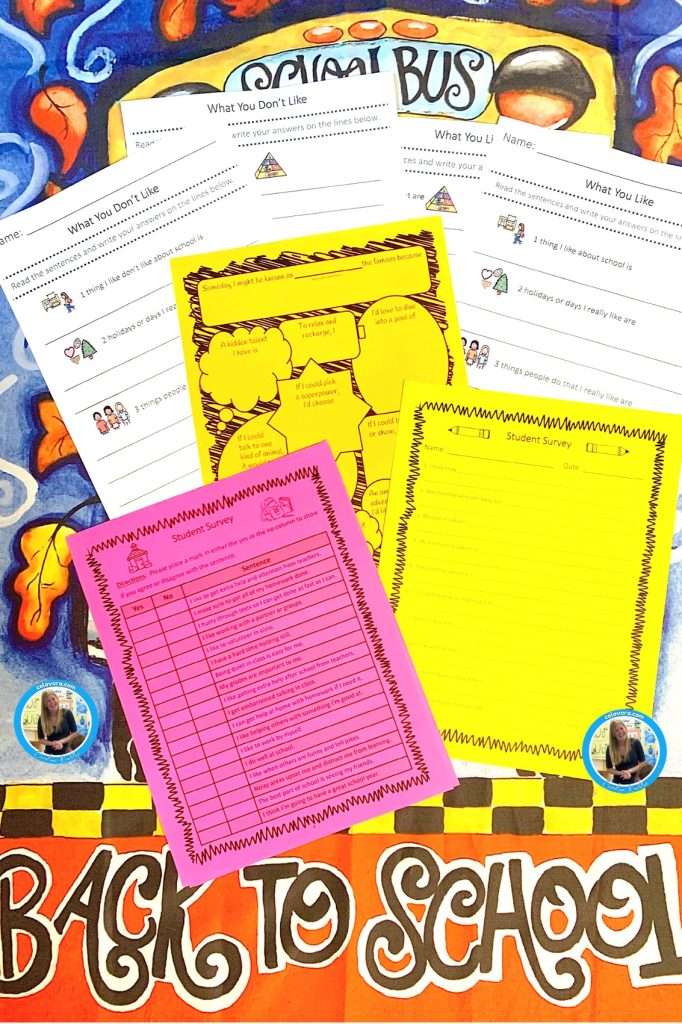
The Importance of a Positive Classroom Environment
A positive classroom environment sets the stage for effective teaching and learning.
When students feel safe, supported, and valued, they are more likely to actively participate in class, take risks, and engage in deep learning.
Creating a positive classroom environment starts with building strong relationships and establishing a sense of belonging among students.
This can be achieved by getting to know your students individually, showing genuine interest in their lives, and creating opportunities for them to connect with one another.
Additionally, creating a physically welcoming and organized classroom space can contribute to a positive atmosphere. ✨
Consider arranging desks in a way that promotes collaboration and easy movement, displaying student work, and incorporating elements of color and comfort.
By prioritizing these aspects, you are setting the foundation for a positive classroom environment that fosters growth and success.

The Impact of a Positive Classroom Environment on Student Learning
A positive classroom environment has a direct impact on student learning and achievement.
When students feel safe and supported, they are more likely to take academic risks, ask questions, and actively participate in class discussions.
This leads to a deeper understanding of the material and increased motivation to succeed. 🎓
A positive classroom environment also promotes positive social interactions among students, which can enhance their social and emotional development.
Research has shown that students who feel a sense of belonging and connection in the classroom are more likely to have higher self-esteem, better mental health, and improved overall well-being.
By creating a positive classroom environment, you are not only setting your students up for academic success but also equipping them with the necessary skills and mindset to thrive in all areas of life.
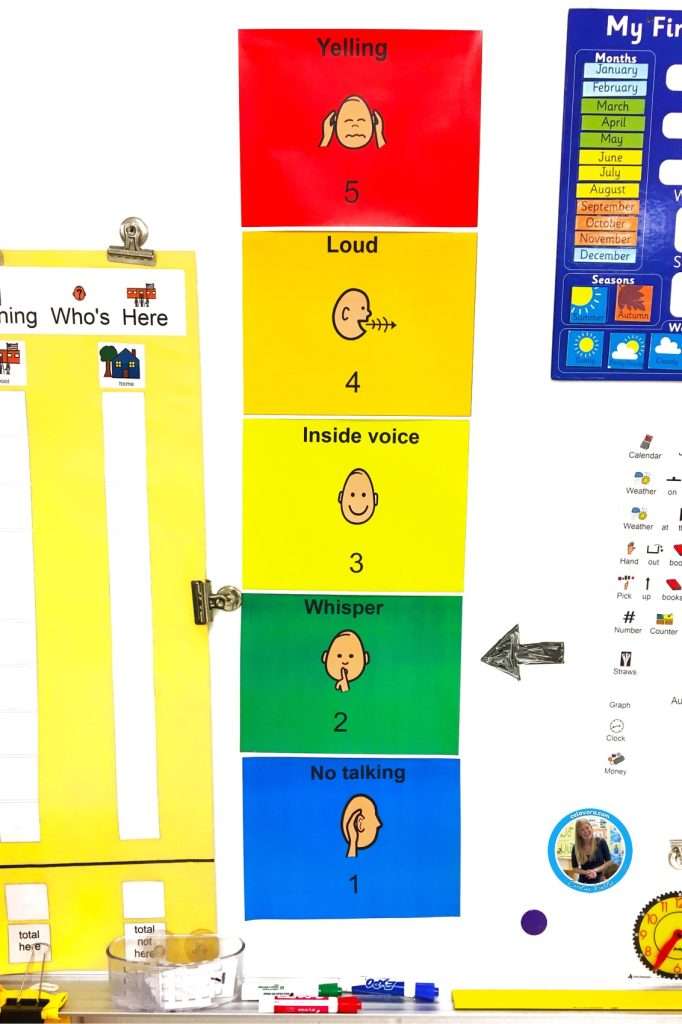
Creating a Positive Classroom Culture
Creating a positive classroom culture is essential for fostering a sense of community and promoting positivity.
One way to achieve this is by establishing clear expectations and routines. 📝
Clearly communicate your expectations for behavior, academic performance, and classroom procedures from the beginning of the school year.
Consistency is key in reinforcing these expectations and holding students accountable.
By providing a structured and predictable environment, students feel more secure and are more likely to engage in positive behaviors.
In addition, celebrate and acknowledge students’ achievements and efforts regularly.
This can be done through verbal praise, certificates, or other forms of recognition.
By focusing on the positive, you are reinforcing a culture of appreciation and encouragement.

Establishing Clear Expectations and Routines
Establishing clear expectations and routines is crucial for maintaining a positive classroom environment.
Clearly communicate your expectations for behavior, academic performance, and classroom procedures from the start of the school year. 📣
Consistency is key in reinforcing these expectations and holding students accountable.
By providing a structured and predictable environment, students feel more secure and are more likely to engage in positive behaviors.
Implementing daily routines, such as morning meetings or check-ins, can also help create a sense of order and community in the classroom.
These routines provide students with a predictable and safe space to share their thoughts and feelings, fostering a sense of belonging and connection.

Developing Students’ SEL Skills
Social-emotional learning (SEL) skills play a crucial role in creating a positive classroom environment.
SEL skills include self-awareness, self-management, social awareness, relationship skills, and responsible decision-making. 🤗
No matter what grade level you teach, have a feelings and emotions poster in your classroom.
Humans are emotions beings but we often are unable to express how we are feeling.
By incorporating SEL into your teaching practices, you are helping students develop the necessary skills to navigate social interactions, manage their emotions, and make responsible choices.
This can be done through explicit instruction, role-playing activities, and regular reflection exercises.
By prioritizing SEL, you are equipping your students with the tools they need to succeed academically and thrive personally.
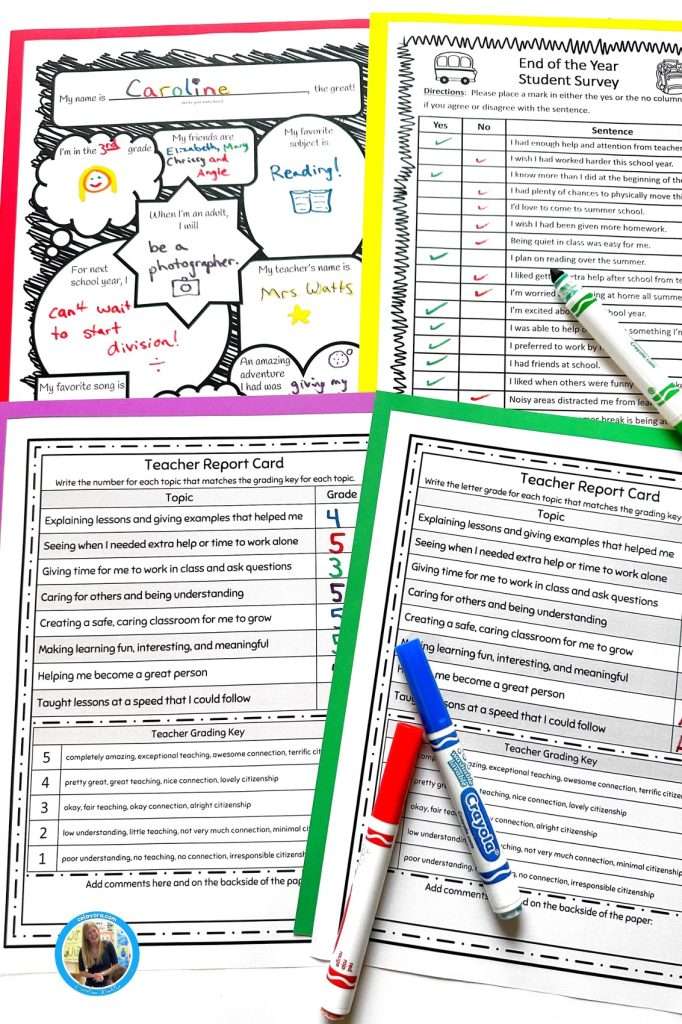
Encouraging Open Communication and Problem-Solving
Open communication and problem-solving are essential components of a positive classroom environment.
Encourage your students to express their thoughts, ideas, and concerns openly and respectfully. 👂
Create a safe space where students feel comfortable sharing their opinions and engaging in discussions.
A great example of this is a calm down corner with fidgets and emotional regulation tools.
Another way to create a comfortable environment is a tattle box.
This can be for young or old students who need to tell you something that may be private.
And, let me tell you what, you never know what you can learn from the tattle box.
Teach students effective communication skills, such as active listening and constructive feedback.
Additionally, promote problem-solving skills by encouraging students to work collaboratively, think critically, and find solutions to challenges.
By fostering open communication and problem-solving, you are empowering your students to become effective communicators, critical thinkers, and active contributors to their learning community.
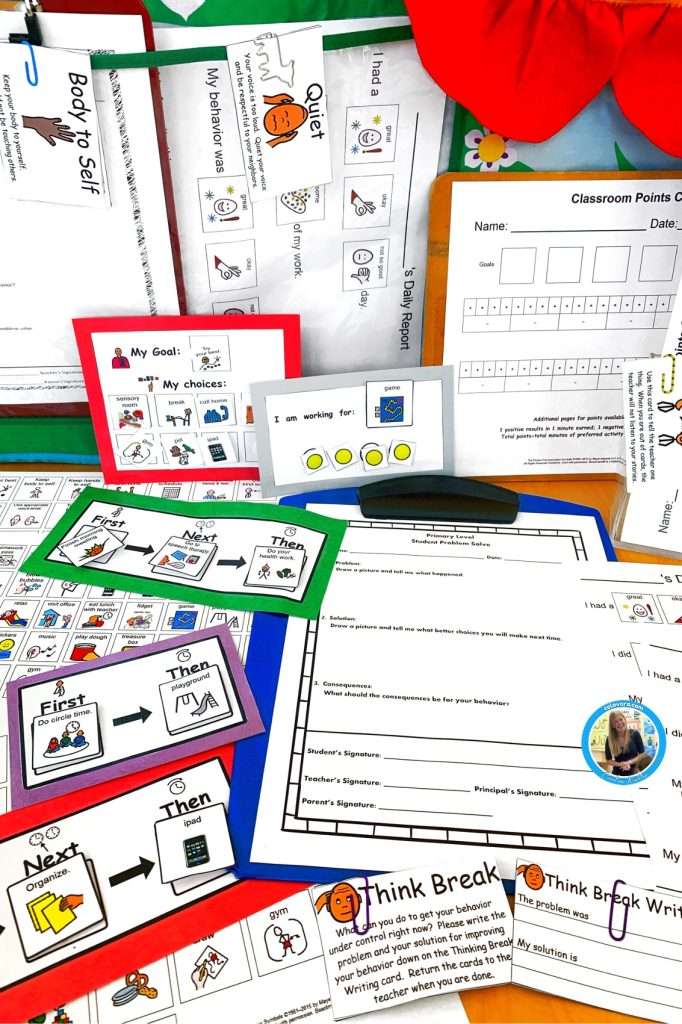
Implementing Effective Behavior Management Strategies
Effective behavior management strategies are vital for maintaining a positive classroom environment.
Use positive reinforcement techniques, such as praise, rewards, and incentives, to encourage positive behavior.
Be proactive in addressing behavioral issues by providing guidance and support to students who may be struggling.
Celebrate successes, acknowledge growth, and share times of disappointment and trouble.
All of these acts help normalize success, failure, and growth. 👌
Additionally, consider implementing restorative practices, such as peace circles or conflict resolution strategies, to address conflicts and promote understanding.
By implementing effective behavior management strategies, you are creating a supportive and respectful classroom environment where all students can thrive.

Fostering a Growth Mindset in the Classroom
Fostering a growth mindset in the classroom is key to creating a positive learning environment.
Encourage your students to embrace challenges, persist in the face of obstacles, and believe in their ability to grow and improve.
Teach them about the power of yet (“I can’t do it yet”) and the importance of effort and perseverance.
Provide constructive feedback that focuses on effort, progress, and specific strategies for improvement.
Celebrate mistakes as learning opportunities and encourage students to view failures as stepping stones to success. 💗
By fostering a growth mindset, you are cultivating a classroom culture where students are motivated, resilient, and open to new possibilities.
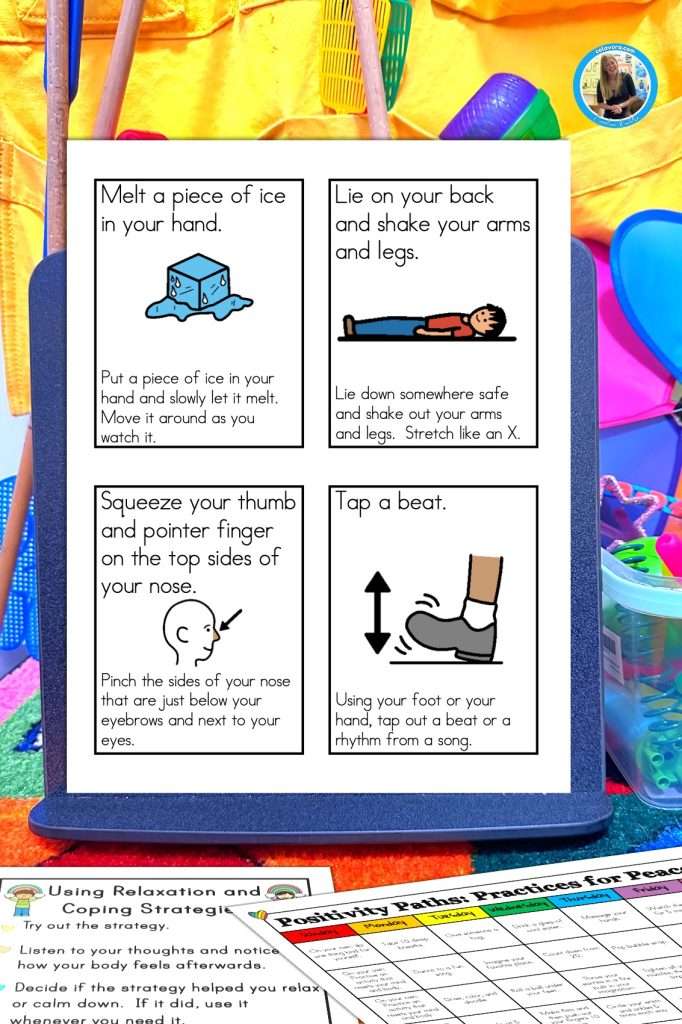
Incorporating Mindfulness and Self-Care Practices
Incorporating mindfulness and self-care practices in the classroom can contribute to a positive and calm learning environment.
Teach your students simple mindfulness techniques, such as deep breathing or guided meditation.
This can help them manage stress, improve focus, and regulate their emotions. 💖
Incorporate regular movement breaks or physical activities to promote physical well-being and enhance concentration.
Encourage self-care practices, such as journaling or engaging in hobbies, to help students develop healthy coping mechanisms and build resilience.
By incorporating mindfulness and self-care practices, you are equipping your students with tools to navigate the challenges of academic life and promote overall well-being.
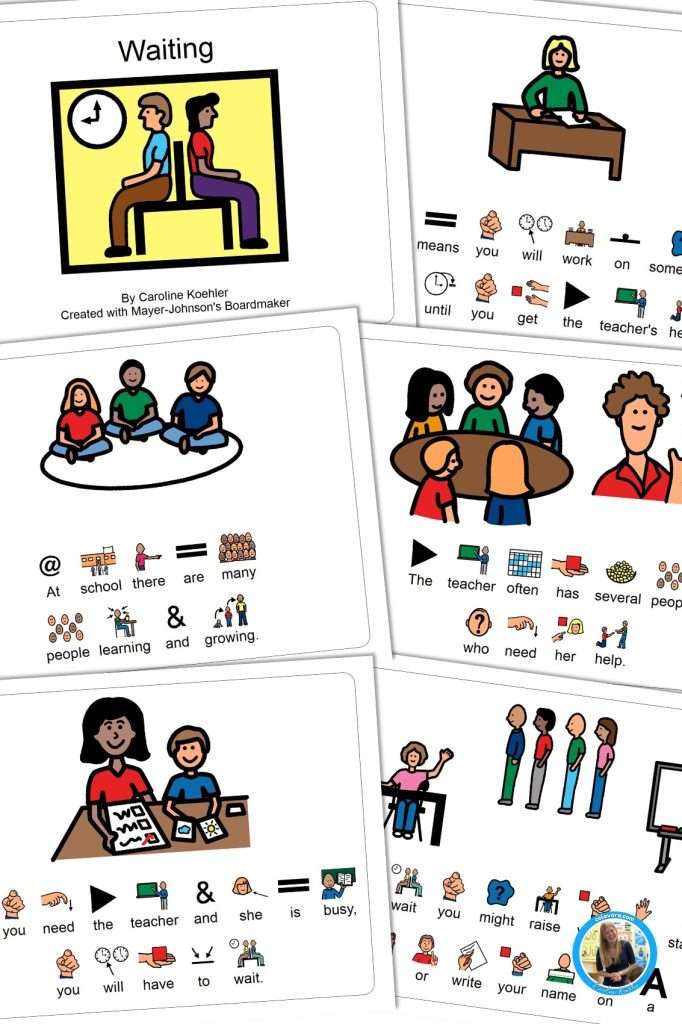
Transforming Chaos Into Calm in the Classroom
Creating a positive and calm classroom environment is not an overnight process, but it is a journey worth embarking on.
Start with prioritizing clear expectations, promoting open communication, and fostering a growth mindset.
This allows you to transform your classroom from a place of chaos to a space of calm and productivity. 🧘♀️
Remember to be patient and flexible with your students and yourself, as building a positive classroom environment takes time and effort.
By investing in creating a positive classroom environment, you are investing in the well-being and success of your students.
Together, let’s create a place where positivity thrives, students feel empowered, and the learning environment of classroom becomes a joyful experience.


