Progress Monitoring Made Simple – A Teacher’s Guide to Data Collection

Progress monitoring is the key to effective instruction especially with behavior management goals.
However, with the demands of daily lesson planning and instruction, finding the time and resources to effectively monitor student progress can be a daunting task.
As educators, we are constantly striving to improve our teaching practices and ensure that our students are making progress in their learning.
This is where data collection and progress monitoring come into play.
By regularly tracking and analyzing student data, teachers can identify areas of strengths and weaknesses.
This allows educators to make informed instructional decisions, and ultimately support student growth and achievement.
But the process of data collection and progress monitoring can often seem overwhelming and complex.
In this article, we will break down the key concepts of progress monitoring and provide a comprehensive guide for teachers on how to simplify this valuable process.
From understanding the purpose of data collection to implementing practical strategies in the classroom, this guide will equip teachers with the necessary tools to make progress monitoring a simple and seamless part of their teaching practice.
Let’s dive in and discover the power of progress monitoring in promoting student success.

What is progress monitoring?
Progress monitoring is a valuable tool that allows teachers to track and assess the academic progress of their students over time.
It involves regularly collecting data on student performance and using that information to make informed instructional decisions.
By continuously monitoring and analyzing student data, teachers can identify areas of strength and areas that need improvement, enabling them to tailor their instruction to meet the individual needs of each student.
Progress monitoring provides a way for teachers to measure student growth.
This includes identifying any gaps in learning, and making necessary adjustments to teaching strategies.
Additionally, it enables teachers to communicate student progress with parents and other stakeholders.
Communication through progress monitoring fosters a collaborative approach to supporting student learning.
With the right tools and strategies in place, progress monitoring can be a simple and effective way for teachers to monitor student progress and make data-driven decisions in the classroom.
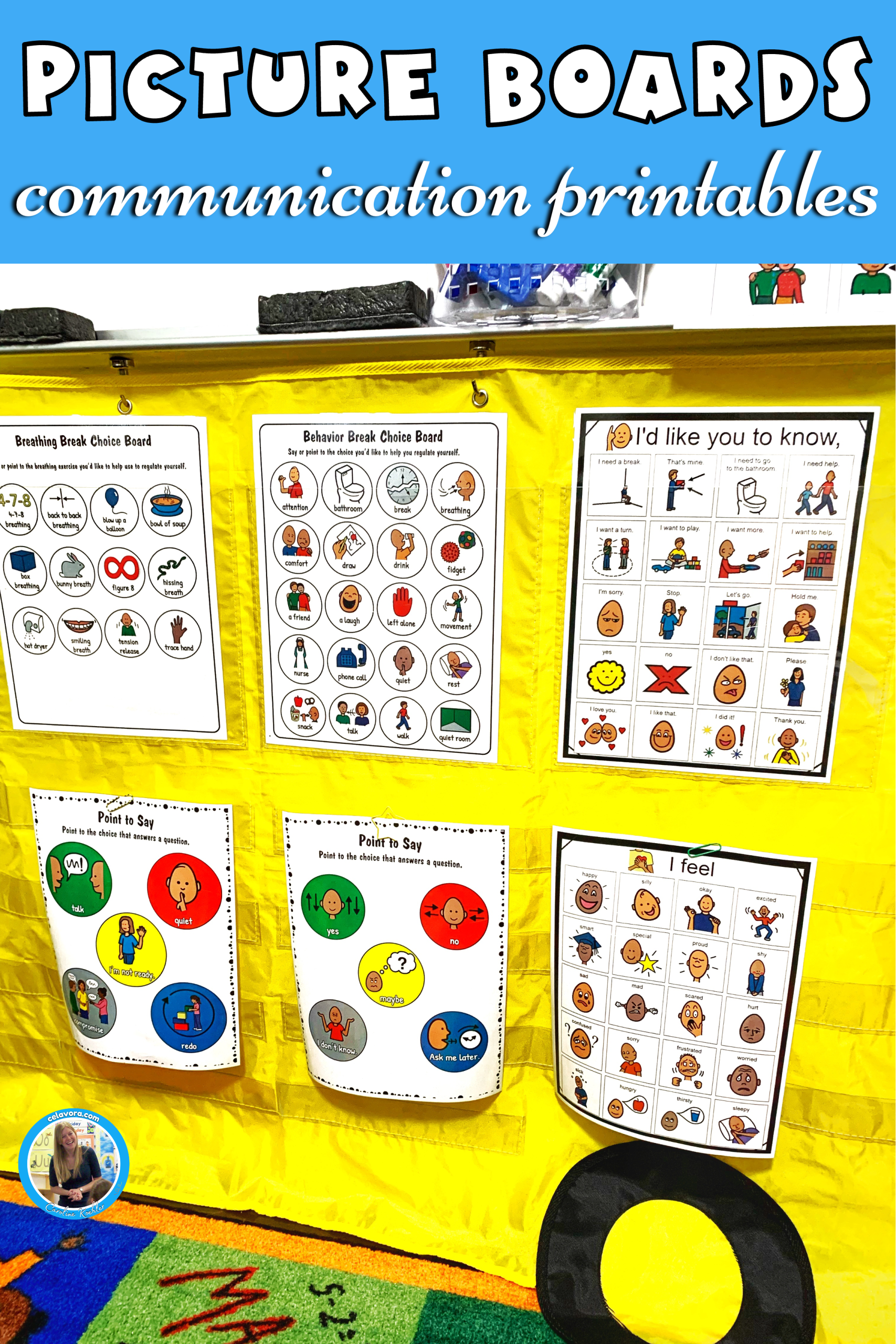
To watch Caroline explain the Traffic Light board featured below, click here.

Collect data effortlessly with data sheets
One of the most efficient and user-friendly tools for collecting data effortlessly in the classroom is the data sheet.
A data sheet is a simple document that allows teachers to record and organize information about student performance, behavior, or other relevant data points.
With a well-designed data sheet, teachers can easily track and document student progress over time, making it easier to identify patterns and trends.
By using a data sheet, teachers can streamline the data collection process, saving time and effort.
Whether it’s tracking reading fluency, math skills, or behavior observations, a data sheet can be customized to fit the specific needs of each teacher and their students.
With this valuable tool in hand, progress monitoring becomes a breeze, empowering teachers to make informed decisions and drive student success.

Use a portfolio for efficiency and organization
In addition to using data sheets, another effective tool for efficiency and organization in progress monitoring is a portfolio.
A portfolio is a collection of student work samples, assessments, and other evidence of learning that provides a comprehensive view of their progress and growth over time.
By utilizing a portfolio, teachers can easily track and document student achievements, strengths, and areas for improvement.
With everything compiled in one place, it becomes much simpler to review and analyze student performance.
This is very important when it’s time to report out on goals particularly for IEPs.
Furthermore, portfolios allow for better communication with student and parents as they provide a tangible representation of a student’s progress and accomplishments.
By incorporating portfolios into the data collection process, educators can streamline their assessment practices and enhance their ability to support student learning effectively.
Don’t get overwhelmed with progress monitoring paperwork
When it comes to progress monitoring, it’s easy to feel overwhelmed with paperwork.
However, there are strategies you can implement to simplify the process and make it more manageable.
One approach is to utilize technology tools that can automate data collection and analysis.
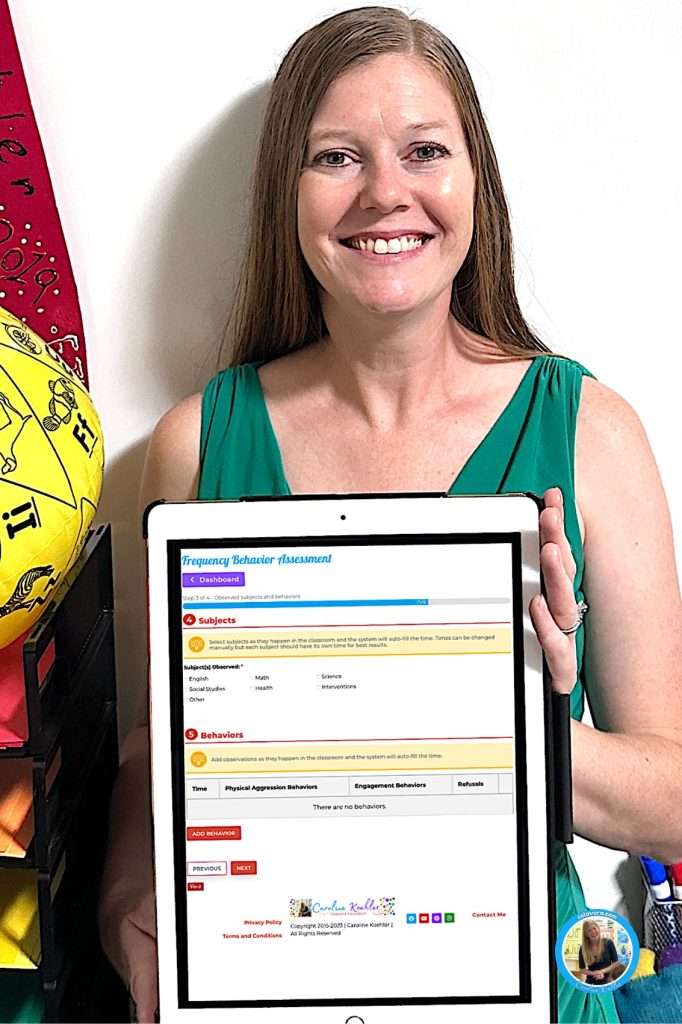
For example, my teacher membership, SPED Up Paperwork, allows you to input student data, track progress, and generate detailed reports with just a few clicks.
By leveraging these tools, you can save time and energy that would have been spent on manual paperwork.
This gives you more time to focus on supporting your students’ growth and development.
So don’t let paperwork bog you down – embrace technology and make progress monitoring a breeze!
Click here to learn more about SPED Up Paperwork and what it can do for you.

Set realistic data collection goals
When setting goals for data collection, it’s important to be realistic and consider your available resources and time constraints.
Instead of aiming to collect data on every single aspect of your students’ progress, identify the specific areas that are most relevant and meaningful to your instructional goals.
If you are monitoring IEP goals, focus specifically on the data need for the goal.
By focusing on a few key data points, you can ensure that the data collection process is manageable and efficient.
Additionally, consider the frequency of data collection.
While it may be tempting to collect data on a daily basis, it’s important to strike a balance that allows for meaningful insights without overwhelming yourself or your students.
You can aim to collect data 2-3 times a week, weekly, or even monthly.
This doesn’t mean you aren’t working on your established goals daily.
Instead, it means that you are only taking the data from your goals on certain days.
By setting realistic goals, you can streamline the data collection process and make it more effective in informing your instructional decisions.
Make data collection a routine
In order to make data collection a routine and simplify the process, it can be helpful to establish a structured system.
Start by creating a schedule or calendar specifically dedicated to data collection.
This will help you stay organized and ensure that you consistently collect the necessary data at the designated times.
Additionally, consider utilizing technology tools, again like SPED Up Paperwork, that can automate certain aspects of data collection, such as digital spreadsheets or online platforms.
These tools can save you time and effort, allowing you to focus more on analyzing the data and using it to inform your instructional strategies.
Remember, making data collection a routine not only benefits you as a teacher, but also has a positive impact on your students’ learning and progress.
To see Caroline put together the chance board featured below, click here.

Use progress monitoring checklists for organization
One effective strategy for staying organized and streamlining the data collection process is to use checklists.
Checklists serve as visual reminders of the specific tasks you need to complete and help ensure that no important information or steps are overlooked.
By creating a checklist tailored to your data collection needs, you can stay on track and confidently gather the necessary information.
Whether it’s recording attendance, tracking behavior incidents, or monitoring academic progress, having a checklist can help you stay organized and focused.
Plus, the satisfaction of checking off completed tasks can provide a sense of accomplishment and motivation.
Another key point in checklists favor is that each time you gather data, your results are organized in the same manner.
This lets you analyze your results quickly and make changes as needed.
So, consider incorporating checklists into your data collection routine and experience the benefits of improved organization and efficiency.
Simplify data analysis process
Another way to simplify the data analysis process is by utilizing technology and software designed specifically for data collection and analysis.
With the advancement of technology, there are now various tools available that can automate and streamline the data analysis process.
These tools can help you collect, organize, and analyze data more efficiently, saving you time and effort.
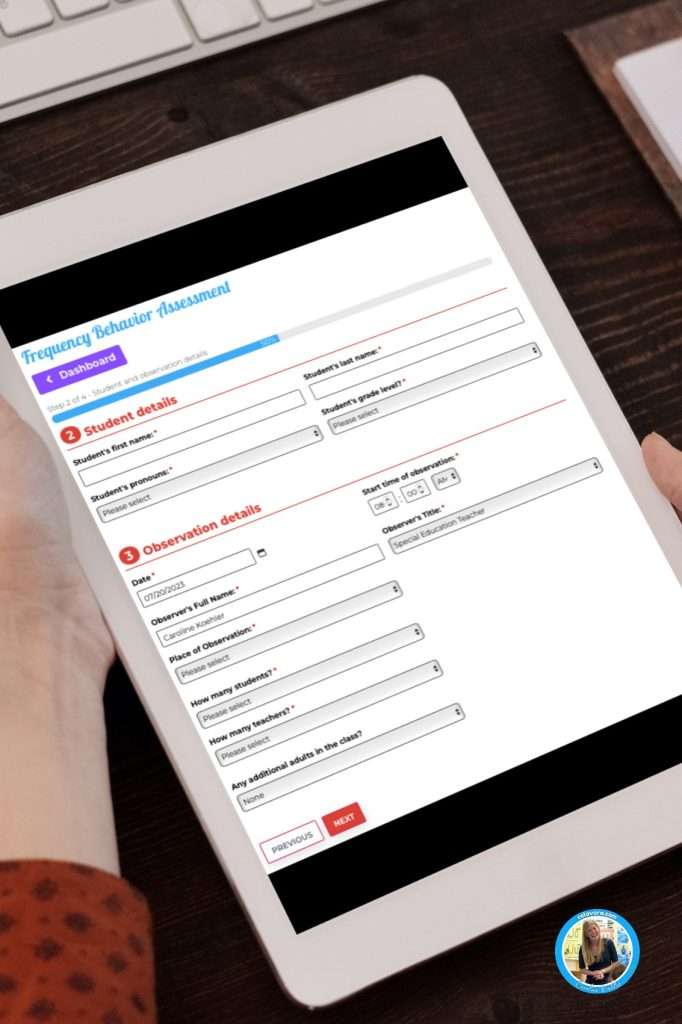
SPED Up Paperwork is a membership for teachers that allows them to quickly generate paperwork.
This platform provides six different tools for teachers to use including
- Functional Behavior Assessments
- Behavior Contracts
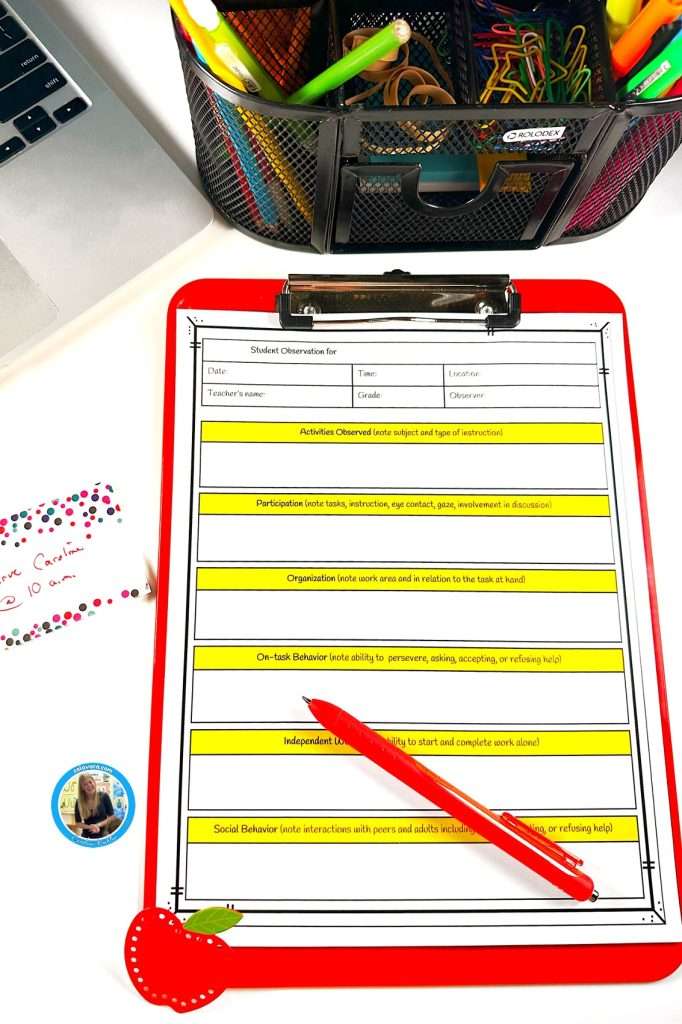
- Student Observations
- Transition Assessments
- Crisis Plans
- Behavior Plans
Teachers use forms to add student specific data and then receive a pdf document or outlined plan based on the information they included.
These tools can cut teachers’ paperwork time in half.
By embracing these technological solutions, you can simplify the data analysis process and focus more on deriving insights.
Ultimately this leads to making informed decisions based on the data collected.
Get students involved in progress monitoring
Encouraging students to actively participate in tracking their own progress can be a powerful strategy to enhance their learning experience.
By involving students in the process of data collection and analysis, you empower them to take ownership of their learning.
Also, this enables students to develop essential skills such as goal setting, self-reflection, and self-assessment.
This can be done through simple methods like keeping track of completed assignments, setting personal goals, or using digital tools to monitor their own progress.
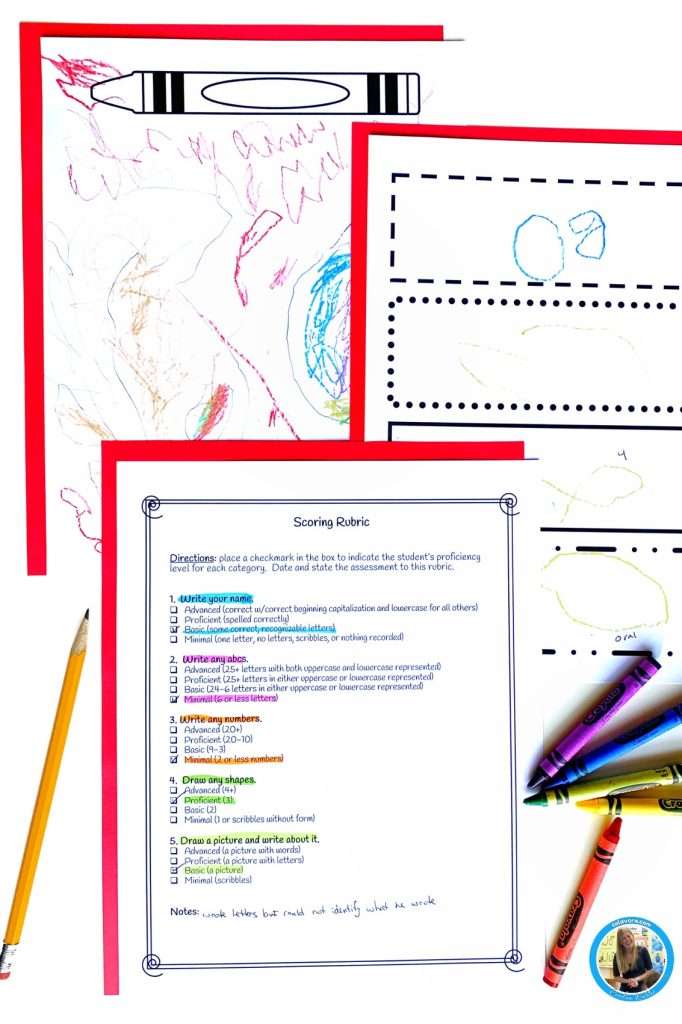
I love having students complete rubrics for assignments.
Then, the student and I discuss the rubric, I add my initials, and I have an ongoing sheet of data.
By incorporating student involvement in tracking, a collaborative and student-centered learning environment that promotes growth and achievement is created.

Use data to inform instruction
In addition to student involvement, using data to inform instruction is another effective approach to drive student success.
By collecting and analyzing data on student performance, teachers can gain valuable insights into their students’ strengths, areas for improvement, and individual needs.
This data-driven approach allows educators to tailor their instruction and interventions to better meet the unique learning needs of each student.
Whether it’s analyzing formative assessments, reviewing standardized test scores, or tracking student growth over time, utilizing data can help teachers make informed decisions and implement targeted strategies.
By leveraging the power of data, teachers can unlock the potential of their students and ensure they are receiving the support and resources they need to thrive academically.
And there you have it – a simple guide to progress monitoring for teachers.
Remember, the key is to find a system that works for you and your students.
Whether it’s through checklists, charts, or digital tools, regularly monitoring your students’ progress is crucial for their academic success.
With patience, organization, and the right tools, progress monitoring can become a seamless part of your teaching routine.
So, don’t be afraid to try out different methods and find what works best for you and your students.
Now, go grab your data collection clipboard and start progress monitoring!