Special Education Teaching Interview Questions You Need to Know
If you’re getting ready for a job in special education, you’ve probably Googled “special education teaching interview questions” at least once—or twenty times.
Totally normal.
Whether you’re fresh out of your credential program, switching roles, or an admin prepping your interview questions list, this post is for you.
I’ll walk you through how to prepare and what kinds of questions you can expect.
Plus, I’ll show you a few helpful resources that can make this process way smoother and less stressful.
Let’s get started.

How to Prepare for a Special Education Interview
Preparing for a teaching interview is a job all on its own.
But with the right steps, you can show up feeling organized and confident.
Start by gathering all your materials.
You’ll need a strong cover letter, a clear and concise resume, a written philosophy of education, and a polished portfolio.
Practice answering common special education teaching interview questions out loud.
This helps you become more comfortable and articulate.
Mock interviews with a friend or colleague can be incredibly helpful.
Create a digital or printed portfolio to showcase your experience.
Include lesson plans, behavior strategies, IEP examples (with student info removed), and recommendation letters.
This lets the interview team see your approach in action.
Finally, make sure your materials reflect your strengths and readiness for the role.
The goal is to show you’re not just qualified—you’re ready to go on day one.

10 Behavior Management Special Education Teaching Interview Questions
Behavior is one of the biggest parts of special education, so expect focused questions.
These questions help hiring teams learn how you support students and maintain structure.
Here are 10 solid questions to prepare for:
- How do you respond to challenging behavior in the classroom?
- Can you describe a time you successfully de-escalated a situation?
- What role does a Behavior Intervention Plan (BIP) play in your classroom?
- How do you teach expectations to students with different learning needs?
- What strategies do you use for proactive classroom management?
- How do you collaborate with paras or support staff on behavior plans?
- What do you do when a student refuses to participate?
- How do you reinforce positive behavior consistently?
- What role does data play in behavior support?
- How do you communicate behavioral progress to families?
These questions go beyond theory—they show how you put systems into place.
Have examples ready to demonstrate your strategies in real settings.

10 IEP Documentation and Services Special Education Teaching Interview Questions
If you’re heading into special education, you’ll work with a lot of paperwork.
IEPs are at the heart of the job, and you’ll want to show your understanding of them.
Here are 10 IEP-related interview questions you might be asked:
- How do you write a Present Levels of Performance (PLAAFP) statement?
- How do you ensure IEP goals are measurable and achievable?
- How do you collect data to monitor IEP progress?
- How do you coordinate with service providers like speech or OT?
- What do you do if a parent disagrees with part of the IEP?
- How do you manage timelines and stay compliant with due dates?
- How do you modify instruction to meet IEP goals?
- How do you lead an IEP meeting confidently and collaboratively?
- How do you use progress monitoring tools?
- How do you handle last-minute IEP changes or emergencies?
Showing that you know the IEP process inside and out can really set you apart.
Be specific and show how your systems keep you organized and effective.

10 Student Support Special Education Teaching Interview Questions
Supporting students in and out of the classroom is a huge part of special education.
You’ll want to show that you’re ready to collaborate, adapt, and communicate.
Here are 10 questions focused on student support:
- How do you build strong relationships with your students?
- How do you involve families in student success?
- What strategies do you use to help students stay on task?
- How do you manage student workload to reduce overwhelm?
- How do you provide accommodations in general education settings?
- How do you support students during transitions between activities or classes?
- How do you collaborate with general ed teachers?
- How do you track student participation and engagement?
- How do you identify when a student needs more intensive support?
- How do you advocate for students’ needs during team meetings?
These questions show your ability to think beyond your classroom.
Be ready with real-world strategies that reflect flexibility and student-centered thinking.
Writing Your Philosophy of Education
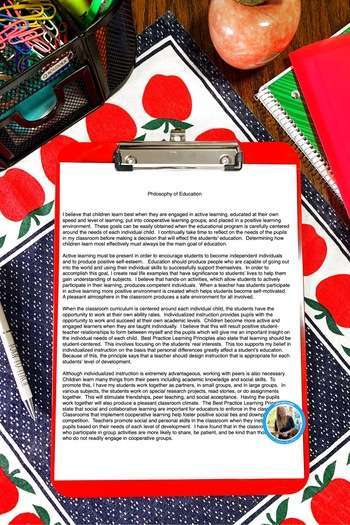
You might get asked about your philosophy of education—so don’t wing it.
This is your chance to explain what drives your teaching style and beliefs.
My Philosophy in Teaching Editable Philosophy Statement for Teaching Templates can guide you step by step.
It’s editable in Word and Google Docs, so it’s easy to personalize.
This resource includes sentence starters and reflection questions to help you articulate your beliefs.
For example, one section prompts you to explain how you support diverse learners.
Another guides you to define your view of student success.
You can easily copy, paste, and tweak the template to match your experience.
Use it as a standalone document or include it in your portfolio.
Hiring teams will appreciate your clear, thoughtful explanation of how you teach and why.
Don’t skip this!
One principal I worked with started giving candidates a blank piece of paper and pen with the prompt of writing out their philosophy of education.
Wouldn’t it be helpful for you to have yours in your portfolio ready for you to copy down?

Building a Resume and Cover Letter That Stand Out
Your resume and cover letter introduce you before you ever speak.
Make sure they’re clean, clear, and tailored to the job you want.
My Resumes for Teacher Jobs | Editable Teacher Resume Template with Cover Letter is built for teachers and includes everything you need.
This digital download includes editable templates in Word and Google Docs.
There’s a space for your certification info, teaching experience, and relevant skills.
The matching cover letter template walks you through a clear structure.
You can easily plug in your details and adjust the language to match the school’s tone.
A great cover letter tells your story—why you teach and how you’re the right fit.
These templates save you hours of formatting and stress.
Use the time you save to prep those special education teaching interview questions instead!

Creating a Strong Teaching Portfolio for Special Education Teaching Interview Questions
Your portfolio is where everything comes together.
It should include your resume, cover letter, philosophy of education, sample work, and recommendations.
My Teaching Recommendation Letter of Recommendation Colleague SPED Student Teacher product helps you build that last piece—credible, personal letters.
Inside, you’ll find editable templates for colleague, administrator, and cooperating teacher letters.
Each one includes a solid structure and example wording you can adapt.
If you’re writing a request for someone else to fill out, this also saves them time.
A polished letter of recommendation gives your interviewers a fuller picture of who you are.
Include these in a digital PDF portfolio or print them in a folder.
The more organized and complete your materials, the more confident you’ll feel walking in.
These letters validate what you’ve shared about yourself—and that matters.

Special Education Teaching Interview Questions
Prepping for an interview can feel overwhelming, but it doesn’t have to be.
With thoughtful planning, the right tools, and a little practice, you can walk in ready.
Use these resources to polish your materials and feel prepared for any special education teaching interview questions that come your way.
You’ve got this—and I’m here to help.
Download the special education teaching interview questions resources above to get started today and feel confident walking into your next interview.