


SEL Check In Tools to Support Students
Social-emotional learning (SEL check in) has become a vital part of every classroom, helping students build emotional resilience, self-awareness, and healthy relationships.
One strategy that teachers can implement to support SEL is the SEL check-in.
This dedicated block of time involves students taking a moment to reflect on their feelings, thoughts, and behaviors.
This simple practice can help identify students in need of support and foster emotional growth.
If you’re looking for resources to make SEL check-ins part of your routine, there are several tools available to help.
Let’s explore eight resources that can streamline SEL check-ins and promote student well-being.

SEL Check In Check Out Intervention
The SEL check in check out intervention method is perfect for both academic and behavioral tracking.
This system provides an organized approach to tracking student behaviors at the beginning and end of the day.
This simple, structured routine allows teachers and students to engage in SEL check-ins, helping identify triggers or successes early.
I recommend using the flexibility of editable forms so you can tailor them to individual students or groups.
This support gives students an opportunity to reflect on their day-to-day behaviors and emotions.
They are an excellent accountability tool along with a teaching tool.
Think of SEL check in sheets as a structured way to positively influence a student’s habits.
With this tool, teachers can create lifelong positive support.
By completing this process regularly, students can learn to identify patterns in their behavior and emotional responses, which leads to better self-regulation.
Calm Down Corner for Self-Regulation
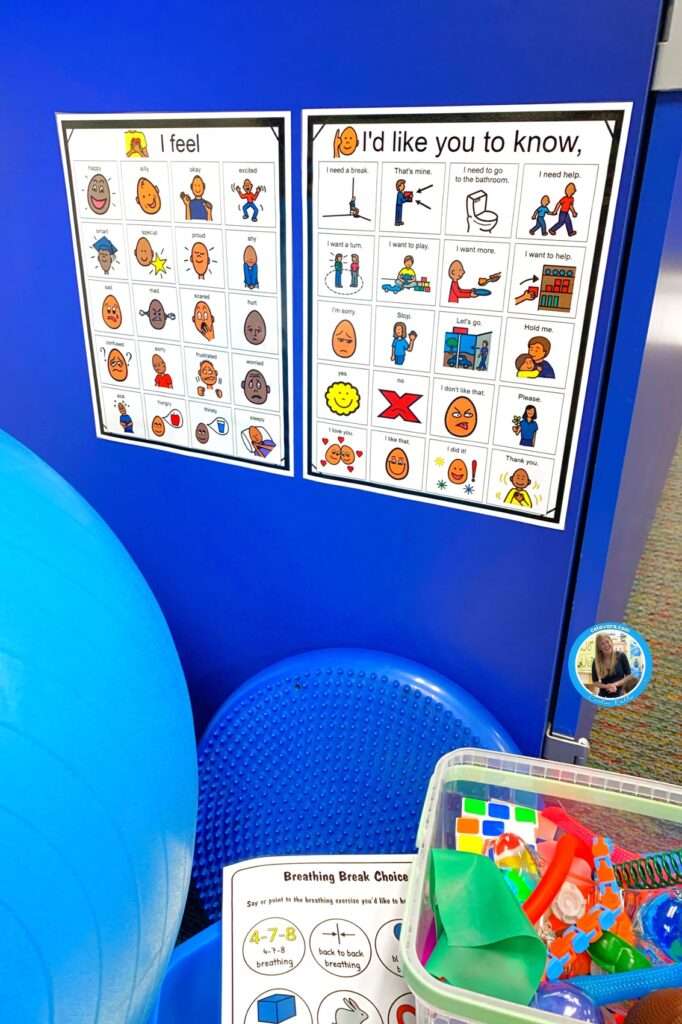
Creating a calm, quiet space in your classroom can offer students an area to collect themselves when emotions run high.
The calm down corner visuals offer a fantastic way to complement your SEL check in routine.
Featuring colorful posters, calming strategies, and easy-to-follow instructions, these printables help students manage emotions effectively.
When students are given a calm space with clear steps to follow, they are more likely to regulate their feelings and make better decisions.
Remember, to teach these tools instead of just hanging them up in the corner.
I like to have a set printed in my binder that I can grab when I need them along with the ones hung on the wall.
This helps reinforce the tools in other places throughout the school.
Also, it allows me to use them during group time, small group instruction, or 1-1 regulation.
Pairing a calm down corner with SEL check ins allows students to track their emotions and use specific strategies to regain control.

Anger Control SEL Check In
Helping students manage their anger can be a challenge, especially when students have not yet learned a wide variety of emotions and coping strategies.
The Anger Control Worksheets provide tools for students to name and express their feelings safely.
After a check in, teachers may notice students struggling with anger.
These worksheets guide them through processing their emotions and choosing productive actions.
Including these worksheets in your SEL check-in process equips students with visual tools that teach emotional regulation.
Students are empowered to communicate their needs and develop long-term strategies for managing anger.
Social Skills Goal Bank
SEL check ins can often highlight areas where students need support in social interactions.
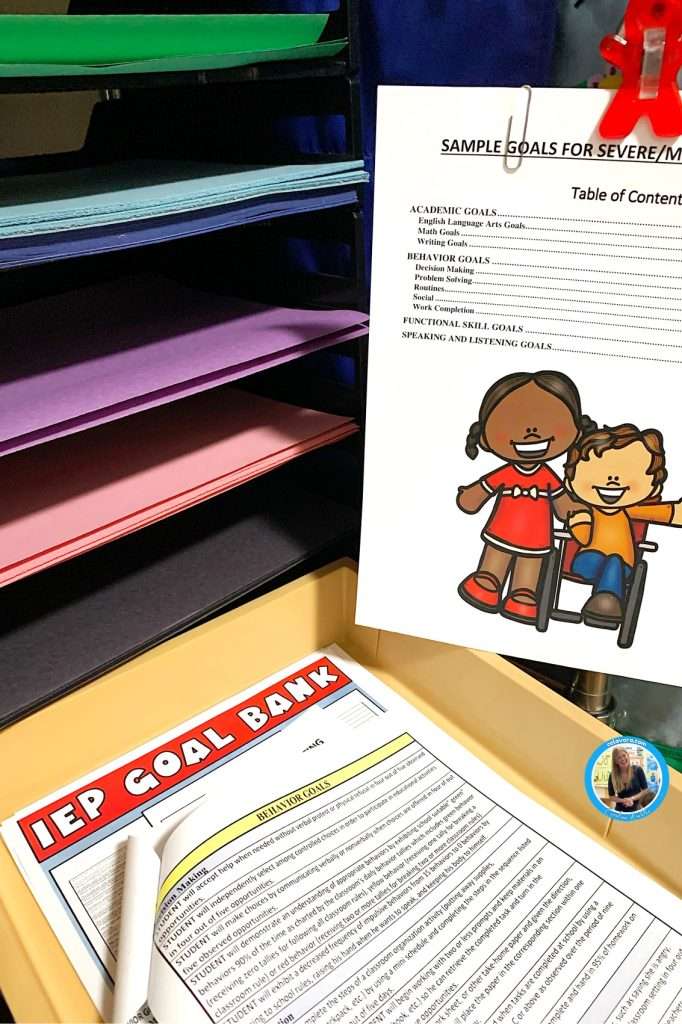
Using a social skills bank is a comprehensive way to vet goals covering essential social-emotional learning skills, such as communication, empathy, and collaboration.
Teachers can use these goals to guide students in their social development and assess progress over time.
This is helpful for students with IEPs, 504 plans, or response to intervention goals.
After a SEL check in, teachers can set specific social-emotional goals for students, helping them target the skills they need most.
By tracking progress, both teachers and students can see tangible results in behavior and social interactions.
To track, I recommend you have some type of daily record keeping system.
Ideas for SEL check in tracking include
- behavior charts
- check in check out sheets
- progress monitoring grids
- frequency data sheets
- spreadsheet of daily notes
This will give each teacher tangible data that they can use for documentation of success.
Positive Behavior Solutions to Calm Emotional Students
After conducting an SEL check in, it’s crucial to have strategies in place to address heightened emotions.
Positive behavior solutions is ideal for this.
Build in a 5-10 minute teaching time for coping strategies and plans.
If you are crunched for time, add this to your transition activity for switching lessons or moving in/out of the classroom.
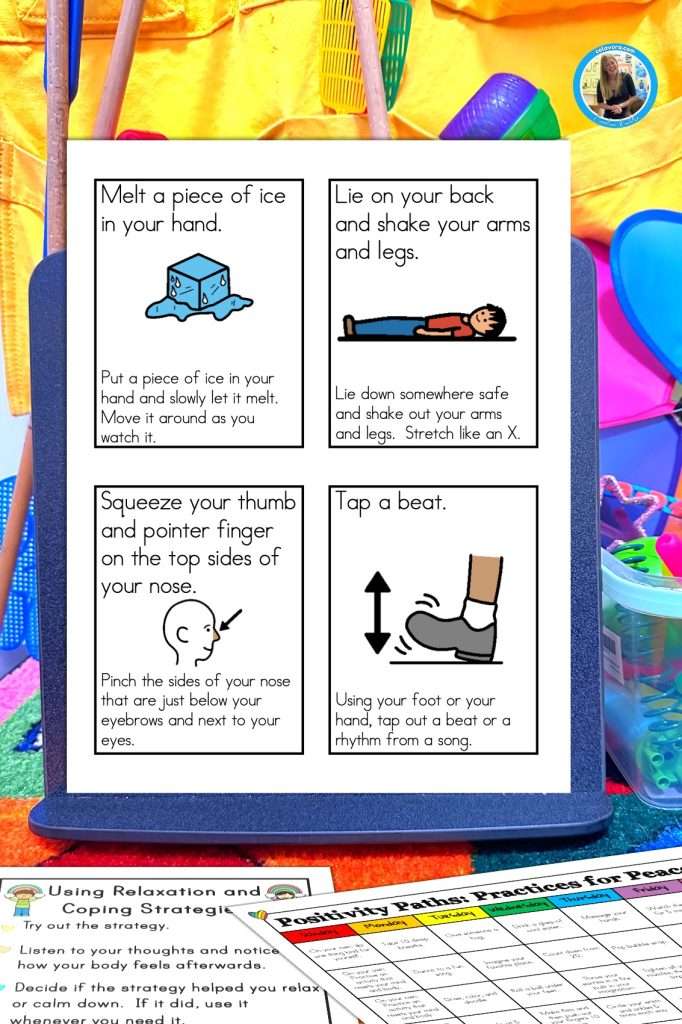
Focus on practical tools that help students calm down, redirect their energy, and focus on positive behaviors.
Great daily strategies include
- focus on breathing
- using imagery to relax
- a physical release or stretch
- a shift in thinking
These solutions are easily integrated into daily routines, making them perfect for immediate action after a check-in.
With strategies such as deep breathing techniques and problem-solving guides, students are given control over their emotional responses.
This fosters a growth mindset in managing stress.

Behavior Plans
Sometimes, ongoing behavior issues require more intensive interventions.
A special education functional behavior assessment (FBA) helps teachers identify behavior concerns in students with special needs.
After identifying patterns, teachers can use these assessments and interventions to dig deeper into the root causes of behaviors.
After a FBA is conducted, a behavior plan is created tailored to individual student needs.
FBAs and behavior plans are excellent complements to SEL check-ins for students who require structured behavior management support.
It equips teachers with the tools needed to address both academic and social-emotional growth.

SEL Check In Activities for Every Classroom
For a more comprehensive approach to SEL check-ins, the Social Emotional Learning Activities for Every Classroom resource offers a variety of engaging activities that support emotional growth.
Teachers can select from a wide range of activities that suit their classroom’s needs, from reflection exercises to group discussions.
These activities can be seamlessly woven into your SEL check-in routine.
The goal is to give students multiple avenues to explore their emotions and develop social-emotional skills.
Whether it’s a quick daily check-in or a longer reflection session, these activities make SEL an interactive and impactful experience.
Teach these activities and model them throughout the school year.
After teaching one strategy, bring it back again a few weeks later to review.
Multiple exposure to the same strategies helps student retain the info.
Also, it makes lesson plan easier for the teachers!

SEL Check In Support
Incorporating SEL check-ins into your classroom routine is an effective way to support students’ emotional development.
With the right tools and resources, you can enhance the SEL check-in process and provide meaningful interventions that promote self-awareness and emotional regulation.
Explore which resources are the perfect fit for your classroom, and watch your students flourish in both emotional and academic growth.
Whether it’s through printable checklists, goal-setting tools, or interactive activities, the possibilities for making SEL check-ins successful are endless.
Start streamlining your SEL check in with these helpful resources today!


