504 and IEP – Differences and Supports
504 and IEP: Understanding the Differences and Choosing the Right Support
Teachers and administrators often wonder about the differences between a 504 and IEP and which plan best supports a student’s needs.
While both provide accommodations, they serve different purposes and follow separate legal guidelines.
Understanding these differences ensures that students receive the appropriate support to succeed.
Let’s break down the key distinctions and how to use helpful resources to streamline the process.

Eligibility Requirements: Who Qualifies?
A 504 Plan is for students with a disability that substantially limits one or more major life activities.
This could include ADHD, anxiety, or a physical impairment.
A medical diagnosis is often enough to qualify.
However, the student does not need to require specialized instruction—just accommodations.
An IEP (Individualized Education Program) is for students who qualify under one of 13 disability categories defined by IDEA (Individuals with Disabilities Education Act).
Unlike a 504 Plan, an IEP includes specialized instruction, measurable goals, and specific services like speech therapy or occupational therapy.
If a student needs modifications to the curriculum, they likely need an IEP rather than a 504 Plan.
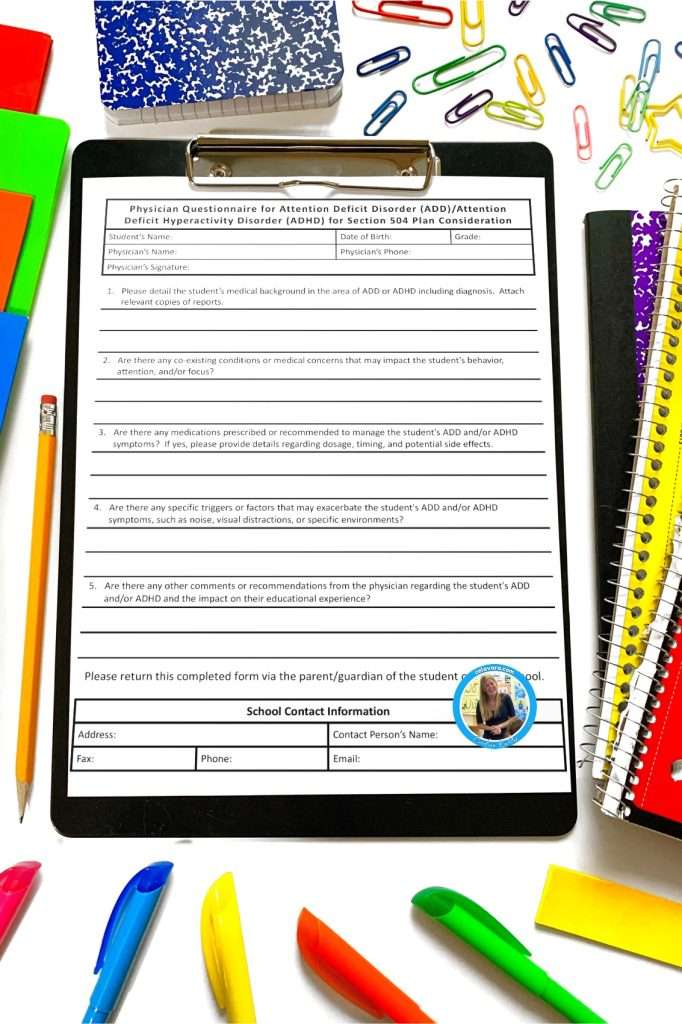
For teachers needing guidance on 504 Plan accommodations, this 504 Plans in Schools Template provides a ready-to-use structure with common supports already listed.
It helps ensure compliance and simplifies the process of writing a strong plan.

Legal Protections and Guidelines
A 504 Plan falls under Section 504 of the Rehabilitation Act of 1973.
This is a civil rights law designed to prevent discrimination based on disability.
It ensures students receive equal access to education through accommodations but does not mandate individualized instruction.
An IEP is governed by IDEA, which provides a more detailed legal framework.
IDEA guarantees special education services and procedural safeguards for families, including annual reviews, reevaluations, and parental involvement.
Because an IEP provides individualized instruction, schools must follow a more structured process than a 504 Plan.
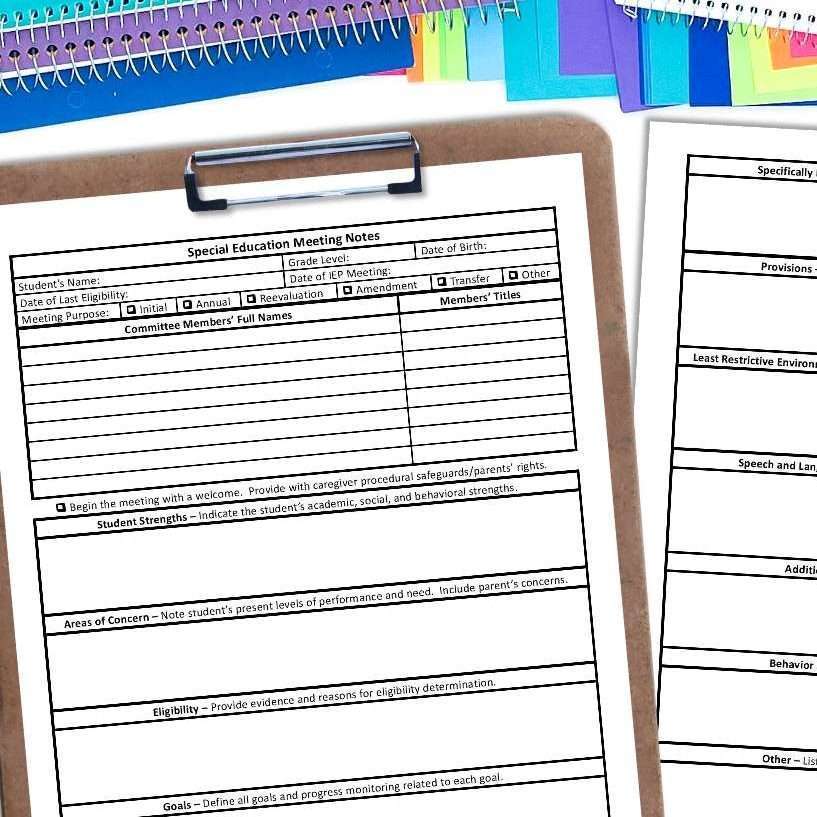
For those writing IEPs, using a pre-formatted template like this Blank IEP Template can save time. It walks you through all required sections, ensuring nothing is missed.
504 and IEP Accommodations vs. Modifications
A 504 Plan focuses on accommodations, which adjust how a student accesses the curriculum without altering academic expectations.
Examples include extra time on tests, preferential seating, or a quiet testing environment.
An IEP may include accommodations but also provides modifications, which change what a student is expected to learn.
This might involve reducing the number of assignments, altering grading criteria, or providing specialized instruction.
Teachers creating IEPs often need support in defining accommodations and modifications.
The Special Education IEP Writing Help Guide breaks down the differences with clear examples, making the process easier.
Developing Goals and Progress Monitoring
A 504 Plan does not require measurable goals, but teachers should monitor whether accommodations are effective.
Adjustments can be made if a student continues to struggle.
An IEP requires annual goals with progress tracking.
Goals must be specific, measurable, achievable, relevant, and time-bound (SMART).
Teachers use formal and informal assessments to track student progress and update goals as needed.
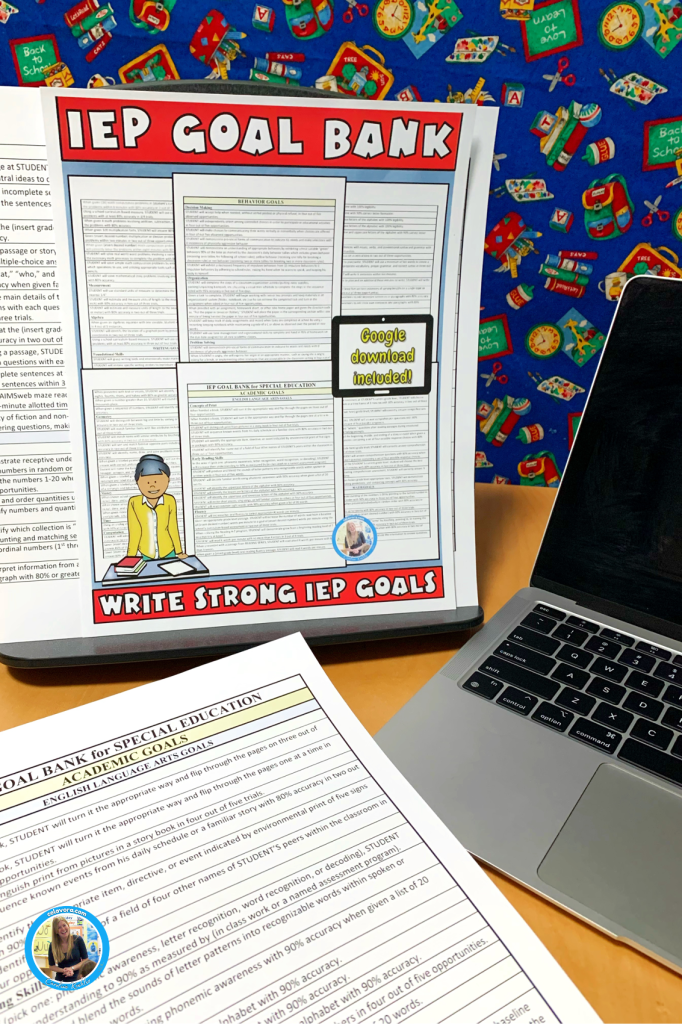
For goal-setting, the IEP Goal Banks offer a collection of ready-made goals in key academic and functional areas.
This resource is invaluable for ensuring goals align with student needs.

Team Involvement and Meetings
A 504 Plan is developed by a team that typically includes general education teachers, a school counselor, and an administrator.
Of course, parents are involved, but there are fewer formal requirements for meetings compared to an IEP.
Schools must review the 504 Plan periodically but are not required to hold annual meetings.
But, best practices include updating and reviews each school year.
An IEP team is more structured and must include a special education teacher, general education teacher, administrator, and related service providers (if applicable).
The team meets at least once a year to review the student’s progress and update the plan.
Using a PLAAFP template like this PLAAFP Example & IEP Impact Statement Template ensures the present levels of performance are well-documented.
This information helps the team make informed decisions about goals and services.

504 and IEP Reevaluation and Changes
A 504 Plan does not have strict reevaluation requirements.
Schools typically review it every three years, but updates can happen sooner if needed. Parents or teachers can request changes at any time.
An IEP requires a reevaluation every three years to determine if the student still qualifies for special education.
However, the team can revise the plan annually or more often if needed.
A well-structured Blank IEP Template makes updates easier.
With pre-filled sections, educators can focus on student needs rather than formatting.
Is a 504 or IEP Right for Your Student?
Choosing between a 504 and IEP depends on the level of support a student needs.
If accommodations alone help the student access general education, a 504 Plan may be enough.
If the student requires specialized instruction or curriculum modifications, an IEP is the better choice.
Teachers and administrators can streamline the process by using structured resources.
Check out the full collection of IEP and 504 Plan resources to simplify documentation and support your students effectively.