Special Education Assessment: Teacher Tools and Strategies
Special education assessment helps teachers understand student needs and create effective learning plans.
Finding the right tools makes this process easier and more efficient.
Assessments provide essential data for setting goals, tracking progress, and determining the effectiveness of interventions.
Without structured assessments, teachers may struggle to identify the best strategies for each student.
By using the right tools, educators can ensure that all students receive the support they need to succeed.
What is Special Education Assessment?
Special education assessment evaluates a student’s abilities, strengths, and needs.
It focuses on individual progress rather than grade-level expectations.
These assessments guide IEP development, intervention strategies, and instructional decisions. Using reliable assessment tools saves time and ensures accurate data collection.
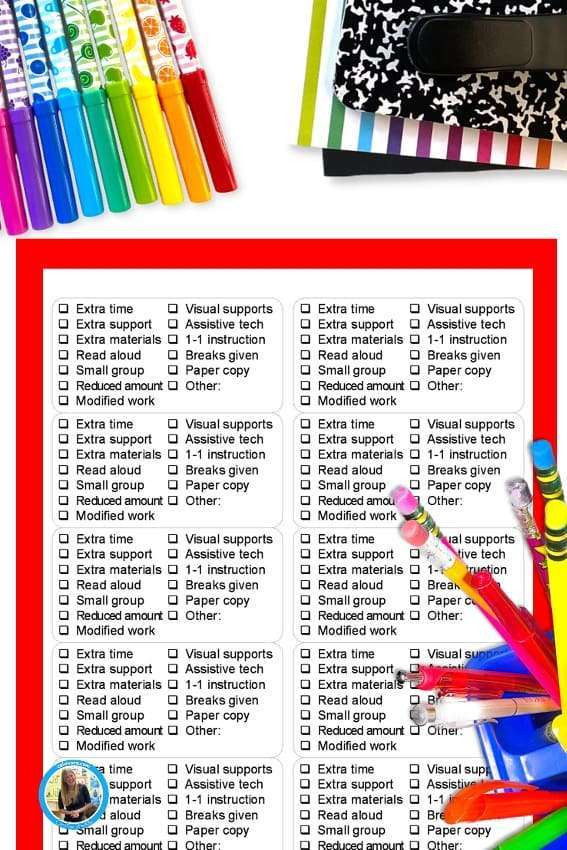
Assessments also provide clear documentation for legal and compliance purposes, ensuring that students receive appropriate accommodations and support.
Teachers can use assessments to identify gaps in learning, determine effective teaching strategies, and communicate student needs with parents and support staff.
A well-planned assessment process leads to better student outcomes and a more structured classroom environment.
Assessing Early Literacy and Readiness Skills
For young learners, foundational skills matter.
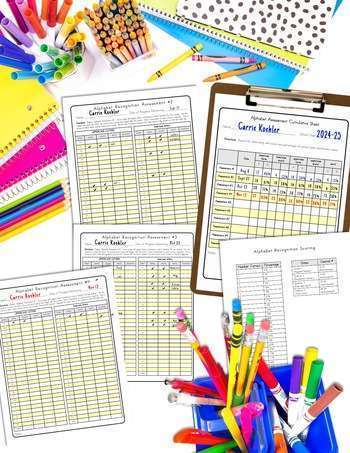
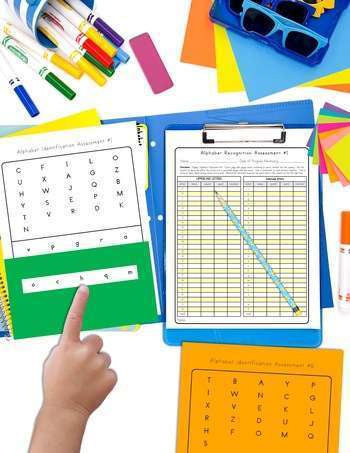
The Alphabet Letter Recognition Sheets Assessment helps teachers track letter identification progress. This resource provides structured, printable sheets to document student growth.
These sheets can be used as informal assessments or integrated into daily literacy activities.
By tracking progress, teachers can determine which students need additional support with letter recognition and early reading skills.
The ability to identify letters accurately is a critical predictor of future reading success.
Providing frequent and engaging assessments helps students build confidence and develop a strong literacy foundation.
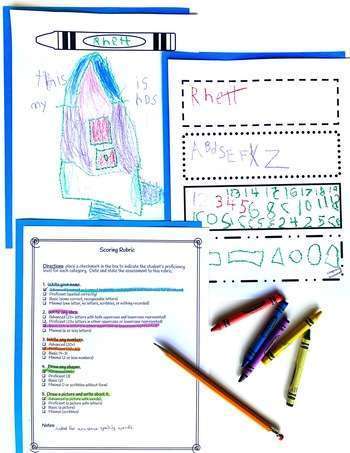
Another key tool is the Readiness for Kindergarten Test. This assessment covers early academic and social skills, helping teachers determine classroom readiness.
Teachers can use the results to identify students who may need extra support before entering kindergarten.
This tool helps educators develop personalized learning plans that address each child’s unique needs.
It also helps parents understand their child’s strengths and areas for growth.
With a strong start in kindergarten, students are more likely to succeed in future academic settings.

Transition Planning and Student Interests
Special education assessment also prepares students for future success.
The Transition Planning Checklist helps educators outline student goals for post-secondary life.
It ensures transition plans align with student strengths and interests.
This checklist covers essential areas such as independent living skills, vocational interests, and educational goals.
Transition planning is crucial for helping students move smoothly from school to adulthood.
When teachers assess transition needs early, they can provide the right supports to help students achieve their long-term goals.

To gather student input, the Interest Inventory Bundle provides surveys to understand student preferences.
Teachers can use these inventories to develop meaningful transition plans.
By identifying what motivates students, teachers can create engaging learning opportunities that prepare them for future careers.
Interest inventories also help build self-awareness, allowing students to advocate for their own educational needs.
The more students are involved in their own transition planning, the more successful they are likely to be in post-secondary life.

Behavior and Crisis Assessments
Monitoring behavior helps educators create supportive learning environments.
The Functional Behavior Assessment (FBA) & Behavior Intervention Plan (BIP) helps identify triggers and patterns. Teachers can then create individualized intervention plans.
These assessments allow educators to develop targeted strategies that reduce challenging behaviors and promote positive alternatives.
By understanding the root causes of behavior, teachers can implement proactive supports rather than reactive consequences.
This leads to a more inclusive and structured classroom environment.

For crisis situations, the Student Behavior Crisis Plan provides templates to document response strategies.
These assessments ensure teachers and support staff are prepared for behavioral challenges.
Crisis plans help ensure consistency in handling challenging situations, reducing stress for both students and educators.
A well-prepared crisis plan can also improve communication between teachers, support staff, and parents.
Having clear procedures in place helps create a safe and supportive learning environment for all students.

Tracking IEP Progress
Regular progress monitoring ensures IEP goals remain effective.
The Progress Monitoring of IEP Goals provides tracking templates for academic, behavior, and functional skills.
Teachers can use this resource to document student progress over time. Regular monitoring allows educators to adjust instruction and interventions as needed.
This ensures that students continue making meaningful progress toward their IEP goals.
By keeping detailed records, teachers can provide data-driven updates to parents and support teams.

Additionally, the IEP Input Forms gather insights from teachers, parents, and students.
This ensures IEP teams have comprehensive data when making decisions. Input from multiple perspectives allows educators to develop well-rounded plans that truly reflect the student’s needs.
These forms help create a collaborative approach to special education, ensuring all voices are heard.
By using structured input forms, teachers can streamline the IEP process and focus on student success.
Assessing Academic and Functional Skills
Teachers need ongoing academic assessments.
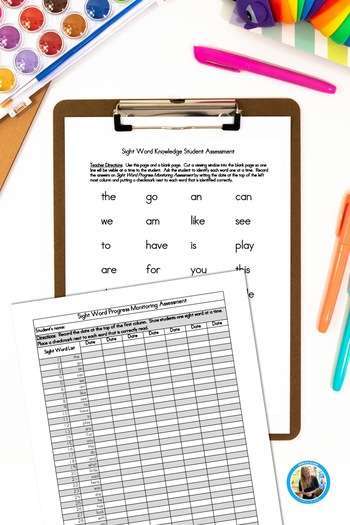
The Songs for Sight Words resource includes worksheets, flashcards, and music-based learning tools.
These assessments help reinforce sight word mastery.
Using music in instruction makes learning fun and memorable for students.
Teachers can incorporate these resources into daily lessons to build literacy skills.
Students benefit from the combination of visual, auditory, and kinesthetic learning strategies.
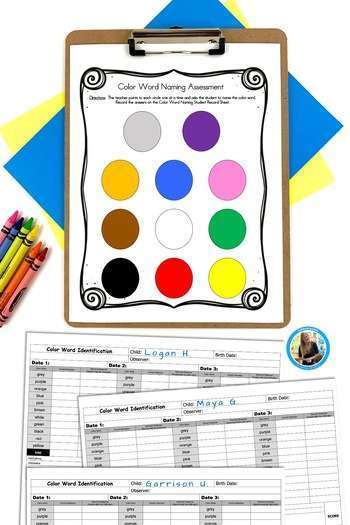
For color identification, the Color Words Assessment provides engaging worksheets.
Teachers can track student recognition of colors and words in a fun, interactive way.
Assessing color knowledge is important for early learning and communication skills.
These worksheets can be used in whole-group lessons, small-group instruction, or independent work.
Providing engaging assessments encourages active participation and helps students develop confidence in their abilities.

Using Assessments in Daily Teaching
Assessment should be a seamless part of teaching.
By using structured tools like the ones above, teachers can efficiently gather data and adjust instruction.
Whether evaluating literacy skills, behavior needs, or transition plans, having the right resources saves time and improves student outcomes.
Incorporating assessments into daily instruction helps teachers identify learning gaps early.
Regular assessment leads to more effective lesson planning and targeted interventions.
When students receive personalized support, they are more likely to achieve their educational goals.

Automate Special Education Assessment with SPED Up Paperwork
The SPED Up Paperwork membership is designed to streamline the documentation process for special education professionals, offering a comprehensive suite of tools and resources.
Membership Benefits:
- Time Efficiency: Reclaim hours of your time with ready-to-use templates and guides, ensuring all documentation meets best practices.
- Comprehensive Toolkit: Access a digital platform that streamlines paperwork, from student observations and functional behavior assessments to behavior plans and crisis management.
- Progress Monitoring: Input student data, track progress, and generate detailed reports with just a few clicks, simplifying data collection and analysis.
- Tailored Resources: Utilize templates, checklists, and guides tailored to various aspects of special education paperwork, ensuring all necessary documentation is efficiently managed.
- Professional Development: Enhance your skills with resources designed to simplify report writing and other administrative tasks, supporting your growth as an educator.
Included Assessments and Tools:
- Student Observation Forms: Structured templates to document and analyze student behavior and performance.
- Functional Behavior Assessments (FBA): Comprehensive tools to identify the causes of specific behaviors and develop effective intervention plans.
- Behavior Intervention Plans (BIP): Customized strategies to address and modify challenging behaviors in the classroom.
- Crisis Management Plans: Guidelines and templates to prepare for and respond to emergency situations effectively.
- Progress Monitoring Tools: Resources to track student progress toward IEP goals, facilitating data-driven instruction.
- IEP Documentation Support: Forms and guides to streamline the development and management of Individualized Education Programs.
- Social-Emotional Learning Resources: Materials to support the development of students’ social and emotional skills.
- Parent Communication Logs: Templates to maintain clear and consistent communication with parents and guardians.
By joining SPED Up Paperwork, educators can enhance their efficiency, ensure compliance with best practices, and focus more on delivering quality instruction to their students.

Special Education Assessment Tools
Special education assessment helps teachers support students effectively.
Using structured tools like those found at Celavora.com ensures accurate data collection and better student outcomes.
These resources simplify your assessment process and help your students thrive.
Investing in quality assessment tools leads to more effective teaching, better student engagement, and improved educational success.
Grab your special education assessment tools and start documenting today!