


Inclusion Special Education Classroom Practical Tools
Teaching in an inclusion special education classroom takes creativity, patience, and the right tools.
Every teacher wants students to feel supported while also making paperwork manageable.
In this post, I will share seven practical resources that can save you time and help your students thrive.
These ideas blend classroom supports and paperwork tools that you can start using right away.

Streamlining IEP Paperwork for Inclusion Support
Paperwork is often the toughest part of teaching in an inclusion special education classroom.
You can make it easier with the Special Education Teacher Input Forms.
These forms allow you to collect data quickly and consistently from general education teachers.
Instead of chasing notes, you’ll have standardized feedback for IEP meetings ready to go.
Each form is easy to fill out and keeps documentation professional and clear.
Teachers can check boxes or add short notes, which reduces resistance to completing them.
Try sending these out ahead of time before meetings to save yourself the last-minute scramble.
You’ll stay more organized, and your IEP writing process will feel less stressful.

Using Communication Boards for Inclusive Learning
Students need ways to express themselves in an inclusion special education classroom.
The Communication Board Basic Needs Set helps nonverbal and emerging communicators participate.
You can post the boards in common classroom areas or give students personal copies.
They include core vocabulary like feelings, needs, and self-regulation prompts.
Students can point to what they need, which reduces frustration and behavior challenges.
Teachers can model how to use the boards during circle time or group lessons.
Peers often pick up on the strategy too, which fosters inclusion naturally.
This tool gives every student a voice, which is the heart of inclusion.

Visual Supports for Inclusion Special Education Classroom
Managing behavior in an inclusion special education classroom can feel overwhelming without the right tools.
The Behavior Visuals Lanyard Cue Cards keep support right at your fingertips.
Teachers can wear them on a lanyard or clip them to a badge reel for easy access.
When a student needs a reminder, you can silently flash a visual card.
This helps avoid power struggles and keeps the class flowing smoothly.
Students respond well to visuals because they reduce processing demands.
These cues work well during transitions, group work, or noisy environments.
Using visuals consistently builds independence and smoother routines.

File Folder Games for Hands-On Inclusion
Hands-on activities support inclusion by letting all students participate at their level.
The File Folder Games collection is perfect for centers or small group practice.
Each game comes ready to print and assemble, making prep time minimal.
Students can match, sort, and practice foundational skills with engaging visuals.
You can differentiate by assigning easier or harder games based on student needs.
These are excellent for paraprofessionals to use during small group support.
They also reinforce skills without students feeling like they are doing more work.
Because they are reusable, you can store and rotate them throughout the year.
Organizing Paperwork in Inclusion Special Education Classroom
Paperwork can take away from teaching time in an inclusion special education classroom.
The Professional Paperwork Templates keep everything streamlined.
You’ll find tools for behavior tracking, communication logs, and classroom management.
Each template is designed to be clear, consistent, and time-saving.
You can print them or use them digitally, whichever fits your system best.
Keeping documentation organized also helps during parent meetings and evaluations.
Students benefit because you can spend more time teaching and less time shuffling papers.
When systems run smoothly, the whole classroom feels more predictable and calm.

Building Social Emotional Learning Skills
Social emotional growth is critical for success in an inclusion special education classroom.
The Social Emotional Learning Resources offer visuals, calendars, and coping tools.
You can use them to help students recognize feelings and practice regulation skills.
Morning meetings are a great time to introduce these tools.
Teachers can also send visuals home to support consistency between school and family.
SEL supports reduce conflict and help students form positive relationships.
Peers benefit too, because everyone learns strategies to manage emotions.
These tools create a classroom climate where students feel safe to learn.
Early Assessments for Inclusion Special Education Classroom
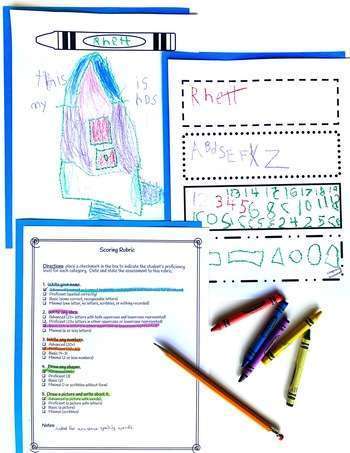
Planning is easier in an inclusion special education classroom when you know student strengths from the start.
The Readiness for Kindergarten Test gives you a quick snapshot of skills.
This formative assessment covers literacy, math, and early learning basics.
You can use results to group students and plan differentiated instruction.
It also helps you explain student needs to parents during early conferences.
Because the assessment is simple and visual, students stay engaged while testing.
Having this data at the beginning of the year makes planning smoother.
It ensures students start with support that matches their exact needs.

Supporting Inclusion Special Education Classroom
Supporting students in an inclusion special education classroom takes planning, patience, and the right tools.
From communication boards to professional paperwork templates, each resource helps teachers work smarter, not harder.
When you streamline your systems, you free up time to connect with students.
These tools are designed to make inclusion more manageable and more meaningful for everyone.
You can explore all of these resources and more in my shop.
Download the tools today and start building a smoother, more inclusive classroom tomorrow.


