Kids Throwing Tantrum – Strategies to End Outbursts
As a parent, caregiver, or teacher, it’s imperative to learn how to manage outbursts when kids throwing tantrum and outbursts happen.
Tantrums are a common occurrence among kids and can be quite stressful for everyone involved.
However, knowing how to deal with tantrums can help prevent outbursts from escalating into full-blown meltdowns.
In this blog post, we will discuss proven strategies to help you effectively manage your child’s tantrums and prevent future outbursts.
First and foremost, it’s essential to understand why children throw tantrums.
Kids throw tantrums when they are unable to communicate their feelings effectively, are frustrated or overwhelmed, are seeking attention, or require a basic need met like sleeping or eating.
Therefore, effective communication is vital when dealing with tantrums.
We will discuss how to communicate with your child when they are in the midst of a tantrum and how to give them the attention they need.

How to Deal with a Temper Tantrum
As parents or caregivers, dealing with a child throwing a tantrum can be a challenging and draining experience.
However, there are strategies you can employ to help put an end to such outbursts.
One of the most effective ways to do this is to evaluate the situation and watch for predictable events.
Understanding what triggers the behavior can help you anticipate when a tantrum might occur and take preventative measures.
Additionally, observe what seems to escalate the tantrum and what actions seem to decrease it.
This analysis will help you gain greater insight into the reasons behind your child’s outbursts and help you devise tailored strategies to prevent and counter them in the future.
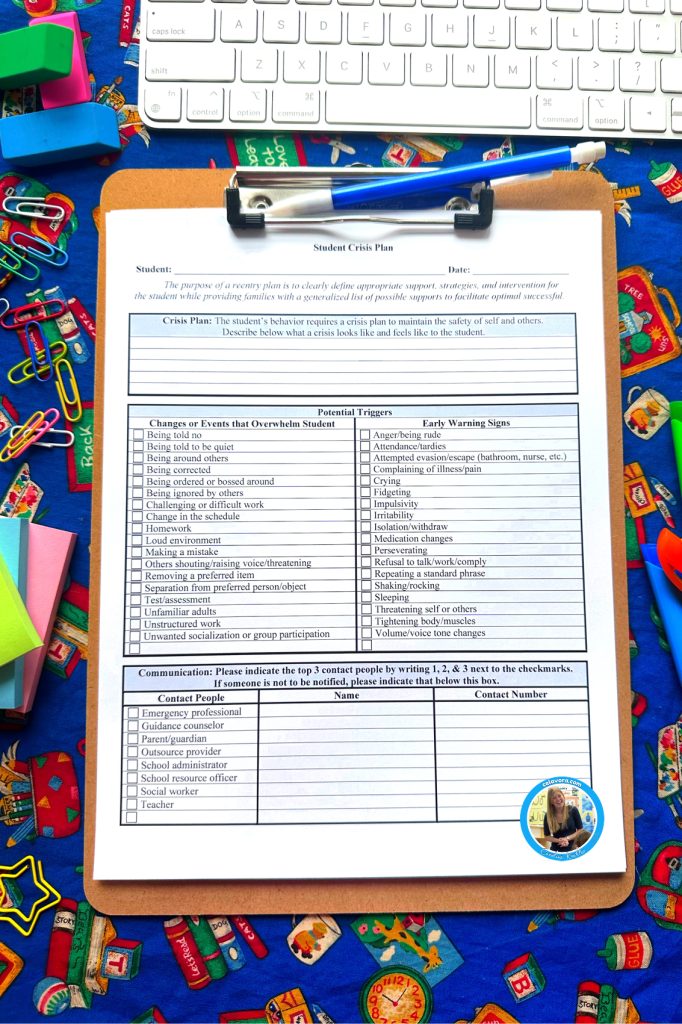
Create a Crisis Plan
When a child is throwing a tantrum, it can be challenging to know how to address the situation effectively.
One approach is to create a plan that involves both you and the child.
Ask them for their thoughts on what would help calm them down and prevent future outbursts.
This not only allows the child to feel heard and seen but also empowers them to take an active role in controlling their emotions.
Additionally, involving the child in the planning process can promote a sense of responsibility for their behavior and reinforce the idea that they are capable of making positive changes.
Ultimately, developing a plan that includes the child can be a valuable tool for managing tantrums and building better communication and understanding between you and the child.

Designate A Safe Place
When it comes to handling kids throwing tantrums, it’s important to have a plan in place to effectively manage the situation.
One tactic that can prove useful in diffusing a tantrum is creating a safe space for the child to express their emotions.
This is often referred to as a “calm down spot.”
Within the plan developed for managing tantrums, it’s important to identify a specific location where the child can go to calm themselves down.
This location should be a place where the child feels safe and in control, and where they can engage in calming activities like deep breathing or meditation.
Overall, providing a designated space for the child to express their emotions can be an effective strategy for mitigating tantrums and helping children develop healthy coping mechanisms.
Create Expectations and Boundaries
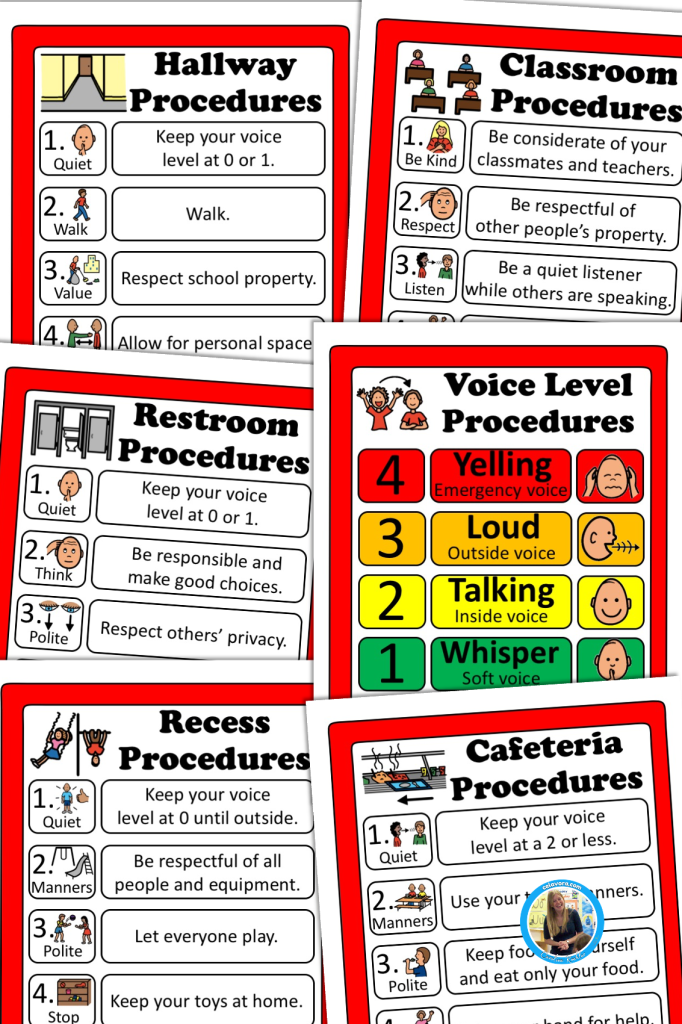
In order to effectively manage and prevent tantrums in children, it’s important to set clear expectations and boundaries in different situations and places.
Children need to have social situations explained to them before the event happens.
This means making sure your child understands what is expected of them, and what consequences may occur if they do not meet those expectations.
For example, the expectations at home might include completing chores or following a bedtime routine, while the expectations at a store or playground might focus on staying near the parent and playing nicely with others.
By setting different expectations and boundaries for different situations, children can learn appropriate behavior in a variety of settings.
It’s important to be consistent and firm, and to follow through with consequences if expectations are not met.
This will help to establish a sense of structure and routine that can reduce the likelihood of tantrums and promote positive behavior.
Practice the Plan
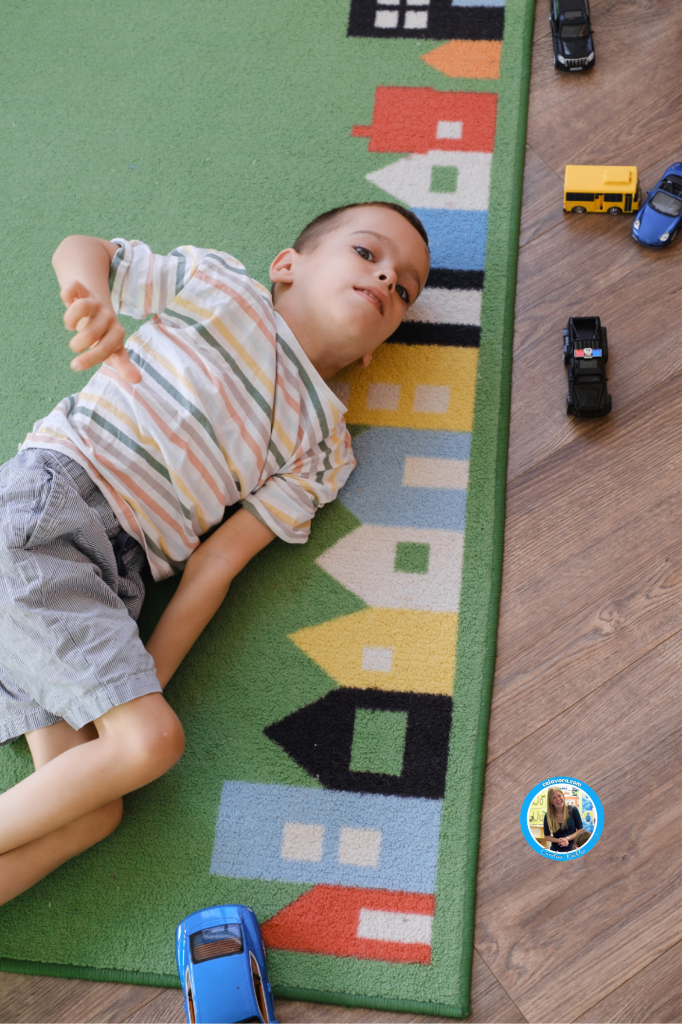
One effective strategy to manage tantrums in children is to practice the plan with them when they are not having a tantrum.
This can help them understand the steps and expectations of the plan without the added stress and emotions of a tantrum.
Remember, when a child is having a tantrum or meltdown they are not in a state of learning.
Another way to say this is that kids throwing tantrum times are not a teachable moment.
You can go over the plan with your child daily but especially before any event that might be triggering.
Always work on this during a calm moment, and have them practice calming techniques.
Relaxation strategies such as taking deep breaths or counting to ten, can be helpful so they know what to do when they feel overwhelmed.
Additionally, you can role-play various scenarios with your child, allowing them to practice the steps of the plan so they become more confident in handling challenging situations.
Overall, practicing the plan with your child can improve their ability to cope with their emotions and avoid outbursts.

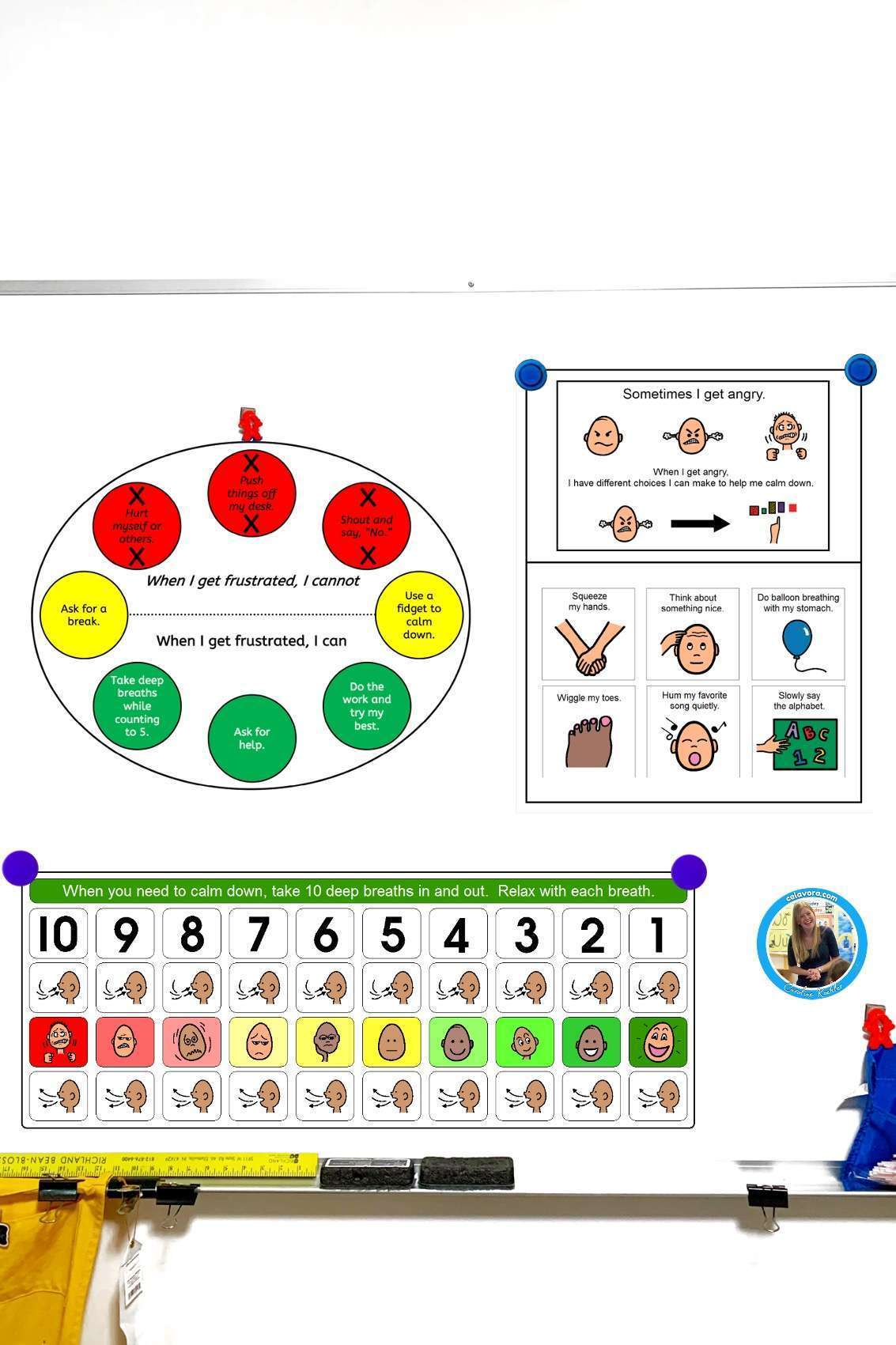
Use Visuals to Slow or Stop Tantrums
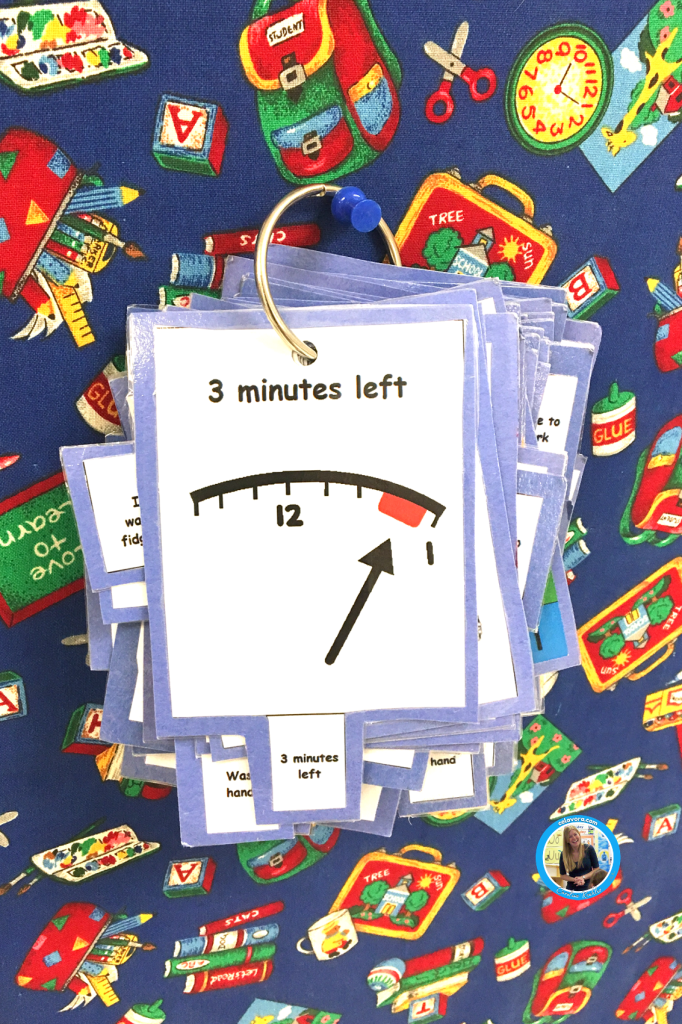
One effective strategy for managing tantrums in children is to use visual supports.
Visuals are helpful to reinforce commands and to offer choices whenever possible.
Visual supports can take many forms, such as pictures, symbols, or written words, and they can help children better understand what is being asked of them.
When offering choices, it is important to limit the options and make them clear and concrete.
For example, if a child is throwing a tantrum because they don’t want to get dressed, you could offer two or three options for clothing that are appropriate for the weather and the activity they will be doing.
By using visual supports to offer choices, children are more likely to feel a sense of control and agency, which can reduce the likelihood of tantrums.
However, it is important to practice this strategy with children before a tantrum occurs so that they become familiar with the process and are better able to use it when needed.
Try reversing roles and let your child offer you choices.
This is fun when you are playing, shopping, or meal planning.
Use Positive Communication
When kids throwing tantrum happens, it can be challenging for parents or teachers to know the best way to deal with the situation.
One strategy that is highly effective is utilizing positively phrased communication.
Use language that redirects the child’s behavior and avoids negative statements that can agitate them further.
Phrases like “Stay here” or “Keep your body to yourself” can re-direct the child’s behavior in a positive way.
Similarly, “Let me know when you are ready to talk” gives the child control over the situation and encourages them to express their feelings.
Criticizing or using negative language like “Don’t run away” or “Don’t hit me” can worsen the situation and lead to further outbursts.
Be sure to give attention and positive reinforcement when the child is calm, rewarding good behavior rather than focusing on bad.
Remember, positive communication can go a long way towards ending tantrums and fostering a healthy, communicative relationship between the child and adult.

Patience and Consistency
When it comes to dealing with kids throwing tantrums, a crucial strategy is to remain patient and consistent while adapting your plan as necessary.
When managing tantrums it’s important to stay calm and under control.
If you’ve had a child yelling, screaming, and being physically aggressive towards you, you know this is hard than it sounds.
It’s natural for parents or educators to become frustrated and angry when tantrums happen.
But that’s when your plan can take over if kids throwing tantrum is happening.
Allow your plan to work while waiting for the child to calm down, but be sure to keep a safe distance if possible and stop talking.
Excessive vocalization from an adult may actually trigger further outbursts from the child.
In fact, I once heard a presentation at a behavior conference that emphasized the importance of “shut up and teach” during these moments.
However, it’s still important to acknowledge the child’s feelings even as you maintain your boundaries and address their inappropriate behavior.
By finding this balance between firmness and empathy, it may be possible to help children gradually learn better ways to regulate their emotions and respond more positively to stressful situations.
Express Emotions Often
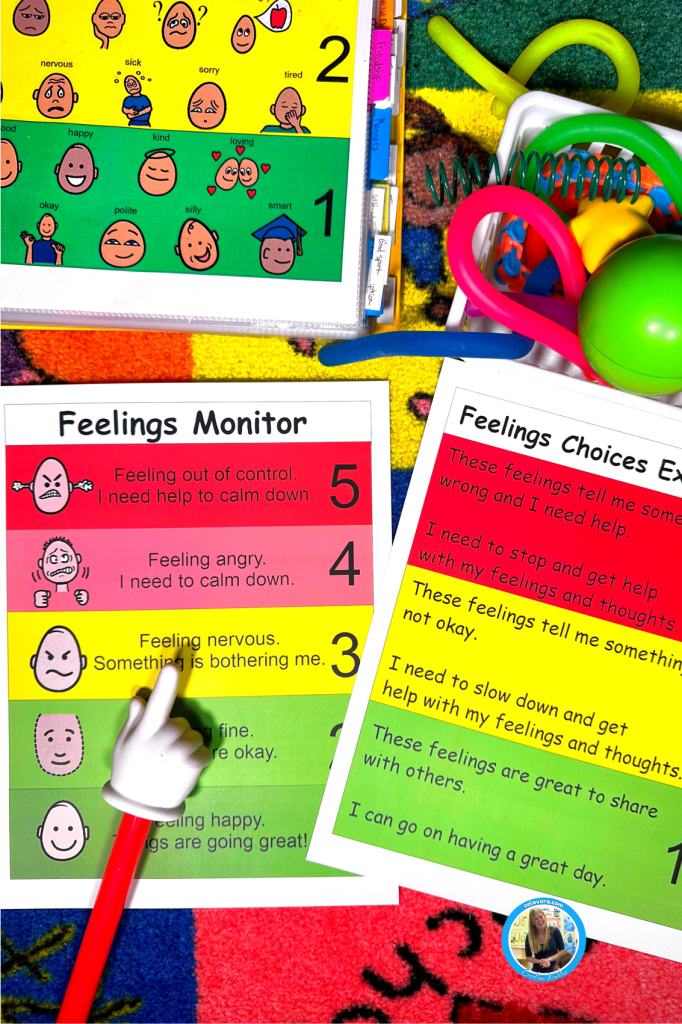
Modeling appropriate emotional expression is an essential strategy to help children learn how to express themselves in a healthy and effective way.
Using feelings and emotion charts daily can help encourage both children and students to express themselves and communicate their emotions in a clear and concise manner.
When a child is in the midst of a tantrum or outburst, it is essential to remain calm and demonstrate appropriate emotions in front of them.
By doing so, you can coach them on how to communicate their needs, frustrations, and feelings in a positive way while also reducing the risk of physical aggression.
Overall, incorporating feelings and emotion charts into daily activities can help foster healthy communication practices and encourage children to express themselves in a constructive and safe manner.

Get Help
It is important to remember that managing a child’s tantrums can sometimes require professional help.
If you feel like you’ve exhausted all your methods and are still having difficulty managing your child’s outbursts, it may be necessary to consider seeking professional support.
This could involve working with a teacher who can provide additional support in your child’s learning and emotional development.
Another option would be to request a special education evaluation to determine if your child requires additional assistance.
Additionally, a referral to a mental health professional can help address any underlying emotional or behavioral issues that may be contributing to your child’s tantrums.
Seeking professional help is a proactive step in ensuring your child receives the necessary support to manage their tantrums and help them develop healthy coping mechanisms.

How to Stop a Temper Tantrum
In conclusion, handling tantrums can be challenging, but it’s important to remember that it’s a normal part of a child’s development.
The key is to remain calm, consistent, and proactive in addressing the underlying issue.
Parents and educators can try different strategies such as establishing clear boundaries, emotional regulation, and offering positive reinforcement to help prevent tantrums from happening in the first place.
It’s important to address these outbursts in a constructive manner, as it can have a significant impact on a child’s emotional well-being and behavior in the future.
With patience and understanding, parents can help their children navigate the complexities of emotions and learn effective coping skills.
And remember, kids throwing tantrum is not a negative reflection on your parenting or teaching abilities.
Your job is to guide kids throwing tantrum into a child who is able to recognize their emotions and find a solution to their body’s responses.