


Individual Transition Plan How to Guide for Special Ed Teachers

The role of a special education teacher is a critical one especially for students requiring an individual transition plan.
SPED teachers requiring not only a deep understanding of educational principles and strategies, but also a unique set of skills and knowledge to support students with diverse learning needs.
As these students approach the end of their secondary education, it becomes essential to develop an Individual Transition Plan (ITP) to help guide and prepare them for life after high school.
This plan outlines specific goals, services, and resources to support the individual student’s transition into adulthood, including post-secondary education, employment, and independent living.
While the transition process can seem overwhelming and complex, it is a crucial component in ensuring the success of students with disabilities beyond the school environment.
Therefore, it is imperative that special education teachers have a comprehensive understanding of the ITP and its implementation.
So, read on to learn how to develop and implement an effective Individual Transition Plan.
It’s crucial component to support students in achieving their post-secondary goals.

What is an individual transition plan?
An individual transition plan (ITP) is a personalized roadmap that helps students with disabilities navigate their journey from school to post-school life.
It is a collaborative process involving the student, their families, educators, and other professionals.
The ITP focuses on identifying and developing the skills, supports, and services needed for the student to achieve their goals and successfully transition into adulthood.
This comprehensive plan includes assessments, goal-setting, and strategies to address areas.
Targeted areas include education, employment, independent living, and community involvement.
Tailor the plan to the unique needs and aspirations of each student.
Doing so ensures that they receive the necessary resources and support to thrive beyond their educational years.
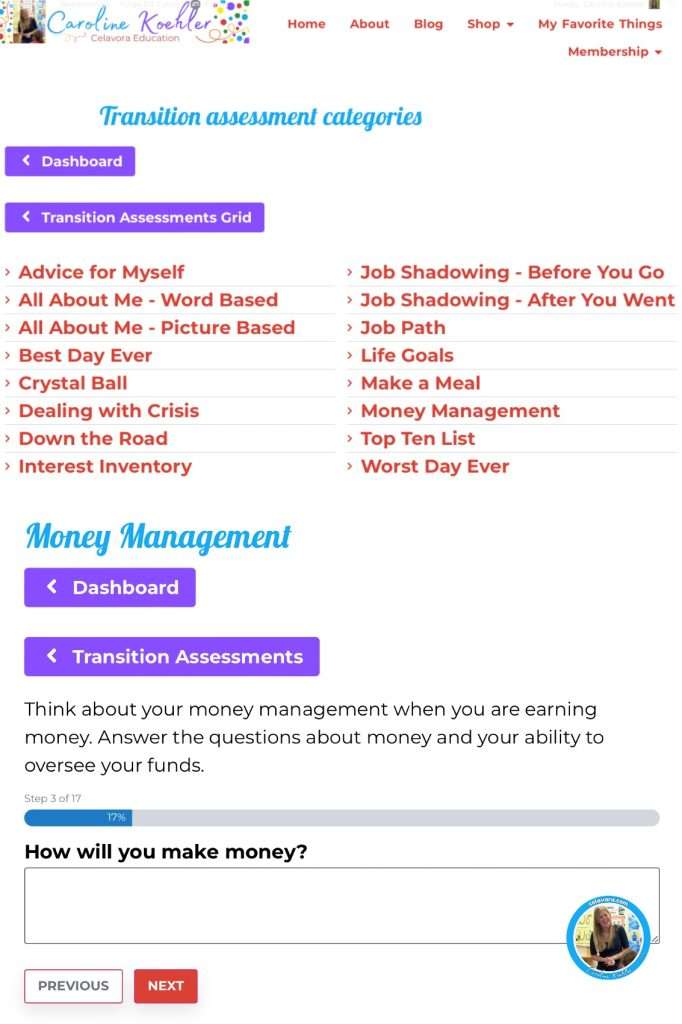
When does a transition assessment need to be conducted?
When supporting students with disabilities in their transition planning, it is essential to conduct a transition assessment at the right time.
Transition assessments should be conducted well in advance to allow for sufficient planning and preparation for the student’s post-school life.
Typically, these assessments should be initiated by the time the student reaches middle school or around the age of 14.
However, it’s important to remember that there is no one-size-fits-all approach.
Many case managers start transition assessments well before the age of 14.
Also, it’s crucial to consider factors such as the student’s abilities, interests, and goals.
Next consider any specific requirements or services they may need for a successful transition.
By conducting the transition assessment allows years of data to be gathered.
This valuable information guides the development of an effective and tailored individual transition plan for each student.
Utilize resources and support services
When developing an Individual Transition Plan (ITP), special education teachers need adequate resources and support services.
These resources can provide valuable guidance and expertise to ensure the successful transition of students into adulthood.
For example, reach out to local agencies or organizations that specialize in supporting individuals with disabilities.
Outside agencies offer a wealth of knowledge and assistance and are usually happy to provide information at no charge.
These entities can provide information on employment opportunities, post-secondary education options, independent living skills training, and community resources.
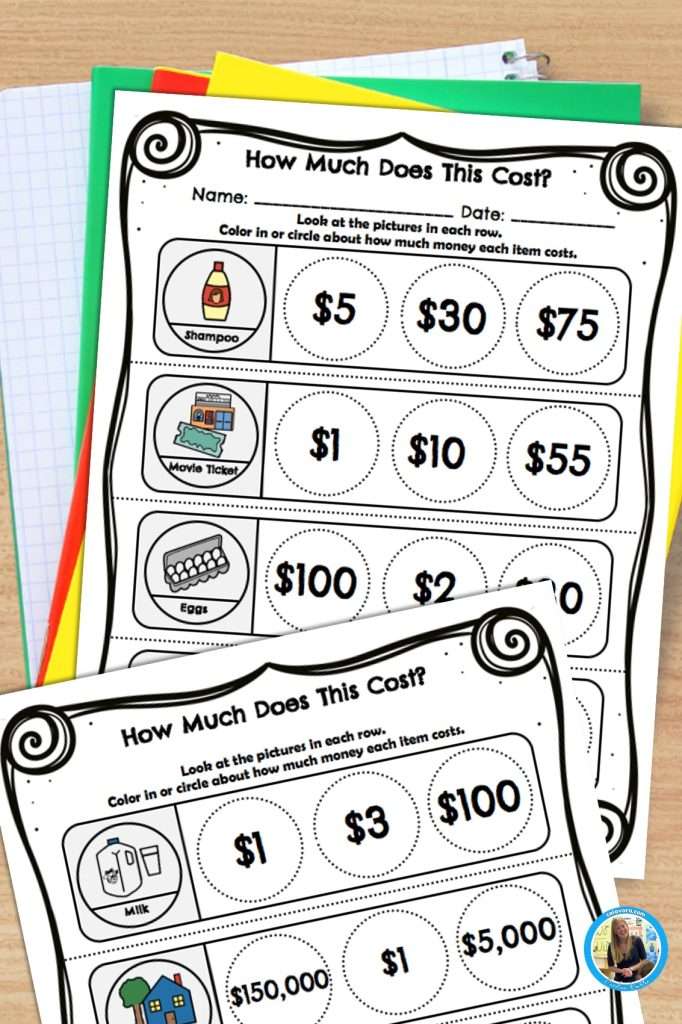
Additionally, using a set of high quality transition assessments creates a comprehensive plan for each student’s unique needs and goals.
I highly recommend using the digital tool found in SPED Up Paperwork to produce individual transition plans.
This tool provides special ed teachers with 13 different assessments.
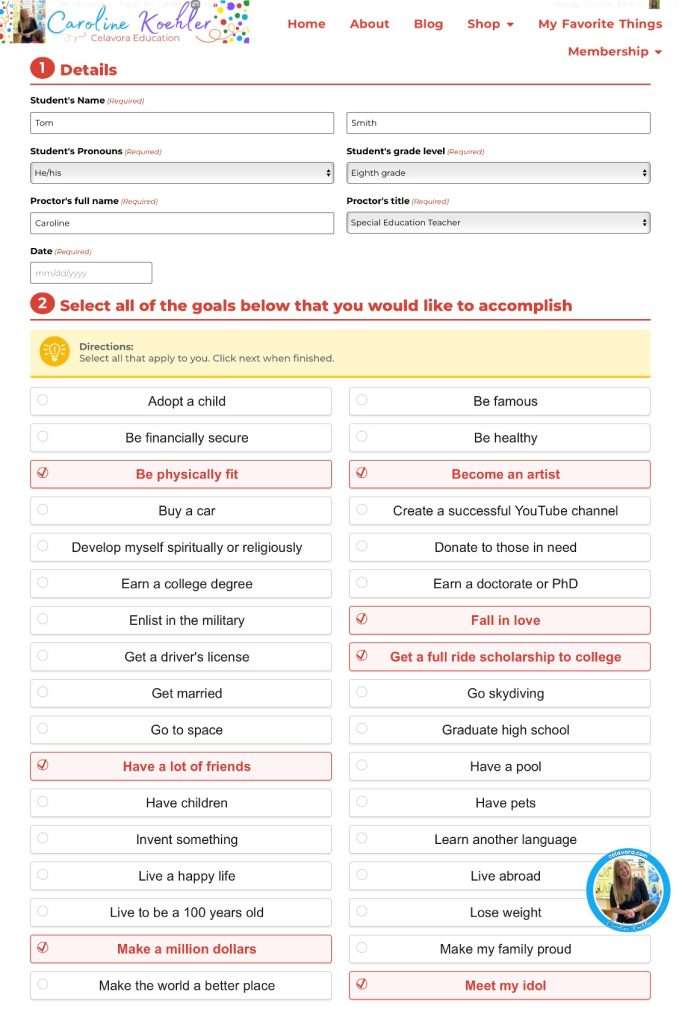
Each assessment is presented as a series of questions for the students.
Once the student completes the form, a detailed summary of the student-specific answers is auto-generated.
By harnessing these resources and support services, special education teachers can enhance the quality of the transition process and maximize the potential of their students.
Complete an assessment with your student
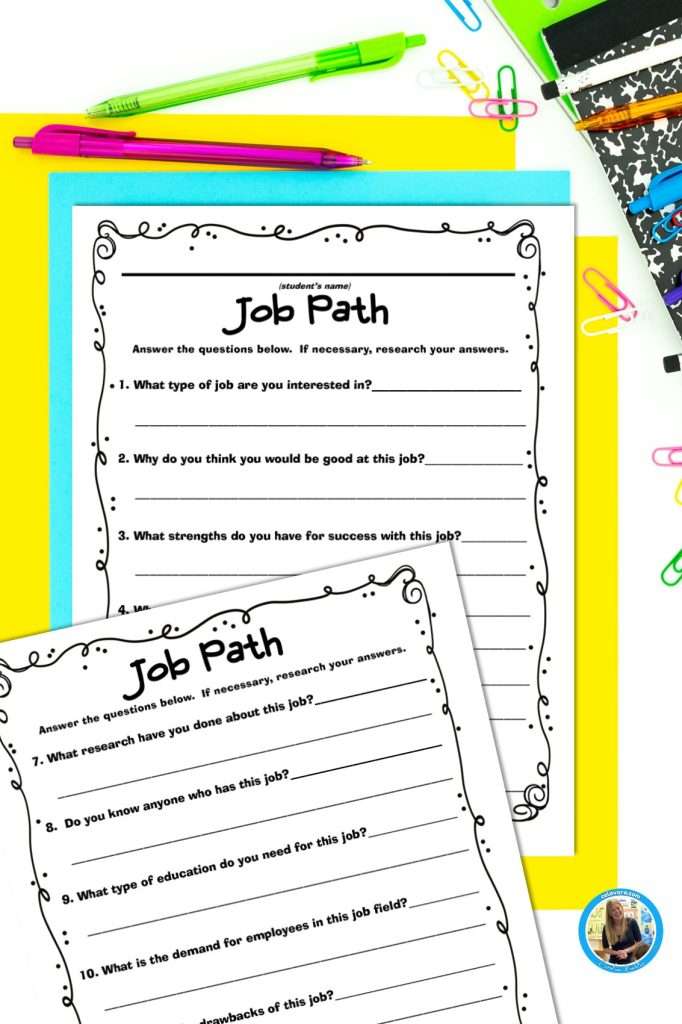
When working on an Individual Transition Plan (ITP), one important step is to complete an assessment with your student.
This process allows you to gather valuable information about their skills, interests, and preferences, which will inform the development of their personalized transition plan.
Take the time to engage in meaningful conversations with your student.
Also, use the transition assessments pictured to ask open-ended questions.
Use assessment tools record student responses and guide your planning.
By involving the student in this process, you empower them to take ownership of their transition journey and ensure that their goals are at the forefront of the planning process.
Remember, the assessment should be a collaborative and supportive experience.
Transition assessment help to identify the student’s strengths and areas for growth as they embark on their path towards a successful future.

Summary the findings in the individual transition plan
Based on the assessment conducted, the findings provide valuable insights into the student’s abilities, interests, and preferences.
If you aren’t using SPED Up Paperwork’s transition assessment tool, summary the assessment.
Make sure to note the student’s aptitudes and interests.
Then, build on any previous transition assessments and note any important changes.
Define what was examined including independent living skills, employment skills, and education/training skills.
Also, I use these sentence starters to define the student’s goals.
- Regarding Independent Living after high school, I will
- Regarding Employment after high school, I will
- Regarding Education and Training after high school, I will
These findings will serve as a foundation for developing a comprehensive and individualized transition plan that aligns with the student’s unique strengths and aspirations.
By leveraging this information, create tailored goals to support the student’s journey towards a successful future.

Start with student’s strengths first
When developing an Individual Transition Plan for special education students, always begin by identifying their strengths.
First, start with what the student excels in and enjoys.
This allows educators to build a solid foundation for their future success.
Recognizing their unique abilities and interests allows us to tailor the plan to their individual needs, fostering a sense of empowerment and motivation.
By focusing on their strengths, whether it be in academic subjects, vocational skills, or personal attributes, we can help students develop a strong sense of self-confidence and competence.
This approach not only maximizes their potential but also helps them navigate challenges and build resilience along their educational journey.
Please note that this can be challenging with students with severe needs.
Of course, I approach these situations with the upmost care and respect.
Next, instead of examining employment, I focus on life goals, planning for the future, and even a letter of intent from parents and guardians.
My advice is to discuss the goals with the family and make a transition plan that is best suited to all involved.
Want more advice on what do to in an IEP meeting?
Check out Anna’s (from Anna Kelly’s Creations) 5 Must-Do Tasks That Involve the Whole Team in an IEP Meeting for great ideas.
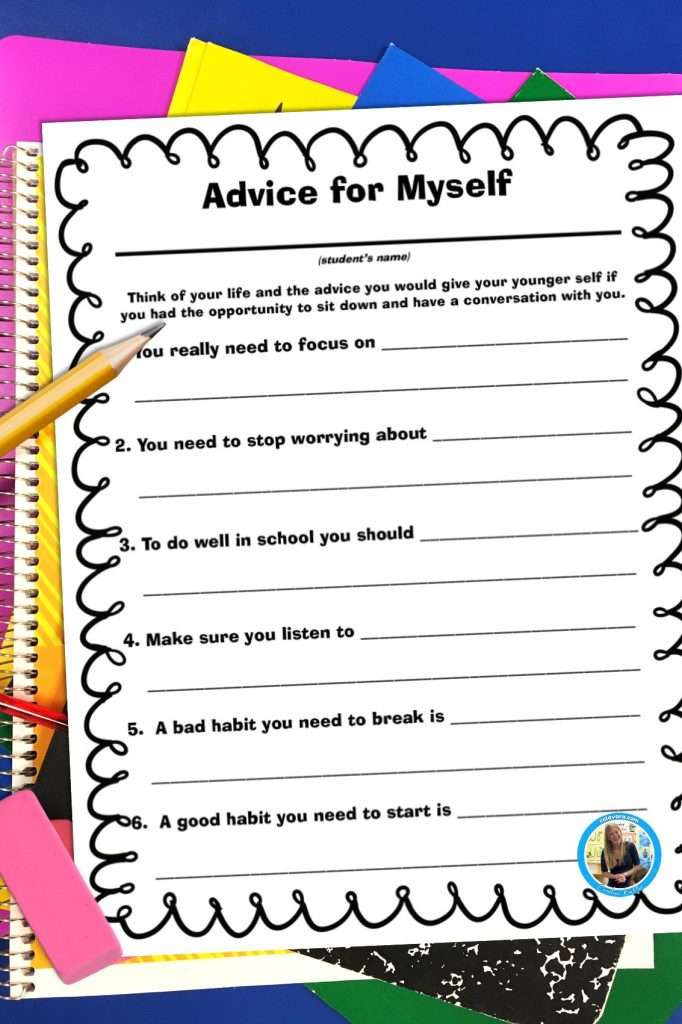
Identify student’s goals and needs
As special education teachers, one of our primary responsibilities is to identify the goals and needs of our students.
Understanding what each student wants to achieve and the areas where they require additional support is essential in creating an effective Individual Transition Plan.
This starts by taking the time to listen to our students and engage in open and honest conversations.
Through this, we can gain valuable insights into their aspirations, dreams, and challenges.
Whether it’s through formal assessments, informal discussions, or observations, gather information that guides their IEPs.
By identifying their goals and needs, we can provide the necessary resources, accommodations, and strategies to help them thrive academically, socially, and emotionally.
The more we understand our students on an individual level, the better equipped we are to guide them towards a successful and fulfilling future.
Monitor and adjust the individual transition plan at each IEP annual meeting
During the journey of supporting our students’ transition plans, it is crucial for special education teachers to continually monitor and adjust the plan at each IEP annual meeting.
These meetings serve as valuable opportunities to assess the progress of our students.
Also, identify challenges students may be facing.
This allows the case conference committee to make necessary adjustments to increase the likelihood of meeting goals
By actively engaging with parents, students, and relevant professionals, we can gather valuable insights and feedback that will help us refine and improve the individual transition plan.
Regularly reviewing and adjusting the plan ensures that it remains responsive to the evolving needs and aspirations of our students.
This allows the team to maximize each student’s chance for success.
Also, each time and new transition assessment is conducted, review the previous ones.
Summarize any changes and make note of new needs.
Through this collaborative and ongoing process, we can provide the necessary support and guidance to empower our students to reach their full potential and achieve their dreams.

Encourage self-advocacy and independence
As special education teachers, it is important for us to foster an environment that encourages self-advocacy and independence in our students.
Then by equipping them with the necessary skills and tools, we empower them to take ownership of their education and make informed decisions.
One way to promote self-advocacy is by incorporating activities that encourage students to express their thoughts and opinions.
Additionally, providing opportunities for students to practice problem-solving and decision-making skills allows them to develop their independence and confidence.
This includes sitting in on or even running their own IEP meetings.
If you want to see your parents and guardians pay attention in an IEP meeting, be sure to have the student present the individual transition plan.
By nurturing self-advocacy and independence, students ventured down a path of success and ensuring that they are prepared for the challenges and opportunities that lie ahead.

Collaborate with parents and guardians
A strong partnership with parents and guardians is crucial in supporting the success of our students with special needs.
By collaborating with them, we can gain valuable insights into their child’s strengths, challenges, and goals.
Regular communication channels facilitates open and transparent discussions about their child’s Individual Transition Plan.
Creating a welcoming and inclusive environment that encourages active parental involvement can also contribute to a comprehensive support system for our students.
By working together, we can ensure that our students receive consistent support both at school and at home.
Our goal is to ultimately maximize student potential and fostering a sense of belonging and empowerment.
With the help of this how-to guide, special education teachers will be able to create effective and personalized Individual Transition Plans for their students.
So remember, every student is unique and deserves a plan that caters to their specific needs and goals.
By following these simple steps and utilizing the resources available, teachers can empower their students to reach their full potential and successfully transition into adulthood.
Let’s continue to support and guide our students towards a bright and successful future with an individual transition plan!


