How to Do Functional Behavior Assessments (FBAs)
FBAs are carried out for a few different reasons. Often I find myself with that one student that I just can’t figure out. Why are they not involved more? What’s causing their disruptive behavior? What’s the trigger? This is a big reason to do a FBA. Another big reason for FBAs is writing a behavior plan for a student’s IEP. These topics usually go together formally within an IEP. When I am writing this section of the IEP, I need good documentation to easily share with others on the team.

Figuring It Out
When I first started doing IEPs as a special ed teacher, my school psychologist was in charge of all the FBAs. I helped out here and there and would go through the data with her but it just wasn’t part of my job. Budget reductions came about and all the sudden with pretty much just on the job training I was thrown into doing FBAs completely on my own.
Streamlining the Process
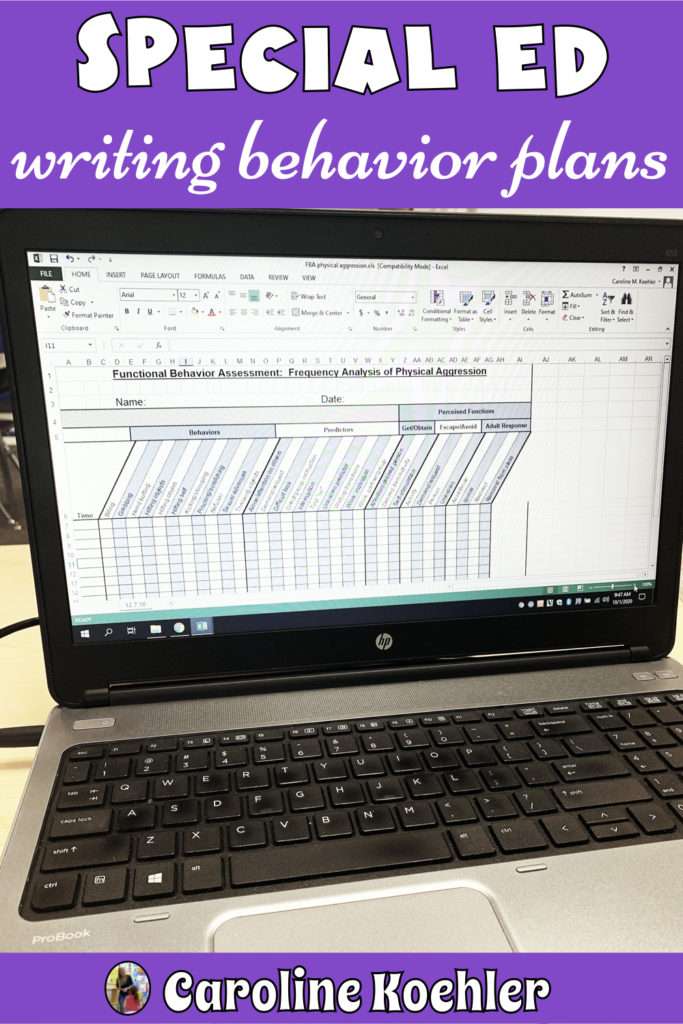
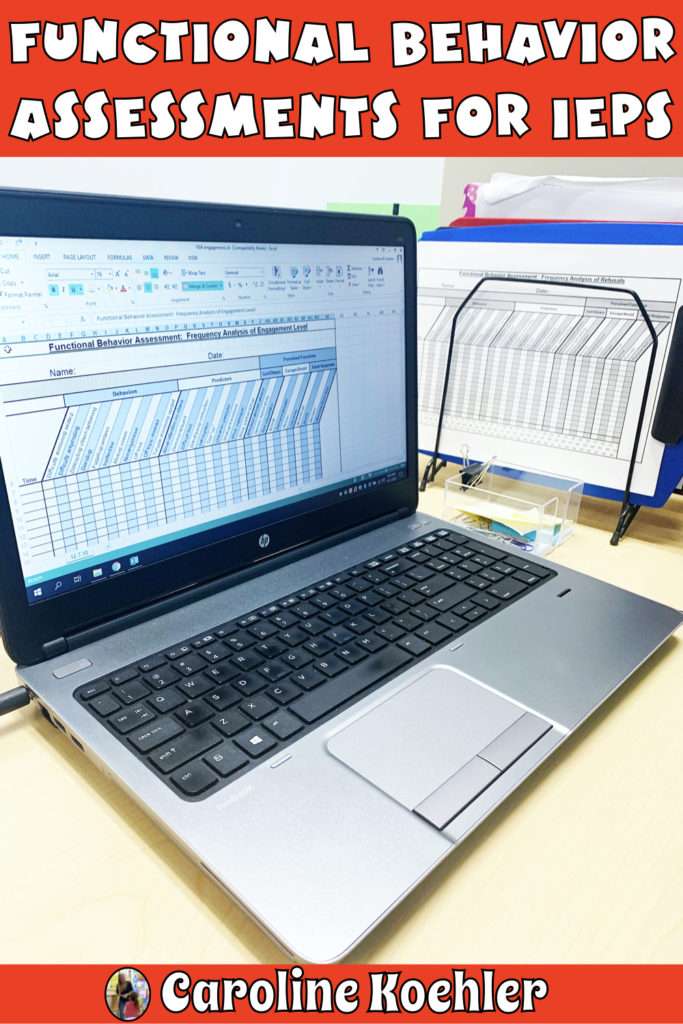
Luckily, I wasn’t a first year teacher and, luckily, I had observed several completed FBAs. This gave me a really good grasp on behavior management in general. After working on a few of them, I realized that I could streamline the process. So, I developed a FBA recording sheet and divided the sheets into 3 different categories: engagement, physical aggression, and refusals. I find that these are the main three areas that I am assessing with students most frequently. Next, I use an editable Excel sheet so I can go in and change this as I need to. Often times from experience I have the main categories ready to go. I can simply print a page and run off to do a FBA within a five-minute notice.
Sharing the Load
I like to do three different observations per student. If I can train another teacher or staff member to do an observation even better. It’s really nice to have different observers in case the parents feel like one teacher is unfairly targeting their child. While I typically don’t have this problem, it’s a good idea keep in mind. I usually sit down to show other people how to do this, but I do have a training video available as well. Check it out below.
Spread the Love
Not only do I like to make sure that I have observed the student three times, but I pick different subjects and times throughout the day. When my school psychologist used to be the person to do a FBA, she was limited with her schedule and when she could do the evaluation. I found that I can actually keep a copy of the FBA record sheet and use an ideal time in a week to do an observation. This helps me get a true picture on the student’s behavior and what I’m particularly looking to target.

Be in the Zone
I make sure that my classroom teachers know when I have a FBA in the works. This is important because when I am being an observer for a FBA, I am no longer interacting the class. During this time, I am only recording the student’s behavior. I will not and cannot intervene, or I will be manipulating the data inappropriately. I like to tell my general education classroom teachers that if they see me with my clipboard writing down a bunch of numbers and watching the clock they know I’m no longer in an inclusion teacher at that moment. Instead I’m Caroline the examiner.
Putting It All Together
Once I get done with all of my observations including ones others have done for me, I compile the information. If I’m doing a FBA on physical aggression, I tally how many times each physical aggression was witnessed and include the times and activities that this was seen in. This is really important because it gives me information on triggers and the most trying part of a student’s day.
Now What?
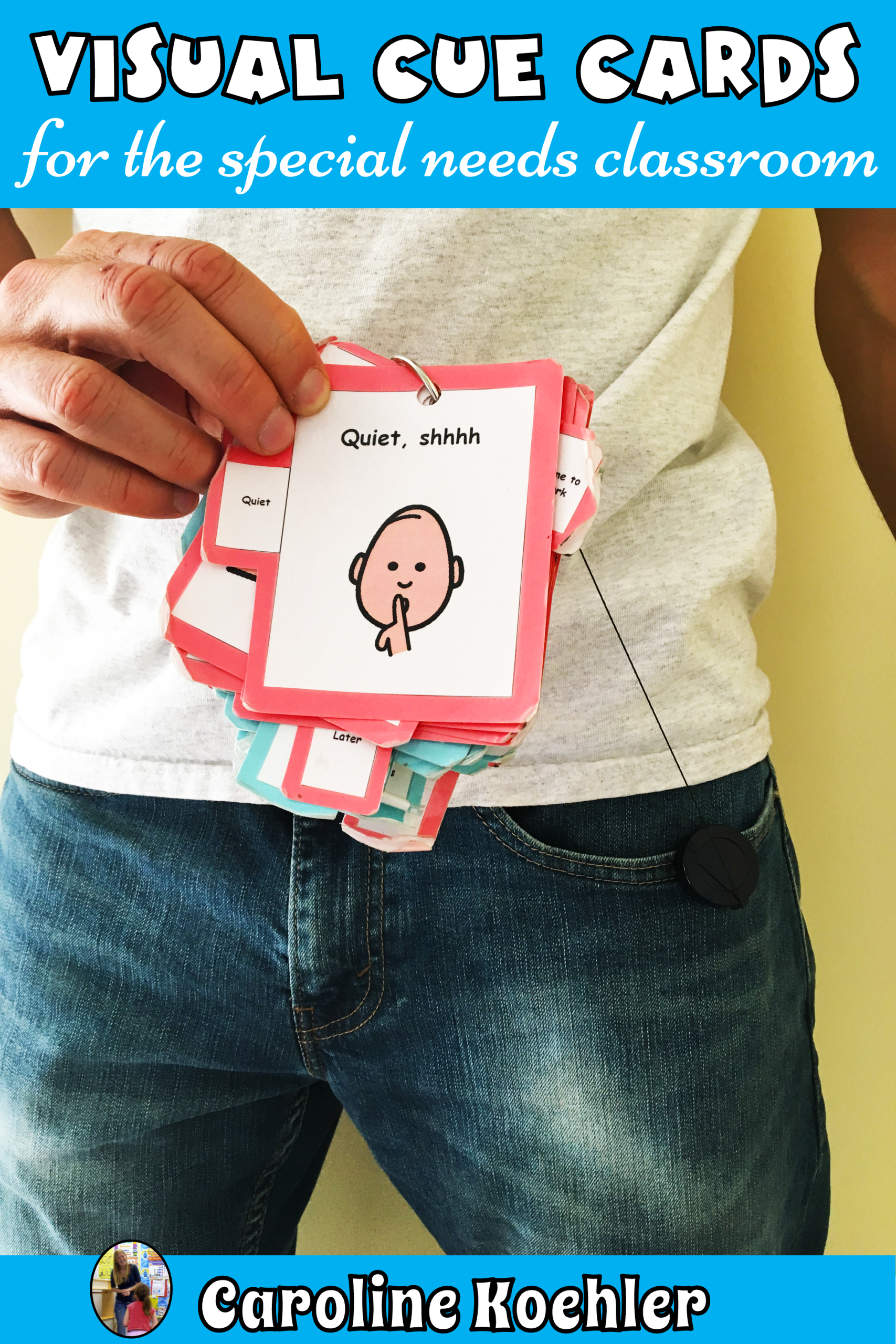
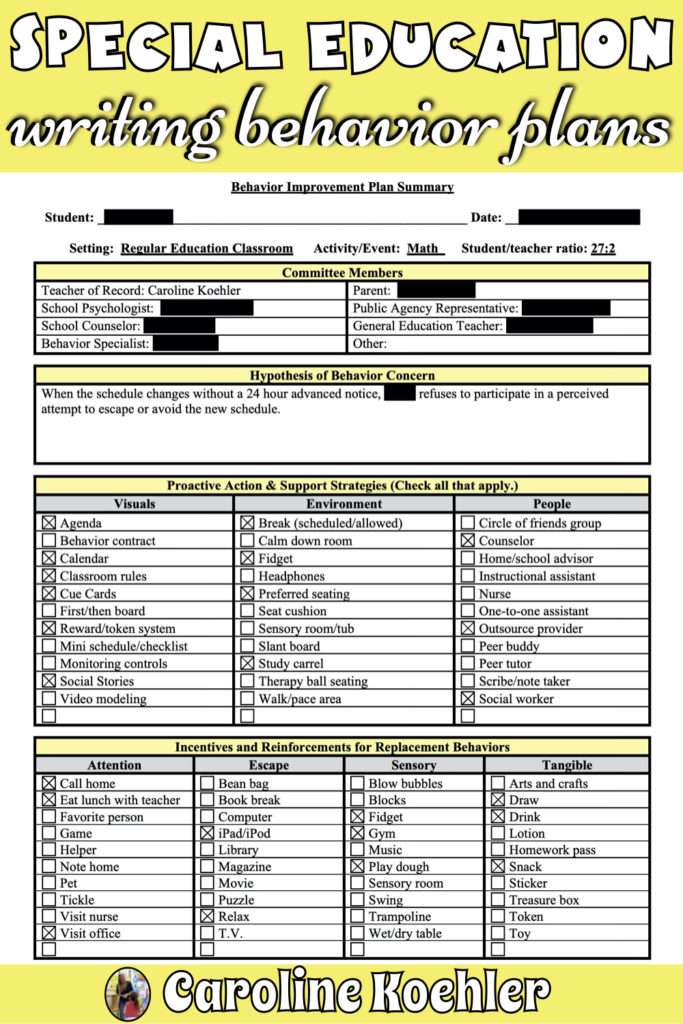
So after I have the information, what I do with it? Of course, this totally depends on what the data shows. Typical things that I do after getting the information is looking to see if I need to change the student’s schedule if there’s a personality conflict within the classroom. But if I can’t adjust the student‘s schedule, I can introduce a modified day with a late start, an early start, or an early release. Maybe I can add a scheduled break into the day or a snack. Sometimes I can manipulate a specialist schedule, such as the occupational therapist, to work with the student during a challenging time as well as giving me ideas for sensory support. I always look at adding visual supports. Using the Behavior Improvement Summary pictured above guides me through the best supports and changes to help the student.
So, grab your grid and clipboard and get out there creating FBAs! Reach out to me below with any questions.