


Special Education Ideas for Tailored Learning
Special education is a crucial component of our education system and special education ideas provide vital support and resources to students with diverse learning needs.
As special educators we’ve assumed the responsibility to ensure that every student has access to a high-quality education.
Also, we must make sure that their individual needs are met so they can reach their full potential.
However, with the wide range of learning styles, abilities, and challenges present in today’s classrooms, finding effective strategies for tailored learning can be a daunting task.
This is where special education ideas come into play.
SPED teachers use innovative and targeted approaches that can be implemented to support the individual learning needs of students.

Individualized Education Plans for personalized learning
In order to support students with diverse learning needs, Individualized Education Plans (IEPs) have become a valuable tool for tailored learning.
These personalized plans provide a roadmap for educators to address specific challenges.
They aim to create a supportive, inclusive learning environment.
By identifying individual strengths, weaknesses, and learning goals, IEPs enable teachers to develop targeted instructional strategies and accommodations that meet the unique needs of each student. But if you’ve ever written an IEP, you know the language is complicated and often confusing.
So, what can you do about that?
Create a help guide that you can use with scripted phrases and easy to edit sentences.
This will help you efficiently and quickly produced quality IEPs.
With an emphasis on individualized support, IEPs empower students to thrive academically, socially, and emotionally, creating a truly inclusive and equitable learning experience.

Creative lesson adaptations for diverse learners
In order to create a truly inclusive and engaging learning environment for students with diverse learning needs, educators can implement creative lesson adaptations.
These adaptations involve modifying instructional strategies, materials, and assessments to meet the unique needs and strengths of each student.
For example, check out the morning meeting binder above.
This special education activity makes morning meeting structure, predictable, and meaningful.
Of course, each student will have different answers for the sentence prompts.
But, the beauty in the lesson is that they are all working on the same activity.
This method can be utilized for a variety of activities.
By embracing a variety of teaching methods and incorporating multiple modalities of learning, educators can ensure that all students have the opportunity to actively participate and succeed in the classroom.

Utilizing progress monitoring for tailored instruction
One effective strategy that educators can utilize to provide tailored instruction for students with special needs is progress monitoring.
By regularly assessing students’ progress and understanding of the material, educators can identify areas of strength and areas that require additional support.
This allows for the development of personalized instructional plans that address the specific learning needs of each student.
Progress monitoring can take various forms, such as frequent formative assessments, checklists, observation, and data analysis.
Use this to track student growth, identify areas for intervention, and make informed decisions about instructional strategies.
Through progress monitoring, educators can ensure that every student receives targeted instruction.
Special Education Ideas Collection
Running a special education classroom comes with many challenges.
I know many a special educator who walked into a classroom with zero curriculum.
So, what’s a teacher to do?
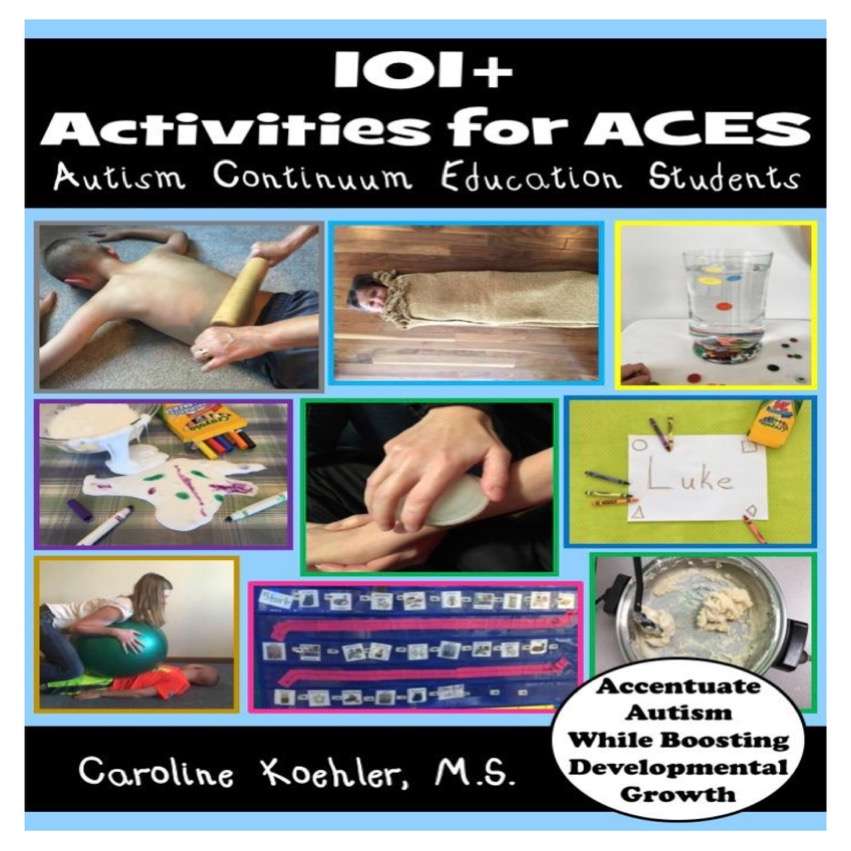
I recommend having a collection of special education ideas in an easy to access manner similar to an IEP goal bank.
Break the ideas into sections like sensory, academics, gross motor, fine motor, language, etc.
Then start compiling your ideas.
This is how my I created the above book of activities and special education ideas for kids with autism.
Some of my favorite activities include
- Button plunge
- Yoga Ball: Bounce and Roll
- Fidgets
- Obstacle Course
- Parachute Play
- Shaker Water Bottles
- Make Playdough
- Crayon Melt
- Rainbow Words
Many of these activities can fill the whole left for classroom created curriculum.
Regardless of what you choose, make sure you keep a list of all the activities that you and your students enjoy.

Incorporating sensory activities throughout the day
To further enhance the learning experience for students with special needs, incorporating sensory activities throughout the day can be incredibly beneficial.
Sensory activities help to engage the senses and promote cognitive development, self-regulation, and overall well-being.
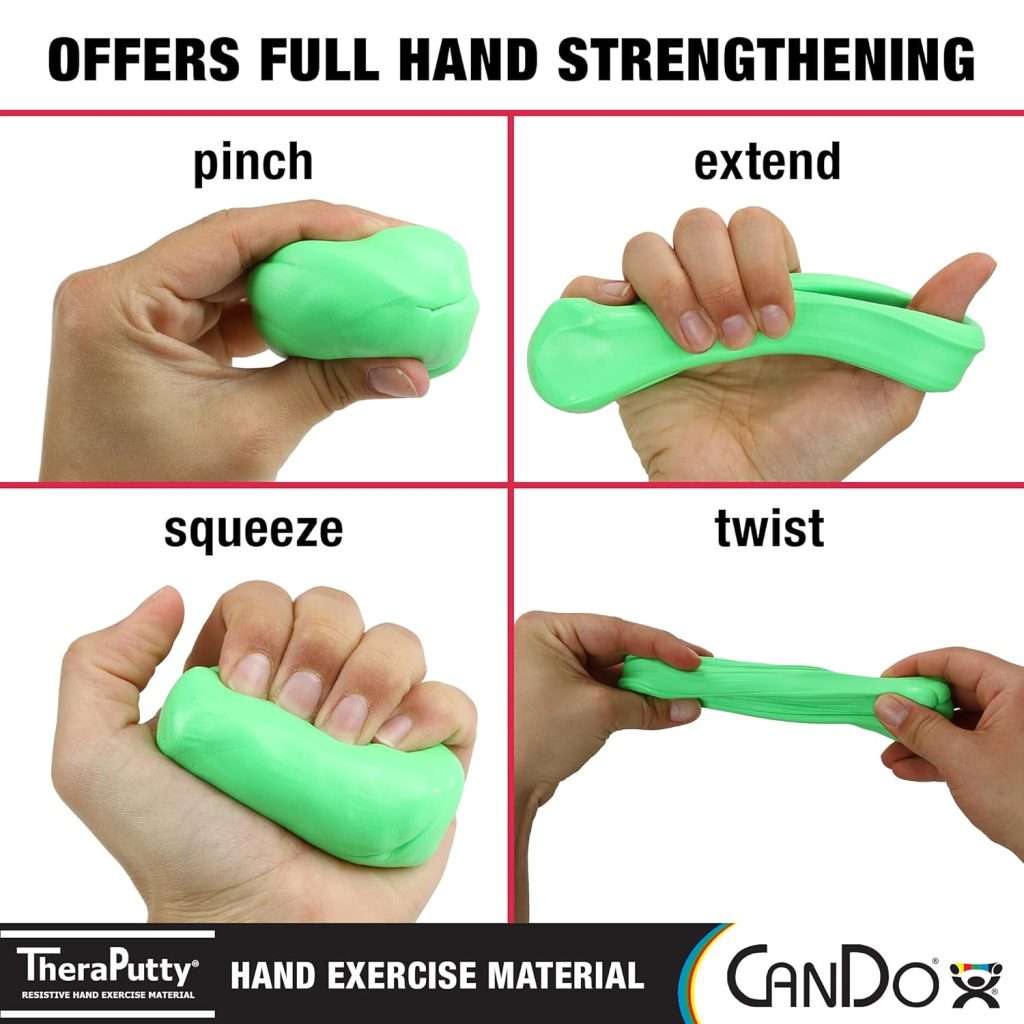
Simple activities such as sensory bins filled with various textures is an easy place to start.
Sensory walks where students can explore different surfaces, or even incorporating scents into the classroom can create a stimulating and enriching environment.
Additionally, providing access to fidget tools like stress balls or textured objects can help students channel their energy and improve focus.
Gross motor activities like swings, crash mats, and therapy balls are excellent if you have the room for them.
Check out my favorite sensory items by clicking here.
By incorporating sensory activities throughout the day, educators can not only create a more engaging and enjoyable learning experience but also provide students with the tools they need to succeed in a tailored and inclusive environment.
Collaborating with specialists for support
One crucial aspect of creating a tailored learning environment for students with special needs is collaborating with specialists for support.
These specialists, such as speech therapists, occupational therapists, and behavior analysts, bring a wealth of knowledge and expertise that can greatly benefit students.
Use their knowledge to help you help your students.
By working closely with these specialists, educators can gain valuable insights into the specific needs of their students and develop individualized strategies to support their learning and growth. Collaborating with specialists allows for a multidisciplinary approach.
This means that different professionals can come together to address various aspects of a student’s development.
Collaboration ensures that all areas of need are addressed comprehensively, leading to more effective interventions and improved outcomes for students.
Never take anyone’s offer to help as an insult.
Rather do what you would hope your students would do: learn and grow.
Utilize a predictable visual schedule
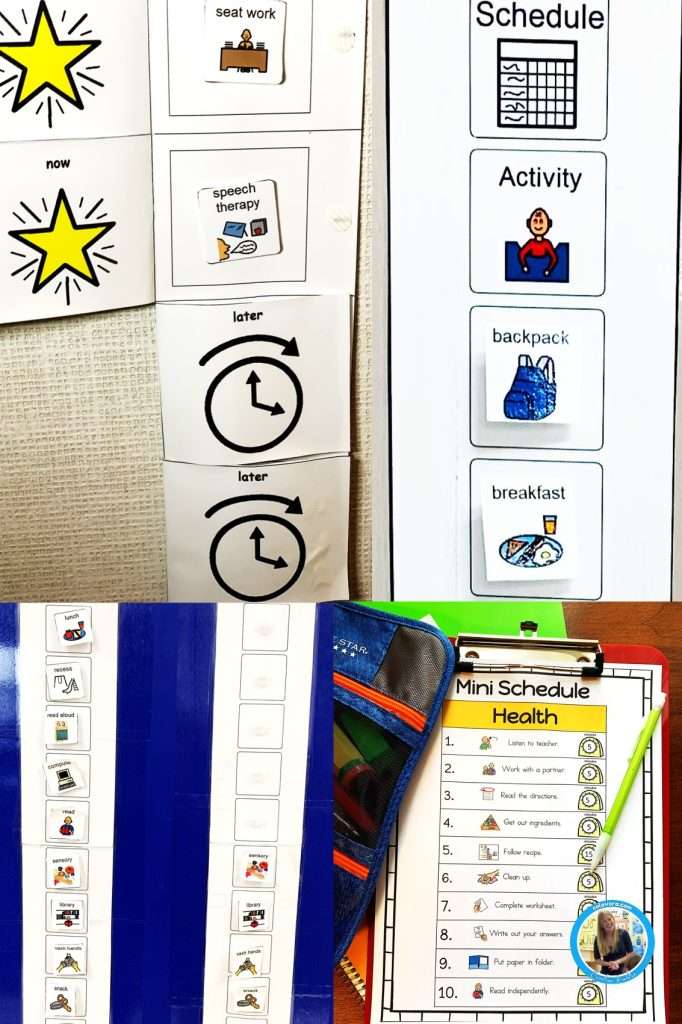
In a special education setting, implementing a predictable visual schedule can greatly enhance student learning and independence.
By utilizing a visual schedule, students can gain a clear understanding of daily routines and expectations, reducing anxiety and promoting a sense of structure.
This visual tool provides a visual representation of the sequence of activities throughout the day.
Why is this important?
It helps students anticipate and prepare for transitions.
This is key to reducing anxiety and increasing compliance.
Whether displayed on a wall, whiteboard, or individual student schedules, visual schedules can be customized to meet the specific needs of each student.
By incorporating visual cues, such as pictures, symbols, or written words, students can easily comprehend and follow along with the schedule.
This promotes self-regulation and empowers students to take ownership of their learning, fostering a positive and organized learning environment.
Encouraging self-advocacy skills in students
One crucial aspect of special education is encouraging self-advocacy skills in students.
By fostering their ability to advocate for themselves, we empower students to take an active role in their education and future.
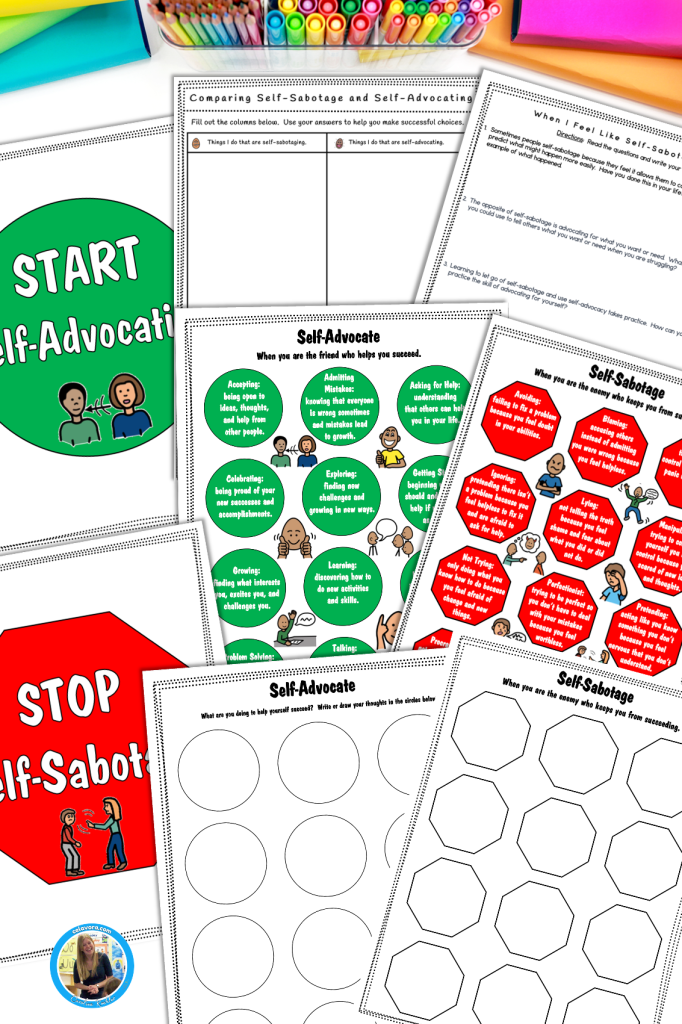
I love using visuals and the self-advocacy visual is a powerful tool.
Not all concepts come easily to everyone.
Some students need to be taught that it’s okay to speak up.
Others need to learn what is the best way to advocate for their needs.
Still others must learn what they can advocate for and get practice doing so.
This can be achieved through various strategies, such as teaching students how to articulate their needs, set goals, and self-reflect on their progress.
Providing opportunities for students to practice self-advocacy.
This includes participating in student-led IEP meetings or engaging in self-assessment activities.
Look for activities that can enhance confidence and sense of ownership in their educational journey.
By equipping students with these skills, we not only support their academic success but also prepare them for a lifetime of self-advocacy and independence.

Implementing visual aids for understanding
Visual aids are an effective tool for promoting understanding and engagement in special education.
This is done by incorporating visual elements such as charts, monitoring controls, and social stories into daily activities.
Visuals help educators enhance comprehension and make abstract concepts more tangible for students.
Autism visual aids provide a visual representation of information, allowing students to better process and retain knowledge.
Additionally, they can support students with different learning styles, including those who are visual learners or have difficulties with auditory processing.
Whether it’s using visual schedules, visual organizers, or visual cues, implementing visual aids in the classroom can greatly enhance the learning experience for students with diverse needs.
It is important to consider individual student preferences and abilities when selecting and creating visual aids.
Teachers need to ensure that they are clear, accessible, and tailored to meet the unique learning needs of each student.
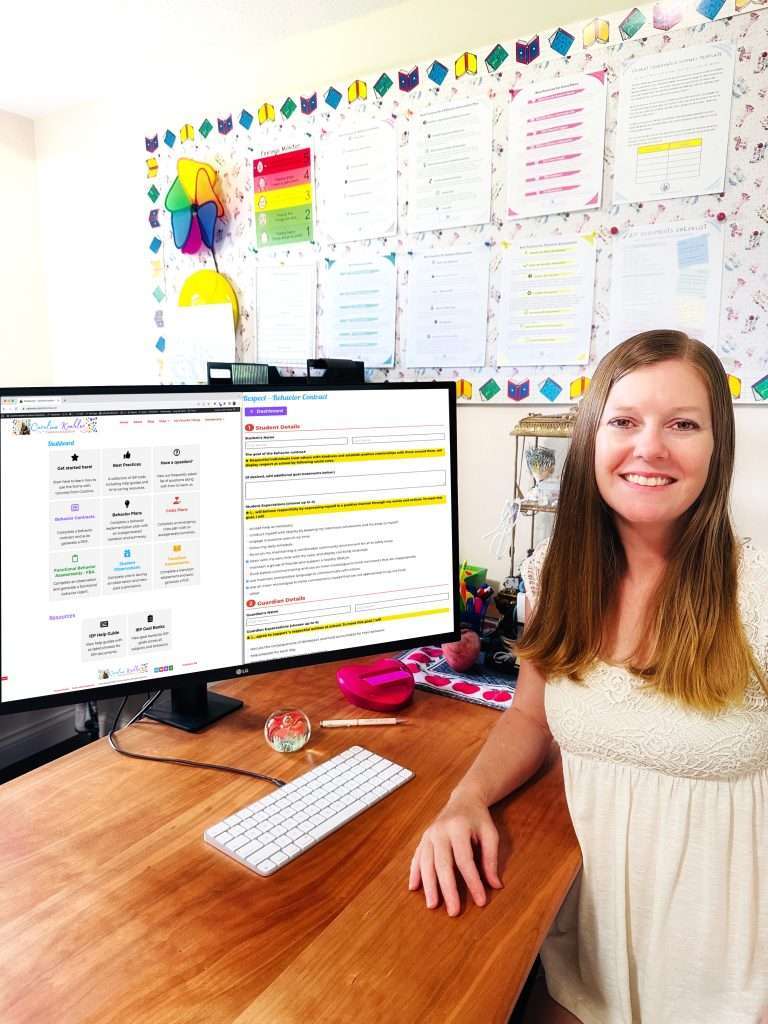
Stay on top of your paperwork with SPED Up Paperwork membership
Managing paperwork is an essential aspect of special education.
We all know that staying organized can often be a challenge when running a special ed classroom.
That’s where the SPED Up Paperwork membership comes in.
With this time-saving resource, educators can streamline their administrative tasks and ensure that important documents are easily accessible.
From student observation to behavior plans, the SPED Up Paperwork membership provides a comprehensive toolkit to help educators stay on top of their paperwork.
With user-friendly templates, customizable forms, and helpful guidelines, this membership simplifies the process.
Ultimately, it allows educators to dedicate more time to their students and less time to paperwork.
Whether you’re a seasoned special education teacher or just starting your journey, the SPED Up Paperwork membership can help.
It’s a valuable tool that create a more efficient you by cutting your paperwork time in half.
Incorporating special education ideas into the classroom not only benefits students with disabilities but can also enhance the learning experience for all students.
By providing accommodations, modifications, and differentiated instruction, teachers can create a more inclusive and effective learning environment for their students.
Let’s continue to explore and implement new special education ideas to ensure that every student has the opportunity to reach their full potential.


