Social Emotional Learning Activities for Every Classroom
Social emotional learning activities have become a prominent focus in education as educators recognize the importance of developing students’ emotional intelligence.
The ability to understand and manage one’s emotions, build positive relationships, and make responsible decisions are essential skills for success in both academic and personal life.
As classrooms become more diverse and complex, it is crucial for teachers to incorporate SEL activities into their curriculum to support the social and emotional development of their students.
These activities not only promote a positive school climate but also enhance academic achievement and reduce behavioral issues.
However, with the increasing demands and pressures on teachers, finding the time and resources to implement SEL activities can be challenging.
Social emotional learning activities that can be easily incorporated into any classroom setting is a must.
From kindergarten to high school, these activities are designed to engage students in meaningful ways.
This includes promoting self-awareness, and developing vital social and emotional skills.
By incorporating these activities into daily instruction, teachers can create a safe and supportive learning environment that fosters the social and emotional growth of all students.

Boost classroom morale with SEL
Creating a positive and supportive classroom environment is essential for students’ overall well-being and academic success.
One effective way to boost classroom morale is by incorporating Social Emotional Learning (SEL) activities.
These activities help students develop crucial social and emotional skills and a sense of belonging to the classroom.
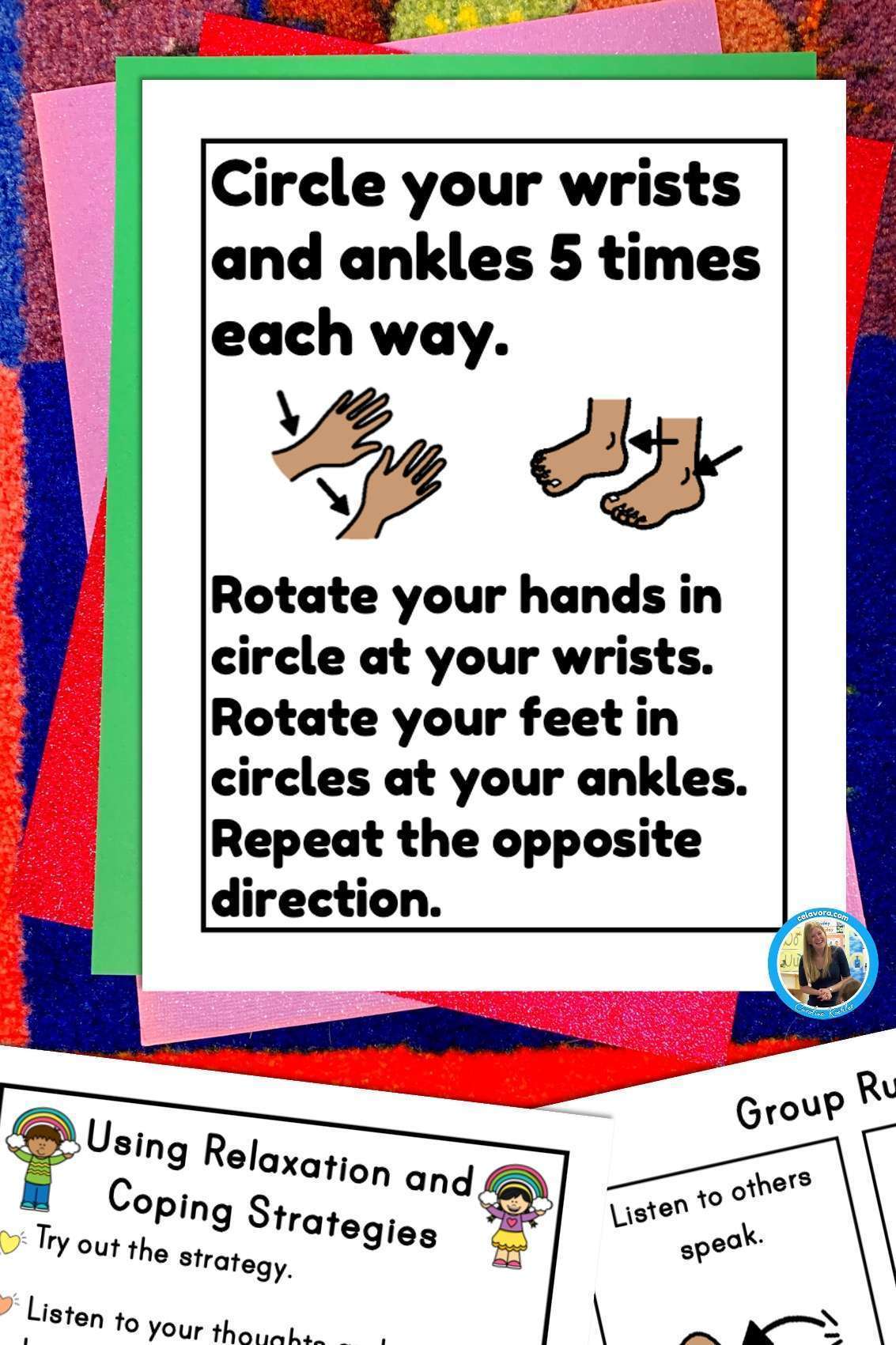
To do this, I use social emotional learning categories that target a coping strategy for each day.
Show the strategy that you have chosen to focus on today.
Strategies focuses I use include
- breathing
- physical release
- distraction
- connection with others
- a personal rest
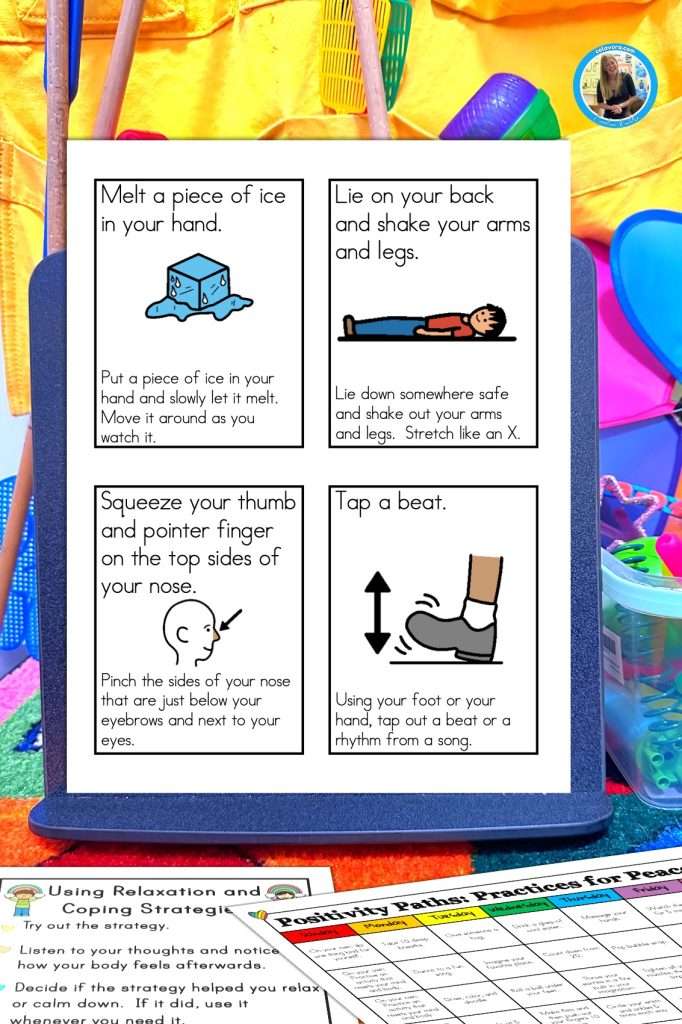
Read the strategy, determine what it’s focusing on (breathing, physical release, distraction, a connection with others, or a personal reset), discuss how to carry it out, and then have the students try the strategy.
Use a relaxed conversation format to have them explain times they might utilize this coping strategy.
This is successful in small group and whole group.
As a bonus, it helps me practice mindfulness as well!

Building relationships, one activity at a time
In every classroom, building strong relationships among students is the foundation for a positive and thriving learning environment.
It’s about creating connections that go beyond academic achievements and foster a sense of belonging and community.
By incorporating various engaging activities that encourage collaboration, communication, and empathy, educators can help students develop meaningful relationships.
From icebreaker games that break down barriers to team-building exercises that promote trust and cooperation, these activities provide opportunities for students to understand and appreciate one another’s unique perspectives.
By building relationships, one activity at a time, classrooms become spaces where students feel seen, heard, and supported, ultimately enhancing their overall social and emotional well-being.

Teach problem-solving with real-world scenarios
One effective way to teach problem-solving skills is by presenting students with real-world scenarios that require critical thinking and decision-making.
By using practical examples, students can apply their knowledge and skills to solve complex problems they may encounter in their lives outside of the classroom.
For instance, presenting a scenario where students have to plan a budget for a trip or come up with solutions for environmental issues allows them to think critically, analyze different perspectives, and make informed decisions.
Engaging in these real-world scenarios not only enhances their problem-solving abilities but also helps develop their ability to collaborate, communicate, and think creatively.
By providing these opportunities for students to tackle real problems, we equip them with the essential skills needed to navigate challenges and succeed in their future endeavors.

Teach students to regulate emotions
One crucial aspect of education that goes beyond academic achievement is teaching students to regulate their emotions.
Emotions play a significant role in our daily lives, influencing our thoughts, actions, and interactions with others.
By equipping students with the skills to understand and manage their emotions, we empower them to navigate challenges and build healthy relationships.
Incorporating activities that promote emotional regulation can have a transformative impact on the classroom environment, fostering a sense of empathy, resilience, and self-awareness.
Choose activities that are enjoyable whether it’s through mindfulness exercises, journaling, or role-playing scenarios.
The goal is to provide students with opportunities to explore their emotions in a safe and supportive space can pave the way for emotional well-being and academic success.
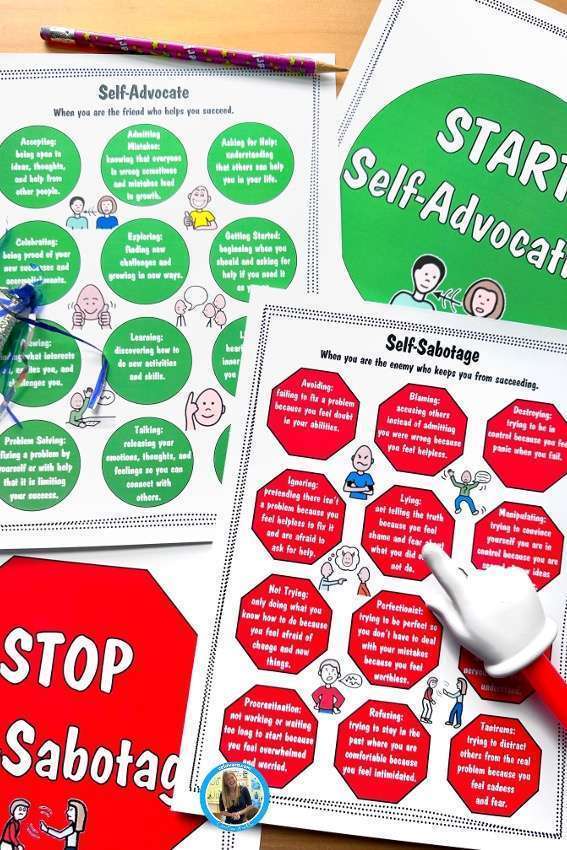
Increase communication skills
Effective communication is a vital skill that not only enhances personal relationships but also contributes to success in life.
By honing their communication skills, students can express their thoughts and ideas more clearly.
This can lead to building stronger connections with their peers, and navigate conflicts with greater ease.
Incorporating activities that promote effective communication in the classroom can have a profound impact on students’ social and emotional development.
Students can develop the ability to articulate their thoughts, understand different perspectives, and communicate their needs and boundaries effectively.
Common activities to promote this include engaging in group discussions, practicing active listening, and participating in collaborative projects.
These essential communication skills will not only benefit them now but also support their future endeavors and interactions in the wider world.
Incorporate SEL into daily routine
Creating an environment that fosters social and emotional learning (SEL) is crucial for the overall well-being and success of students.
By incorporating SEL into daily routines, we can provide students with the necessary tools and skills to navigate their emotions, build healthy relationships, and make responsible decisions.
Simple practices such as a mindfulness activity a day helps students learn more strategies for growth.
Providing opportunities for cooperative learning and problem-solving can make a significant impact on their social and emotional growth.
By weaving SEL into the fabric of our classroom routines, we empower students to develop self-awareness, empathy, and resilience.
Ultimately, this sets them up for a lifetime of emotional intelligence and success.
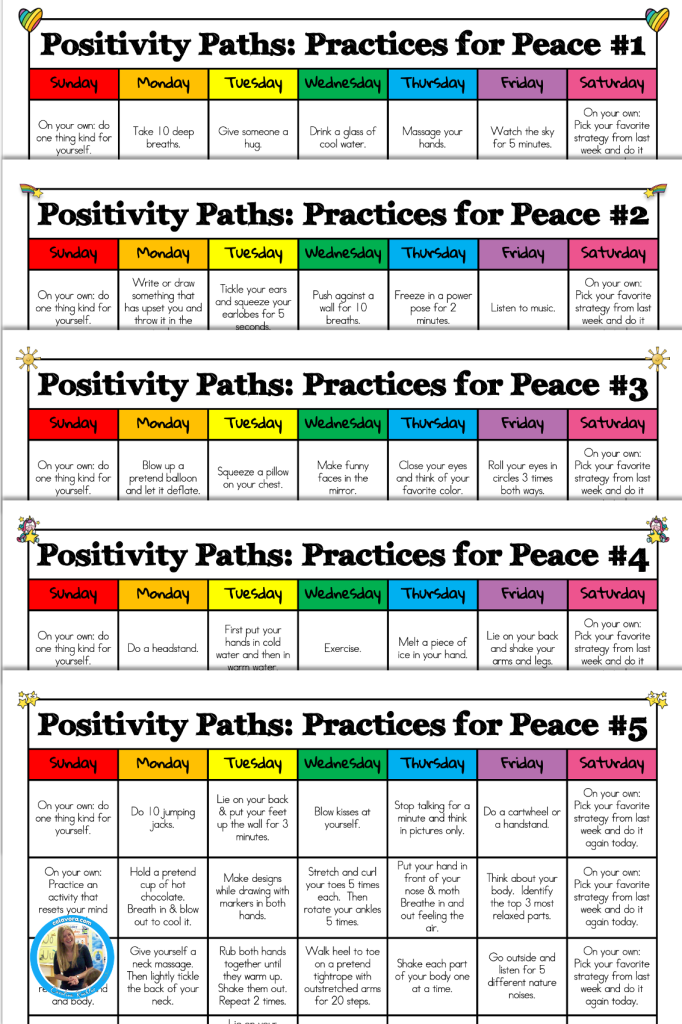
Connect through kindness and compassion
The most desired classroom culture is one that values kindness and compassion.
Teachers strive to create an environment where students feel seen, heard, and supported.
Encouraging acts of kindness and teaching empathy strengthens the bonds between students.
Also, it fosters a sense of belonging and inclusivity.
Small gestures validate each other’s feelings can go a long way in promoting a positive and compassionate classroom community.
Easy to use ideas include
- compliment circles
- appreciations and no put-downs
- random acts of kindness challenges
- encouraging students to actively listen
So, by nurturing these values, we not only enhance social and emotional skills, but also cultivate a sense of empathy and understanding that will extend far beyond the classroom walls.

Foster growth with visuals
Visuals can be a powerful tool to foster growth and enhance learning in the classroom.
By incorporating engaging visual students gain better understand complex concepts and retain information more effectively.
This includes
- Monitoring controls
- Communication aids
- Behavior cues
- Rules
- Think sheets
- Stress management strategies
Visual aids not only capture students’ attention, but they also stimulate their imagination and creativity, making the learning process more enjoyable and interactive.
Using visuals can serve as a catalyst for deeper understanding and meaningful connections.
By embracing the power of visuals, we can create an engaging and dynamic learning environment that promotes growth and sparks curiosity in every student.
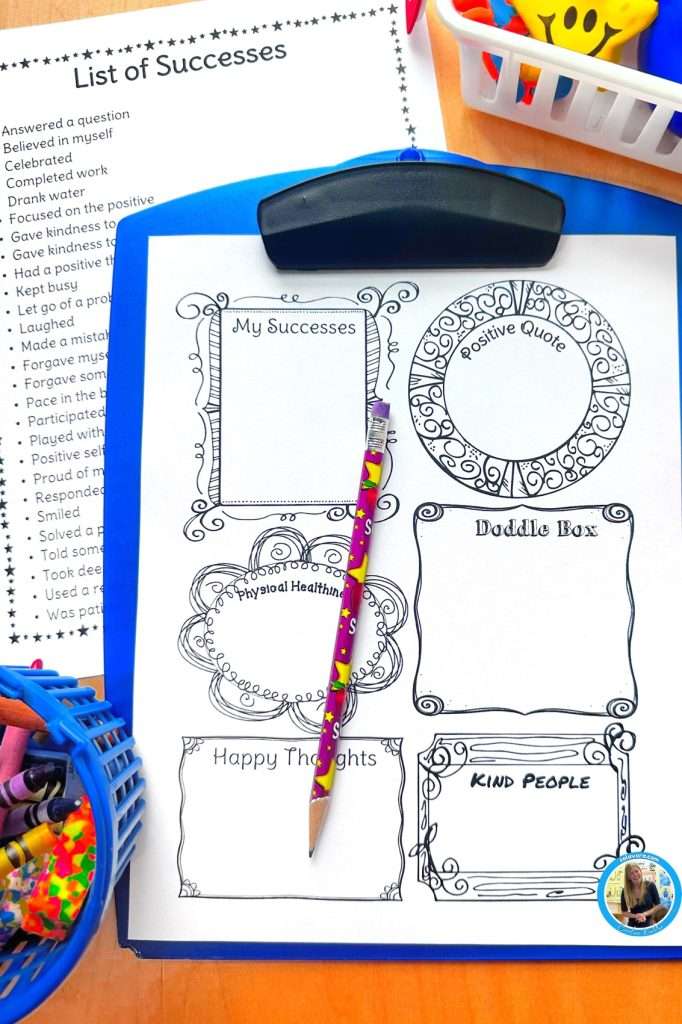
Self-reflection
Incorporating self-reflection is an impactful way to encourage personal growth and introspection in the classroom.
By providing students with tools to reflect on life, they can explore their thoughts and emotions on a deeper level.
This can range from simple inquiries about their day or their goals, to more profound reflections on their values, passions, and dreams.
Taking time to reflect allows students to develop self-awareness, enhance their communication skills, and gain a better understanding of themselves and others.
It also serves as a valuable tool for fostering empathy and promoting self-care.
In my personal experience, it allows me to sleep better at night and feel energized for the next day.
By incorporating journal prompts for self-reflection into our educational practices, we empower students to become active participants in their own personal and emotional growth.
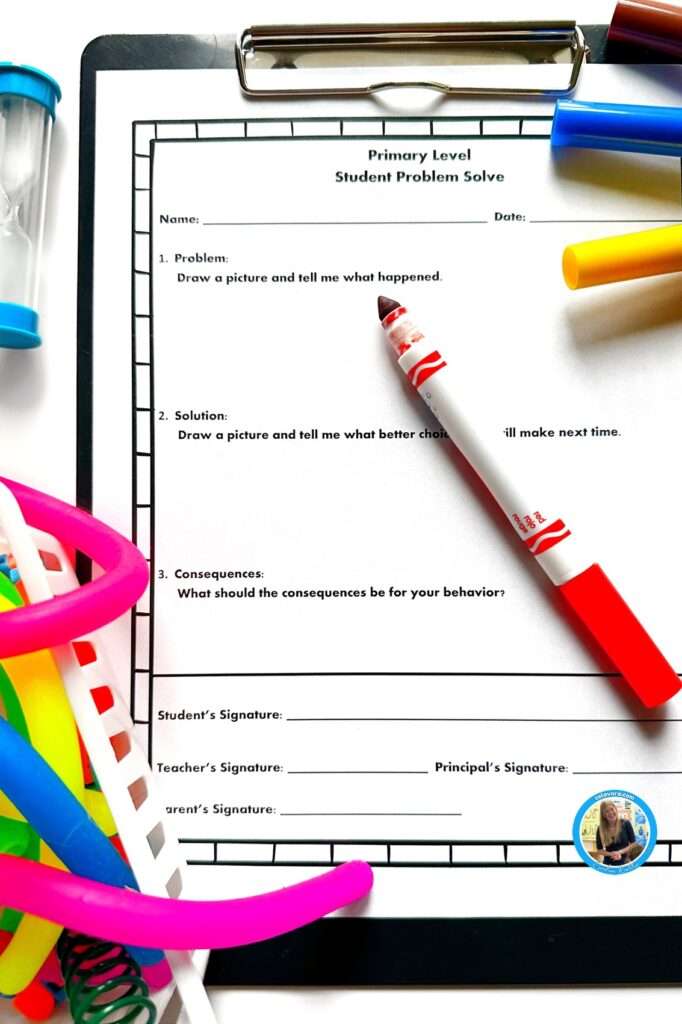
Creating a positive SEL environment
In order to create a positive Social Emotional Learning (SEL) environment, it is important to foster a culture of kindness, empathy, and inclusivity.
Encourage students to develop strong interpersonal skills and emotional intelligence.
This not only benefits their academic success but also prepares them for lifelong personal and professional relationships.
Incorporating group activities can help students learn how to navigate social interactions and resolve conflicts constructively.
Additionally, dedicating time for mindfulness exercises, such as deep breathing or guided meditation, can provide students with tools to manage stress and regulate their emotions.
Use problem solves and think sheets to help student process problems and make better choices.
Creating a positive SEL environment is a continuous effort that requires the involvement and support of teachers, administrators, and the entire school community.
By prioritizing SEL, a learning environment where all students feel valued, respected, and empowered to thrive is created.
Remember, it’s important to not only focus on academic achievement, but also on the well-being and social skills of our students.
By implementing these activities, we can create a positive and supportive learning environment for all students to thrive in.
Let’s continue to prioritize social emotional learning activities and watch our students grow into well-rounded individuals.