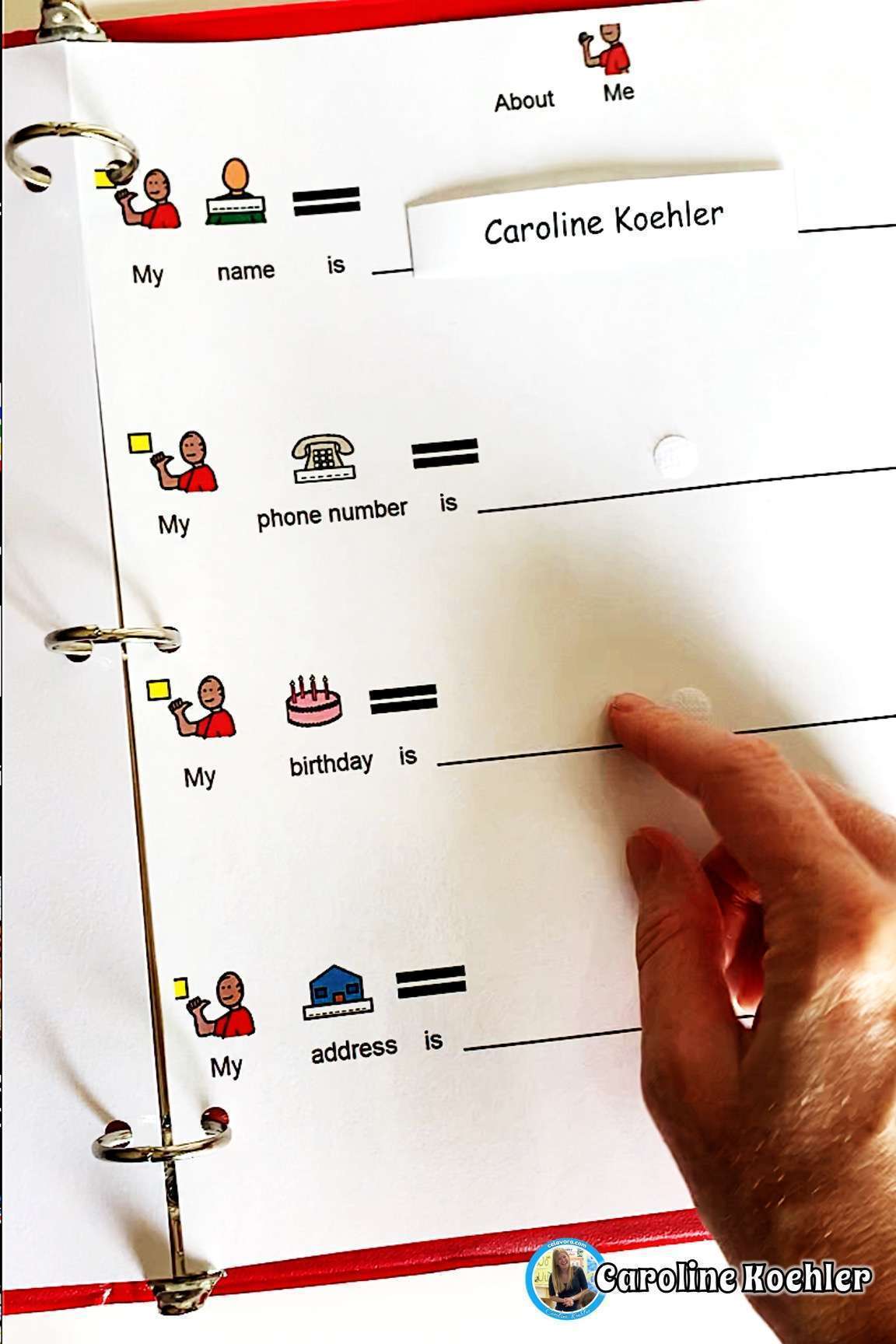
Effective Strategies for ADHD Student Accommodations in the Classroom
The wide range of ADHD symptoms and the unique characteristics of each 🧑🎓 student requires that each student’s classroom accommodations be customized to their individual needs.
Common accommodations include providing additional time to complete assignments, offering frequent breaks, breaking down assignments into smaller tasks, providing structure and organization, or minimizing distractions. 📝
Taking a proactive approach to identifying and supporting the needs of students with ADHD can help ensure that the student is successful in the classroom.

Classroom Accommodations for IEPs
Accommodations for students with disabilities including adhd students can start ✅ simple by allowing additional time to complete assignments.
Providing additional breaks often seems to move students with attention deficit hyperactivity disorder further behind since they are taking a break instead of working.
But these students need frequent breaks so a ⚖️ balance must be found.
Frequent breaks needed by students with ADHD can be countered by providing an outline of notes for the student to write in key words.
They can also be allowed the use of computerized devices to aid in note-taking and organization.
These accommodations can help students focus and better understand the material.
It can also help to reduce stress and anxiety by providing a more organized approach to the material.
Additionally, the use of 💻 technology can allow the student to be more organized and to quickly access information when needed.
Finally, providing an outline of key points from the lesson can be a helpful way to quickly review the material, which can help the student stay on task.
Remember that other students might also benefit from these accommodations.
I enjoy pairing students who require these accommodations with others who might benefit from using them even if they aren’t a requirement.

Inclusive Classroom Teaching Strategies
Breaking down assignments into smaller tasks and providing visual mini-schedules can be extremely helpful for students with ADHD. 🗓
This allows students with ADHD to focus on one task at a time and to clearly understand the expectations of each assignment. 👓
Using visual mini schedules can also help the student learn how to plan.
They have a clear visual of the task at hand and the tools necessary for the lesson.
This can help the 🧠 brain understand the demands and work through the actions necessary.
Mini schedules often show the student what supplies they need along with ordered steps on how to complete the activity.
I create these in a velcro format but they are easy to use digitally or by simply writing out a list on a piece of paper.
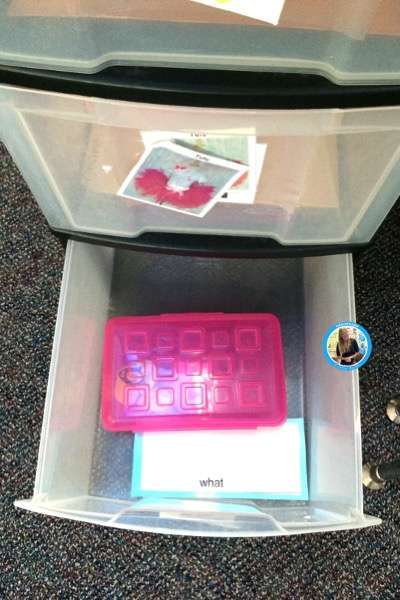
Additionally, using work stations with one task in each drawer can help to structure and organize the student’s workload. 🗄
Finally, minimizing distractions in the classroom is key in order to help students with ADHD stay on track and keep their attention focused.
This can include reducing the noise level, avoiding frequent transitions, and ensuring that the student has the necessary resources to complete their work.
Classroom Accommodations for ADHD
Teachers should provide a structure for students with ADHD to help keep them on task and organized.
This includes having a clear plan and expectations for each lesson, along with a consistent set of instructions.
Additionally, providing a clear 📆 schedule for the day, including breaks and transitions, can help to reduce distractions and keep students from becoming overwhelmed.
Finally, teachers should provide students with time to organize.
In elementary, this looks like 5 minutes of time cleaning out the desk and cubby area. ⏰
In secondary settings, organizing means straightening the locker which includes taking the recycling bin with you.

I always make sure that I am assisting this for the first several weeks.
After assisting, I stand back and coach for the next month or two. 📋
Organization and structure often need to be taught to students with ADHD.
I never assume that they can just “go clean and organize” without modeling.
ADHD and Gross Motor Breaks
Designate time and transitions for movement, to help students with ADHD stay focused.
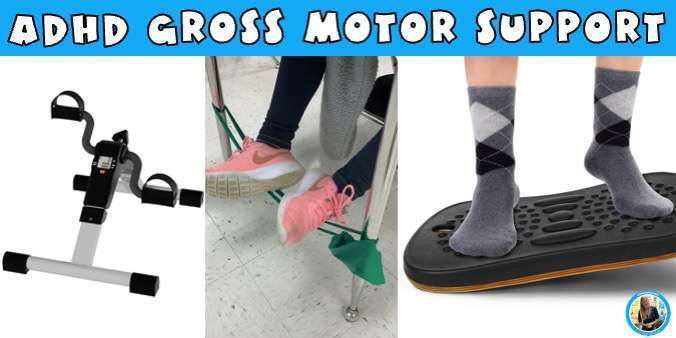
Allowing students to have a 🧍♂️ standing desk or a standing option is an excellent way to accommodate their need to move.
Tying a stretching band across the front legs of a desk can give your students movement while sitting.
I also love using bicycle 🚲 pedals under the desk to get the wiggles out.
These tools can absolutely be written into a student’s IEP as needed.
Affiliate links to my favorite gross motor tools available on Amazon are below.
- Body Sock Sensory Sox
- Sensory Swing for Kids Indoor
- Crash Pad, Sensory Pad with Foam Blocks
- ABS Inflatable Exercise Ball
- Wobble Balance Board
- Mini Trampoline
- Under the Desk Bike Pedals
- Stretch Bands for Desk Legs
For students who need to move while they work, provide a space or chair where they can move while still staying on task.
Allowing them to take short breaks to move around in between tasks can also be beneficial.
An easy and cheap way to do this is marking an area off visually in the classroom.
Adding a long rectangle box made of tape on the floor is a great way to designate a walking area for a student.
I call this a 🚶♀️ walk box and let students use it as needed during lessons and activity time.

ADHD and Fine Motor Breaks
Establishing a designated “brain break” area with a few fidgets or other tools to help them focus can help them regulate and refocus their energy when needed.
Some students can handle using this at their desks as needed.
Other students with ADHD need to use an I’m Working for Board or a First, Then board 📂to regulate this.
These boards visually show the student what work or activity needs done and then provides them with a desired fidget afterwards.
Affiliate links to my favorite fine motor tools available on Amazon are below.
- TANGLE Fidget Toys
- Puffer Ball
- Sensory Liquid Motion Bubbler
- Jelly Bead Balls
- Spiky Sensory Rings
- Stretchy Jelly String Noodles
For students who need a lot of movement and a break from their environment, they can be assigned daily tasks around the 🏫 school building.
Ideas for this is delivery notes to the office or the nurse.
I also like to send students with ADHD on “weight baring” tasks like carrying a milk crate back to the cafeteria or pushing a 🛒 cart to another part of the building.

ADHD Success in the Classroom
Teachers can include providing students with additional time to complete assignments, allowing the use of computerized devices to aid in note-taking and organization, and providing a quiet, distraction-free workspace for students to complete their work.
Additionally, teachers can consider allowing students to take short 🧘♂️ breaks throughout the day or allowing them to stand up when working on an assignment.
Finally, teachers should provide students with a clear plan for each lesson to help them stay organized and on task.
All of these strategies can help to create an environment where students with ADHD can successfully 🤯 learn and reach their full academic potential with ADHD.