


The Power of Individualized Education Plan: Supporting Students in Reaching their Full Potential
In today’s ever-changing educational landscape, the power of and individualized education plan (IEP) cannot be underestimated.
These personalized plans offer a lifeline to students, ensuring that they receive the support they need to thrive academically and reach their full potential.
With an IEP, students with diverse learning needs, whether it be due to a disability, learning difference, or other challenges. 📚
IEPs ensure tailored instruction, accommodations, and resources that cater to their unique strengths and weaknesses.
Gone are the days of a one-size-fits-all approach to education, as educators and specialists recognize the importance of individual differences.
By focusing on each student’s unique abilities, an IEP not only enhances their academic progress but also fosters a sense of empowerment and self-confidence.
This article will delve into the various components of an IEP, the benefits it offers to students, and the crucial role it plays in supporting their educational journey. 🛣️
Discover how IEPs are transforming the educational landscape and empowering students to excel.
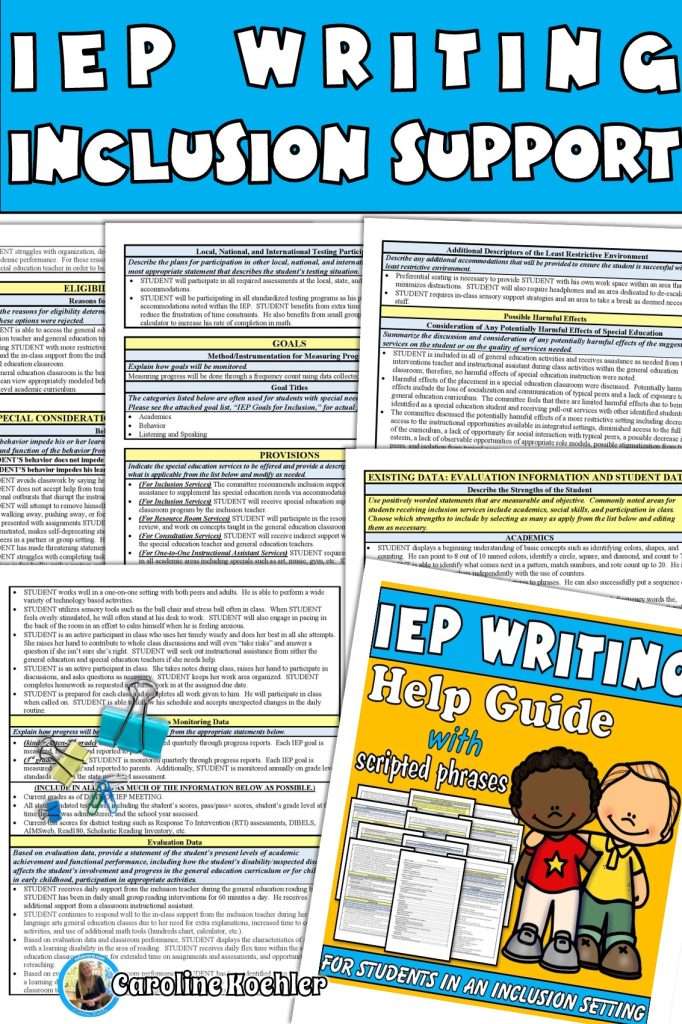
What is an Individualized Education Plan (IEP)?
Schools legally mandate an Individualized Education Plan (IEP) which outlines a customized plan for students with special needs. 🧩
It is designed to ensure that students receive the necessary support and accommodations to access the curriculum and make meaningful progress in their education.
A team of professionals, including teachers, special education staff, parents, and the student, when appropriate, collaboratively develop an IEP.
The program takes into account the unique strengths, weaknesses, and goals of the student.
Also, considered are any specific accommodations or modifications required to meet their individual needs.
The IEP serves as a roadmap for the student’s educational journey, providing clear goals, objectives, and strategies for instruction. 🎯
It outlines the services, supports, and accommodations that will be provided to help the student succeed.
These may include specialized instruction, assistive technology, speech therapy, occupational therapy, physical therapy, counseling, and other related services.
The educational team can monitor and adjust the plan as needed because the IEP also specifies how progress will be measured and reported, ensuring both the student and the educational team.
By tailoring the educational experience to the individual student, an IEP creates a supportive environment where every child can thrive.

The Importance of IEPs for Students with Special Needs
For students with special needs, an IEP is a critical tool that can make all the difference in their educational journey.
It recognizes and addresses their unique needs, allowing them to access the curriculum and participate fully in the learning process.
By providing individualized instruction and support, an IEP helps students overcome obstacles and maximize their potential.
One of the key benefits of an IEP is that it promotes inclusivity and equality in education. 🎓
By recognizing and accommodating diverse learning needs, an IEP ensures that all students have an equal opportunity to succeed.
It levels the playing field, allowing students with disabilities or learning differences to receive the necessary support and accommodations to excel academically.
This not only benefits the individual student but also fosters a more inclusive and supportive learning environment for all students.
In addition to academic support, an individualized education plan also addresses the social and emotional needs of students.
It provides a framework for fostering positive relationships, building self-esteem, and developing self-advocacy skills.
By tailoring instruction and supports to the student’s unique strengths and weaknesses, an IEP promotes a sense of empowerment and self-confidence.
It sends a powerful message to students that their individuality is valued and that they have the potential to achieve great things.
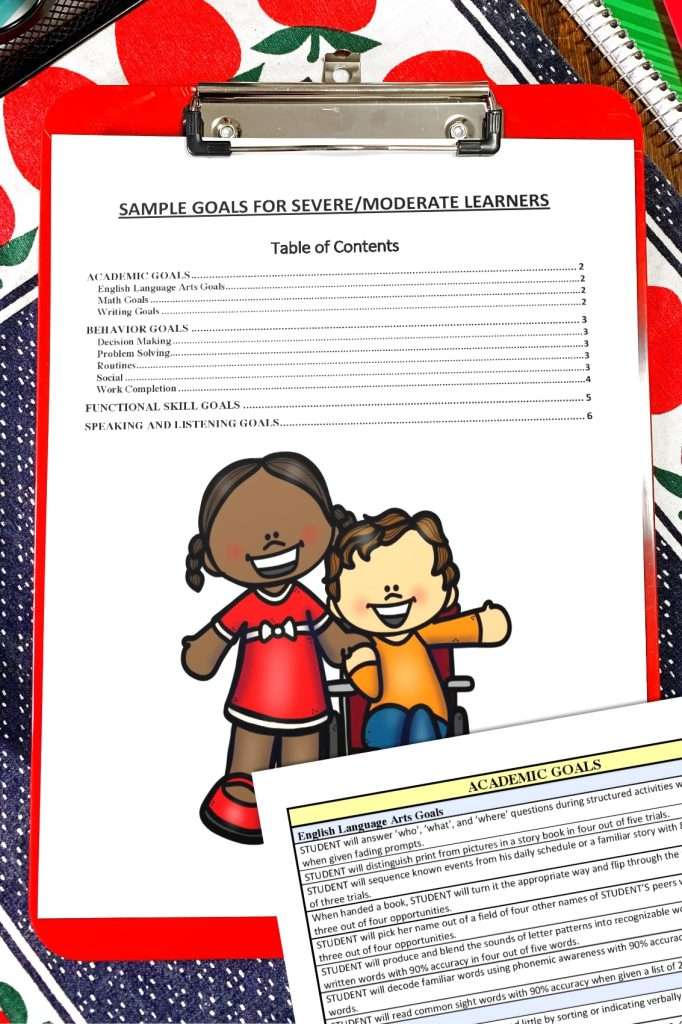
The Components of an Individualized Education Plan
An IEP consists of several key components that work together to create a comprehensive plan for the student’s education.
These components ensure that all aspects of the student’s needs are considered and addressed.
Let’s take a closer 🔎 look at each of these components:
1. Present Levels of Performance
This section provides a snapshot of the student’s current academic, social, and functional abilities.
It outlines the student’s strengths, weaknesses, and any areas of concern that need to be addressed.
This information serves as a starting point for setting goals and developing strategies.
2. Annual Goals and Objectives
Based on the student’s present levels of performance, annual goals and objectives are established.
These goals are specific, measurable, achievable, relevant, and time-bound (SMART).
They provide a clear roadmap for the student’s progress and serve as benchmarks for tracking growth throughout the year.
3. Special Education and Related Services
This section outlines the specialized instruction and related services that will be provided to support the student’s educational needs.
It may include services such as speech therapy, occupational therapy, physical therapy, counseling, and assistive technology.
The IEP team determines the type, frequency, and duration of these services based on the student’s individual needs.
4. Accommodations and Modifications
Using accommodations and modifications strategies and supports help the student access the curriculum and demonstrate their knowledge and skills.
Accommodations may include extra time on tests, preferential seating, or the use of assistive technology.
Modifications involve changes to the curriculum or instructional materials to meet the student’s needs.
5. Participation in General Education
This section addresses the student’s involvement in the general education curriculum and classroom.
It outlines how the student will be included in mainstream educational activities and the supports that will be provided to facilitate their participation.
The goal is to create an inclusive learning environment where the student can interact with their peers and benefit from a variety of instructional approaches.
6. Progress Monitoring and Reporting
To ensure that the individualized education plan is effective and that the student is making progress, regular monitoring and reporting are essential.
This section outlines how progress will be measured, what data will be collected, and how it will be communicated to parents and the student.
It also includes a plan for reviewing and updating the IEP as needed.
By incorporating these components, an IEP provides a comprehensive framework for meeting the unique needs of students with special needs.
It ensures that all aspects of their education are considered and that they receive the necessary supports and accommodations to succeed.
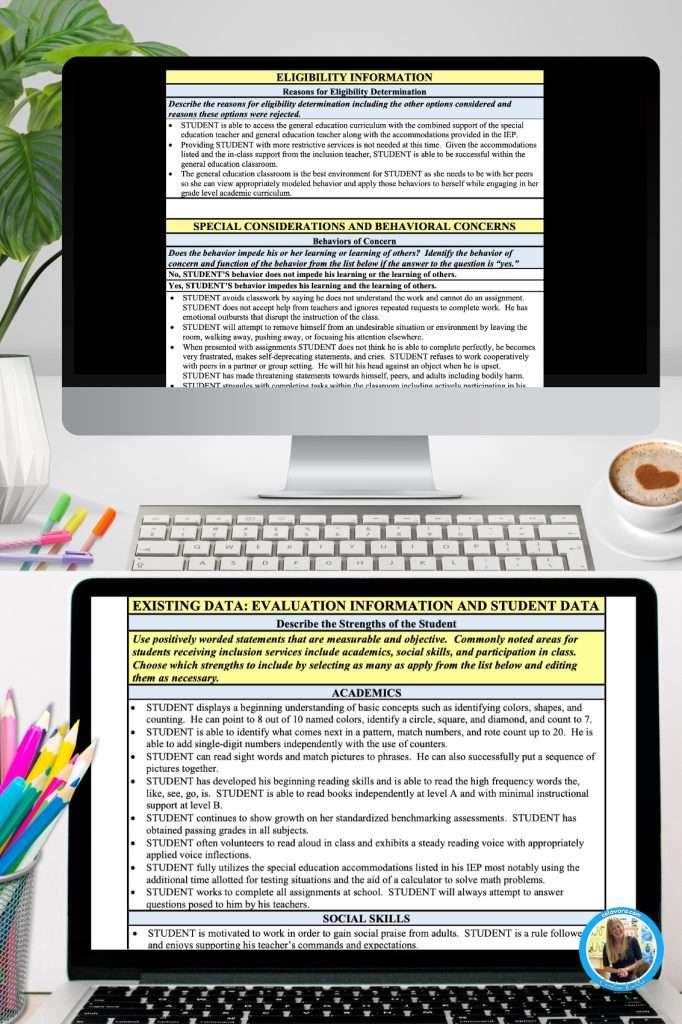
How to Develop an Effective Individualized Education Plan
Developing an effective IEP requires collaboration and input from various stakeholders, including parents, educators, and specialists.
Here are some key steps to consider when developing an IEP:
1. Assessment and Evaluation
The process begins with a thorough assessment of the student’s strengths, weaknesses, and needs.
This may involve conducting various tests, observations, and interviews to gather relevant data.
The assessment provides a foundation for developing appropriate goals and strategies.
2. Goal Setting
We establish goals and objectives based on the assessment results.
These goals should be specific, measurable, achievable, relevant, and time-bound (SMART).
They should align with the student’s abilities and address their areas of need.
The goals should be challenging yet attainable, allowing the student to experience a sense of accomplishment.
3. Individualized Instruction and Supports
Once you set the goals, you need to determine the instructional strategies, accommodations, and supports that will help the student achieve those goals.
This may involve modifying the curriculum, providing specialized instruction, or utilizing assistive technology.
The focus should be on tailoring the instruction to the student’s individual needs and strengths.
4. Collaboration and Communication
Developing an effective IEP requires ongoing collaboration and communication among all stakeholders.
This includes parents, educators, specialists, and the student (where appropriate).
Regular meetings should be held to discuss the student’s progress, address any concerns, and make adjustments to the plan as needed.
Open and transparent communication is essential for the success of the IEP.
5. Implementation and Monitoring
Once the IEP is developed, it’s important to implement the plan and monitor the student’s progress.
Teachers and specialists should provide the necessary supports and accommodations outlined in the IEP.
Progress should be regularly monitored and documented to ensure that the goals are being met.
Adjustments should be made to the plan as needed to ensure its effectiveness.
By following these steps and involving all stakeholders in the process, an effective IEP can be developed that meets the unique needs of the student.
The IEP serves as a roadmap for instruction, providing clear goals, strategies, and supports to help the student reach their full potential. 🗺️

Collaborating with Parents and Educators in the individualized Education Plan Process
The success of an individualized education plan relies on the collaboration and cooperation of parents and educators.
Parents play a vital role in the development and implementation of the IEP, as they have valuable insights into their child’s strengths, weaknesses, and needs.
Here are some strategies for fostering effective collaboration between parents and educators in the IEP process:
1. Open and Transparent Communication
Establishing open and transparent communication channels is crucial for effective collaboration.
Parents and educators should regularly communicate to discuss the student’s progress, address concerns, and share information.
You can do this through in-person meetings, phone calls, emails, or online platforms.
Encourage both parties to ask questions, seek clarification, and provide feedback.
2. Active Listening and Respect
Active listening is an essential skill for effective collaboration.
Both parents and educators should listen attentively to each other’s perspectives, concerns, and suggestions.
It is important to respect each other’s opinions and experiences, even if there are differences of opinion.
A collaborative and supportive partnership can be developed by valuing and considering each other’s input.
3. Sharing Information and Expertise
Parents and educators bring different areas of expertise to the table.
Educators have knowledge and experience in teaching and curriculum, while parents have unique insights into their child’s strengths, weaknesses, and needs.
By sharing information and expertise, both parties can work together to develop an effective IEP.
Educators can provide insights into instructional strategies and accommodations, while parents can provide insights into their child’s preferences, interests, and learning styles.
4. Setting Clear Roles and Expectations
Clearly defining roles and expectations works best for collaborative partnerships.
Parents and educators should have a clear understanding of their respective roles and responsibilities in the IEP process.
This includes understanding the timeline for meetings, the sharing of information, and the implementation of the IEP.
Setting clear expectations can minimize misunderstandings and conflicts.
5. Celebrating Successes and Addressing Challenges
Collaborative partnerships should focus on celebrating successes and addressing challenges together.
When a student achieves a goal or makes progress, it is important to recognize and celebrate their accomplishments.
This fosters a positive and supportive environment. In cases where challenges arise, parents and educators should work together to identify solutions and make necessary adjustments to the IEP.
An IEP can be developed and implemented successfully by fostering effective collaboration between parents and educators.
The partnership between home and school is crucial for supporting the student’s educational journey and ensuring their success.
Case Studies Showcasing the Impact of IEPs on Student Success
One cannot overstate the impact of an IEP on student success. ✅
Case studies provide real-life examples of how IEPs have transformed the educational experience and empowered students to reach their full potential.
Let’s explore a few case studies that highlight the positive impact of IEPs:
Case Study 1: Sarah
Sarah is a 10-year-old student with dyslexia.
She struggled with reading and writing, often feeling frustrated and discouraged.
After the development of her IEP, Sarah began receiving specialized instruction in reading and writing, as well as accommodations such as extra time on tests and the use of assistive technology. Her teachers worked closely with her to develop strategies to improve her reading comprehension and writing skills.
Over time, Sarah’s confidence and skills improved significantly.
She went from struggling to read simple sentences to confidently reading chapter books.
Sarah’s parents credit the IEP for her transformation, noting that it provided the necessary support and accommodations for her to succeed.
Case Study 2: Michael
Michael is a high school student with autism.
He struggled with social interactions and transitions, often becoming overwhelmed and anxious.
With the support of his individualized education plan, Michael received social skills training, counseling, and accommodations to help him navigate the school environment.
His teachers worked with him to develop strategies for managing transitions, coping with sensory sensitivities, and developing positive relationships with peers.
Over time, Michael’s social skills improved, and he became more confident and independent.
His IEP provided the structure and support he needed to succeed academically and socially.
Case Study 3: Emily
Emily is a 7-year-old student with ADHD. She struggled with focus, organization, and completing tasks.
Through her IEP, Emily received accommodations such as preferential seating, access to fidget tools, and the use of visual schedules.
Her teachers worked with her to develop strategies for managing her attention and staying organized.
Over time, Emily’s ability to focus and complete tasks improved significantly.
She became more engaged in her learning and developed a greater sense of self-confidence.
Emily’s parents credit the IEP for her progress, noting that it provided the necessary structure and supports for her to succeed.
These case studies demonstrate the transformative power of IEPs in supporting students with diverse learning needs.
By providing individualized instruction, accommodations, and supports, an IEP can empower students to overcome obstacles and reach their full potential.

Strategies for Implementing and Monitoring IEP Goals
Implementing and monitoring IEP goals is essential to ensure that the student is making progress and that the plan is effective.
Here are some 📝 strategies for implementing and monitoring IEP goals:
1. Clear Communication
Clear communication is key to implementing and monitoring IEP goals.
Teachers and specialists should communicate regularly with each other, as well as with parents, to ensure that everyone is on the same page.
We need to discuss the goals, strategies for instruction, and any accommodations or modifications that need to be put in place.
Regular updates should be provided to parents regarding their child’s progress.
2. Data Collection
Data collection is a crucial part of monitoring IEP goals.
Teachers should collect data on the student’s progress towards their goals, using both formal and informal assessments.
This data can include test scores, observations, work samples, and progress reports.
Teachers can determine whether the student is making progress and whether any adjustments need to be made to the plan by collecting and analyzing data.
3. Progress Reports for an individualized education plan
Regular progress reports should be provided to parents and the student, outlining the student’s progress towards their goals.
These progress reports should be clear, concise, and easy to understand.
Process reports should provide specific information on the student’s strengths, areas of improvement, and any adjustments that they have made to the plan.
Progress reports should also include suggestions for how parents can support their child’s learning at home.
4. Ongoing Assessment
Ongoing assessments are an essential component of the strategies for implementing and monitoring individualized education plan goals.
These assessments provide educators with valuable information about the progress of students towards their individualized goals, as well as the effectiveness of instructional strategies and interventions.
They also help identify areas where students may require additional support or modifications to their IEPs.
Regular assessments can be conducted using a variety of tools and methods, such as progress monitoring, curriculum-based assessments, and standardized tests.

Resources and tools for creating and implementing individualized education plan
Creating and implementing effective IEPs can be challenging, but there are numerous resources and tools available to support the process. 💻
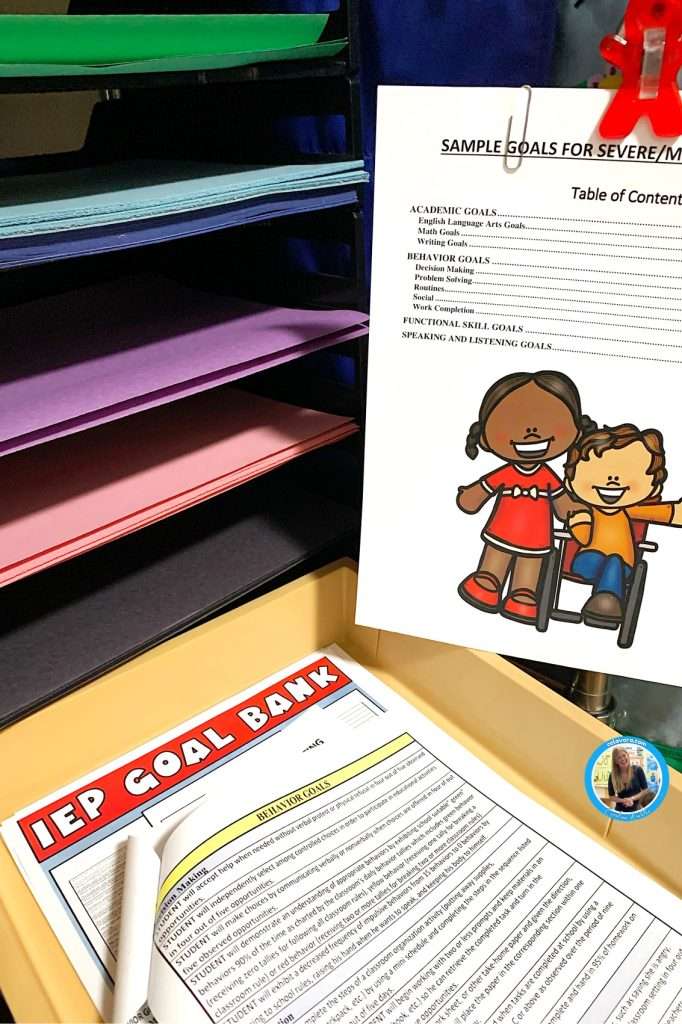
IEP help guides offer step-by-step instructions for developing an IEP, while goal banks provide a range of objectives that can be tailored to individual student needs.
Transition assessments help identify the skills and supports necessary for students to succeed after graduation.
Student observation grids allow educators to collect data on a student’s progress.
Progress monitoring collection pages provide a means of tracking student growth over time.
These resources and tools can be invaluable in creating and implementing IEPs that ensure students receive the support they need to achieve academic success.
Also, utilize past individualized education plan to help yourself understand the flow of an IEP.
These old documents can also let you see what good, bad, and ugly goals are.
All-in-all, old or expired IEPs can help you find your voice and inspiration for writing effective IEPs.
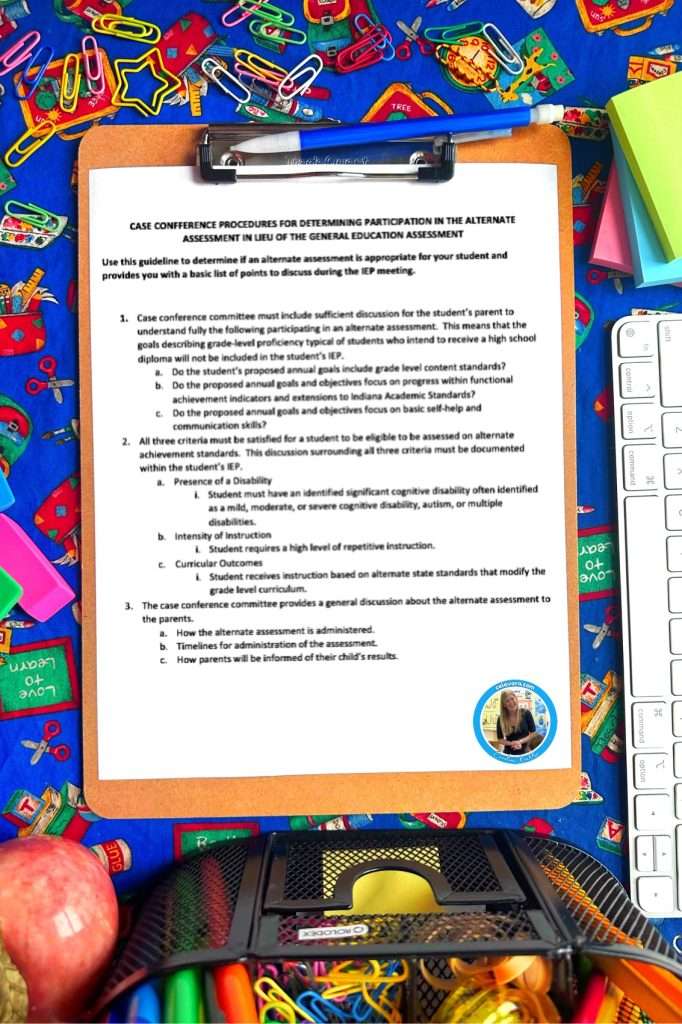
Celebrating the power of individualized education plan
As educators, it is our responsibility to ensure that every student has access to a quality education, regardless of their unique needs and abilities.
An individualized education plan has proven to be a powerful tool in achieving this goal for students with special education needs. 🤗
So, by tailoring instruction and support to meet each student’s specific needs, IEPs promote academic and social growth, build confidence, and foster a strong sense of belonging.
Next, celebrating the power of IEPs recognizes the critical role they play in helping students with special education needs reach their full potential and succeed in school and beyond.
As educators, we must continue to prioritize and advocate for an appropriate individualized education plan to ensure that all students have the opportunity to thrive.


