What is an Inclusive Classroom – Student Supports
As educators, our aim is to establish an inclusive classroom that upholds fairness and equality for every student.
However, accomplishing this feat can be a daunting task, particularly when attempting to address the varying needs of each individual in the classroom.
Teachers know that there is a multitude of challenges that arise in managing a diverse class.
Thankfully, teachers have access to a range of inclusion classroom supports that can benefit all learners.
By implementing tried and tested strategies, teachers can cultivate a safe and supportive learning environment that inspires confidence in their students.
Let’s explore seven specific strategies that instructors can employ to create an inclusive classroom that fosters a culture of respect and understanding.
Using Classroom Visuals
Want to make your inclusion classroom more engaging for students?
Well, one great way is to use classroom visuals strategically.
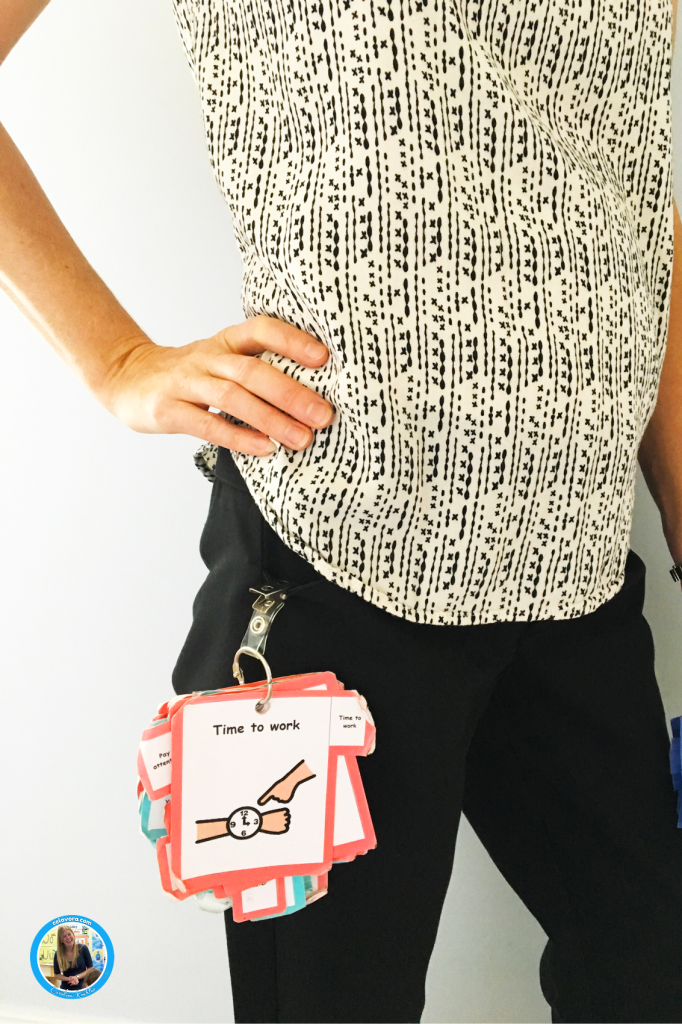
By using cue cards and classroom control cards, you can help students stay organized and focused on their tasks.
Another helpful tool is academic support printables designed specifically for visual learners.
These resources can be a game-changer for students looking to reinforce their knowledge.
When you incorporate interesting and relevant visuals that connect with the curriculum, you can significantly improve students’ comprehension and retention of the material.
Plus, visuals can be a fun way to introduce new concepts and encourage student interaction with the subject matter.
Not to mention, visuals can be an awesome motivational tool for students who need a little extra support.
With the right visuals, you can create a dynamic learning environment that truly engages and supports your students.

Outline Rules and Expectations
Creating a positive and respectful learning environment in schools is essential.
The key to achieving this is by setting clear expectations for your inclusive classroom.
Educators and administrators can achieve this by creating rules and procedures that have a positive tone, focusing on respect and responsibility.
When communicating expectations, it’s important to tell students what they should do, not what not to do.
Additionally, frequent reminders and consistent modeling of expected behavior are crucial to ensure success.
Teachers can lead by example, demonstrating appropriate behavior while discussing expectations and providing real-life examples of what is expected.
To reinforce expectations, it’s important to review rules and procedures regularly, and display them in classrooms, hallways, and common areas to remind students of their responsibilities.
Above all, it’s important to ensure that all rules and procedures are uniformly followed and enforced, but in a fair and friendly manner.

Establish a Safe and Inviting Inclusive Classroom
Creating a warm and secure environment that nurtures the emotional and social growth of all students is absolutely vital.
It’s essential to give every student the chance to make mistakes, learn from them, and move forward.
Equally important is providing students with the support and resources they need to develop their social and emotional skills.
Simple daily practices like breathing exercises, releasing emotions, regulating our bodies, or checking in with our feelings can help all students cultivate a sense of self-care.
By embracing social emotional learning and encouraging students to learn from their mistakes, we can create a welcoming and safe learning space that promotes the best possible academic outcomes.
It’s our responsibility to ensure that every student, regardless of their background or abilities, has a chance to explore social emotional learning and have access to the tools and resources they need to succeed.
Differentiation Learning
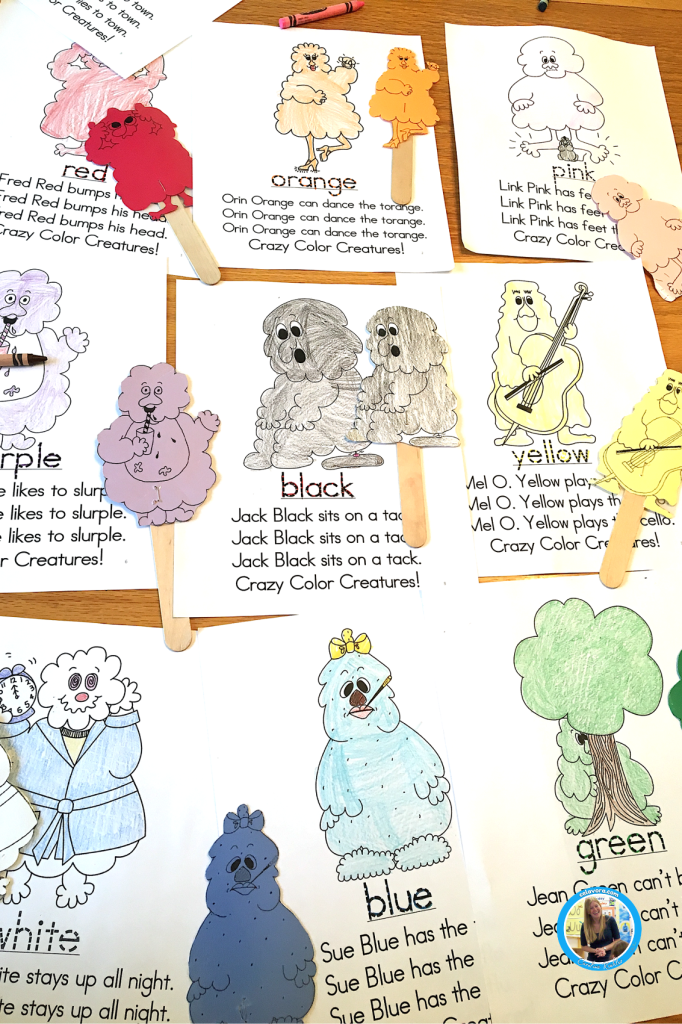
Differential instruction is a teaching method that involves singing, dancing, and movement to engage students on multiple levels.
It’s a great way to recognize and support the diverse forms of intelligence among students.
By offering alternative modes of assessment, such as written, oral, demonstrative, and project-based evaluations, students are able to showcase their learning in a way that suits their individual learning styles.
This leads to increased engagement, curiosity, and academic achievement. Plus, students get to go at their own pace, which can really boost their comprehension and learning outcomes.
Overall, differential instruction is a fun and effective way to help students grow and learn in their own unique way.
Inclusive Classroom Accommodations and Modifications
As educators, we have a big responsibility to make sure every student in our inclusive classroom gets the support they need.
That’s why we need to use a variety of strategies that fit each student’s unique needs.
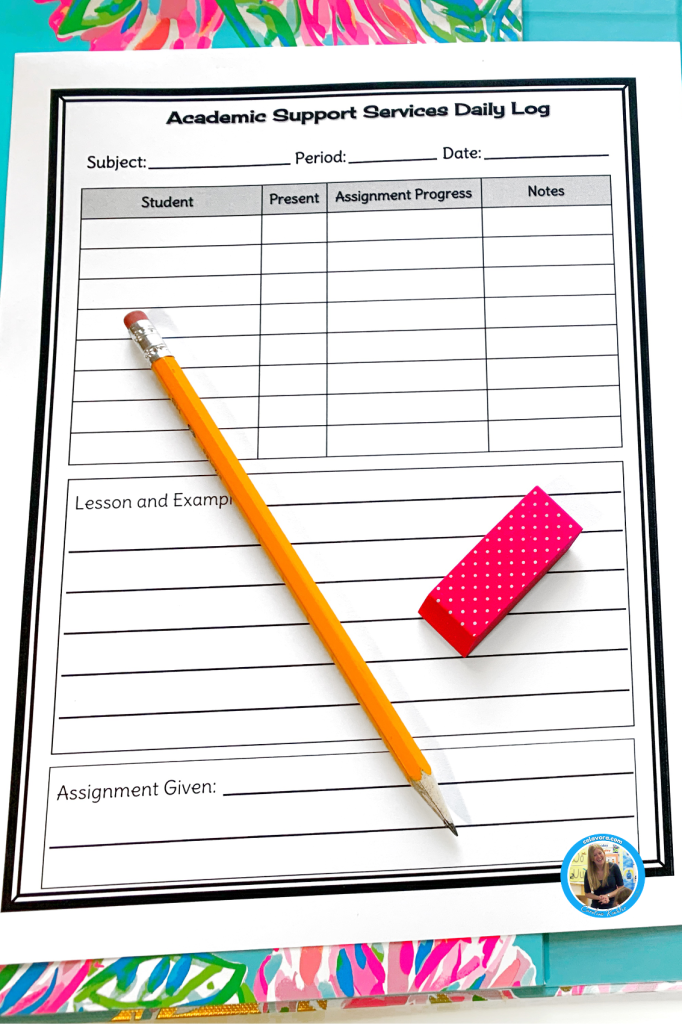
Word banks and breaking down assignments with highlighters or construction paper windows can be super helpful for comprehension.
And we should always check a student’s IEP to see if they need read aloud or talk to text accommodations.
This way, everyone can fully participate and get the most out of class.
I keep a spreadsheet of all the accommodations for each of my students.
This lets me check quickly who gets what accommodations and provide the students with the correct services.
By being proactive, we can make sure every student has an equal shot at learning and participating in class.
And by creating an inclusive environment, we can all learn and grow together!
An Inclusive Classroom Motivates Students
As a teacher, I’ve found that promoting student engagement and motivation is key to creating a successful classroom environment.
That’s why I’ve implemented some super effective behavior management strategies that I think you might find helpful!
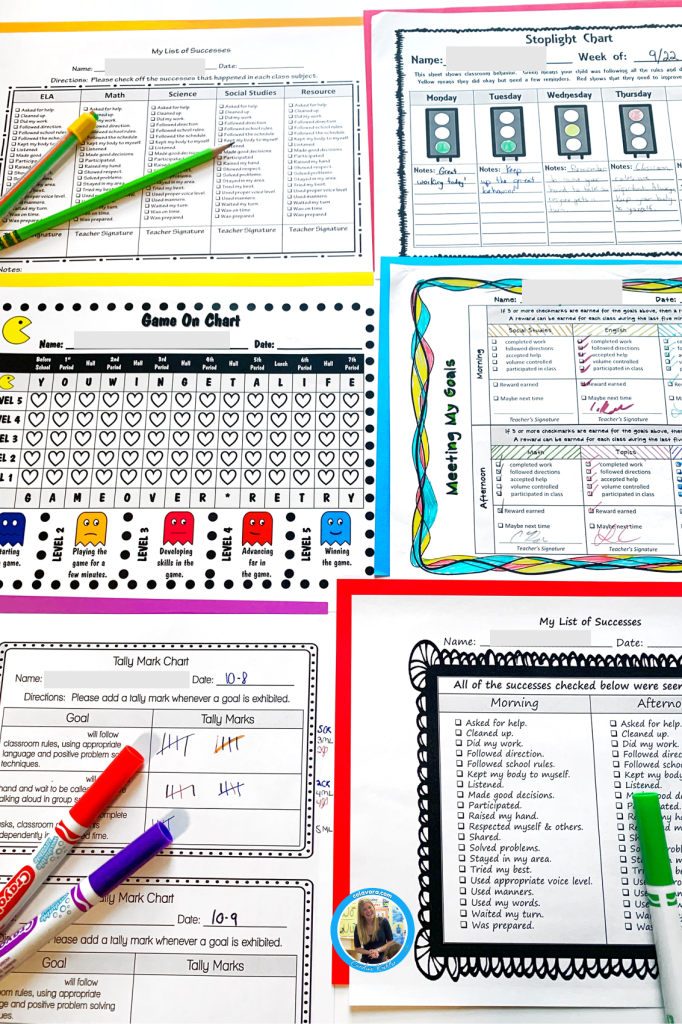
For example, I use seating charts to keep an eye on participation and make sure students are in the best possible spot for learning.
And let me tell you, behavior charts and daily reports home have really helped me increase accountability and keep parents informed about their child’s progress.
Also, I love using student interest surveys to really tap into what makes them tick.
Conducting interest surveys can give teachers helpful insights into different learning styles.
Setting clear goals for students and offering rewards can motivate them to make good choices.
How cool is that? Let’s work together to create a positive and engaging learning environment!
Give Your Students Feedback
If we want to make sure our inclusion classroom runs smoothly, it’s super important to have a way of giving students and families helpful feedback.
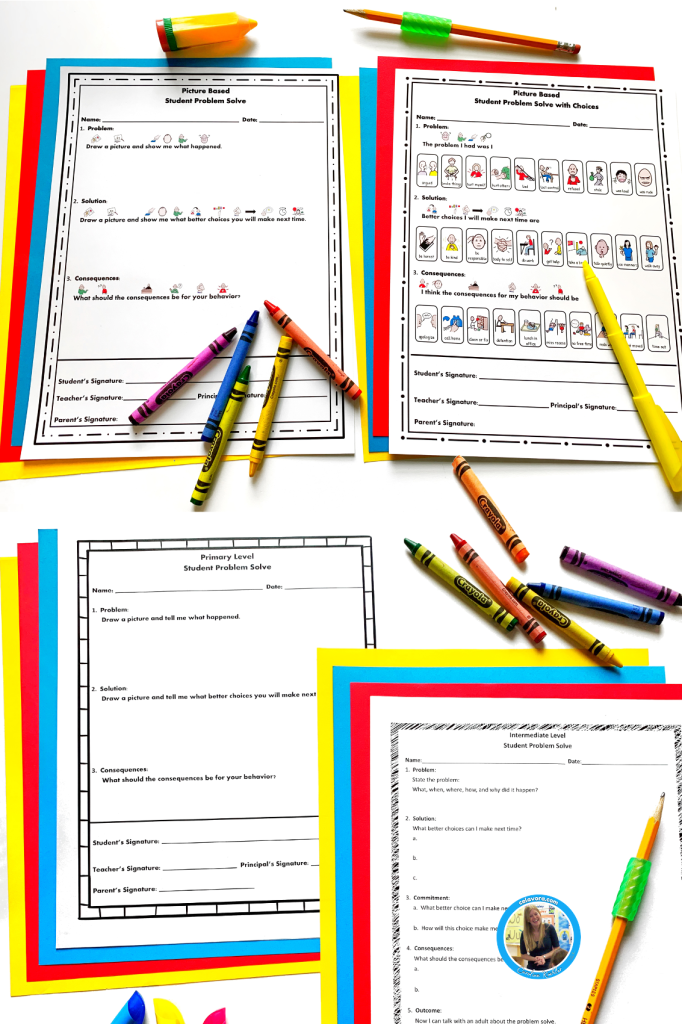
Think sheets and daily reports are amazing tools for this!
Think sheets are a great way of getting students to think about their behavior and come up with ways to improve in the future.
Daily reports are a really handy way for teachers and families to stay in touch about how a student is doing.
By working together, we can tackle any challenges that come up.
Making copies of think sheets and daily reports can be super helpful in keeping track of a student’s progress.
By doing this, teachers have access to valuable information that can show how a student is developing over time.
Plus, it can also help teachers figure out if there are any areas where a student may need extra help.
So, let’s keep those copies coming and keep on supporting our students!

An Inclusive Classroom for All
Teachers, we have a jumbo sized job.
We’ve got to make sure we’re creating a classroom environment where every student feels included and valued.
The seven great tools outlined above can be used to help foster a sense of community and belonging.
By doing this, we can help each student reach their full potential and showcase their unique talents and strengths.
It’s all about making the classroom a place where everyone feels celebrated and appreciated.
Now that you have the tools to answer, “What is an inclusive classroom?” start implementing these ideas today!