Hygiene and Good Health for Kids

Hygiene and good health go hand-in-hand. Both topics are at the front of most people’s mind as the world deals with the coronavirus pandemic. As an early childhood and special education teacher, I’m a really good hand washer. I learned how to wash my hands “the right way” when I was in college. I had started working with children in a nationally accredited early childhood facility, and they trained me well. Wash between all fingers with soap? Check. Soap up the backsides of my hands? Check. Wash up to my wrists? Check. Use hot water and sing Happy Birthday to myself? Double check. I also know that I need to take a paper towel to turn off the water faucet’s handle. Then I use the same procedure to open the door leading out of the restroom after washing my hands. Shouldn’t I have been taught good hand washing and hygiene early on before my college years? Yeah, probably. So this is all great for me, but what about the kids at school who freely share their germs every day?

Arming Children with the Tools for Good Hygiene
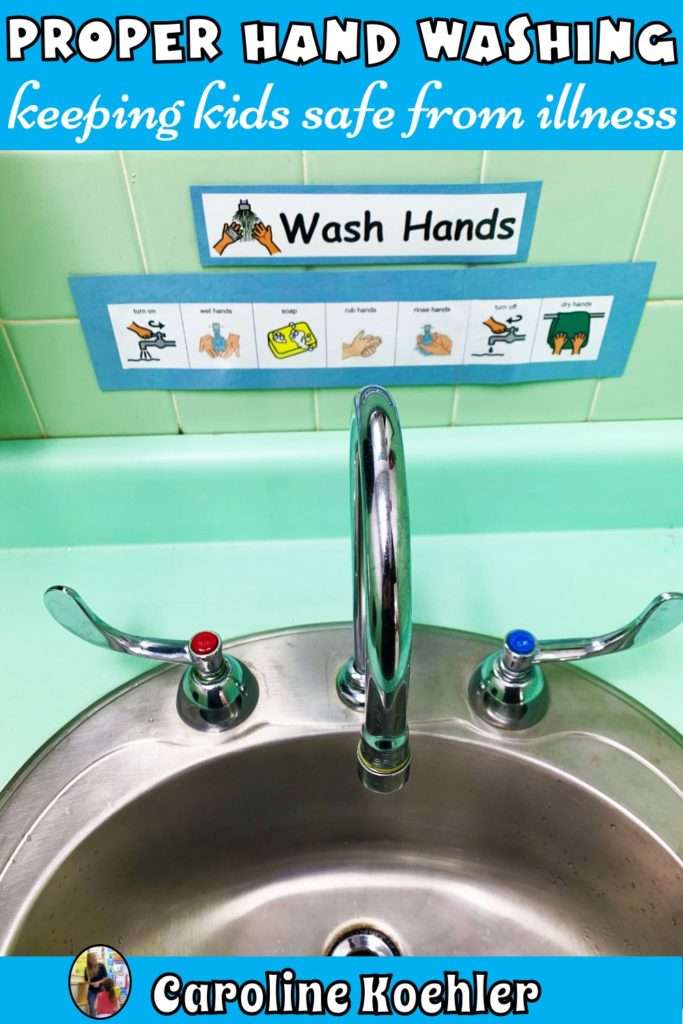
Children need direct instruction and visuals on how to have and maintain proper hygiene. The easiest place to start is hand washing. I post the visuals below at the students’ eye level, but I also go over the steps with them. Visuals are great tools that can turn into exceptional reminders when they have been taught first. I use small group time to show the students how to use the visuals to wash their hands as I walk through each step. Then, I give each student the chance to show me that they understand what I just taught.
Reteach When You Need To
The hand washing signs might need to be retaught. Around and during times of flu, head colds, and other sicknesses, I stop and use my hand washing lesson as a refresher during small group time.
Save the Planet
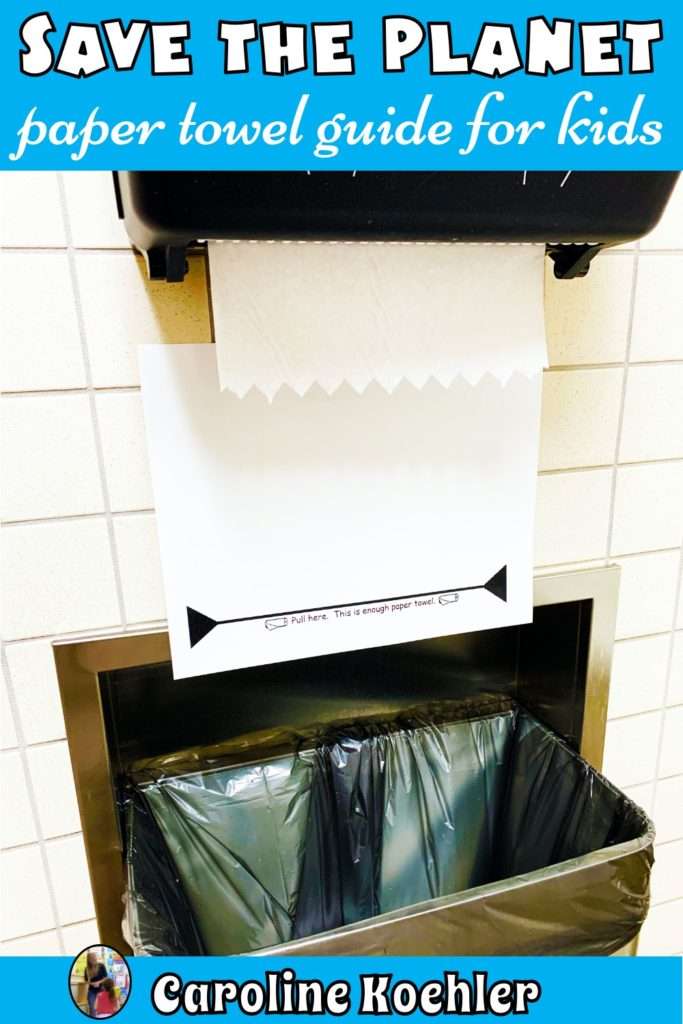
I also discovered that many of my students didn’t understand how much paper towel they should be using after they wash their hands. Many public restrooms are moving towards hand dryers, but there are still numerous places where kids need a guide. I created a simple page to go below the paper towel holder. See the picture above. It shows kids how far to pull down the paper towel to know that they have enough but not too much. After I hung these up in the restroom in the primary end of the school building, my janitors came up to me and asked if I could make more so that we could put them throughout the building. They were seeing a much cleaner bathroom on our end of the building. Overall the students responded quickly with very little training. The school saved money, and we reduced the amount of trash we were sending to the landfill.

Success in Potty Training
When kids are potty training, there are a lot of steps to remember. Visuals help for this issue too. I love using a step-by-step strip like the one in the picture above for little ones and kids with special needs like autism. Just like hand washing, I teach this visual before expecting the students to understand and use it. If you are a parent at home, you can literally have your child watch you use the restroom step-by-step, and then sit them on the toilet to do the same. If you are a teacher at school, this is a little bit harder. I recommend using dolls and visuals for the teaching part and then assisting your student in the restroom to carry out the steps. In school, I also will put activities for toileting in the students’ independent work stations as a reminder and check in that they know, understand, and can remember the order the steps go in.
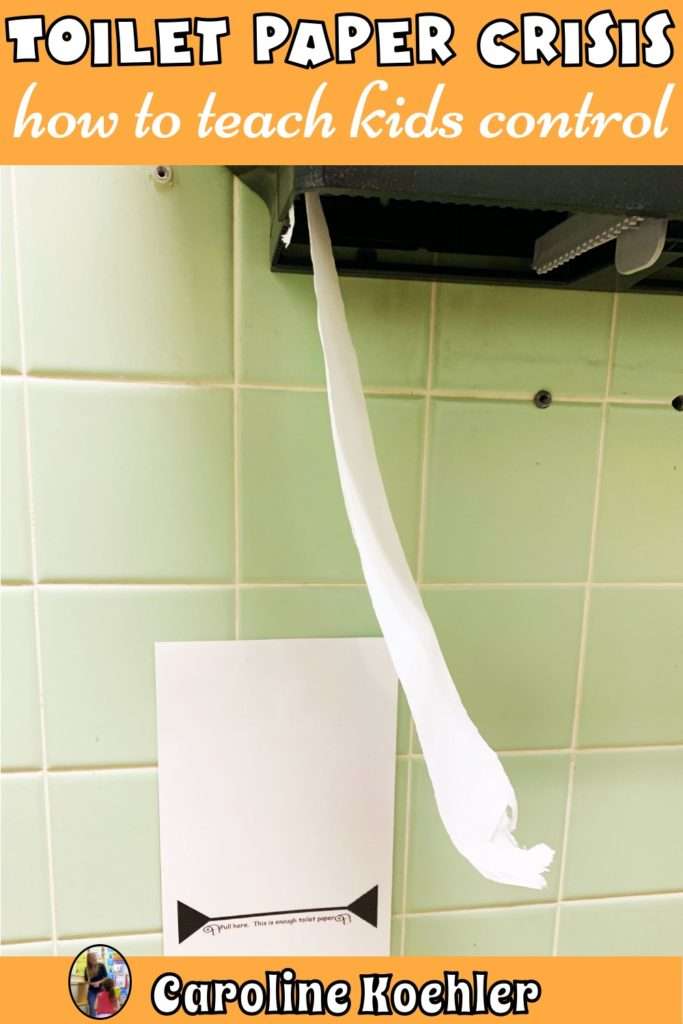
You Really Don’t Need 10 Feet of Toilet Paper to Wipe
Just like the paper towel guide I use for hand drying, I created a guide for toilet paper. Again my janitors were pretty excited to see this. If you’ve ever had to help children or those with special needs in the restroom, you might be amazed to see how much toilet paper they try to use. When I provide a visual guide taped to the wall or the stall, they are more likely to use a acceptable amount of toilet paper. I think this is a great way to teach our kids to be conservative of their resources and be part of the solution instead of part of the problem.
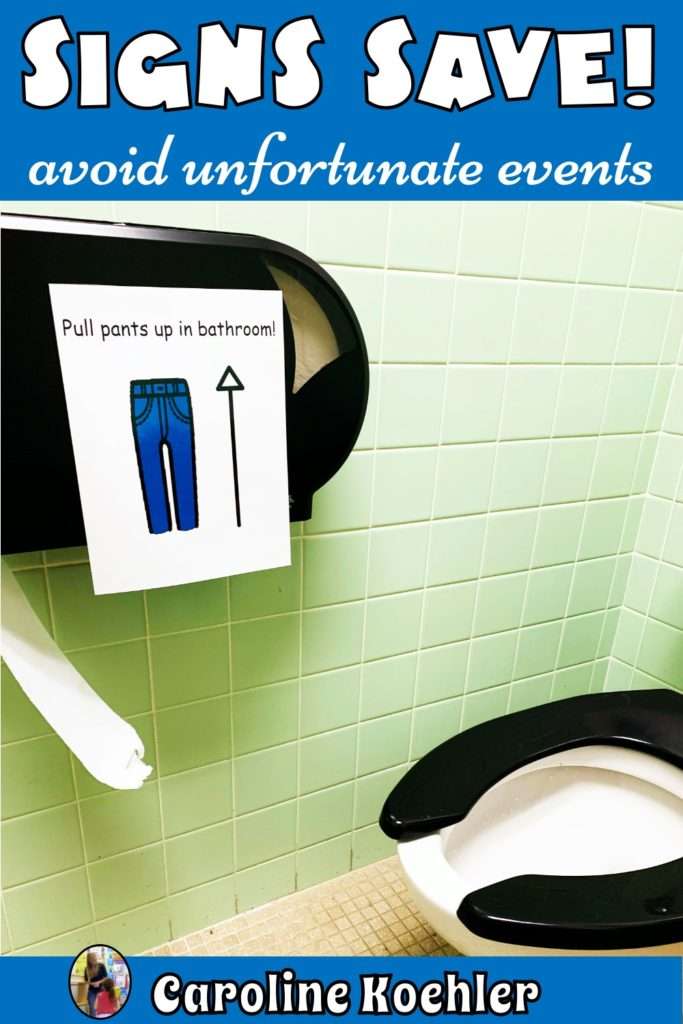
Signs Save!
In one classroom that I’ve had, I was lucky enough to have a student restroom directly within it. Unluckily though, I had one student who could never remember to pull his pants up as he was leaving the bathroom. This just wasn’t important to him; there were SO many exciting things in the classroom going on that he needed to get back to! A quick sign shown above saved him years of embarrassment from reminiscing peers while saving me time answering emails and calls from other concerned parents about nudism in the classroom.
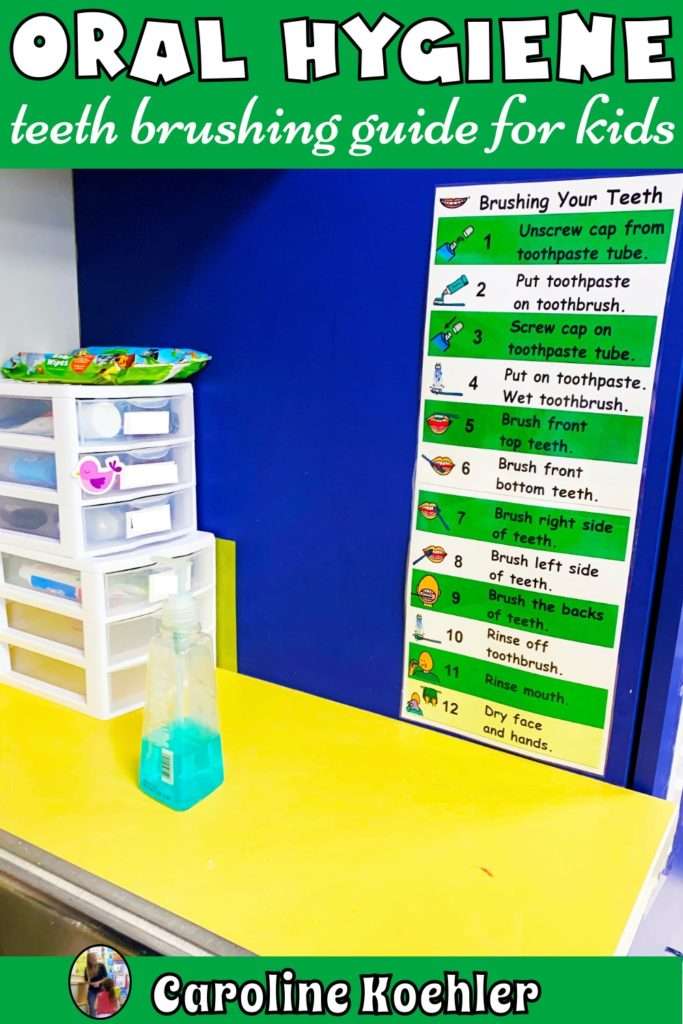
A Healthy Mouth Leads to a Healthy Kid
Some kids love brushing their teeth. Others hate it. In my self-contained class for kids with autism, everyone brushed their teeth. We ate breakfast together and then rotated through toileting, hand washing, and teeth brushing. All of these activities were on everyone’s daily schedule, no exceptions. A few of my students only brushed their teeth at school due to their hatred of the task, so this was a really important time. I made sure to teach teeth brushing and posted another great reminder for the students to use. No more sucking the water out of the bristles and pretending to be done! This is easy to act out with the kids by demonstrating and then having them practice afterwards. When first teaching this skill, I often had to use a hand-over-hand method to make sure real brushing was occurring. I highly recommend you add this to your special education classroom’s daily schedule as an extra way to keep kids healthy and safe.

Use Stories and Posters
For the little ones and those with special needs, they need more than just my words. Pictures and stories make this process easy to understand and gives everyone a faster route to success. My favorite stories and posters are straight to the point and simple.