


Behavior Contracts: Mastering Discipline and Accountability

Staying disciplined and accountable may require the extra support of behavior contracts for some students.
For those who they struggle to stay on track with their goals and responsibilities, the status quo isn’t enough.
This is where behavior contracts come in.
A behavior contract is a written agreement between two parties that outlines specific expectations and consequences for certain behaviors.
It is a powerful tool that can help students develop self-discipline, improve their decision-making, and ultimately achieve their desired outcomes.
As an educator my goal is always to help students become productive members of society.
Let’s explore how using behavior contracts helps students master discipline and accountability in various school categories.
From understanding the basics of behavior contracts to implementing them successfully, this article will provide valuable insights and strategies for individuals looking to take control of their actions and achieve their goals.
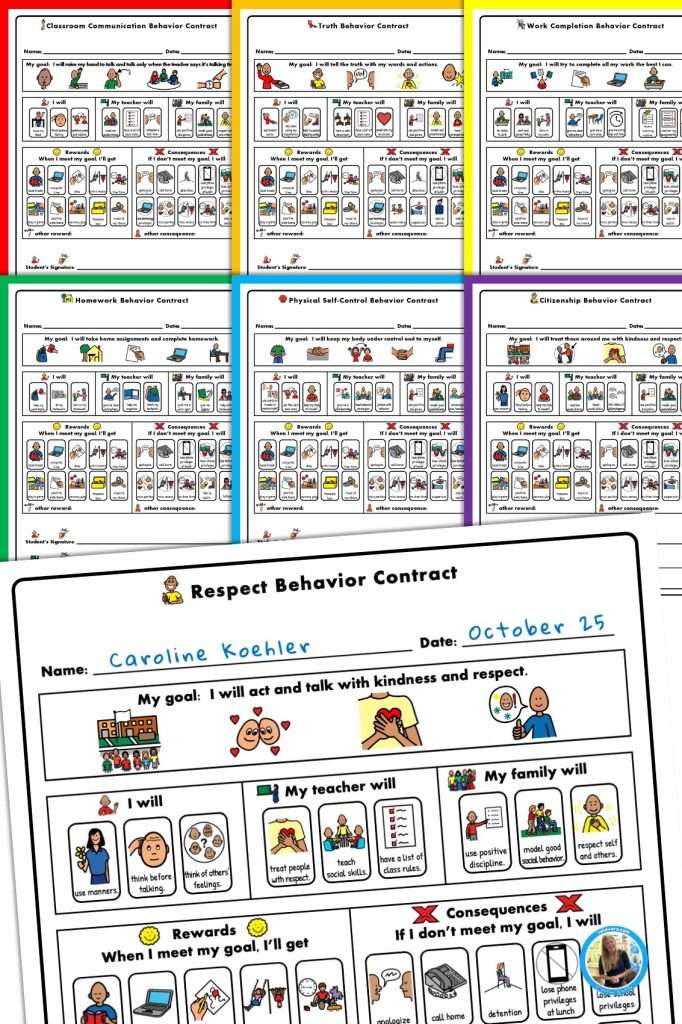
Behavior Contracts Categories
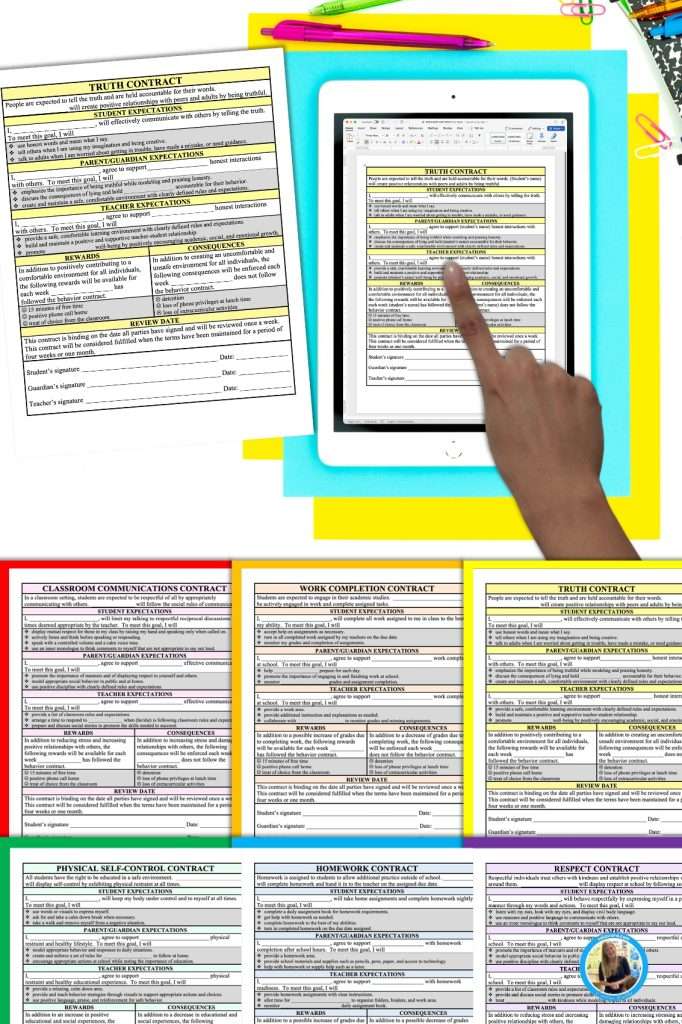
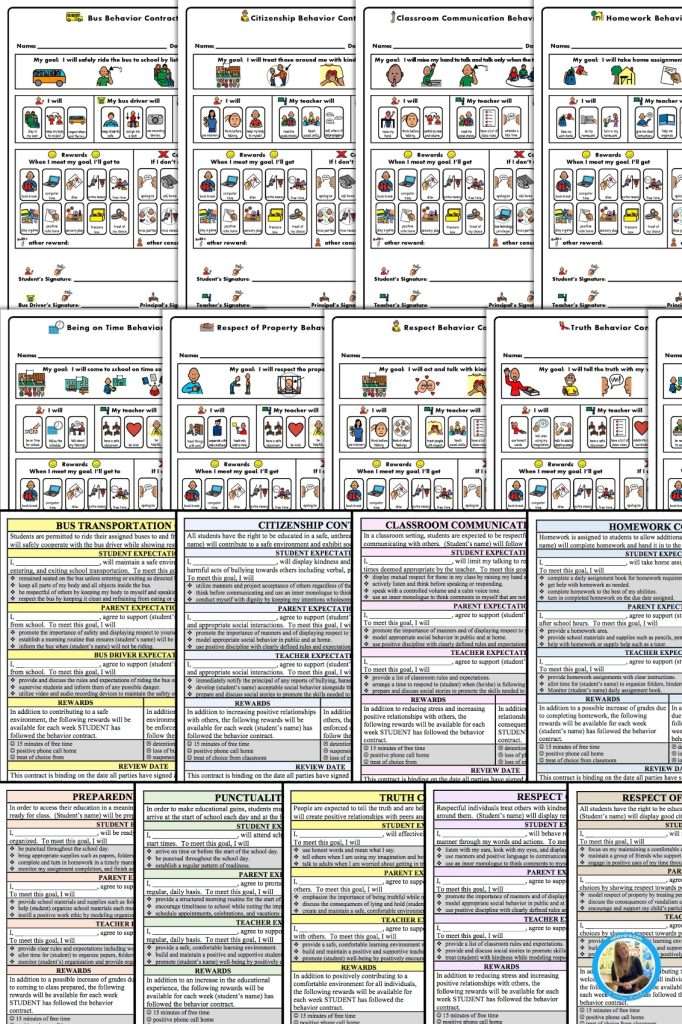
When first creating a behavior contract, it’s important to establish the category that will benefit the student.
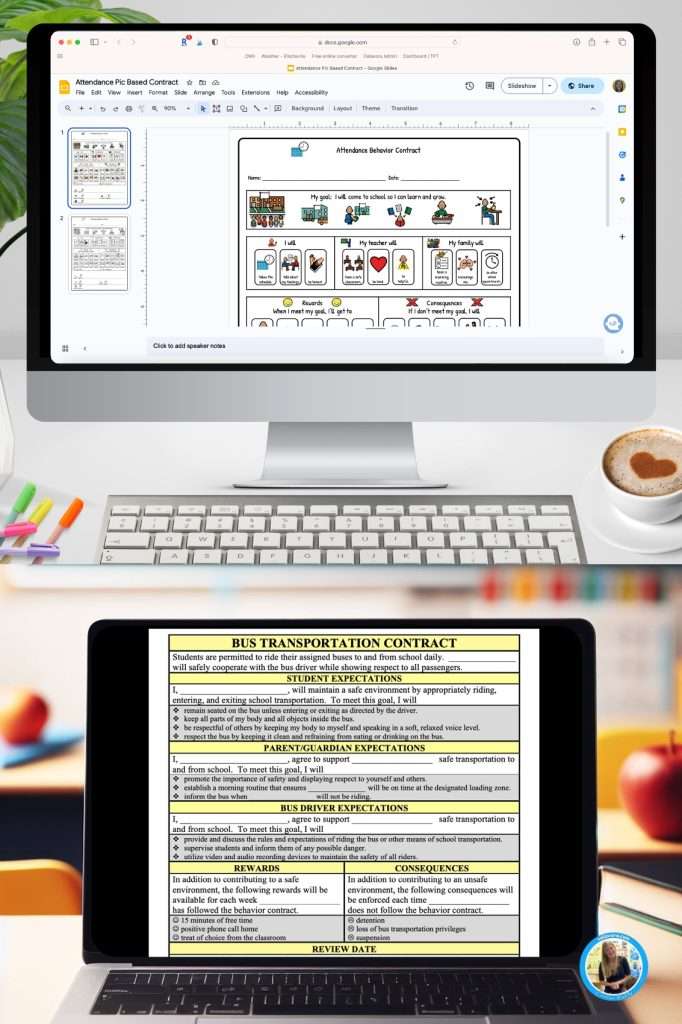
Attendance:
This chart is useful for students who are truant. I often use this before a student is report to the truancy officer or when grades are being effected by school absences.
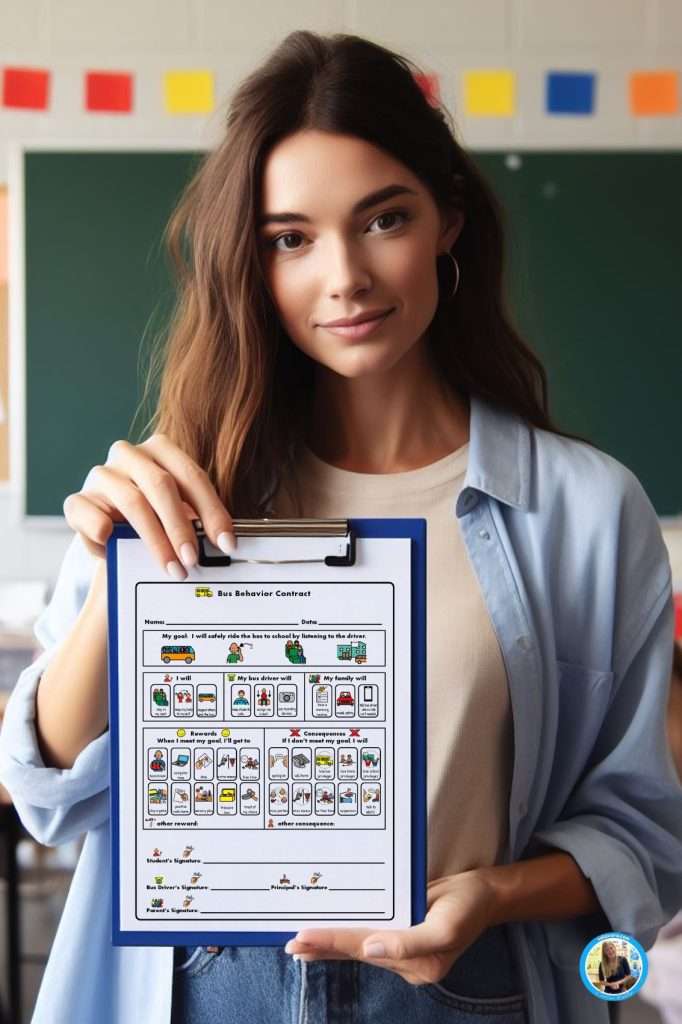
Bus:
Use this chart for students who have had a bus offense or have had a history of problems while riding school transportation.
Citizenship:
This should be utilized for students who bully and have repeated offenses of inappropriate communication or social interaction with others.
Class Communications:
This chart is useful for students who talk out of turn during class and verbally disrupt instruction.
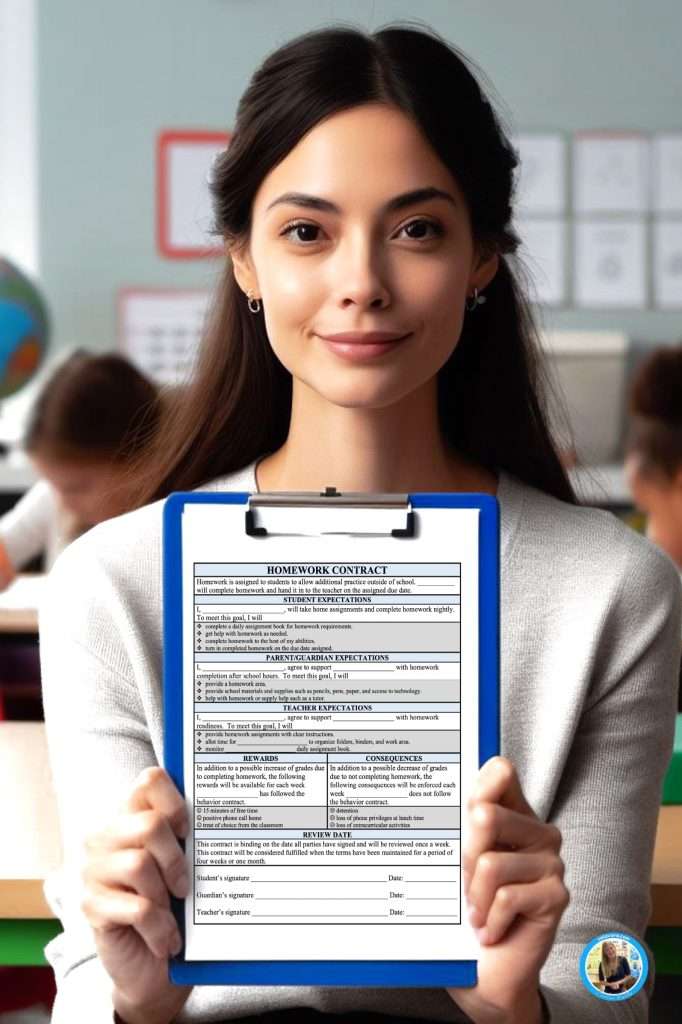
Homework:
Use this chart to establish guidelines for students who either don’t turn in assignments or have 5 or more missing homework assignments.
Honesty:
useful for students who steal. Can also be used for those who steal and lie but for lying only use the Truth Contract.
Physical Self-Control:
This is my go to contract for useful for students who are physically aggressive towards peers or adults. I find this contract very important in a behavior plan so the parent understands that no level of physical aggression is acceptable and that they are well informed on the consequences.
Preparedness:
This contract is useful for the students who come to class with no supplies and are always asking for a pencil or a piece of paper.
Punctuality:
This contract is similar to the Attendance Contract but is more useful for students who are often tardy before the start of class periods.
Respect:
Use this contract for students who are disrespectful to adults.
Respect of Property:
This contract is useful for students who vandalize.
Truth:
Useful for students who chronically lie and have social, academic or criminal problems due to lying. Can be used in conjunction with the Honesty Contract if lying and stealing are a combination concern.
Work Completion:
This is helpful for students who don’t complete work even when given time in class to finish.
Write all contracts with positive language to tell the involved individuals what to do, not what not to do.
Instead of a contract being labeled Vandalism, the corresponding contract is titled Respect of Property.
When we empower ourselves and others through accountability, we create a supportive and encouraging environment where everyone can succeed.
Clear expectations for better behavior
Setting clear expectations for behavior is essential for fostering a positive and respectful environment.
When individuals know what is expected of them, it becomes easier for them to align their actions accordingly.
Clear expectations provide a framework for behavior, ensuring that everyone knows what is acceptable and what is not.
Behavior contracts require a group of components to be successful.
They act as a guide, promoting consistency and reducing misunderstandings.
By clearly communicating expectations, we can create a space where individuals feel empowered to make positive choices and contribute to a harmonious and productive environment.
Expectations for Behavior Contracts
- Specific goals and consequences clearly outlined
- Consistent rules for all parties involved
- Clear communication and understanding of expectations
- Regular check-ins and progress evaluations
- Rewards and incentives that motivate
- Consequences tailored to individual needs and behaviors
- A review date
Also, important is that the behavior contracts outlines expectations for all parties involved – the student, the teacher, and the parent.
This is an important part of the behavior contracts buy in.
Students who need additional support need to see that they aren’t the only one being asked to do something.
They want to see others working to help them as well.

Win-win agreements for all
When it comes to fostering healthy and productive relationships, win-win agreements for all are the key.
These agreements are based on the principle that all parties involved should benefit and feel satisfied with the outcome.
Examples of Win-win Agreements
- provide a safe, comfortable learning environment (teacher expectation)
- conduct myself with dignity by keeping my intentions wholesome and my body to myself (student expectation)
- use positive discipline with clearly defined rules and expectations (parent expectation)
Instead of focusing on one person’s needs or desires, win-win agreements consider the needs and perspectives of everyone involved.
This approach encourages collaboration, empathy, and understanding, creating a foundation for mutual respect and cooperation.
By actively seeking win-win agreements, we can cultivate an environment where everyone’s voices are heard, conflicts are resolved amicably, and relationships flourish.
So, let’s embrace the power of win-win agreements and work towards building stronger, more fulfilling connections in our personal and professional lives.
Building trust with mutual contracts
Creating trust in any relationship is crucial for its success, and one effective way to build that trust is through the use of mutual contracts.
These contracts serve as a written agreement that outlines the expectations, responsibilities, and commitments of all parties involved.
By clearly defining the terms and conditions, mutual contracts provide a sense of security and accountability, ensuring that everyone understands their role and the consequences of their actions.
This transparency fosters trust as it shows a commitment to open communication and mutual understanding.
With mutual contracts in place, individuals can feel confident that their needs and interests are being valued and protected, strengthening the foundation of trust in the relationship.
To foster trust, promote accountability, and cultivate stronger bonds, the adults must follow the behavior contracts.
This means rewarding the positives and following through with consequences.

Creating positive habits together
When it comes to creating positive habits, reinforcing them with incentives makes all the difference. This is where adult support comes in big time.
The teacher, guardians, and, sometimes, administration provide each other support, motivation, and accountability the student needs to stay on track.
Having someone by your side makes the journey more enjoyable and rewarding.
Set the incentives and rewards goals at the start of the behavior contracts but make sure to revisit this area as needed.
My Go To List of Rewards and Incentives
- 15 minutes of free time
- book break
- computer time
- draw
- drink of choice from the vending machine
- eat lunch with your favorite teacher
- free time in the gym
- homework pass
- listen to music
- play a game
- play with a class pet
- positive note home
- positive phone call home
- puzzle
- read a magazine
- snack or candy
- relax
- treat of choice from the classroom
By reinforcing the established goal with desirable incentives, positive habits grow.
Not only that but students strengthen not only their own commitment, but begin creating a support system that encourages growth and success.
So, find a like-minded friend or colleague, and embark on the journey of creating positive habits together.
Open communication, effective consequences
In any relationship or environment, open communication and effective consequences play a crucial role in maintaining discipline and accountability.
When individuals feel comfortable expressing their thoughts, concerns, and ideas without fear of judgment or retribution, it fosters an atmosphere of trust and understanding.
This enables conflicts to be resolved more efficiently and prevents the build-up of resentment or misunderstandings.
My Go To List of Consequences
- after school detention
- arrest
- escort during passing periods
- loss of extracurricular activities
- loss of phone privileges at lunch time
- loss of technology/computer privileges
- loss of transportation privileges
- lunch detention
- modified day and schedule
- repair or clean damaged/vandalized area
- required tutoring
- return item or pay for the cost of a replacement
- schedule change
- sessions with school counselor or social worker
Additionally, implementing effective consequences for actions or behaviors that are not aligned with established expectations reinforces the importance of accountability.
It serves as a learning opportunity for individuals to understand the impact of their choices and encourages them to make better decisions in the future.
By promoting open communication and implementing effective consequences, we create an environment that values growth, collaboration, and personal development.
This leads back to the goal of helping each student become a productive member of society.

Discipline with understanding and empathy
In order to create an effective framework for discipline and accountability, it is essential to approach it with understanding and empathy.
Discipline should not be about punishment or coercion, but rather about guiding individuals towards growth and development.
By understanding the underlying motives and emotions behind certain behaviors, we can address them in a compassionate and supportive manner.
Instead of focusing solely on the consequences of actions, we should strive to understand the root causes and provide the necessary tools and resources to address them.
This approach not only helps individuals learn from their mistakes, but also fosters a sense of trust and connection, leading to more sustainable changes in behavior.
By combining discipline with understanding and empathy, we can create an environment where personal growth and accountability go hand in hand, ultimately leading to long-term success.
A roadmap to success together
When it comes to mastering discipline and accountability, it’s important to remember that we are all in this journey together.
Rather than viewing it as a solitary endeavor, let’s embrace the idea of collaboration and support.
By creating a roadmap of behavior contracts to achieve success together, we can leverage each student’s strengths to overcome challenges and achieve goals.
This positive, collaborative approach creates a sense of camaraderie and shared responsibility.
Together, students, teachers, and caregivers navigate the twists and turns of personal growth.
This includes recognizing and celebrating victories and offering a helping hand during setbacks.
Use behavior contracts as a tool to support and encourage students every step of the way.
Keeping it simple
I’m a self-proclaimed lover and creator of templates to streamline my work.
Because of this, I use the premade behavior to edit the template to match the target behavior of each student.
I use to use a PowerPoint editable template for this but have moved on to an even faster way to create behavior contracts.
SPED Up Paperwork is an automated form creation tool for teachers.
Behavior contracts is one of 6 time saving categories that are useful for behavior management.
Click here to check out how easy it is to create behavior contracts using this membership.
Also, stop the guesswork.
To determine rewards, always ask the student what he would like to work for or earn.
Do the same with consequences.
The behavior contracts are best initially presented in a team meeting with all individuals who will be signing the contract present.
Discuss the behavior contract with all parties and explain how he can receives rewards or consequences.
All rewards and consequences are your discretion and can be made as a team decision.
Provide an example of a pretend week or incident to show how the contract will work if the situation is negative and if the situation is positive.

Review and edit as needed
When it comes to achieving mastery in discipline and accountability with behavior contracts, it’s important to remember that the journey is not always a linear one.
As you navigate through the process, it’s crucial to review and edit your contracts as needed.
This allows you to adapt and refine your strategies, ensuring they align with your goals and unique circumstances.
By regularly assessing and modifying student behavior contracts, you can optimize their effectiveness and create a personalized approach that works best for you.
Remember, flexibility and open-mindedness are key when helping students master discipline, accountability, and personal growth.
Behavior contracts are a powerful and effective tool for mastering discipline and accountability.
By setting clear expectations and consequences, students take ownership of their actions and work towards positive behavior changes.
Remember to approach behavior contracts with a positive and friendly attitude, as they are meant to support growth and development.
With patience and consistency, behavior contracts can help create a more harmonious and productive environment for all involved.
Give them a try and see the positive impact behavior contracts create.


