Guide for Teaching Special Education – Comprehensive Tips, Strategies, and Tools
Teaching special education can be a challenging and many sped teachers turn toward a guide for teaching.
Whether you are new to teaching or a veteran educator, it is important to have a solid understanding of the best practices. 🌟
Useful strategies and tools that can help you build a successful and inclusive learning environment are oh so important.
This comprehensive guide for teaching will help you develop your skills and tools as a special education teacher.
I’ll show you all the essential topics that will help you become a more confident and effective educator.
Also, you’ll see the 🧰 tools that I absolutely have to have to teach special ed.
Whether you are working in inclusion, resource, or a self-contained classroom setting, this guide for teaching will support you!

Use a help guide for teaching
If you’re a special education teacher, you know how much paperwork is involved in your job.
Between IEPs, progress reports, and behavior plans, it can feel overwhelming at times. 🤯
That’s why one of the best tips we have for you is to use help guides for your professional paperwork.
There are a plethora of resources available online that can help guide you through the process and make it a little easier.
Look for sample documents, templates, and step-by-step instructions that can help you save time and stay organized.
Don’t be afraid to ask your colleagues or school administrators for guidance as well. 🙋♀️
Save copies of old IEPs (with the names black out, of course).
Remember, you don’t have to do it all alone!
Have an IEP goal bank
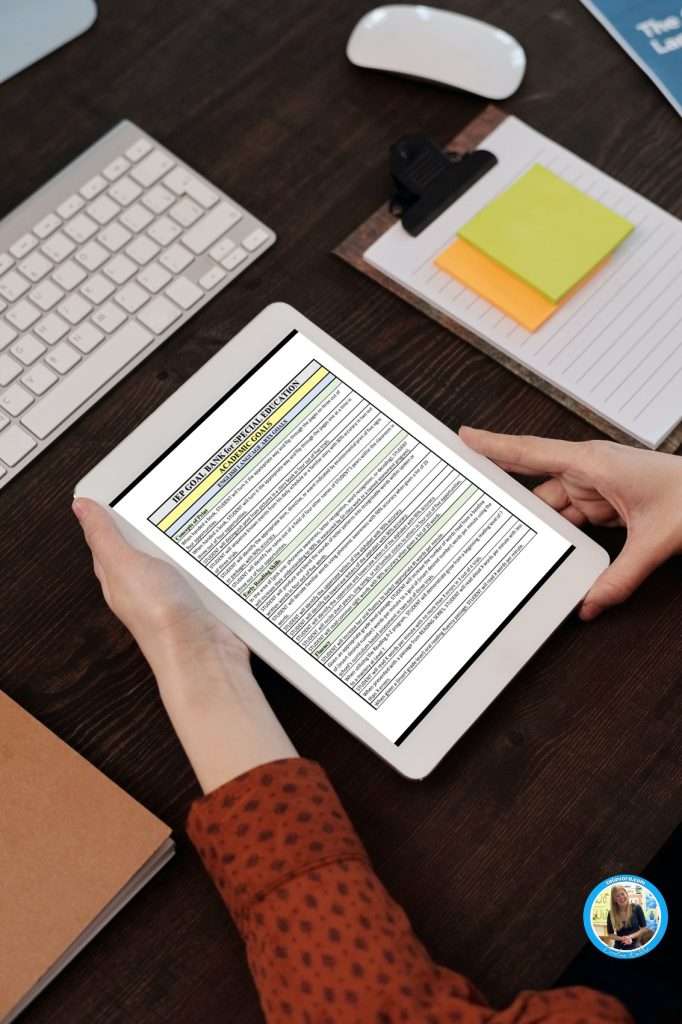
Having an Individualized Education Program (IEP) goal bank can be a valuable tool for special education teachers.
An IEP goal bank is a collection of pre-written goals and objectives that can be customized to meet the specific needs of each student. 📝
It can save time and make the goal-setting process more efficient.
By having a goal bank, teachers can easily access goals that have been proven to be effective for students with similar needs.
This can help ensure that goals are aligned with state standards and provide a clear roadmap for student progress.
Additionally, an IEP goal bank can be a collaborative tool, allowing teachers to share successful goals with each other and build a community of support.
Overall, having an IEP goal bank can be a useful resource for special education teachers looking to provide high-quality, individualized instruction to their students.

Copy and paste guide for teaching templates
Creating copy and paste templates for all of your reports can be a game-changer for special education teachers. 🧑💻
Not only does it save you time, but it also ensures consistency across all of your reports.
By creating templates for things like progress reports, IEPs, and behavior plans, you can easily fill in the necessary information and customize it for each student.
This means you won’t have to start from scratch every time you need to write a report, which can be a daunting task, especially when you have multiple reports to write.
Plus, having a standardized format for all of your reports can make it easier for other educators and parents to understand the information you are presenting.
So go ahead and create those templates – you’ll be glad you did!

Monitor and track your goals with easy analysis charts
One of the most effective ways to help your students with special needs achieve their goals is to monitor and track their progress regularly.
With the help of easy analysis charts, you can form a clear picture of their progress and identify areas that need improvement. ✅
These charts can help you keep track of multiple goals for each student, making it easier for you to stay organized and efficient.
You can use various tools and software to create these charts, and most of them are user-friendly and easy to navigate.
By using these charts, you can easily identify patterns and trends in your students’ performance, and adjust your teaching strategies accordingly. 📊
Remember, monitoring and tracking your students’ progress is key to achieving their goals and ensuring their success.
Have a collection of visual support tools
When it comes to teaching special education, visual support tools can be a game changer. 🎯
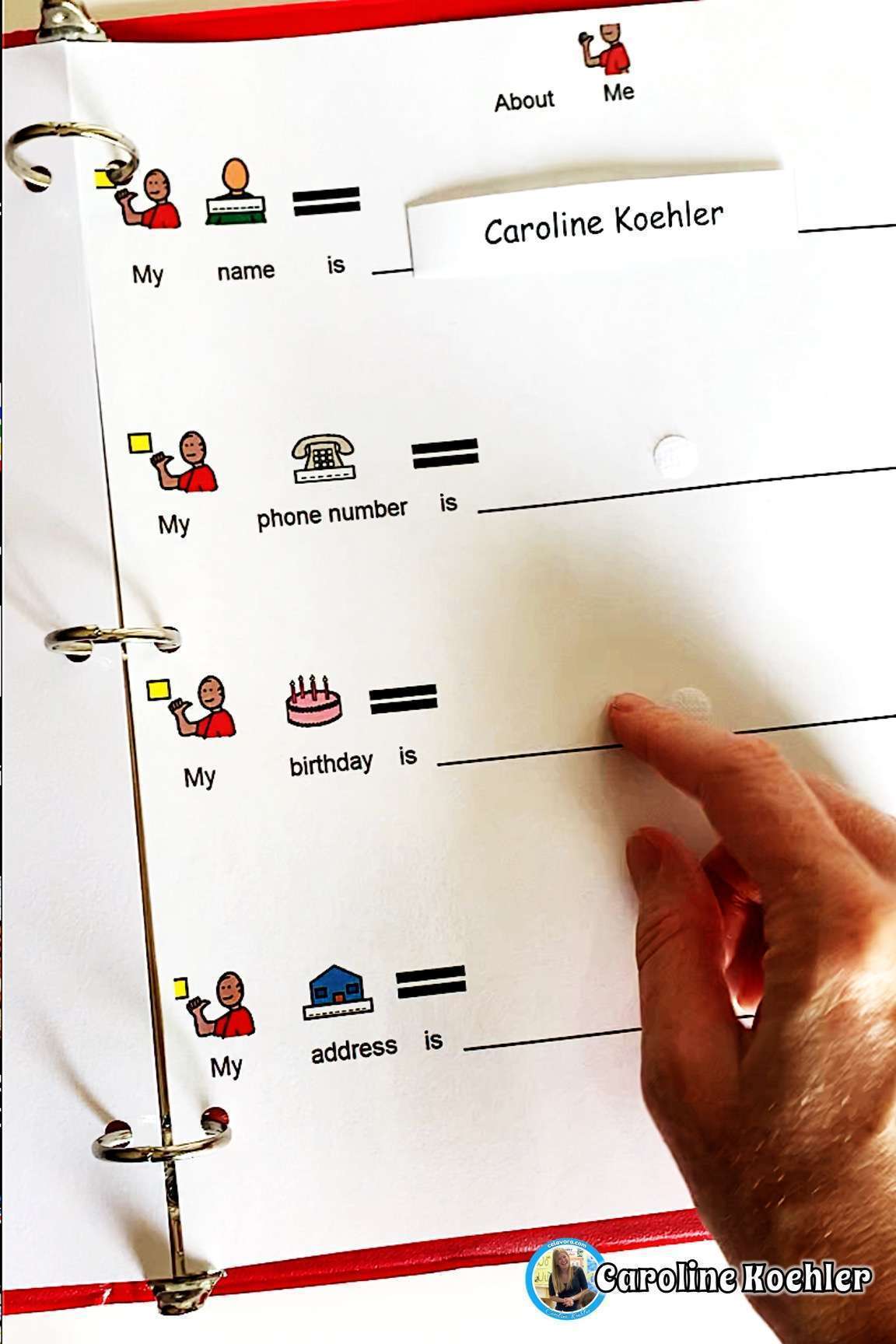
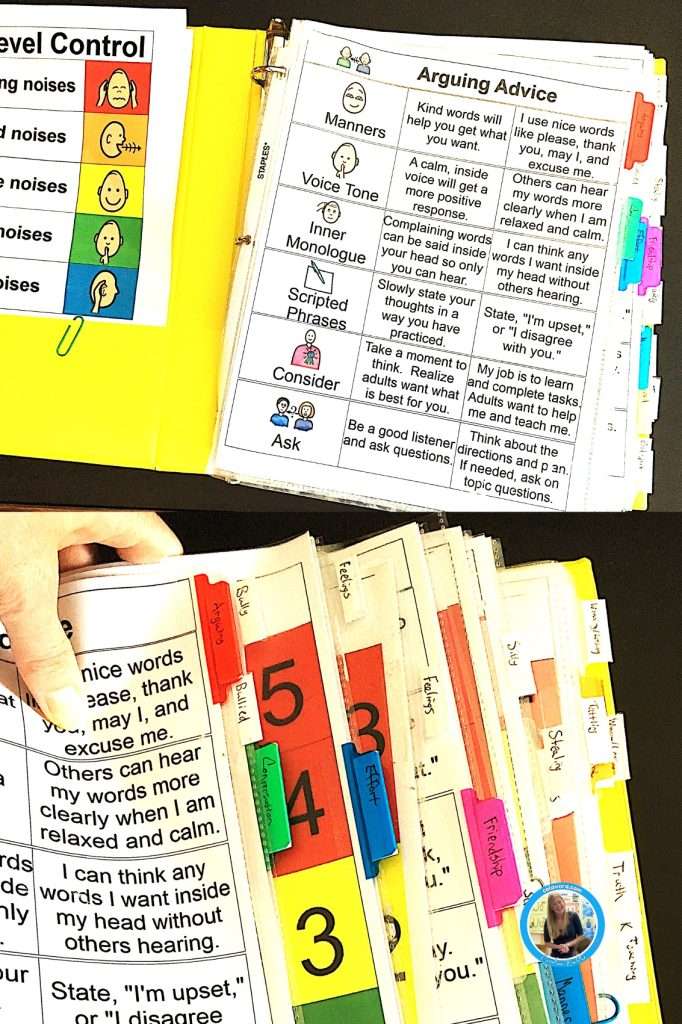
Having a collection of visual aids such as charts, social stories, and pictures can make a lesson more engaging and accessible for students with learning disabilities.
These tools can help students better understand concepts, sequence information, and organize their thoughts.
Plus, they can be used across various subject areas and grade levels.
As a special education teacher, it’s important to have a variety of visual support tools on hand to meet the diverse learning needs of your students.
Consider creating a resource library of materials that can be easily accessed and used to enhance your lessons. 📚
I keep my visuals in an alphabetize filing cabinet.
Also, I have all of my monitoring controls alphabetically organized in a binder.
Pictures for visual schedules are placed in baseball trading pages that are also inside a binder.
No matter what visuals you use, make sure you have a way to organize them that works for you.
If you can’t quickly find a behavior management support tool, it might not do your students any good.
Even if it would have been perfect, it’s useless if you can’t put your fingers on it. 👈
By incorporating visual support tools into your teaching, you can create a more inclusive and effective learning environment for all of your students.
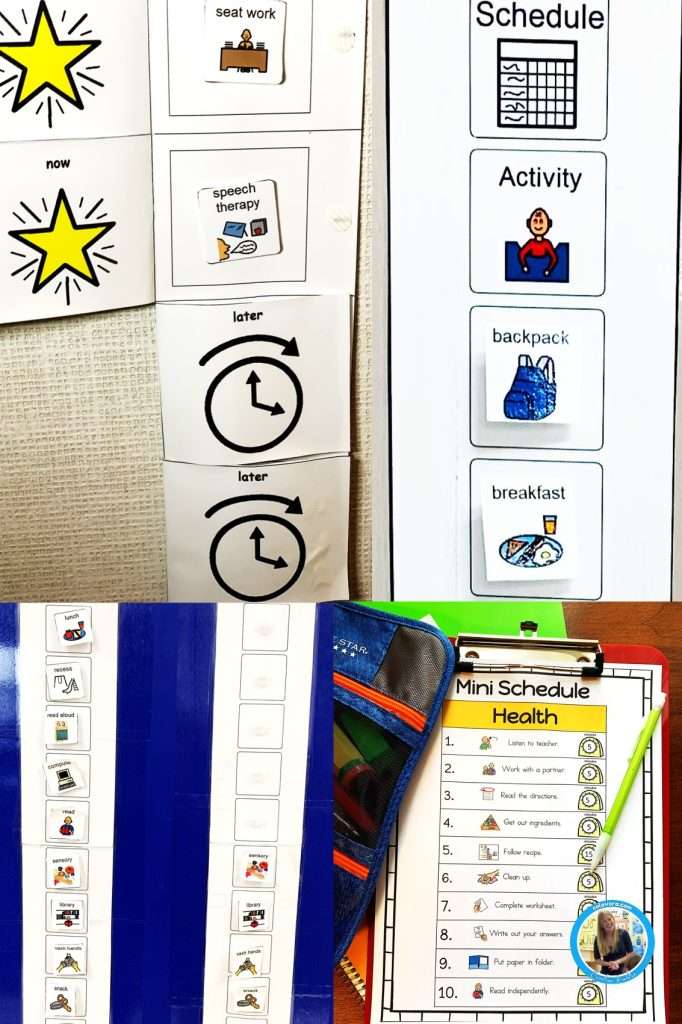
Organize your students’ days with visual schedules
If you’re looking for a way to help your students stay on track and manage their daily routines, visual schedules are a great tool to consider.
Schedules provide a visual representation of the day’s activities and help students understand what is expected of them.
You can create a visual schedule using pictures, symbols, or words. 🗓️
The type of schedule you create and use depends on your student’s level of comprehension.
By using visual schedules, you can help students become more independent and reduce anxiety by providing a predictable routine.
It’s a great way to encourage positive behaviors and reinforce classroom expectations.
Also, I recommend keeping a master schedule of the classroom visible for all adults. 📋
This keep everyone working in a cohesive manner.
Overall, visual schedules can be a game-changer for students with special needs and are definitely worth considering in your classroom.
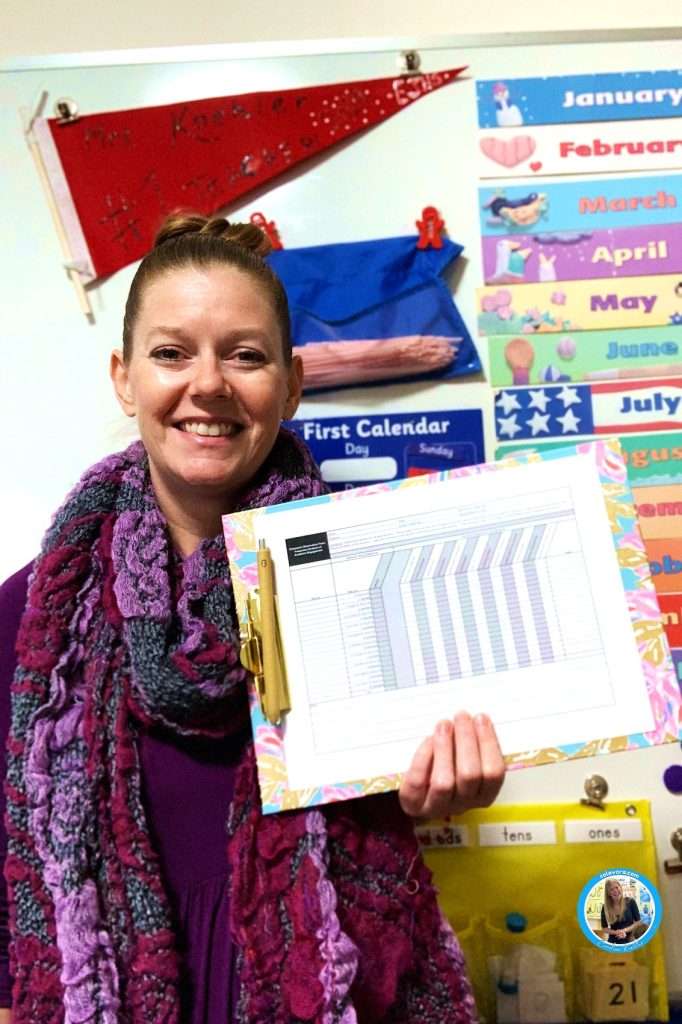
Make progress monitoring easy
In any classroom, assessments are a crucial component of learning and special education classrooms are no exception.
However, assessments don’t have to be boring or stressful for students. 🧘♀️
As a special education teacher, you can easily collect data on your students by using their in class work.
If you are monitoring a reading comprehension goal, make a copy of the test the general educaiton teacher gave.
Use it as data points for your students’ progress monitoring.
If you have behavior goals, get your data collection sheets ready and take an interval data collection while you’re in the classroom.
Need more help with behavior goals?
Use the school’s discipline records as evidence for your progress monitoring. 🗄️
Regardless, don’t feel like you need to give unique assessments for each goal.
Strive to collect and monitor meaningful data and keep copies in your students’ portfolios.
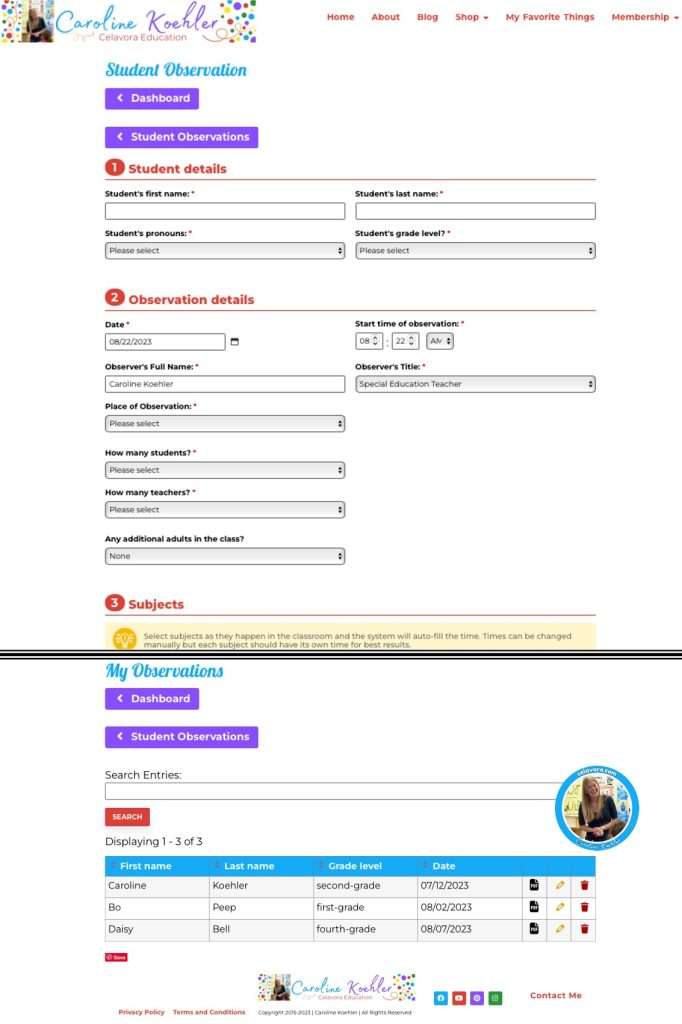
Go with a digital guide for teaching
As a special education teacher, you know how important it is to keep accurate records for each of your students.
But sorting through stacks of paper can be time-consuming and overwhelming.
That’s why utilizing digital files for documentation is a game-changer. 💻
Not only does it save you time, but it also allows you to easily access and share information with other teachers and parents.
Plus, using AI technology can take things to the next level.
AI can help you write emails, organize lists, and reduce workloads.
If you need a grade level passage but have run out of time to write your own, use AI to give you one.
So, give yourself more time to focus on what really matters – your students’ success.
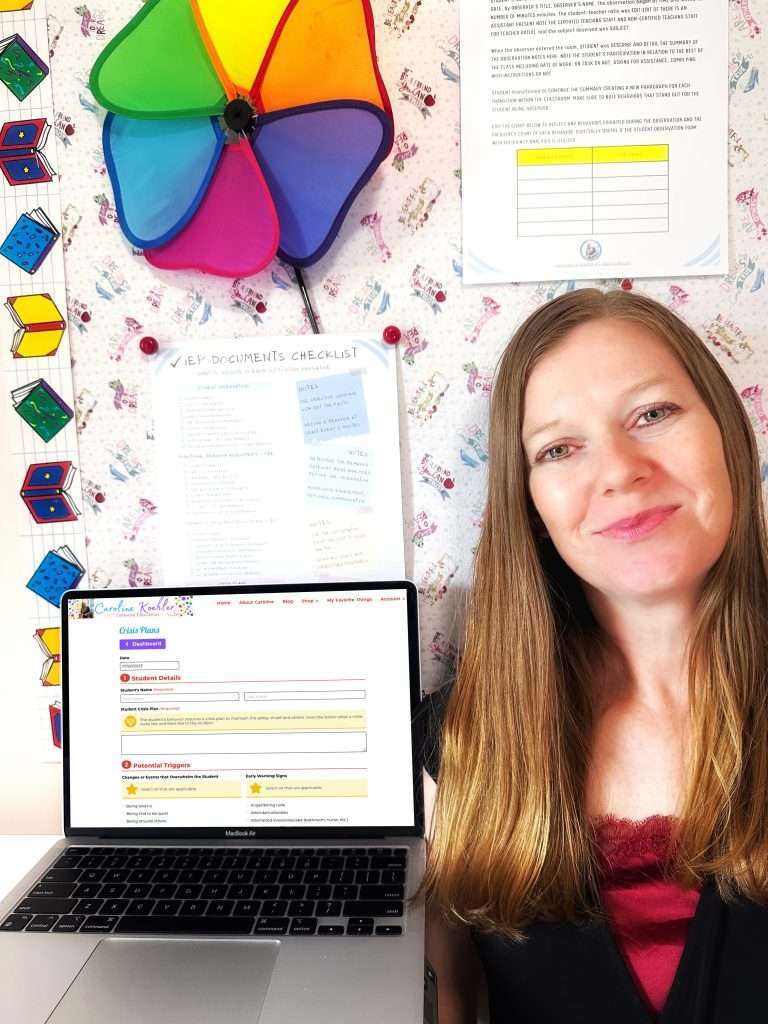
Organized your days
As a special education teacher, staying organized and on top of deadlines is crucial to the success of your students.
One helpful tip is to keep a calendar of upcoming deadlines and set up alerts with reminders. 🔔
I prefer to use a Google calendar for this connected to my school email.
If you are able to connect your school email to your personal phone, you’ll be able to see you deadlines on your phone.
This helps so much with planning and avoiding double or triple booking yourself.
I once had four different meeting requests for the same day at the same time!!!
No matter what, find a way to organize all of your important events.
This can include IEP meetings, progress reports, and assignment due dates.
Also, by having all dates in one place, you can ensure that you are adequately prepared and stay in compliance.
Setting up alerts with reminders will also help you stay on track and avoid missing any important deadlines. ‼️
With so much on your plate, it’s easy to get overwhelmed and forgetful.
But by implementing this simple tool, you can stay organized and focused on what really matters – providing the best education possible for your students.

SPED Up Paperwork’s membership
As a special education teacher, report writing can be a long and daunting task.
But what if we told you there’s a way to cut your report writing time in half?
That’s where SPED Up Paperwork’s membership comes in! 👩🏾💻
By joining, you’ll gain access to a variety of easy-to-use templates and tools that will help streamline your report writing process.
Not only will you save time, but you’ll also be able to deliver quality reports that accurately reflect your students’ progress and needs.
Plus, the membership includes IEP help guide writing supports and IEP goal banks. 🤸♀️
SPED Up Paperwork is here to make your report writing experience way easier and unbelievably faster.
Click here to join SPED Up Paperwork’s membership today and see the results for yourself!
Teaching special education can be a challenging yet incredibly rewarding profession.
By implementing the tips, strategies, and tools outlined in this comprehensive guide for teaching, you can create a supportive and inclusive environment where every learner can thrive.
Remember to be patient, flexible, and always prioritize the needs of your students.
With dedication and a positive attitude, you can make a significant impact on the lives of your students and help them achieve their full potential.
Best of luck on your teaching journey. 🍀
P.S. Keep this guide for teaching special education in your back pocket!