


Reward Chart Examples to Encourage Positive Behavior
A reward chart can be a game-changer in any classroom.
Whether you’re managing a whole class or supporting an individual student, a structured system helps reinforce positive behavior.
Students thrive on clear expectations and consistency.
Reward charts provide a visual and motivational tool to help students meet their goals.
Let’s explore how different types of reward charts can fit into your classroom routine, using resources from my store to make implementation easy and effective.

The Power of Visual Reward Chart Motivation
Visual reinforcement is key for many students, especially those with special education needs.
The I’m Working For Charts – Autism Token Board helps students clearly see their goals.
This resource provides a structured way to earn tokens leading to a chosen reward.
Token boards are great for students who need tangible motivation and a structured system to encourage small successes throughout the day. You can use this chart for academic, social, or behavioral goals.
Display it where the student can easily see their progress.
Over time, students become more independent in tracking their progress and working towards goals.
This system builds confidence and promotes self-regulation.
Implementing a reward system like this is simple and effective for classrooms of all ages.

Bundled Behavior Support for Versatility
Having multiple reward chart options allows for customization based on student needs.
The Reward Charts Bundle includes sticker charts, token boards, and digital options.
This variety ensures you have the right chart for different situations.
Some students respond better to stickers, while others prefer digital rewards.
You can use sticker charts for younger students who love visual progress markers.
Digital token boards work well for older students or classrooms using tablets.
By keeping a mix of options available, teachers can easily adapt to the needs of their students.
This flexibility makes behavior management more engaging and effective.
When students feel involved in tracking their own progress, they are more motivated to succeed.

Daily Behavior Tracking for Individual Growth
Tracking behavior daily helps identify patterns and reinforce positive choices.
The Daily Behavior Charts Bundle offers interactive behavior boards for easy tracking.
These charts provide a way to document both positive and challenging behaviors throughout the day.
Teachers can use this information to adjust supports as needed.
By reviewing these charts, students can reflect on their choices and set goals for improvement.
Parents also appreciate the ability to see their child’s progress at home.
This communication bridge helps reinforce positive behavior in both school and home settings.
Daily tracking encourages consistency and accountability.
Implementing these charts is an easy way to reinforce a structured classroom environment.
They work well in both general and special education settings.

Individualized Reward Chart for Behavior Management
Some students need a highly personalized approach.
The Behavior Chart Template for Individual Students allows teachers to create custom behavior plans.
This is especially useful for students who need specific goals tailored to their strengths and challenges.
By using an individualized chart, teachers can focus on behaviors that need improvement while also acknowledging progress.
Personalized behavior charts work well for students with IEPs or 504 plans.
They help break down larger goals into manageable steps.
This resource also includes editable templates, making it easy to adjust goals as needed.
A customized approach ensures that each student gets the specific support they need.
Teachers can modify charts based on student progress, keeping motivation high.
This level of personalization helps students take ownership of their behavior growth.

First-Then Reward Chart for Simple Choices
Some students benefit from clear, structured expectations.
The First-Then Boards provide a straightforward way to set up behavior expectations.
These charts help students understand that completing a task leads to a reward.
This works especially well for students who struggle with transitions or multi-step directions.
For example, “First, complete your worksheet.
Then, you can have five minutes of free choice time.”
This method builds trust and routine in the classroom.
First-then charts can be used for academic, behavioral, and social goals.
Teachers can introduce them at the start of the day to set expectations.
Over time, students internalize the system and become more independent.
This strategy is simple but highly effective for maintaining classroom structure.

Choice Boards for Increased Engagement
Giving students control over their rewards increases motivation.
The Autism Choice Board Reward System helps students feel empowered in their learning.
Instead of a one-size-fits-all approach, students can choose from different reward options.
This encourages autonomy and decision-making skills. Some students may prefer extra recess, while others want a small toy or sticker.
The choice board makes it easy for teachers to offer incentives that truly motivate each student.
Using this system in the classroom helps students stay engaged and excited about their progress.
It also reduces resistance to completing tasks, as students have a say in their rewards.
This approach fosters independence and responsibility.
The choice board system is ideal for both individual and class-wide reward systems.
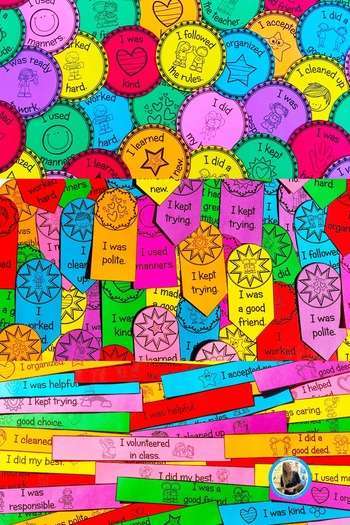
Brag Tags for Celebrating Success
Celebrating student success encourages ongoing motivation.
The Good Behavior Reward Brag Set offers an exciting way to recognize positive choices.
These brag tags work as wearable rewards that students can collect.
They serve as a tangible reminder of accomplishments and good behavior.
This system is great for classroom-wide reinforcement.
Teachers can distribute brag tags during morning meetings or at the end of the day.
Students love collecting them and showing off their achievements.
This approach builds classroom morale and a positive learning environment.
It also encourages peer recognition and teamwork.
Adding brag tags to a reward system makes celebrating success even more fun.

Make Your Reward Chart Work for You
A reward chart provides a structured and motivating way to encourage positive behavior in the classroom.
Whether using sticker charts, token boards, or choice boards, having a variety of tools ensures that every student finds motivation.
The right reward system can help students develop independence, accountability, and a love for learning.
By using these ready-made resources, teachers can easily implement effective behavior management strategies.
Check out my store for printable and digital reward charts that make behavior tracking simple and engaging.
Start using a reward chart today to create a positive and structured classroom environment!


