


Behavior Management Classroom Strategies Support
As a teacher, using behavior management classroom strategies in a positive and well-managed classroom environment can be one of the biggest challenges you face.
Students come with different backgrounds, needs, and behaviors, which means that managing behavior isn’t a one-size-fits-all task.
Luckily, there are many tried-and-true behavior management classroom strategies that work across a wide range of classroom settings, including tools specifically designed to support students with special needs.
Let’s check out some practical strategies to help you foster a peaceful, focused, and engaged classroom environment.
Also, as a plus these tools can make your job easier and more fun!

Set Clear Classroom Rules and Procedures
Establishing clear expectations right from the start is key to effective behavior management classroom strategies.
Students of all ages and abilities need to understand what’s expected of them in terms of behavior, and visual reminders can make all the difference.
Consider using Classroom Rules and Procedures Posters as a visual guide.
These posters not only provide clear, simple rules but also offer consistent reminders for students.
Whether you’re teaching general education or working with students with special needs, these visuals can help reinforce positive behavior by serving as constant, easy-to-understand references.
In my experience, using visuals like these to complement your verbal instructions ensures that students always have something to fall back on.
For younger students, as well as those with attention difficulties or autism, visual aids can be especially beneficial.
All-in-all, visual rules reduce the need for repeated verbal reminders while fostering greater independence.

Use Visual Supports to Reinforce Positive Behavior
One of the most effective strategies for behavior management is using visual supports to remind students of appropriate behaviors.
For students with autism or other special needs, this can be a game-changer.
The Autism Strategies for Behavior Management Bundle includes a range of visual tools like social skills cards and behavior charts.
These resources are perfect for guiding students through different situations, helping them understand social cues and manage their emotions better.
In my classroom, I’ve found that using visuals are especially useful when helping students transition between tasks.
For example, one student I worked with had a hard time switching from playtime to more structured activities.
A visual daily schedule helped ease this transition, giving them a sense of what was coming next and how to handle it.
You can adapt these tools to fit any classroom scenario, whether it’s reinforcing desired behaviors or helping students understand classroom routines.

Implement a Behavior Management Classroom Strategies System
Consistency is key when it comes to behavior management, and having a system in place is crucial.
A well-structured system allows you to keep track of behavior and address it in a way that is both fair and effective.
The Behavior Management System in the Classroom provides you with a complete set of tools for tracking and reinforcing behavior.
From behavior logs to reinforcement charts, this system is designed to create a structured, supportive environment for all students.
In a past classroom, I used this system to encourage positive behaviors.
I would document both positive and challenging behaviors, which gave students a visual record of their progress.
For one of my students with special needs, being able to see their progress on a chart gave them a sense of accomplishment.
These tools also provide a better understanding of how their actions impacted the classroom environment.
This strategy works in both general education and special education classrooms, helping students stay accountable while encouraging self-regulation.

Teach Coping and Self-Regulation Skills
Managing emotions and learning how to self-regulate are essential life skills that directly impact classroom behavior.
As teachers, we can support students in building these skills by providing them with the right tools.
The Coping Strategies Visuals for Autism offer practical strategies for students who may struggle with emotional regulation, including visual cards that help them identify their feelings and choose appropriate coping strategies.
I’ve had great success using these kinds of visuals with students who are prone to anxiety or frustration.
For example, one student would often shut down when overwhelmed. By providing a simple,
visual of coping strategies, such as “Take a deep breath” or “Ask for help,” I gave them the tools to independently manage their emotions.
This not only reduced disruptions in the classroom but also empowered the student to take control of their emotional responses.
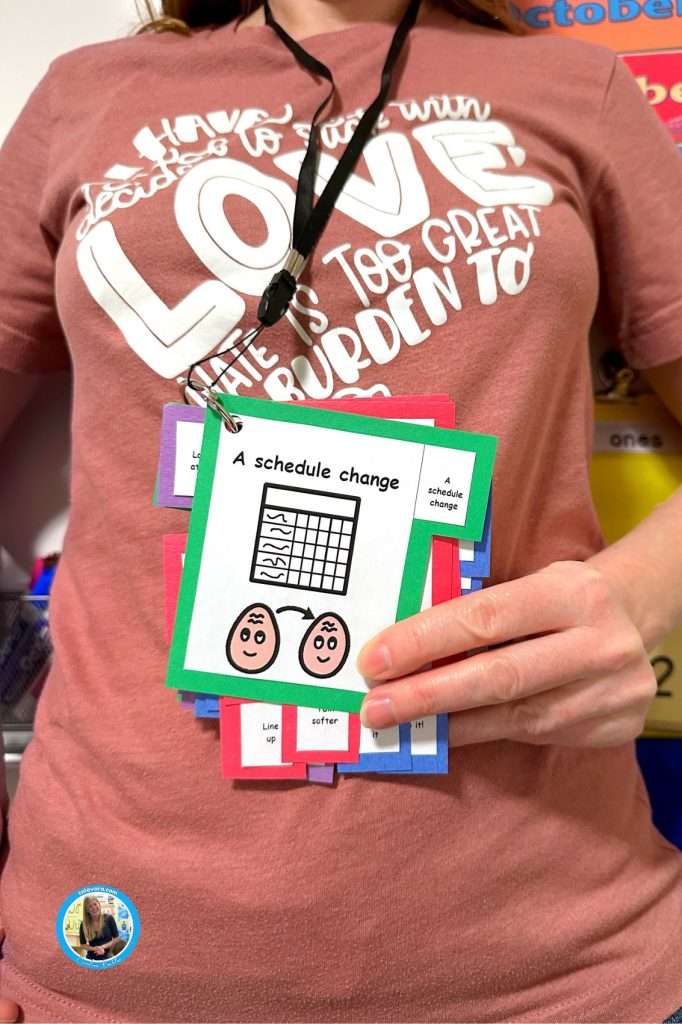
Utilize Cue Cards for Communication
For students with autism or communication difficulties, expressing emotions or needs can be particularly challenging, leading to frustration and behavioral issues.
That’s where the Cue Cards for Autism Supports come in handy.
These visual cue cards serve as a bridge between students and teachers, helping students express themselves in a non-verbal way.
I’ve used these cue cards many students who often had difficulty communicating their needs.
By giving them access to a set of cards they could point to, I saw a significant reduction in frustration and outbursts.
These cue cards can be used in any classroom, not just for special education.
They’re an excellent tool for students who may struggle with verbal communication or are still developing their language skills.
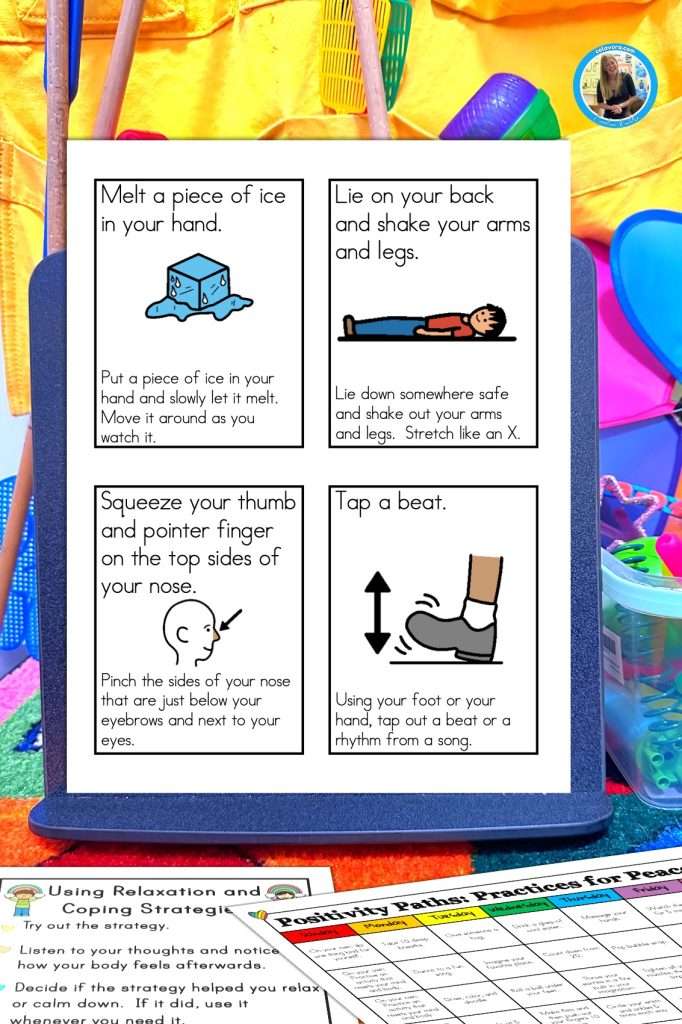
Social-Emotional Learning Behavior Management Classroom Strategies
A classroom that fosters emotional intelligence and social skills is one where behavior issues are less likely to occur.
The SEL Activities for Anxiety Support and Self-Regulation are designed to help students understand and manage their emotions, reduce anxiety, and build healthy social relationships.
Whether you’re working with young students or those with special needs, these SEL tools are invaluable for helping students regulate their behavior through emotional awareness.
I’ve found that incorporating SEL activities into my weekly routine helps build a stronger classroom community.
By teaching students how to recognize their emotions and respond appropriately, behavior problems decrease over time.
It’s amazing to see students who once struggled with emotional regulation start to manage their feelings in a healthier, more productive way.

Empower Your Students with Behavior Management Classroom Strategies
Behavior management classroom strategies is one of the most challenging yet rewarding aspects of teaching.
By using visual supports, structured behavior management systems, and social-emotional learning tools, you can create a classroom environment where all students—whether in general education or special education—thrive.
The resources highlighted here can make a significant difference in your daily teaching practice.
They help you manage behavior more effectively and give your students the tools they need to succeed.
Remember, the goal is to create a supportive, consistent, and engaging environment where students feel understood and empowered.
With the right behavior management classroom strategies in place, you can achieve that, ensuring a positive and productive educational experience for all.


