Overcoming Learning Barriers in the Classroom
Learning should always be a 🏆 rewarding and enriching experience free of learning barriers in the classroom.
However, many students often face numerous barriers that can impede the learning process.
This is even more pronounced for students with special education needs including IEPs.
These barriers can manifest in various forms, such as academic 🚫 barriers, attention deficits, or even social and emotional difficulties.
Learning hurdles can make it difficult for students to stay focused, retain information, and improve academically.
Therefore, it’s imperative for educators to identify and address these obstacles to ensure that each student gets the best possible education.
Overcoming learning barriers in the classroom takes patience, guidance, and a comprehensive approach.
Let’s explore various learning barriers that students commonly face along with tips on how educators can help overcome them.
From understanding the importance of differentiated instruction to utilizing the latest edtech tools, practical solutions can be integrated into any curriculum.
Moreover, we also discuss the crucial role of socio-emotional support in helping students to build.

Identify the Cause of the Learning Barriers in the Classroom
Overcoming learning barriers in the classroom requires a skilled approach that involves identifying the root cause of the barrier.
Teachers should use a range of 📝 assessments, pretests, and even special education evaluations to determine the areas in which students excel and where they struggle.
This establishes a patterns of 💪 strengths and weaknesses.
Then, teachers can create targeted learning strategies that address specific areas where students need the most support.
These evaluations should be a routine part of the learning process, allowing teachers to identify learning barriers early.
Once a weakness is found ✅ strategies that help students succeed can be implemented.
Assessments create a comprehensive view of a student’s learning abilities.
Because of this, teachers can better understand the specific difficulties their students are facing.
This allows teachers to create personalized learning plans, and measure progress over time.
Know Your Students to Identify Their Struggles
Understanding the learning style and preferences of each student is essential for overcoming learning barriers in the classroom.
As educators, it is important for us to recognize that every student is unique, with their own abilities, challenges.
This includes ways of understanding, processing, and retaining information.
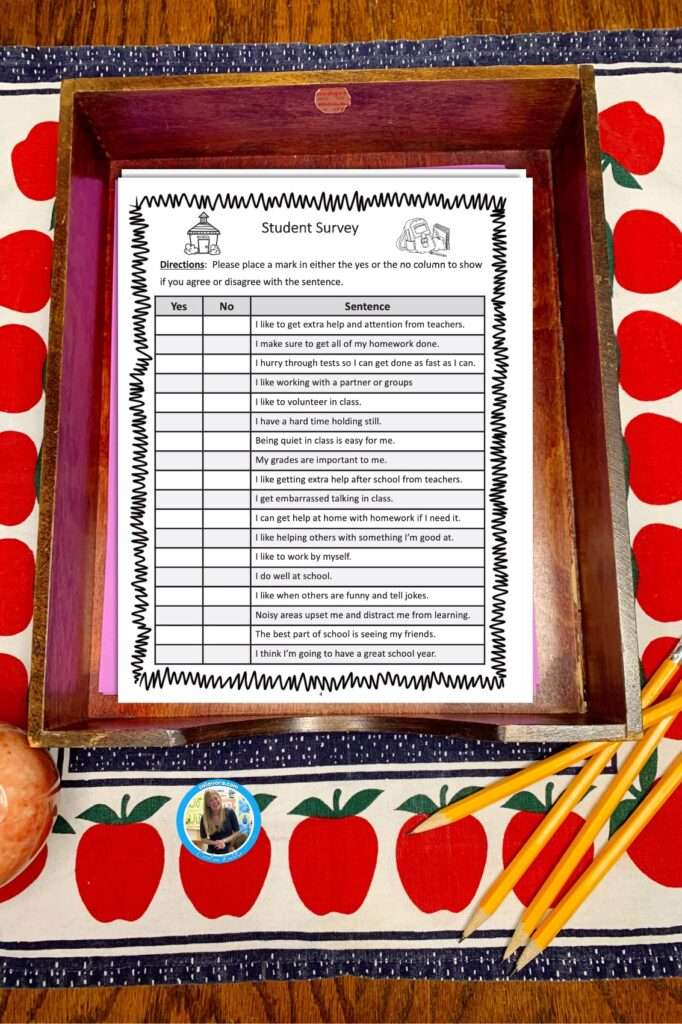
One effective way to gain insight into a student’s learning style and preferences is by conducting student interviews and using surveys. ⁉️
These tools allow teachers to engage with students on a deeper level, enabling them to identify their specific learning needs and strengths.
Work with the student to understand their learning style and preferences.
By understanding how students learn best, teachers can tailor their teaching approach to meet individual student needs, ultimately helping to overcome barriers to learning and improving student outcomes.
It is important to note that student preferences and learning styles may change over ⏰ time, requiring ongoing monitoring and adaptation to continue to support student success.

Accommodations Bridge Learning Barriers in the Classroom
Overcoming learning barriers in the classroom is critical for ensuring that all students have equal access to education.
Teachers can support their students through various methods, including providing additional resources and materials to support learning.
Utilizing 💻 technology is an excellent way to accommodate different learning styles and provide extra support.
For instance, online resources, recorded lectures, and web-based learning platforms allow students to access information outside of the classroom while enabling teachers to reach students who miss class time.
Teachers can also use simple but effective tools such as line readers and highlighters to provide more support to students with visual impairments or reading difficulties.
🗣️ Text to speech can be life changing for students who struggle with fluency and below grade level word per minute read.
Talk to text can drastically help students who struggle with fine motor, legible handwriting, or spelling.
Using technologies like the ones above reduces barriers for these students by making it possible for them to read and follow texts more comfortably.
It’s crucial to ensure that all students are 🫡 aware of the additional resources available to them and how to use them.
Because of this, teachers need to introduce these tools and actively encourage students to utilize them.
Gradually, this approach can lead to more inclusive classrooms that promote equal learning opportunities for all.

Differentiate Your Instruction
Offering extra assistance in one-on-one instruction and small group support is an effective strategy for overcoming learning barriers in the classroom.
This approach can help struggling students by providing personalized attention and guidance in a supportive learning environment.
Teachers can ✅ identify individual learning styles and tailor their instruction to meet the needs of each student.
Small group support also allows for peer interaction and collaboration, which can enhance learning and encourage students to feel more comfortable and engaged in the classroom.
Assessments can be a struggle for students with exceptional needs but differentiating is simple.
Teachers can do several modifications to tests and assignments to remove learning barriers in the classroom.
- Reduce the number of choices
- Provide a word bank
- Read aloud the questions
- Allow the student to use talk to text for short answer or essay questions
- Let students type out their answers instead of handwrite
- Group matching questions in set of 5 or less
- Remove any double jeopardy questions
- Reduce unnecessary language in questions
Additionally, these strategy promote a sense of 🏫 community and belonging, which can boost student motivation to learn and succeed.
It is important for educators to prioritize individualized attention and support to ensure that every student has the opportunity to reach their full potential.

Teach Students How to Learn
“Ask me a question,” was one of the most startling things I said to my middle school inclusion students.
I would get the most confused looks when I used this phrase.
They would tell me, “I don’t understand,” and I’d counter with “Ask me a question.” 🙋🏽
Unfortunately, most couldn’t. So, we’d practice question asking.
One of the most significant learning barriers students face is the fear of asking questions and seeking clarification.
Thus, teachers must encourage students to ask questions and clarify their doubts to help them navigate through their learning journey smoothly.
By teaching students how to learn, using social stories, modeling, and visual behavior scales, teachers can help students overcome their fear and confusion.
This will equip students with the necessary skills to 🎙️ communicate their thoughts, ideas, and emotions effectively, while asking questions and seeking clarification from the teacher or their peers.
Encouraging students to question and seek clarification not only helps them develop a deeper understanding of the subject matter, but it also promotes their critical thinking skills, making them lifelong learners.
If a student doesn’t know how to ask a question, they don’t know how to find the answer. 💭
So, help your students discover how to be inquisitive.
To achieve this, teachers must create a safe and inclusive classroom environment where students feel comfortable and confident to ask questions and seek clarification.
Teach to ALL Learners
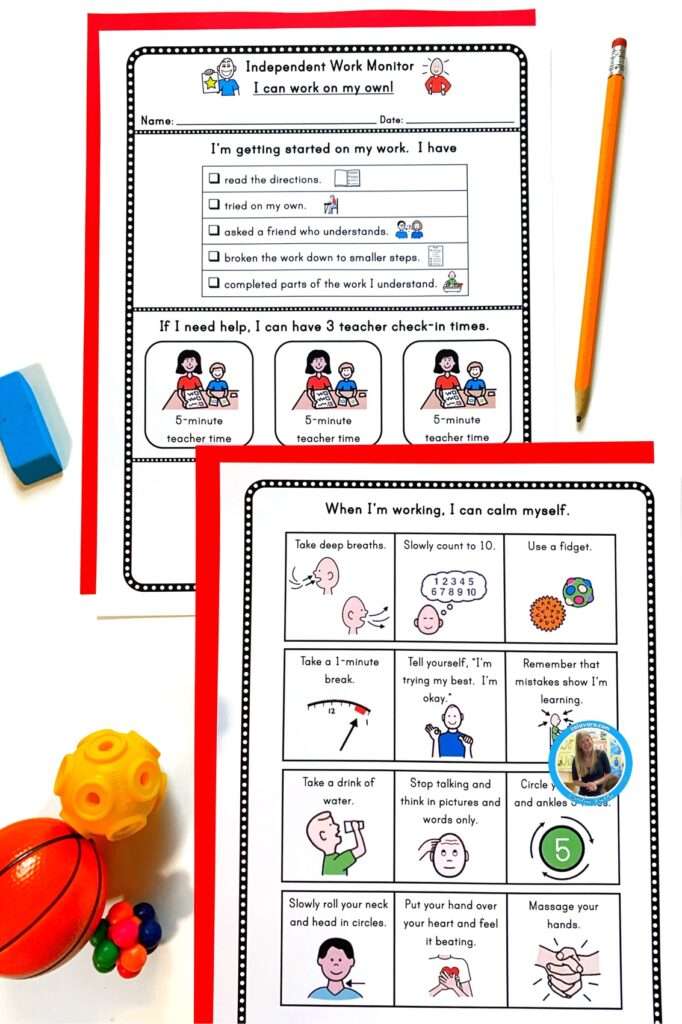
Effective teaching requires a variety of strategies to accommodate diverse learning needs of all students. 👨🏼🎓
To overcome learning barriers in the classroom, it is vital to incorporate different teaching methods and modalities into instruction.
This includes providing opportunities for students to demonstrate knowledge in multiple ways.
Examples include 📚 traditional written work, oral assessments, project-based learning, and hands-on activities.
By doing so, teachers can foster a classroom environment that supports and maximizes student learning outcomes.
I love using 🎶 singing, rhyming, visuals, acronyms and so much more to help all learners grasp academic topics.
Embracing this approach not only enhances student engagement and motivation in the learning process but also develops students’ critical thinking and problem-solving skills.
It is crucial to identify and address the learners’ individual needs, preferences, and strengths in the learning process to promote inclusivity and equity in the classroom.
Positive Discipline Erases Learning Barriers in the Classroom
Creating a 🥰 positive and inclusive classroom environment is essential for overcoming learning barriers in the classroom.
Activities that build on educating oneself can give your students the ability to work at their own levels and pace.
Also, a supportive environment can help students optimize their learning potential while also fostering self-confidence.
In an inclusive classroom, students gain the opportunity to 🧭 explore, express their thoughts, and feel supported by their peers and educator.
Give your students the ability to work at their own levels and pace, which may help them build their skill set more effectively.
Ensuring the classroom environment fosters and promotes positivity and inclusiveness can help students overcome such typical barriers inside the classroom while also support their growth in multiple dimensions.
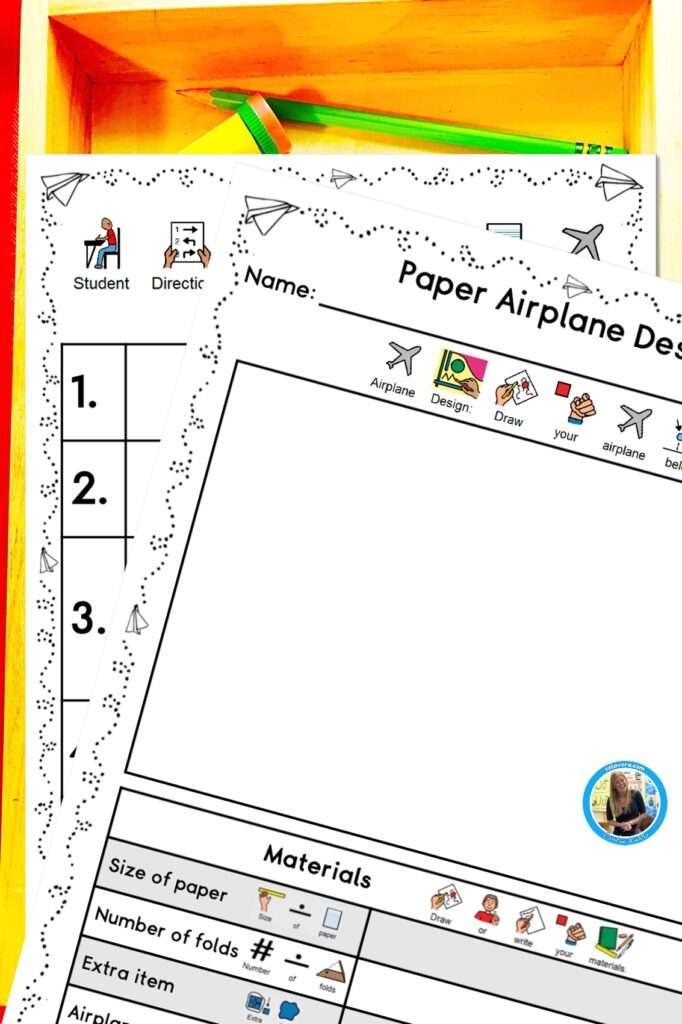
Hold your students accountable but make sure your classroom is using effective behavior management strategies.

Set Goals and Celebrate
Setting achievable 📈 goals in the classroom can be a powerful tool to overcome learning barriers.
It is important to create smart goals that are specific, measurable, attainable, relevant, and time-bound.
Encouraging students to set goals that align with their interests and abilities can increase their motivation to learn and succeed.
Additionally, regularly monitoring ✅ progress towards these goals can help students stay on track and remain engaged in the learning process.
Also, it’s equally essential to teach students how to celebrate their success and progress, no matter how small or big.
Celebrating progress motivates students to keep moving forward and fosters a positive classroom environment.
Just like other experiences in life, teach students what 🥳 celebrating looks like.
It can be small like taking time out to draw a picture, stretch your body, or go for a walk.
Celebrating can be bigger like getting extra recess, having a treat, or snuggling with a pet.
Also, a celebration could be super amazing like taking a trip or giving someone a gift.
As educators, it is crucial to focus not only on the end result but also the journey taken to achieve learning goals.
Communication Is Key
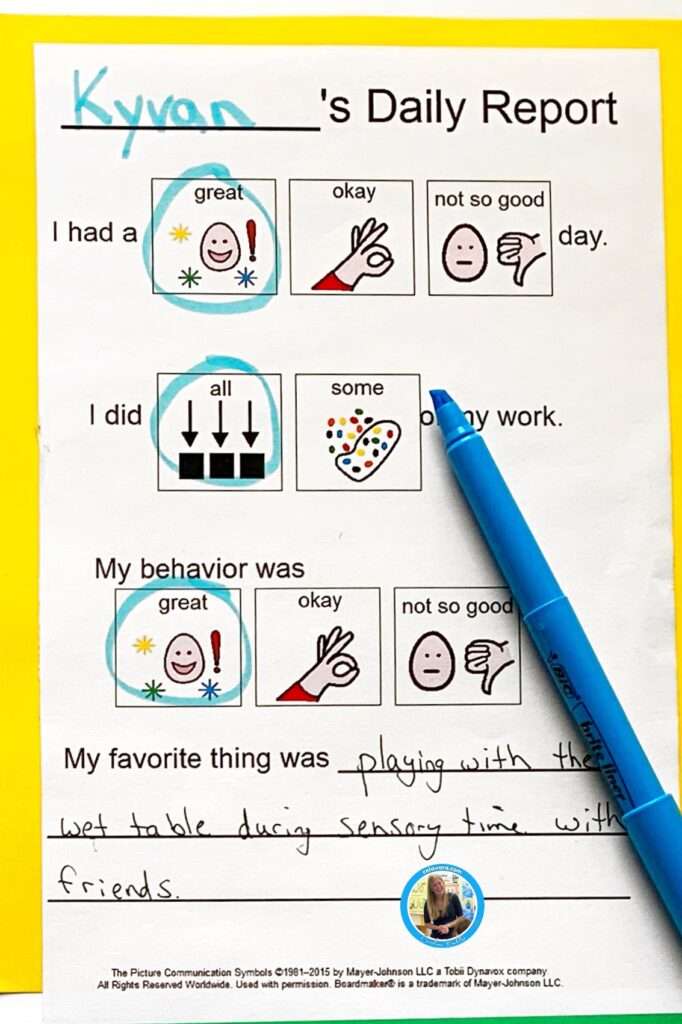
One essential way to overcome learning barriers in the classroom is to establish clear lines of ☎️ communication with parents and guardians.
Communicating regularly with parents is a key way to provide updates on student progress and to help ensure that learning goals are being met.
There are many ways to establish communication with parents, including daily notes home, a Google Classroom set up, or an 📧 email list.
Regardless of the medium, it’s important to prioritize regular communication to keep parents engaged in the learning process.
Establish a collaborative approach between parents, teachers, and students to break learning barriers in the classroom.
This includes language, cultural, or religious barriers.
I had a lovely Jehovah Witness family who I just ❤️ adored.
Due to their religion, holidays are not recognized so I often had to adjust any plans to the curriculum so the lesson was appropriate for all.
If I wasn’t sure if a topic was acceptable, all I had to do was 💬 ask.
It was awkward or weird; it was just a focus on how to effective educate the child.
And the family was so grateful any time I asked.
Communication can help parents provide additional support at home and to ensure that teachers are aware of any issues that may be impacting a student’s progress.
Ultimately, effective communication can lead to better learning outcomes for all involved.
Evaluate Learning Barriers in Your Classroom
One way to overcome the barriers to learning in the classroom is to continuously evaluate and adjust teaching strategies to meet the individual requirements of each student.
It is important to embrace the messiness of life and allow students to demonstrate their learning needs.
However, this process requires teachers to be flexible and adaptable to changing circumstances.
By recognizing and responding to the individual learning preferences and strengths of each student, teachers can create a supportive and inclusive learning environment that motivates and engages students.
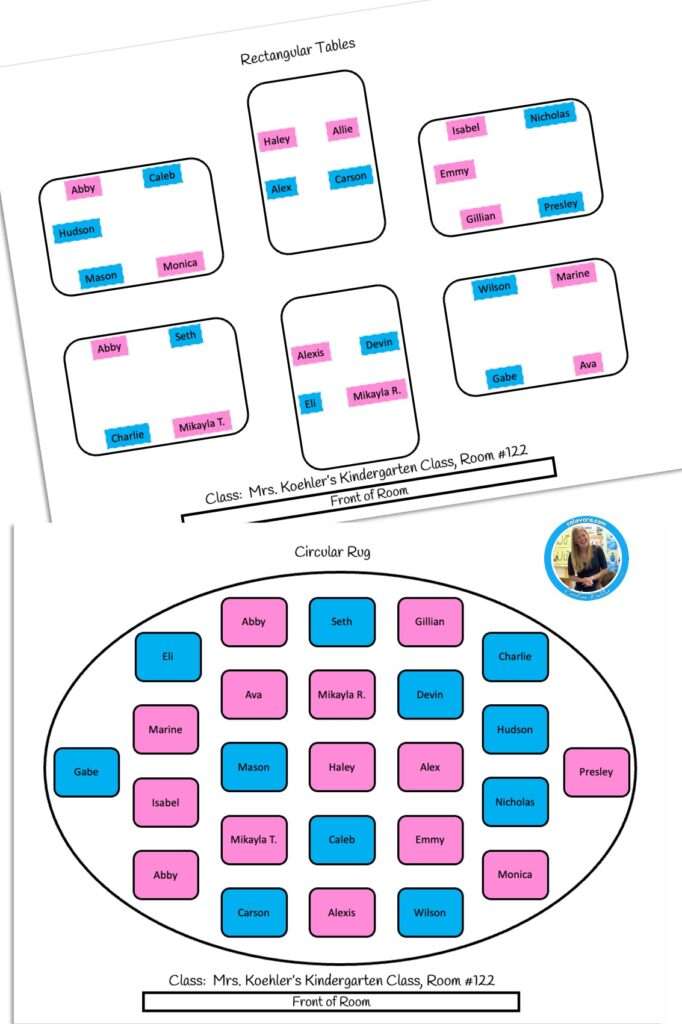
I love mixing up student 🪑 seating so some students are up front or in the back for short periods of time.
But I had one student who ⛔️ despised being up front.
A child of extreme trauma, she not only preferred to be in the back but at least one full seat away from other students.
After talking with her SPED team, we decided that we would make this an accommodation for her in the classroom.
After all, she was learning in the way that was best for her.
Strategies like this ensure that individual learning needs are 👌 met and that every student can reach their full potential.

Learning Barriers in the Classroom Change with the Years
In conclusion, teachers must be aware of the different learning barriers that may exist within their classrooms.
Ensuring classroom equity and providing a ❤️ supportive and inclusive learning environment can help students overcome their challenges and succeed academically.
Because of learning barriers, teachers adopt appropriate strategies to address them.
Teachers must also regularly evaluate the effectiveness of their teaching methods.
Then, they can make necessary modifications to ensure that all students are given an 🟰 equal opportunity to learn and grow.
So by building strong, positive relationships and allowing for multiple modes of expression, teachers can create a positive environment.
This allows students to feel valued, empowered, and able to achieve their full potential by overcoming learning barriers in the classroom.